Pans warp on gas stoves from rapid, uneven heating and metal fatigue caused by heat stress.
I’ve spent years testing cookware and cooking on gas ranges. I understand why do my pans warp on gas stoves and how small habits make a big difference. This guide explains the science, common causes, prevention, fixes, and what to buy. Read on for clear steps you can use tonight to stop warping and protect your pans.

Why pans warp on gas stoves: the science and mechanics
Warping happens when metal heats unevenly. Gas flames create hot spots and cooler areas at the same time. The metal expands in one place faster than another. This creates stress and permanent bends.
Different metals and constructions react differently to heat. Thin metals and pans with uneven bases are more likely to warp. Repeated cycles of fast heating and rapid cooling weaken the metal and make warping permanent.
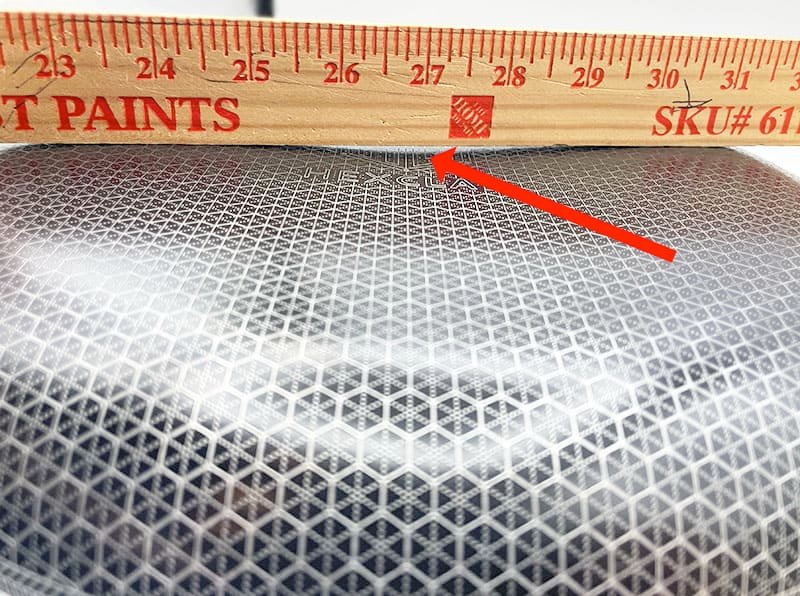
If you ask why do my pans warp on gas stoves, the short answer is uneven thermal expansion and stress. Over time the base loses its flat shape and will no longer sit properly on the burner.

Materials and pan types most prone to warping
Stainless steel with thin gauges warps faster than heavy tri-ply pans. Lightweight aluminum pans bend easily with quick heat changes. Pans with welded or clamped bases can separate a little and then warp.
Cast iron and heavy forged stainless steel resist warping better. Nonstick coatings do not stop warping; they only hide it until the base bends. If you own a cheap thin pan, expect more warping on gas. When you wonder why do my pans warp on gas stoves, check the pan’s thickness and build first.

Common cooking habits that cause warping on gas stoves
Cooking habits matter more than you think. The following cause warping the most:
- Heating an empty pan on high heat. This generates sudden, extreme heat spikes that stress metal.
- Moving a hot pan directly into cold water. Rapid cooling creates thermal shock.
- Using burners that are too small or too large for the pan. The flame concentrates heat unevenly.
- Stacking pans while hot or placing heavy items on a warm base. That warps the soft metal.
If you repeatedly ask why do my pans warp on gas stoves, review these habits first. Small changes stop most damage.

How to prevent pans from warping on gas stoves
Prevention is simple and cost effective. Try these steps.
- Match pan size to burner. Use a burner that fits the pan base to avoid hot spots.
- Preheat slowly. Start on low or medium heat for a minute or two before increasing.
- Avoid heating empty pans. Add oil or food early to moderate temperature spikes.
- Cool gradually. Let the pan rest until just warm before cleaning with water.
- Use heavier cookware. Choose thicker bases or multi-ply construction.
- Center pans on the flame. Keep cookware stable to reduce uneven heating.
- Maintain burners. Clean clogged ports so the flame is even around the base.
From my own kitchen tests, preheating slowly and avoiding quick cooling cut warping in half. When you act on why do my pans warp on gas stoves, you will save money and cook more evenly.

How to fix a warped pan
Many warped pans are salvageable if the warping is minor. Try these methods.
- Cool the pan to room temperature first. Place it on a flat, heat-resistant surface.
- Tap the warped area gently with a rubber mallet while supporting the opposite side. Work slowly. This can flatten slightly bent edges.
- Use an adjustable press or clamp between two flat boards. Tighten gradually over a few days to reshape the base.
- For aluminum pans, some heat and then slow press may help, but proceed with caution.
Severely warped pans or those with cracked welds are usually not worth repairing. If you still wonder why do my pans warp on gas stoves after trying fixes, consider replacing the pan.
Choosing the right cookware for gas stoves
Good cookware prevents problems before they start. Look for these features.
- Thick, heavy bases or tri-ply construction for even heat.
- One-piece forged bases rather than clamped or welded layers.
- Materials like cast iron, heavy stainless steel, or hard-anodized aluminum.
- Flat-bottom design with wide contact area for stable heat transfer.
When buying, test the pan on your burner in the store if possible. Ask yourself: will this pan handle direct flame and frequent heat changes? Choosing right helps answer why do my pans warp on gas stoves before it happens.
Frequently Asked Questions of why do my pans warp on gas stoves
Can high heat alone warp a pan on a gas stove?
Yes. High heat, especially on an empty pan, can cause metal to expand unevenly and warp. Repeated high-heat cycles make the damage worse.
Will cooling a hot pan with cold water cause warping?
Yes. Plunging a hot pan into cold water creates thermal shock and can warp the base quickly. Always let pans cool slightly before washing.
Does the type of burner affect warping?
Yes. Uneven or small burners concentrate heat and create hot spots that lead to warping. A clean, evenly lit burner reduces that risk.
Are nonstick pans more likely to warp on gas stoves?
Nonstick coatings do not prevent warping. Thin nonstick pans often have lightweight bases and so can warp more easily on gas.
Can I flatten a warped pan at home?
Minor warps can sometimes be reduced with gentle tapping or clamping between flat boards. Major warps or cracked welds usually mean replacement is safer.
Does pan thickness matter for warping?
Yes. Thicker bases resist warping by spreading heat more evenly and reducing stress. Thin pans bend faster under uneven heat.
Conclusion
Warping on gas stoves happens because metal heats unevenly and repeats of quick heating and cooling cause stress. You can prevent most warping by matching pan and burner size, preheating slowly, avoiding empty-pan high heat, and choosing heavier, well-built cookware. Try the practical steps above and test small changes in your kitchen this week to keep pans flat and cooking well. Share your experiences, ask questions below, or subscribe for more tips on cookware care and smart cooking.