Food turns out uneven because heat, moisture, and ingredient distribution are inconsistent during cooking.
I have cooked in busy kitchens and home stoves for years. I know why food uneven? happens and how to fix it. This guide explains the causes, the science, practical fixes, and real tips you can use today. Read on and learn simple steps to make your food cook and plate more evenly every time.

Why food becomes uneven: common causes
Uneven food happens for simple reasons. Heat is not spread the same way across a pan or oven. Ingredients are not mixed or cut the same. These lead to parts that are overcooked and parts that are undercooked.
Common causes include:
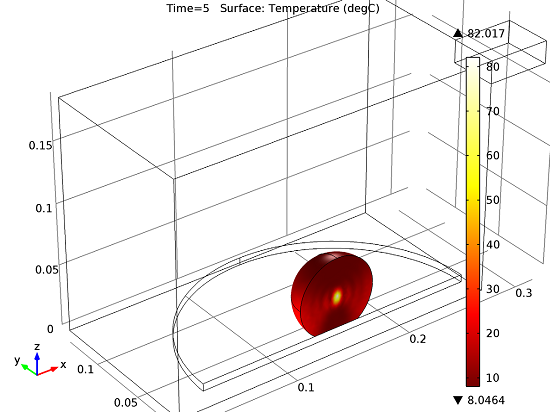
- Hot spots in ovens and pans that create uneven heat.
- Uneven chopping or portion sizes that change cook times.
- Crowded pans that block airflow and steam food instead of browning.
- Poor mixing that leaves pockets of dry or wet ingredients.
- Incorrect temperature or not preheating the oven or pan.
When you ask why food uneven?, look at heat, size, and timing first. Fixing those three usually fixes most problems.
The science behind why food uneven?
Heat moves in three ways: conduction, convection, and radiation. Each works differently in different tools. Conduction moves heat through direct contact. Convection moves heat through air or liquid. Radiation moves heat from a hot surface or flame.
Moisture also matters. Water turns to steam and moves heat differently than oil. The Maillard reaction, which creates color and flavor, happens at certain temperatures. If part of the food is cooler, that part will not brown or caramelize the same.
Thermal mass matters too. Thick pieces hold heat longer than thin pieces. This explains why one thick strip cooks slower while a thin strip cooks faster. If you want to know why food uneven?, remember that heat and moisture travel in different ways.
Common scenarios where food goes uneven
Stovetop frying
- Crowded pan makes oil temperature drop. Food steams instead of browns.
- Pieces with different sizes cook at different speeds.
Oven baking
- Oven hot spots change baking time across the tray.
- Uneven batter distribution causes some muffins to rise more than others.
Roasting and grilling
- Thick parts cook slower than thin edges.
- Lid use, grill hot zones, and placement change results.
Sauces and emulsions
- Poor emulsification makes sauces separate.
- Uneven heating can curdle dairy in soups or sauces.
When you wonder why food uneven? in a specific case, look at tool, size, and moisture. Those three tell the story.

Practical fixes: how to make food even every time
Start with prep and tools. Simple steps prevent most issues.
Key fixes to try:
- Preheat oven and pan until they reach the right temp.
- Cut food into uniform pieces so they cook at the same rate.
- Use a thermometer to check internal temperature.
- Avoid crowding the pan; cook in batches if needed.
- Stir and rotate trays during cooking to even out hot spots.
- Let food rest after cooking so heat redistributes evenly.
- Use lids to trap heat when needed, or vent to escape steam.
- Use racks or convection when available for better air flow.
If you ask why food uneven? apply these steps in order. They solve most problems quickly.

My experience and lessons learned
Early in my cooking days I burned the bottoms of casseroles while the tops stayed pale. I learned to rotate trays and check oven calibration. I also learned to trust a thermometer and to cut ingredients to match.
A tipping point came when I started using pans I knew well. I marked oven hot spots with a simple tray test. Since then, uneven results dropped dramatically. If you want a quick win for why food uneven?, test your oven and size your pieces.
Preventing uneven food in service and plating
In restaurants, timing and consistency are key. Train teams to portion and to follow recipes. Use timers and checklists to keep plates consistent.
Practical service tips:
- Plate similar items together so they reach the guest at the same time.
- Use warming lamps or hot plates to keep food steady in temperature.
- Communicate with the team on ticket timing to avoid rushing or holding.
- Use insulated carriers for transport to keep heat even.
When you face the question why food uneven? in service, system and timing fix most issues.

Frequently Asked Questions of why food uneven?
Why does my cake bake unevenly?
Uneven baking often comes from pan placement, batter distribution, or oven hot spots. Rotate the pan and test your oven temperature with an oven thermometer.
Why is my roast cooked more on one side?
Roasts cook unevenly if the heat source is stronger on one side or if the roast is uneven in thickness. Rotate the roast and use a meat thermometer to check doneness.
Why does my sauce separate?
Sauce separation is usually due to overheating or poor emulsification. Lower the heat and whisk while slowly adding fat or an emulsifier.
Why do some fries brown faster than others?
Fry color varies with oil temperature, piece size, and moisture. Make fries even by cutting the same size and drying them well before frying.
How can I tell if uneven food is a tool issue?
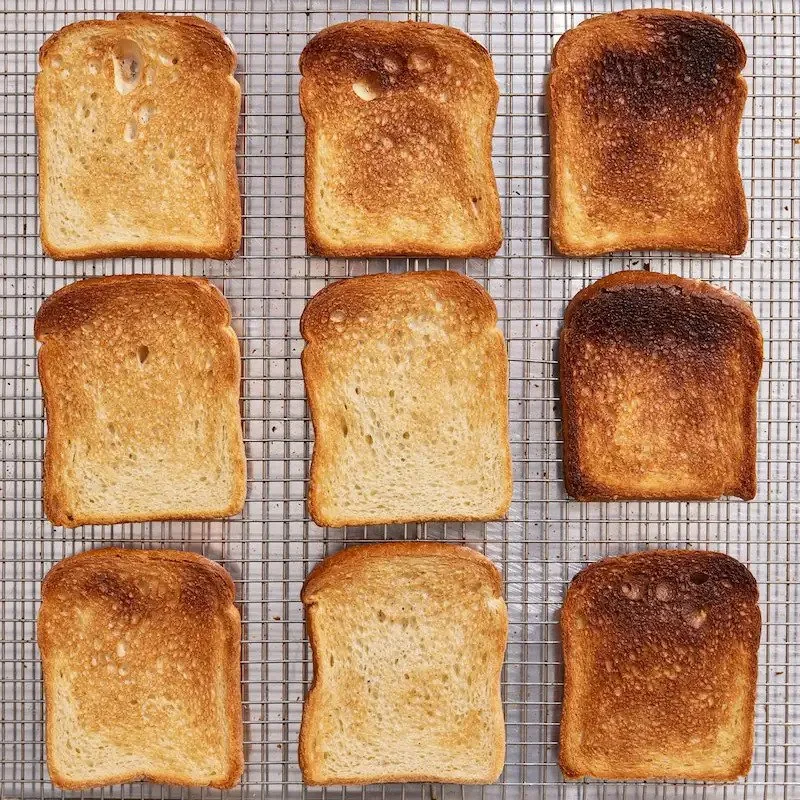
Run a simple test. Heat a tray or pan and place slices of bread across it to see where browning differs. That shows hot spots and tool problems.
Why is my soup hotter on top than bottom?
Heat rises, so the top may feel hotter. Strong convection or stirring eliminates cold pockets and evens the soup temperature.
Can crowding the pan cause why food uneven??
Yes. Crowding lowers the surface heat and traps steam, which stops browning and leads to uneven cooking.
Will a thermometer solve why food uneven??
A thermometer helps diagnose uneven cooking but won't fix gaps in technique. Use it with consistent cuts and proper heat management.
Is convection better for avoiding uneven food?
Convection helps by moving hot air around and reduces hot spots. It works well for many dishes, but check recipes for convection adjustments.
How often should I calibrate my oven to avoid uneven food?
Check oven temp every few months or after a power issue. A quick calibration test helps reduce odd hot spots and uneven baking.
Conclusion
Uneven food is rarely a mystery. It comes down to heat, size, and moisture, and can be fixed with simple steps. Test your tools, cut food evenly, use a thermometer, and manage crowding to get steady results.
Take one action today: test your oven or pan and standardize one cut size for a go-to recipe. Try these tips for one week and note the difference. If you found this useful, leave a comment or subscribe for more easy cooking tips.