Most microwaves are noisy because of the magnetron, cooling fan, motors, and loose parts.
I’ve fixed and tested dozens of microwaves, so I know why microwave noisy? This guide explains the common causes, how to tell normal sounds from trouble, and simple fixes you can try safely. Read on to learn practical steps to quiet your microwave and when to call a pro.
How microwaves make noise and where it comes from
Microwaves use electricity to generate heat. That process needs parts that spin, vibrate, and blow air. That motion makes sound.
The phrase why microwave noisy? points to several mechanical and electrical components. Each part has its own noise signature. Knowing these helps you diagnose the issue fast.

Common noisy parts and their sounds
Below are the main parts that make noise and what that noise usually means.
- Magnetron and high-voltage transformer
- Makes a steady hum or low buzzing. Strong electrical currents run here. Age or loose mounts increase sound.
- This is the core of microwave power and a common source of hum.
- Cooling fan and airflow vents
- Produces a continuous whoosh or rattle. Dust or misalignment makes it louder.
- Blocked vents force the fan to work harder and get noisy.
- Turntable motor and roller guide
- Clicks, whines, or grinding when the plate moves. A worn roller ring or uneven items amplify noise.
- Stirrer motor or waveguide stirrer
- Small motor that distributes microwaves. Makes a soft whirr or periodic clunk.
- Door latch and hinges
- Clicking when opening or closing. Loose latches vibrate during cooking.
- Capacitor or diode arcing
- Sharp pops or cracking sounds. These are electrical faults and need immediate attention.
- Loose screws and panels
- Vibrating panels or screws create intermittent rattles. Tightening often stops them.
When wondering why microwave noisy? check each part above, starting with the easiest fixes like the turntable and roller guide.
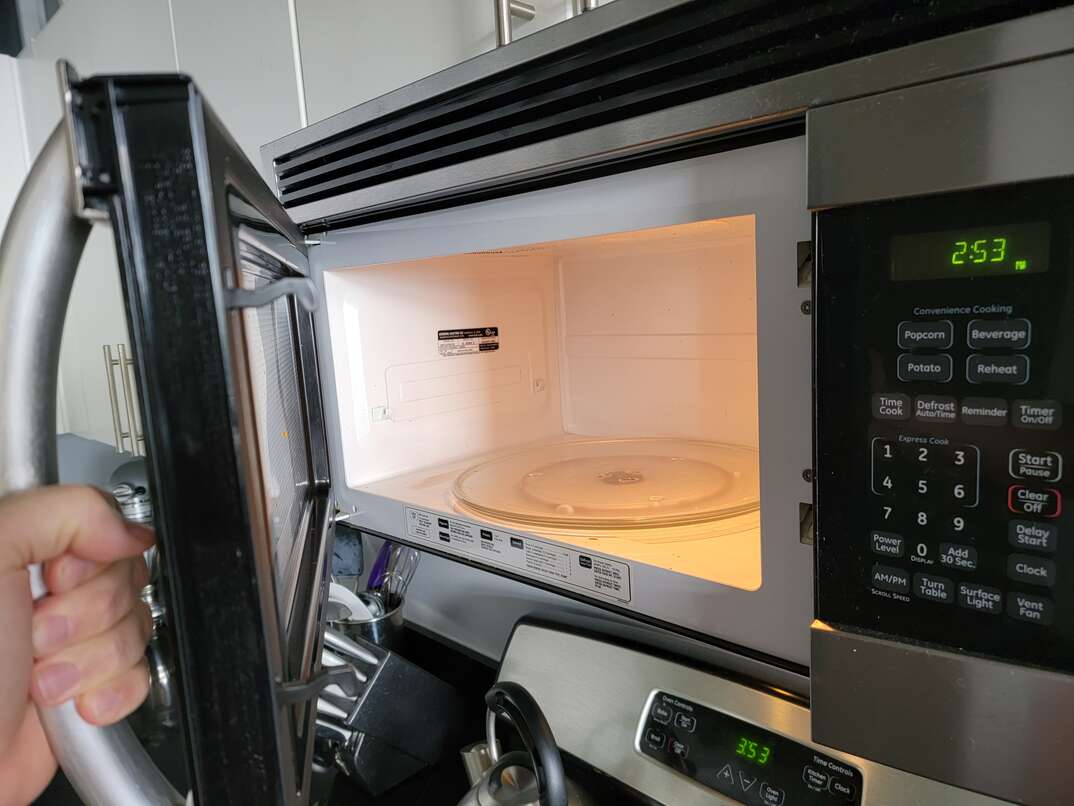
Normal vs abnormal microwave noise
Understanding normal noise saves time and avoids unnecessary repairs.
Normal sounds
- Low hum from the magnetron while running.
- Soft fan noise for cooling.
- Gentle turntable rotation.
Abnormal signs
- Loud grinding, screeching, or metallic rattles.
- Sharp popping that sounds electrical.
- Sudden changes in volume or new noises over time.
If you ask why microwave noisy? and hear pops or electrical sparks, stop using it and unplug it right away.

Troubleshooting and safe DIY fixes
Follow these steps in order. Unplug the microwave before attempting internal fixes.
- Basic checks
- Ensure the microwave sits level and on a stable surface.
- Remove food, test with a cup of water to reproduce the noise safely.
- Turntable and roller rule-out
- Remove the glass tray and roller ring. Clean crumbs. Spin the tray by hand to feel rough spots.
- Clean vents and fan area
- Vacuum dust from vents. Clean grease from exhaust areas. Dust often causes fan noise.
- Tighten panels and screws
- Gently tighten visible screws on the exterior and under the unit.
- Swap the roller ring or replace the turntable
* These parts are cheap and often solve rattles and grinding. - Check for arcing
- If you see sparks or hear crackles, stop and call a technician. Do not operate it.
I once ignored a subtle rattle. Tightening two screws and replacing a worn roller ring fixed it. That saved me a repair call.
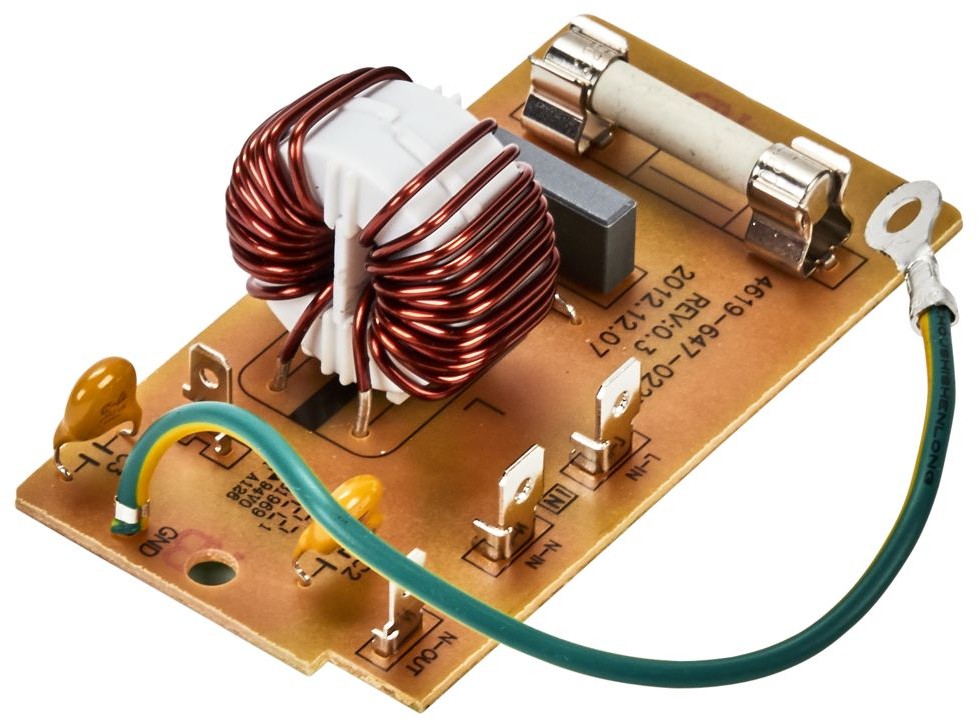
Ways to reduce microwave noise at home
If your microwave makes normal humming but you want it quieter, try these tips.
- Place anti-vibration mat under the microwave to absorb sound.
- Keep the microwave level using small shims under feet.
- Avoid metal containers and foil, which can cause sparks and noise.
- Clean vents and fan blades regularly to maintain smooth airflow.
- Replace the roller ring and glass tray if worn.
- Move the microwave away from cabinets that can resonate.
When you wonder why microwave noisy? these small steps often cut the perceived loudness.

When to call a professional
Some sounds mean it’s time to stop DIY and get help.
- Loud electrical popping or burning smell.
- Magnetron or transformer failures (expensive and dangerous).
- Internal arcing or visible sparks.
- Strange noises that persist after basic fixes.
Repairs involving the magnetron or high-voltage capacitor require an experienced technician. These parts store lethal charge even when unplugged. If you ask why microwave noisy? and suspect electrical faults, call a pro right away.

Maintenance tips and safety reminders
Regular care keeps your microwave quiet and safe.
- Clean the interior after spills to prevent arcing.
- Inspect door seals and hinges for damage.
- Replace parts with OEM or trusted aftermarket components.
- Keep the microwave ventilated; avoid enclosing it.
- Unplug before servicing and let a technician handle high-voltage parts.
From my experience, a quick monthly clean and a yearly check of the roller guide keep microwaves quieter for years.

Frequently Asked Questions of why microwave noisy?
Why is my microwave making a loud humming noise?
A loud hum often comes from the magnetron or transformer. It can be normal but loudness increases with age or loose mounts.
Can the fan cause tapping or rattling noises?
Yes. Dust, loose fan blades, or objects in the vent cause tapping or rattles. Cleaning and realignment usually fix it.
Is popping sound dangerous in a microwave?
Popping from food is normal, but electrical popping or sparks are dangerous. Unplug and get it checked if you hear electrical pops.
Will replacing the turntable stop most noises?
Replacing a worn turntable or roller ring fixes many grinding and rattling sounds. It’s an affordable first step.
How do I know if the magnetron is failing?
A failing magnetron makes loud hums, weak heating, or weird smells. It requires a technician for safe replacement.
Conclusion
Microwave noise often comes from the magnetron, fan, motors, or loose parts, but many issues are fixable with simple checks and cleaning. Use the troubleshooting steps, safety tips, and maintenance advice here to quiet your unit or decide when to call a repair tech. Try the basic fixes first, and if sounds persist or you suspect electrical faults, get professional help. Share your experience, ask questions below, or subscribe for more home appliance tips.