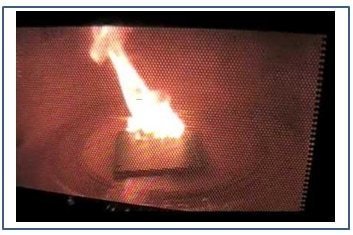
Most microwave sparks happen when metal or damaged parts create electric arcs inside the oven.
I’ve studied and fixed kitchen appliances for years, and I’ll walk you through exactly why microwave sparks? I’ll explain the science in plain words, share real repair and safety tips, and give clear steps you can use right now to stop sparks and avoid damage. Read on to learn the causes, solutions, and simple prevention tactics so you can use your microwave with confidence.
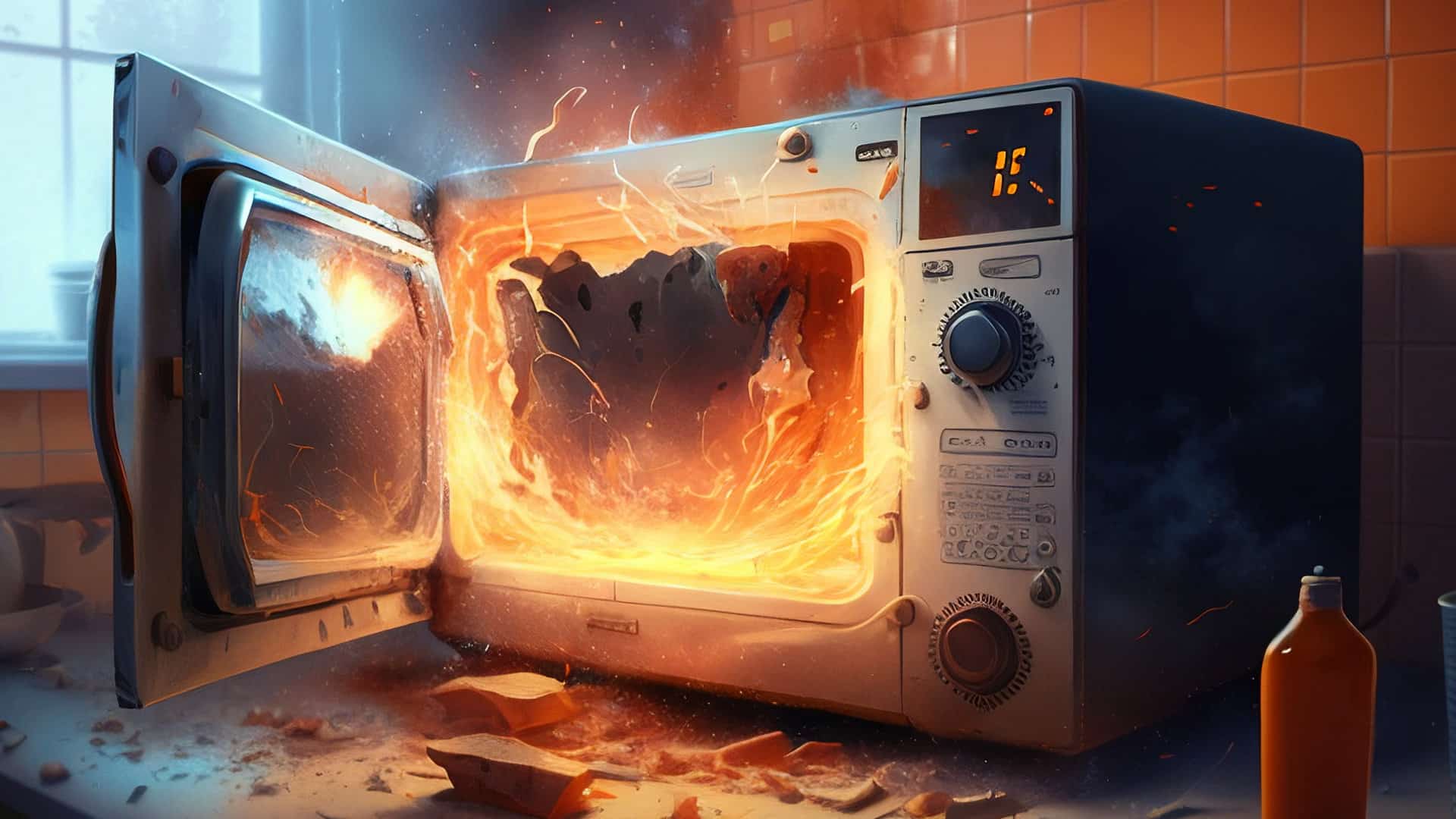
How microwaves work and why sparks happen
Microwaves use a component called a magnetron to make radio waves. Those waves bounce inside the oven and excite water molecules in food. That is how food heats quickly.
Sparks form when those radio waves meet conductors or damaged surfaces. Sharp metal edges, foil, or breaks in protective covers concentrate electric fields. That concentration creates tiny lightning inside the oven. When you ask why microwave sparks? the short science is: concentrated electric fields meet conductors and air ionizes, producing visible arcs.
Knowing this helps you spot risky items and avoid damage. Keep reading to learn common culprits and safe fixes.

Common causes of sparks in microwaves
Metal objects inside the oven
Small metal items like forks, spoons, or twist ties create currents. These currents jump across gaps and cause sparks.
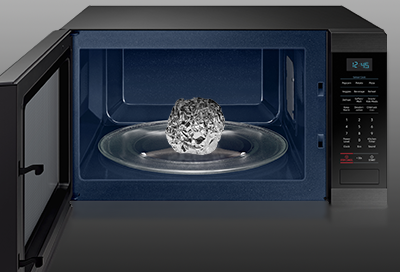
Aluminum foil and crinkled foil
Flat foil can be safe in some cases, but crinkled foil has sharp edges. Those edges concentrate fields and lead to arcing.
Metal trim on containers or plates
Some dishes have metallic paint or gilded rims. That metal can spark when microwaved.
Food with bones or high sugar content
Bones and dense sugar spots can focus energy and sometimes produce tiny sparks. This is rare but possible.
Damaged waveguide cover or interior coating
The waveguide cover and interior paint protect parts from microwave energy. If they are cracked, charred, or missing, sparks can happen.
Faulty or aging components
A failing magnetron, loose wiring, or bad capacitor can cause internal arcing. These problems often smell like burning or cause repeated sparks even with safe items.
When you think about why microwave sparks? remember both the object inside and the microwave’s condition matter.
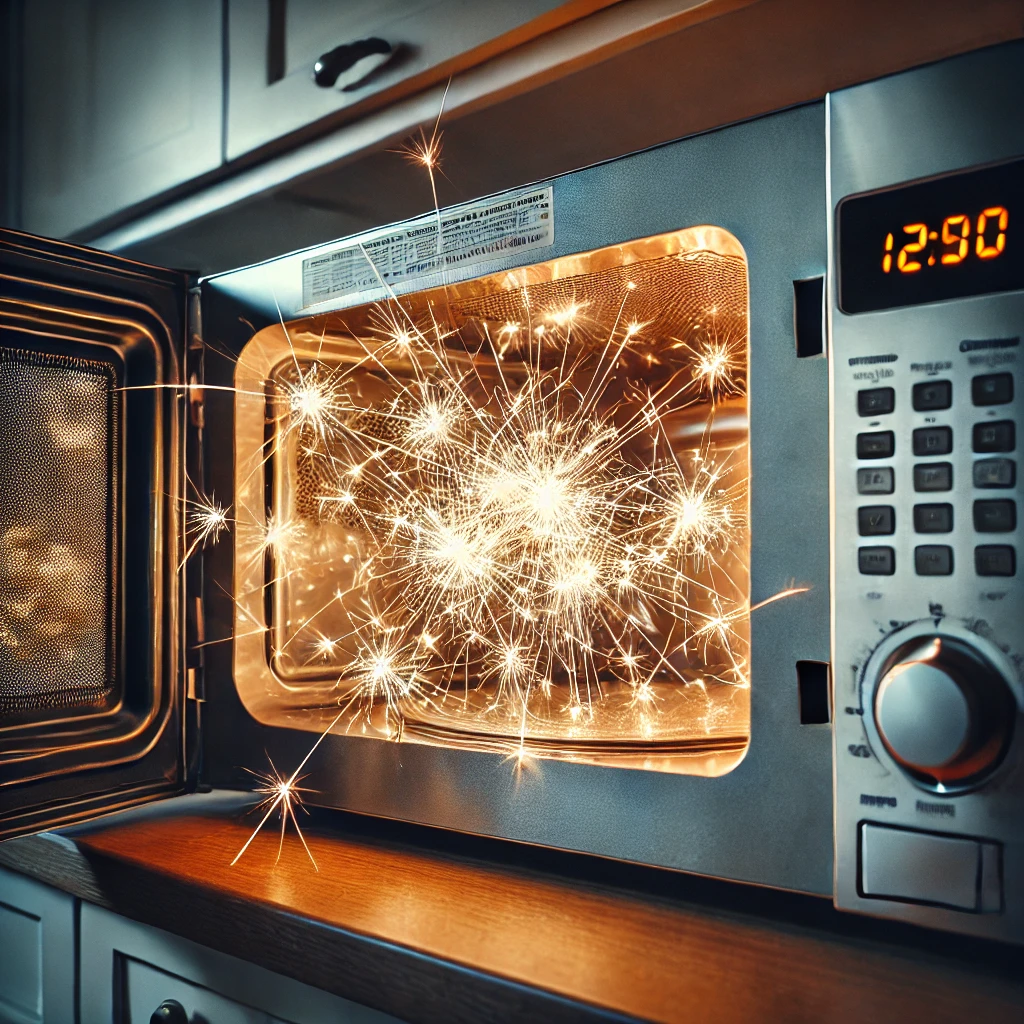
What to do right away if your microwave sparks
- Stop the microwave immediately by pressing cancel or opening the door. Sparks usually stop once the power is cut.
- Do not leave the oven on if sparking continues. Unplug the unit if safe to do so.
- Inspect the interior quickly. Look for metal pieces, foil, or burned spots. Avoid touching hot surfaces.
- If you see melted plastic or burning smell, ventilate the kitchen and consider stopping use until repaired.
These steps protect you and limit damage. If sparks recur, get professional help.

How to prevent sparks and use your microwave safely
- Only use microwave-safe glass, ceramic, and labeled plastic. Avoid items with metallic trim.
- Do not microwave utensils, foil, or containers with metal parts. Remove twist ties and staples.
- Smooth out large pieces of foil if you must use them and keep them flat against the food. Small crinkles raise risk.
- Inspect the interior regularly. Replace a damaged waveguide cover or flaking paint promptly.
- Clean spills and burnt food. Buildup can char and cause hot spots that spark.
- Use microwave-safe covers or lids to prevent splatter but avoid tight metal covers.
These habits answer why microwave sparks? by removing common triggers and keeping the oven in good condition.

Troubleshooting and when to call a professional
- Check common items first: Remove metal, foil, or suspect containers and try again. If no spark, the culprit was likely the object.
- Look for damage: Cracks, burn marks, or exposed insulation indicate repairs needed.
- Note noises and smells: A loud buzzing or burning smell often means internal electrical issues.
- If sparks come from the back or side or persist with an empty, safe cup of water inside, stop using the oven.
- Call a certified appliance technician when interior parts or electronics are involved. Repairs to magnetrons and high-voltage components can be dangerous.
Knowing when to call a pro saves you time and prevents unsafe DIY fixes. When you wonder why microwave sparks? persistent or internal sparks are reasons to get expert help.
Personal experience and lessons learned
Years ago I microwaved a bowl with a small fork left inside. The sparks were bright and loud. The oven still worked, but I learned to always check containers before starting.
Another time I ignored a small chip in the interior coating. Later the unit sparked repeatedly and the repair cost more than a careful inspection would have saved. From my experience:
- Always look inside before you start. It takes seconds and prevents sparks.
- Clean the oven often. A small cleanup avoids big damage.
- Treat older units with extra caution. Parts wear out and can cause sparks even with safe items.
These simple routines prevented repeat incidents and saved me money. They can help you avoid the same mistakes.

Frequently Asked Questions of why microwave sparks?
What is the most common reason why microwave sparks?
The most common reason is metal inside the oven, such as foil, utensils, or metallic trims. Sharp edges and small gaps cause electric arcs.
Can a microwave spark without metal inside?
Yes, a damaged interior, burned food spots, or failing electrical parts can cause sparks even with microwave-safe items. Persistent sparking with safe items suggests a need for repair.
Is it safe to keep using the microwave after a single spark?
If a single spark was caused by a metal item and stopping the oven fixed it, the microwave may be okay. If sparking recurs or you smell burning, stop using it and get it inspected.
Will sparks damage my microwave?
Sparks can damage the interior coating and the magnetron if they happen often. Small incidents may leave no harm, but repeated arcing shortens the oven’s lifespan.
How can I test if the microwave is safe to use after sparking?
Remove all metal and run the microwave with a cup of water for a short time. If no sparks, unusual noises, or smells occur, it’s likely okay. If issues persist, contact a technician.
Conclusion
Sparks in a microwave usually happen because metal or damaged parts create electric arcs. You can avoid most problems by removing metal, keeping the interior in good shape, and using only microwave-safe dishes. If sparks persist, stop using the oven and get professional help to prevent further damage or fire risk. Try the simple checks and cleaning tips shared here, and make a habit of scanning your dishes before use. If this guide helped you, subscribe for more practical appliance tips or leave a comment with your microwave question.