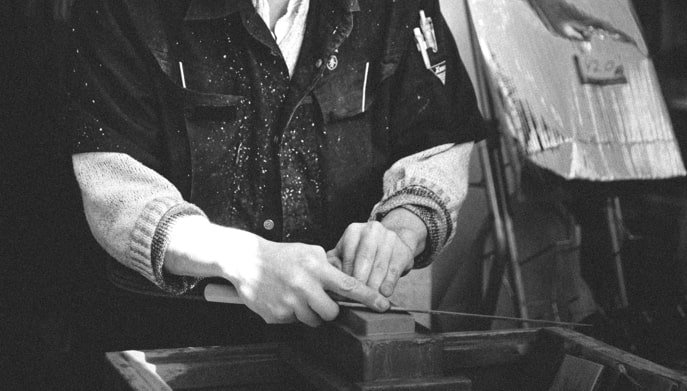
Years of heavy use and the right metals create a worn look but lasting function.
I’ve spent years in commercial kitchens and working with pros who swear by dented, stained pans. This article explains why restaurant pans look worn but still work great, breaking down materials, heat, cleaning, real-world care, and when a pan truly needs replacement. You’ll get expert-backed explanations, practical tips I learned on the line, and clear guidance so you can judge performance over appearance.
Why restaurant pans look worn but still work great
Commercial pans see constant heat, scrubbing, stacking, and transport. These repeated stresses cause scratches, color changes, dents, and a patina. Despite that worn appearance, the metals and construction that go into restaurant pans keep them functional and safe for years.
Restaurants prioritize durability and performance over polished looks. Thick metal resists warping. Simple finishes are easy to repair and tolerate heavy cleaning. That means a pan can look tired but still deliver even heat, hold shape, and resist corrosion. Understanding the physics and materials explains why restaurant pans look worn but still work great.
Materials and construction: built for function
The choice of metal and the pan’s gauge matter most. Stainless steel, aluminized steel, and carbon steel are common. Each metal responds differently to heat and wear.
- Resists rust and acids.
- Shows discoloration and water spots easily.
- Still conducts heat well when bonded to an aluminum core.
- Develops a dark seasoned patina over time.
- Scratches and color change are signs of seasoning, not damage.
- Becomes more nonstick with proper use.
Aluminized steel and heavy-gauge pans
- Combine strength with affordability.
- Can dent but rarely warp in normal use.
- Are easy to clean and inexpensive to replace in a worst-case.
Quality construction—thicker metal, riveted handles, welded seams—lets pans endure decades of service. That engineering is why restaurant pans look worn but still work great.
How wear can actually improve performance
Wear is not always damage. In many cases it improves utility.
Seasoning and patina
- Carbon steel seasoning builds a natural nonstick layer.
- A darkened interior often means better release and flavor development.
Surface roughening
- Small scratches increase surface area for browning.
- Heavier pans retain heat better, smoothing temperature swings.
Thermal memory
- Repeated heating and cooling stabilizes how a pan responds.
- Experienced chefs prefer “broken-in” pans because they heat predictably.
These effects explain why restaurant pans look worn but still work great. A seasoned pan can outperform a shiny new one in sear, release, and consistency.
Real-world care: cleaning, maintenance, and tips from the line
Practical care keeps worn pans working for years. From my experience on busy shifts, small routines make a big difference.
Daily care tips
- Rinse and soak immediately after service to loosen food.
- Use a deck brush or non-scratch scrub for stuck-on bits.
- Avoid constant harsh acid cleaners unless required for sanitizing.
Restoring and protecting
- Re-season carbon steel or recondition stainless discoloration with heat and oil.
- Use a metal polish sparingly if you need a cleaner look for service.
- Replace warped pans used for baking where surface flatness matters.
Storage and handling
- Stack with paper or cloth to prevent deep scratches.
- Always lift—don’t drag—heavy pans to avoid handle stress and edge damage.
Following these steps shows why restaurant pans look worn but still work great when cared for properly.
When to repair or replace a restaurant pan
Not all wear is harmless. Know the warning signs that performance or safety is compromised.
Replace when
- Holes, severe pitting, or thin spots appear.
- Nonstick coating flakes and contaminates food.
- A pan is badly warped and no longer cooks evenly.
Repair or recondition when
- Handles are loose but can be riveted or welded.
- Surface discoloration affects taste but not safety.
- Minor dents reduce capacity but not integrity.
Understanding the limit between cosmetic wear and functional failure helps explain why restaurant pans look worn but still work great until they don’t.
Energy, cost, and sustainability benefits of used pans
Buying high-quality pans and using them long-term saves money and reduces waste. Restaurants that keep pans in service cut replacement costs and material use.
Cost advantages
- A thicker, durable pan costs more up front but lasts far longer.
- Fewer replacements mean lower long-term expense.
Sustainability advantages
- Longer life reduces metal waste.
- Reconditioning and resale extend useful life and save resources.
These practical benefits help explain why restaurant pans look worn but still work great and remain an economical choice for pros.
Frequently Asked Questions of why restaurant pans look worn but still work great
Why do restaurant pans get that rainbow discoloration?
Rainbow or blue-tinted stains are heat tint from high temperatures and mineral deposits. They are cosmetic and usually do not affect performance or safety.
Are dents dangerous in restaurant pans?
Minor dents affect appearance and capacity but are rarely dangerous. Deep cracks, split seams, or severe warping require replacement.
Can I restore a very scratched stainless pan?
Light scratches can be buffed or cleaned; deep grooves are tough to remove. If scratches trap food, consider replacement or refinishing.
Is a seasoned carbon steel pan better than a nonstick for restaurants?
Seasoned carbon steel offers high-heat searing and durable natural release when cared for properly. Nonstick is useful for delicate foods but may not last as long under heavy use.
How often should restaurants replace pans?
Replacement frequency depends on use and care; many pans last several years to decades in commercial service. Replace when function, safety, or food quality is compromised.
Conclusion
Worn looks on restaurant pans are often signs of heavy use and proper utility, not failure. Understanding metals, seasoning, thermal behavior, and basic care reveals why restaurant pans look worn but still work great. Use this guide to judge function over appearance, maintain line gear, and choose durable pans that save money and reduce waste. Try the care tips above, test your pans for even heat, and share your experiences or questions below — I’d love to hear what’s lasted on your line.