Wooden utensils crack because of moisture shifts, uneven drying, weak grain, and rough care.
I’ve spent years testing wooden spoons, spatulas, and salad servers in real kitchens. I know exactly why wooden utensils crack and how to stop it. This guide explains the science, common mistakes, and simple fixes so your wooden tools last longer and perform better.

Main causes of why wooden utensils crack
Wood moves with moisture. When wood absorbs water it swells. When it dries it shrinks. Repeated swelling and shrinking cause stress that makes cracks form.
Other common causes include:
- Rapid moisture change that stresses grain
- Uneven drying from thick and thin sections
- Poor glue joints or loose laminates
- Harsh heat from dishwashers or stovetops
When you ask why wooden utensils crack, think of wood like a thin sponge. It breathes. If that breathing is forced or blocked, the wood will split.
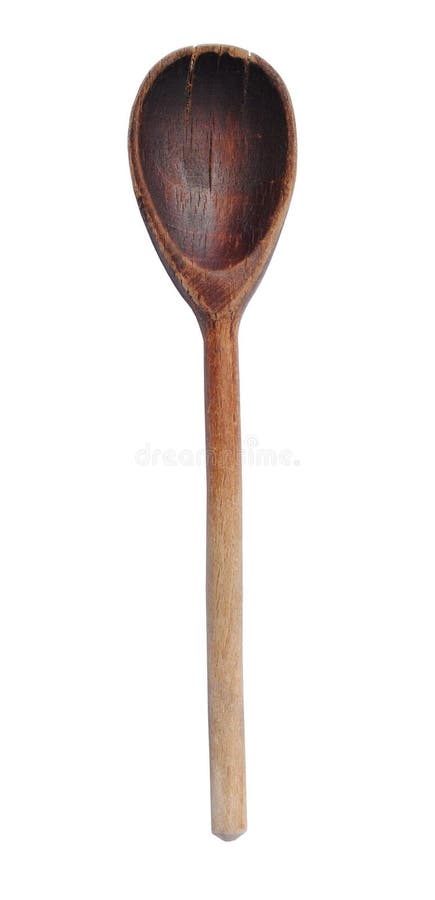
How wood type and grain affect cracking
Different woods behave differently. Hardwoods such as maple and beech are dense. They resist wear but can still crack if mistreated. Softer woods move more with moisture.
Grain matters a lot. Straight grain tends to be stable. Cross grain or knots concentrate stress and cause cracks. Laminated handles can be strong, but glued seams can fail if water gets in.
If you want to reduce why wooden utensils crack, choose stable woods and inspect grain before buying. I learned this after buying cheap utensils with wild grain. They cracked in months.

Role of moisture, temperature, and environment
Moisture is the main culprit behind why wooden utensils crack. Leaving a wet spoon in a sink or putting a wooden spatula in a dishwasher exposes it to fast moisture changes. High heat makes the wood lose moisture quickly, which leads to splitting.
Indoor humidity matters too. Wood stored in a dry room will shrink. Wood stored in a damp room will swell. Both conditions, when changing, increase the chance that wooden utensils crack.
Keep utensils out of direct sun and away from heaters. Treat wood with oil to create a moisture barrier and slow down rapid changes.

Manufacturing, finishes, and glue problems
How a utensil is made affects longevity. Poorly cured glue or thin finishes let water in. Thin finishes wear off fast and expose raw wood. Rough sanding leaves micro-tears that turn into cracks.
Mass-market utensils sometimes use fast-drying finishes that fail early. Hand-finished pieces often last longer because they get better sanding, oiling, and inspection. If you wonder why wooden utensils crack more on cheaper products, the answer is often manufacturing shortcuts.
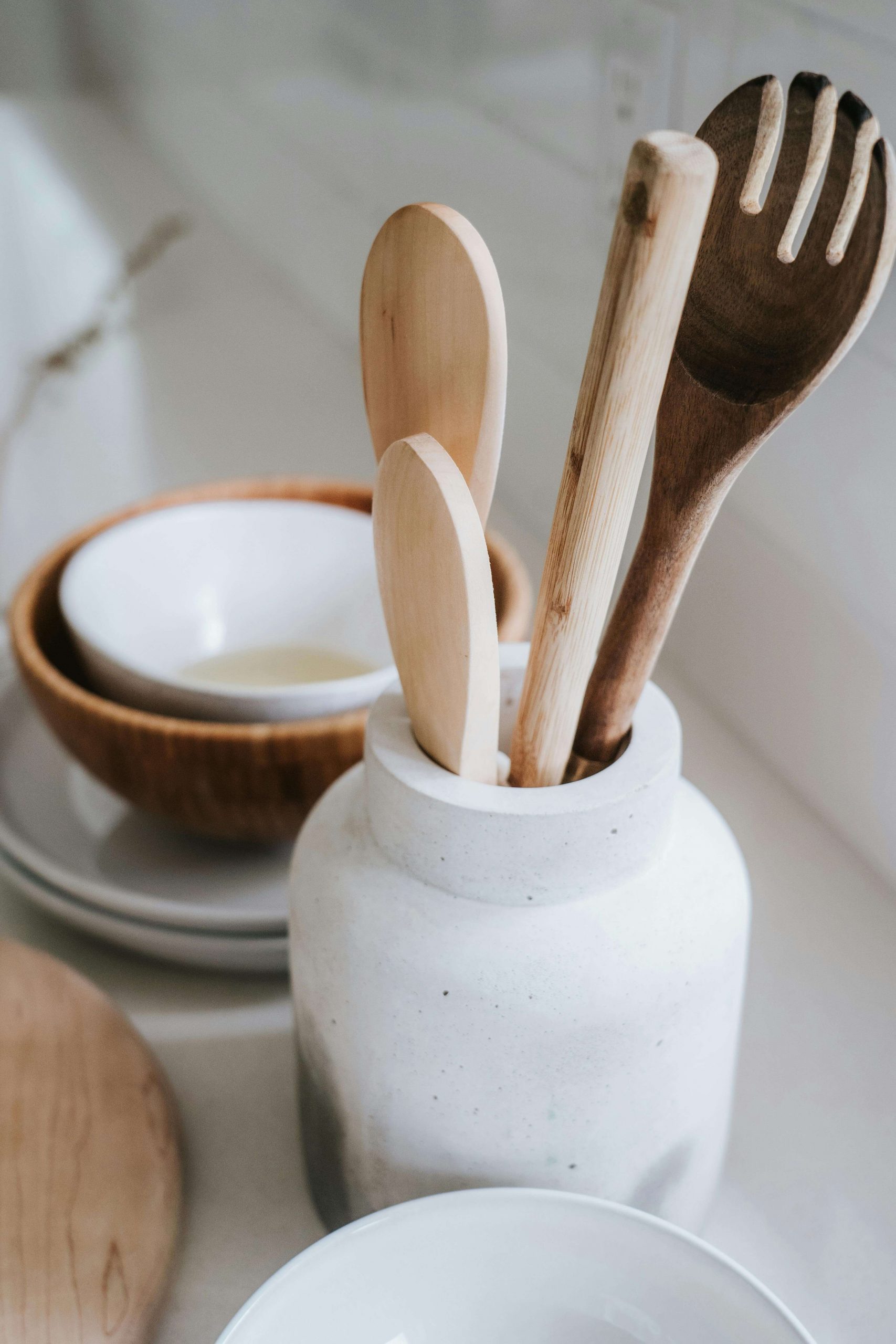
Care, prevention, and simple repairs
Good care prevents most cracking. Follow these steps to reduce why wooden utensils crack:
- Hand wash with mild soap and warm water, then dry immediately with a towel.
- Avoid soaking and never use a dishwasher.
- Oil utensils monthly with food-safe oils like mineral oil or walnut oil to replenish lost oils.
- Sand rough spots lightly and re-oil to remove small cracks before they grow.
- Store utensils in a dry, stable environment away from direct heat.
Repair small cracks with these quick fixes:
- Sand the crack smooth. Apply food-safe oil and let it soak for 24 hours.
- For deeper splits, use a food-safe wood glue, clamp gently, then sand and re-oil.
- If a handle is badly split, consider replacing the utensil for safety.
From my experience, a little regular oiling prevented more cracks than any other single habit. I once saved a beloved spoon by sanding and oiling before a fiddly split widened.

Frequently Asked Questions of why wooden utensils crack
Why do wooden utensils crack after the first wash?
Wood absorbs water and may swell unevenly after the first wash. If the finish was thin or the wood was stressed by heat, a crack can appear early.
Can oiling stop wooden utensils from cracking?
Oiling helps by adding a moisture barrier and keeping wood flexible. It won’t fix deep structural cracks, but it prevents many cracks from forming.
Is it safe to use cracked wooden utensils?
Small surface cracks are usually safe if clean and well-oiled. Big cracks can harbor bacteria and should be repaired or replaced.
Will putting wooden utensils in the dishwasher cause cracking?
Yes. High heat and hot water cycles cause rapid moisture changes and can make wooden utensils crack much faster.
Which wood type is least likely to crack?
Dense, straight-grained hardwoods like maple and beech are more stable. However, any wood can crack with poor care or big moisture swings.
Conclusion
Understanding why wooden utensils crack helps you prevent damage and extend the life of your kitchen tools. The main ideas are simple: choose stable wood, avoid rapid moisture and heat changes, and maintain utensils with regular oiling and gentle cleaning. Try a small care routine—hand wash, dry, and oil once a month—and you will see fewer cracks and longer use from your wooden utensils. Leave a comment with your own tips, or subscribe to get more practical care guides for kitchen gear.