Microwave Heating Cycles: How They Work And Troubleshooting
Microwave heating cycles are repeating on/off cycles controlling power to heat food efficiently.
I have spent years testing microwaves and teaching people how they work. This article gives a clear, practical, and expert guide to microwave heating cycles. You will learn what they are, how they change cooking results, and how to use them to get better meals and save energy. I mix lab-style explanations with hands-on tips I learned from real cooking tests.

What are microwave heating cycles?
Microwave heating cycles describe how a microwave delivers energy over time. Instead of a steady stream of power, many ovens turn the magnetron on and off or modulate power to reach lower heat settings. This pattern is often called a duty cycle or power cycling.
I use microwave heating cycles daily when I reheat meals. They affect texture, heating speed, and how even food cooks. Knowing how cycles work helps you avoid cold spots and overcooked edges.

How microwaves heat food: the simple science
Microwaves are radio waves that make water molecules and some fats vibrate. That vibration creates heat inside the food. Heat forms where water and polar molecules are present, so wet parts warm fast and dry parts warm slowly.
Microwave heating cycles change how long the waves run versus pause. Short bursts can allow heat to spread by conduction during rests. Long, steady power heats faster but can create hot spots and dry edges.
Types of microwave heating cycles and cooking modes
Microwaves use different cycles and modes to meet cooking needs. Common types include:
- Continuous high power
- Magnetron runs full time. Best for boiling water or fast heating.
- Pulsed or duty-cycle power
- Magnetron alternates on and off to reach low power settings. This is the basic form of most power levels.
- Inverter or variable power modulation
- Magnetron runs continuously but at lower power levels using electronics. This gives steadier, more even heat.
- Sensor cooking cycles
- Built-in humidity or temperature sensors adjust cycle length automatically.
- Defrost cycles
- Low-power pulses with longer rests to thaw without cooking edges.
- Combination cycles (grill + microwave or convection + microwave)
- Alternate microwave energy with grill or fan heating for browning or crisping.
Each mode uses a different pattern of on/off time or power modulation. Choosing the right mode matters for texture and speed.
How cycle length and power levels affect cooking
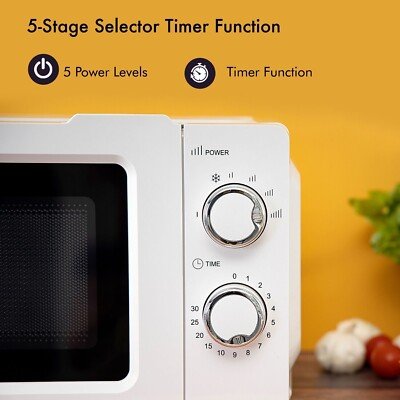
Cycle length and power determine average energy delivered. Average power equals high power multiplied by duty cycle percent. For example, 50% duty at 1000 W averages 500 W.
Short cycles and inverter power let heat move during rest periods. This reduces hotspots and gives more even heating. Long cycles or continuous power cook faster but can cause edges to dry and centers to stay cold.
Practical effects to expect:
- Faster heating with continuous high power, but more risk of unevenness.
- Gentler, more even results with pulsed or inverter cycles.
- Better thawing with low-power defrost cycles to avoid cooking outer layers.

Practical tips and my experience with microwave heating cycles
From years of kitchen testing, these tips work well. I often reheat casseroles at 50% power in short bursts. That keeps edges soft and warms the middle.
Try these steps:
- Stir or rotate food halfway through to reduce cold spots.
- Use power level 50% or inverter mode for reheating dense dishes.
- Cover food with a vented lid to hold steam and speed even heating.
- For defrosting, use the designated defrost cycle and check frequently.
A mistake I made early on was using high power to save time. The result was dried-out edges and uncooked centers. Switching to pulsed cycles improved texture every time.
Troubleshooting uneven heating and common problems
Uneven heating is the top complaint. Cold spots come from uneven microwave distribution and the food shape.
Fixes that helped me:
- Spread food into an even layer when possible.
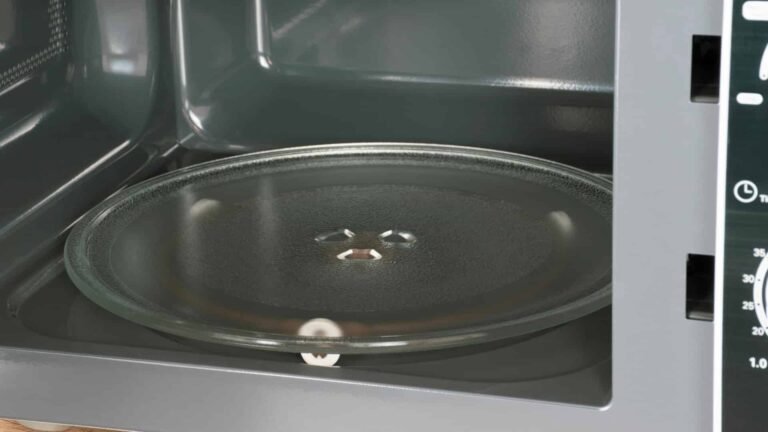
- Use a turntable or manually rotate dishes.
- Pierce skin-covered foods to let steam escape and prevent explosions.
- Stir and test temperature at several spots before serving.
If food overheats at edges, lower the power and use longer cook time. If the center stays cold, pause the cycle and let the residual heat equalize before finishing.
Energy efficiency and safety
Microwave heating cycles affect energy use. Short bursts let heat move between pulses and can be more efficient for certain foods. Inverter microwaves tend to be more energy-efficient for low-power tasks.
Safety basics:
- Microwaves are safe when intact and undamaged.
- Keep doors and seals clean. Do not operate with a warped door.
- Use microwave-safe containers only. Metal can cause sparks.
- Be cautious of superheated liquids. Let heated liquids sit briefly before removing.
I once overheated a sealed container. Steam release caused a mess. Lesson: always vent covers and use microwave-safe lids.
Advanced concepts: inverter vs transformer, PWM, and duty cycle math
Two common ways to change power are duty cycling and true power modulation.
- Duty cycle (classic method)
- Magnetron switches fully on and off. Example: 30-second on, 30-second off gives a 50% duty.
- Inverter/variable modulation
- Electronics reduce magnetron power smoothly. This avoids full on/off swings and gives steady low power.
- PWM and average power
- Pulse width modulation can describe how long pulses last relative to pauses. Average power = peak power × duty cycle.
Simple math example:
- 1000 W peak with 40% duty = 1000 × 0.4 = 400 W average.
Knowing this helps match recipes and timings across different ovens.
Frequently Asked Questions of microwave heating cycles
What is a duty cycle in a microwave?
A duty cycle is the fraction of time the microwave produces microwave energy. It controls average power by alternating on and off periods. Lower duty cycles give gentler heating.
How does inverter technology change heating cycles?
Inverter microwaves provide continuous low power rather than rapid on/off pulses. This yields steadier heat and often more even cooking. It is helpful for delicate reheating and defrosting.
Why does my food have cold spots with the same microwave cycle?
Cold spots result from uneven energy distribution and food geometry. Stirring, rotating, or using a different cycle can even out temperatures. Dense or layered foods often need additional stirring.
Can I use lower power to prevent overcooking with microwave heating cycles?
Yes. Lower power settings spread heat out more and reduce surface overheating. Use 30–50% power for delicate reheating and defrosting to avoid dry edges.
Do microwave heating cycles affect energy use?
Yes, the pattern of on/off time changes average energy consumption. Inverter models tend to be more efficient at low power. Using proper cycles for the task saves energy overall.
Conclusion
To wrap up, microwave heating cycles shape how energy reaches food. They affect speed, texture, and evenness. Understanding duty cycles, inverter modulation, and practical tips will help you cook better meals and avoid common mistakes.
Try changing power levels, stirring more, and using inverter or low-power cycles when reheating. Test a few settings with the same dish to find what works. If this guide helped, share your experience, subscribe for more tips, or leave a comment with your microwave questions.