Microwave Humidity Control: Smart Tips To Preserve Food
Microwave humidity control uses microwave sensing to measure and regulate moisture quickly and accurately.
I have worked with sensors and climate systems for years, testing microwave humidity control in labs and food plants. This guide explains how microwave humidity control works, where it helps most, and how you can use it with confidence. Read on for clear steps, practical tips, and real-world lessons I learned while installing and tuning systems.
What is microwave humidity control?
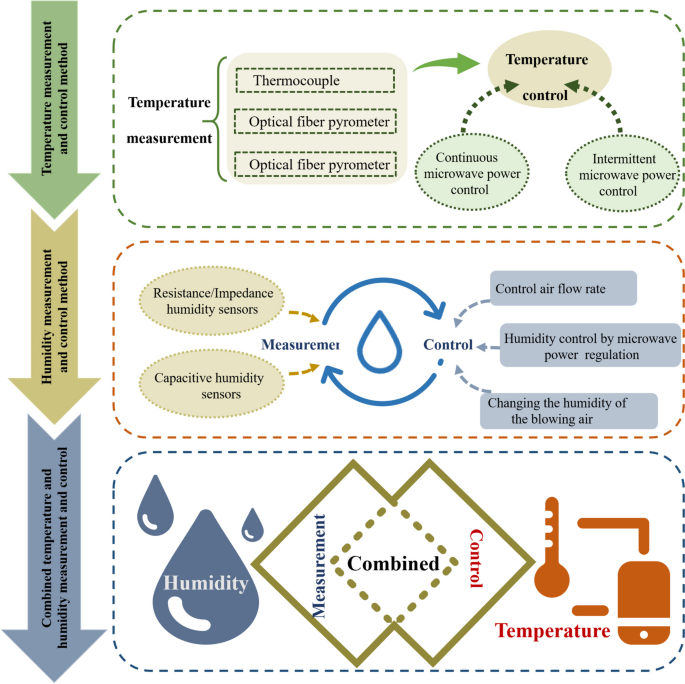
Microwave humidity control is a method that measures or adjusts moisture using microwave energy. It uses microwave sensors to detect water content in air, materials, or packaged goods. The data then feeds a controller that adjusts fans, heaters, or humidifiers to hit target humidity. Microwave humidity control is fast, non-contact, and often more accurate than simple humidity sensors.

How microwave humidity control works
Microwave humidity control relies on the way water absorbs microwave energy. Sensors send short microwave pulses into a space or product. The system reads changes in signal strength or phase. Those changes tell how much water is present. A controller uses that value to change airflow, heat, or steam. The whole loop runs in seconds for fast response. This makes microwave humidity control ideal where moisture changes quickly.

Benefits and common applications
Microwave humidity control offers clear gains in speed and accuracy. It can save energy and reduce waste. Common uses include:
- Food drying and baking where moisture must be exact to prevent spoilage.
- Industrial drying processes for paper, lumber, and textiles.
- Climate control in greenhouses and clean rooms to protect crops or products.
- Museum and archive environments to protect artifacts from moisture swings.
- Smart kitchen microwaves and ovens that sense steam to adjust cook time.
Each application benefits from the fast feedback and non-contact nature of microwave humidity control.
Key components of a microwave humidity control system
A typical system includes a few core parts:
- Microwave sensor that measures moisture or water content.
- Signal processor or transmitter that converts raw readings to humidity values.
- Controller (PID or PLC) that compares readings to targets.
- Actuators like fans, heaters, humidifiers, or dampers to change conditions.
- Interface for monitoring and tuning the control loop.
Good installation and wiring help the microwave humidity control system stay stable and reliable.

Installation, calibration, and tuning
Install sensors where they see representative air or product flow. Avoid direct steam plumes or hot surfaces. Calibrate sensors against known humidity or moisture standards. Use a simple two-point calibration when possible. Tune the controller with gentle gains first, then increase until you get a quick but stable response. Log results for a few days to confirm the microwave humidity control loop holds under real conditions.
Troubleshooting and maintenance
If readings drift, check for dirt or condensation on the sensor face. Verify wiring and grounding to avoid noise. Re-calibrate after major repairs or seasonal changes. If the system oscillates, reduce controller gains or add a small delay. I once fixed a jittery control loop by moving the sensor out of a turbulence zone; simple placement changes often solve big problems in microwave humidity control.
Design considerations and standards
When designing with microwave humidity control, consider:
- Measurement range and sensitivity needed for your product or space.
- Temperature compensation to keep readings accurate across temps.
- Safety and EMC standards for microwave emissions and electronics.
- Integration with building or process controls for coordinated action.
Plan for redundancy in critical environments. This reduces downtime and strengthens trust in microwave humidity control.
Cost, ROI, and energy impacts
Initial hardware costs for microwave sensors and controllers can be higher than basic sensors. The return comes from faster cycles, less scrap, and lower energy use. Track energy and product quality before and after installation. Many operators see payback in months to a few years. If you need tight moisture control, microwave humidity control often gives a strong return.
Personal experience and practical tips
I installed microwave humidity control on a food dryer. At first, the system over-corrected and made the product brittle. I learned to slow the controller and place the sensor where the product flow is steady. Keep spare sensors and document calibration steps. Small habits like that cut downtime. Trust but verify readings with a handheld meter during the first month.
Frequently Asked Questions of microwave humidity control
What is the main advantage of microwave humidity control?
Microwave humidity control gives fast, non-contact moisture readings. That speed helps systems respond quickly to changes and keep product quality steady.
Can microwave humidity control work in high-temperature environments?
Yes. Many microwave sensors handle high temperatures, but you must select sensors rated for your range and use temperature compensation for stable readings.
Is microwave humidity control safe for food and packaging?
When properly installed, microwave humidity control is safe. Sensors are non-contact and do not alter the food. Follow food-safety guidelines for mounting and hygiene.
How often should I calibrate a microwave humidity control sensor?
Calibrate on installation and then at regular intervals, such as monthly or quarterly. Calibrate more often if the environment is harsh or critical to product quality.
Will electromagnetic interference affect microwave humidity control?
EMI can affect readings. Use proper grounding, cable shielding, and follow installation spacing to reduce interference and keep the microwave humidity control stable.
Can microwave humidity control replace traditional hygrometers?
Not always. Microwave humidity control excels in fast, process settings. Traditional hygrometers can still be useful for room-level monitoring and redundancy.
Conclusion
Microwave humidity control is a fast, accurate way to measure and manage moisture. It fits food lines, industrial dryers, greenhouses, and smart appliances. Start with good sensor placement, careful calibration, and modest controller settings. Test, log, and tweak to get the best results. If moisture matters in your process, try microwave humidity control and track the gains; share your results or ask questions to learn faster.