Microwave Plate Size: Choose The Right Turntable Size
Most microwave plates range from 9 to 16 inches in diameter, depending on the model.
I have worked with kitchen appliances and measured dozens of microwaves. I know how microwave plate size affects fit, cooking, and safety. Read on for a clear, practical guide to choosing, measuring, and replacing the right microwave plate size for your oven.

Why microwave plate size matters
Microwave plate size affects how evenly food heats. A plate that is too small or too large will not rotate properly. Proper plate size also supports cookware and prevents damage to the turntable motor.

How microwave plate size is measured
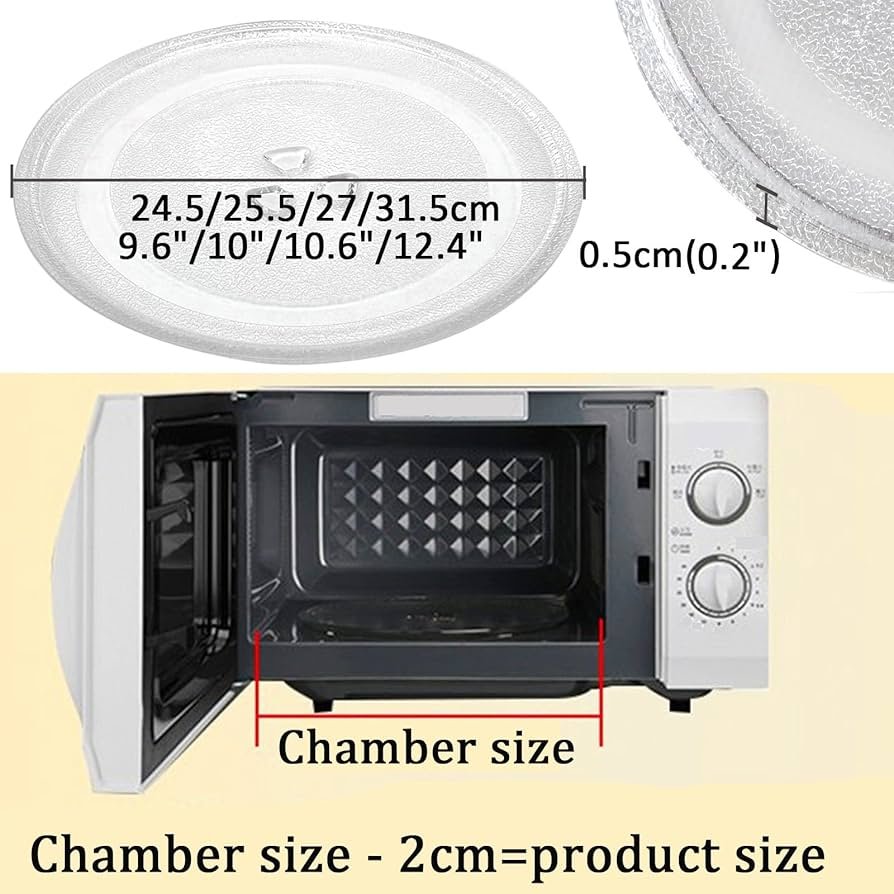
Microwave plate size refers to the diameter of the glass turntable. You measure across the center from edge to edge in inches or millimeters. Also measure the distance from the center hub to the edge if you need exact fit for couplers.
- Measure the diameter straight across the center for total size.
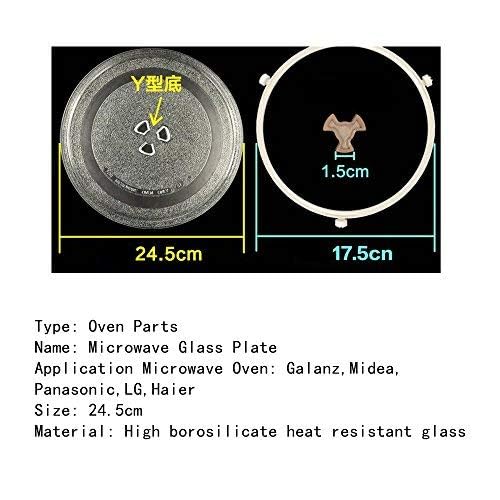
- Measure the center hub or coupler diameter for the connection.
- Check the cavity width and the clearance above the plate before buying a new plate.
Common microwave plate sizes
Manufacturers use a range of standard microwave plate sizes. Knowing these common sizes saves time when you shop for a replacement.
- 9 inches (about 230 mm) — Found in compact, countertop microwaves.
- 10.5 inches (about 267 mm) — Common in small to medium ovens.
- 11.5 inches (about 292 mm) — Popular in mid-size microwaves.
- 12 inches (about 305 mm) — Typical for many standard countertop ovens.
- 14 to 16 inches (about 355 to 406 mm) — Used in larger, built-in or commercial models.
Most replacement parts lists use the diameter in inches. Always double-check both the diameter and the center coupling size when you replace a microwave plate size.

How to choose the right microwave plate size
Choose a size that fits the cavity and leaves some clearance for rotation. A snug fit in the cavity can cause rubbing or breakage. Here are simple steps to pick the right microwave plate size.
- Measure the cavity width and height. Leave at least 1/2 inch clearance around the plate.
- Measure your current plate diameter and center hub size. This ensures the coupler matches.
- Consider the cookware you use. Larger plates are better for big dishes and family meals.
- Check the turntable support ring and roller assembly. They must match the plate diameter and weight.
Selecting the correct microwave plate size prevents wobble and noise. It also helps food heat evenly.
Compatibility, installation, and replacement tips
Fit matters beyond just diameter. The center coupler, roller ring, and support must match the microwave plate size and weight. Follow these quick tips for a smooth replacement.
- Inspect the coupler for wear before installing a new plate.
- Replace the roller ring if teeth or rollers are damaged.
- When installing, place the plate on the coupler so it seats evenly and rotates freely.
- If a plate wobbles slightly, make sure the ring sits in the correct track and that the plate is centered.
From personal experience, I once bought a 12-inch plate for a unit that required a 12.1-inch spec. The plate fit but scraped the cavity. I returned it and ordered an exact OEM diameter and the noise stopped immediately.

Maintenance and safety for microwave plate size
A well-chosen microwave plate size lasts with simple care. Clean the plate often to prevent food buildup and avoid sudden temperature changes which can crack glass.
- Wash the plate with warm, soapy water after spills.
- Avoid moving a hot plate directly to a cold surface to prevent thermal shock.
- Replace cracked or chipped plates right away; they can break during use.
- Use microwave-safe cookware that fits the plate and leaves room to rotate.
Safety also means matching the plate to the microwave’s weight limits. Heavy ceramic plates can strain the motor if the microwave plate size is not intended for that weight.
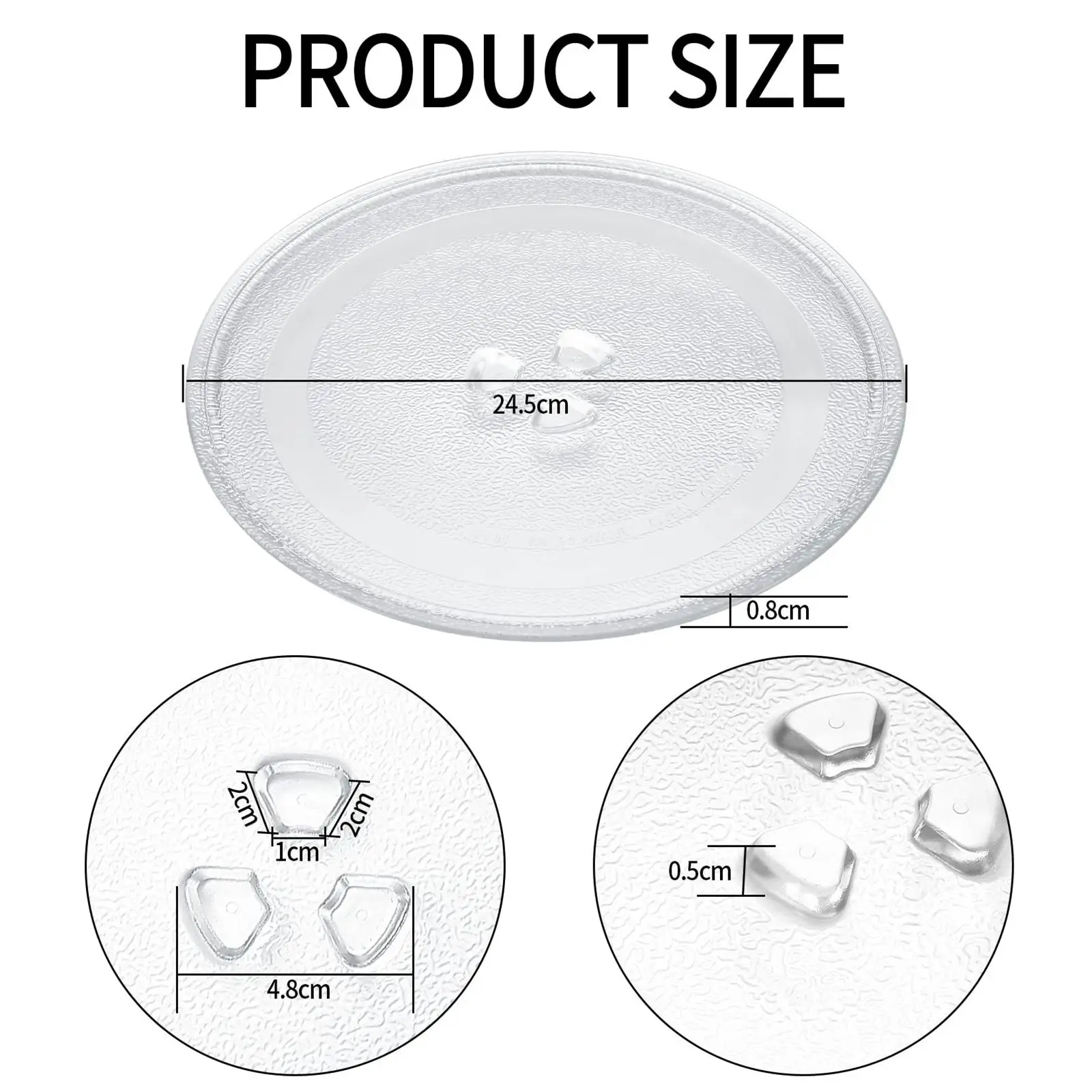
Buying guide and where to find replacements
When shopping for a replacement, focus on exact diameter, coupler fit, and thickness. You can choose OEM parts or universal plates, but measure carefully.
- Measure current plate diameter and coupler size before buying.
- Choose OEM if you want a guaranteed fit for your model.
- Consider universal plates when exact OEM is unavailable, but confirm return policies.
- Check thickness and edge profile; thicker plates resist cracks but weigh more.
Expect to pay a modest price for replacement plates. Keep receipts and confirm return windows in case the microwave plate size does not fit.

Troubleshooting common plate fit issues
If your new plate does not rotate or makes noise, check a few simple things first. Most problems are easy to fix.
- Wobble — Ensure the plate is centered on the coupler and the roller ring is seated.
- Noise — Inspect the coupler and motor for wear or debris.
- Non-rotation — Check that the coupler is engaged and the roller ring moves freely.
- Rubbing or scraping — Verify the plate diameter leaves adequate clearance in the cavity.
If problems persist, test the motor with a technician or order the correct microwave plate size from the manufacturer.

Frequently Asked Questions of microwave plate size
What is the standard microwave plate size for most countertop microwaves?
Most countertop microwaves use plates between 10.5 and 12 inches in diameter. This range fits typical home cookware and provides good rotation space.
Can I use a larger plate than my microwave recommends?
You should avoid plates that scrape the cavity or block rotation. A slightly larger plate may fit if there is clearance, but it can cause noise or motor strain.
How do I measure my microwave plate size accurately?
Measure across the center of the glass from edge to edge for diameter. Also measure the center coupler diameter and cavity clearance for best results.
Are universal replacement plates safe to use?
Universal plates can be safe if they match diameter and coupler size. Always check return policies and weight limits before use.
What causes a microwave plate to stop rotating after replacement?
Common causes include a worn coupler, misaligned roller ring, or debris in the track. Check these parts and ensure the new plate is properly seated.
How often should I replace my microwave plate?
Replace it when you see cracks, chips, or persistent wobble. Regular cleaning and inspection can extend its life, but damaged plates should be replaced promptly.
Conclusion
Choosing the right microwave plate size keeps your microwave running quietly and heats food evenly. Measure the diameter and coupler, leave room for rotation, and match the plate weight to your oven’s specs. Take action now: measure your current plate, compare with common sizes, and order the correct replacement if needed. Leave a comment with your model and measurements if you want help finding the right microwave plate size.