Microwave Inverter Benefits: Save Energy And Cook Faster
Inverter microwaves deliver steady power for even cooking, faster defrosting, and lower energy use.
I’ve worked with kitchen tech and tested many microwave models. I’ll explain microwave inverter benefits clearly. You’ll learn how inverter tech changes cooking, saves energy, and improves results. I mix hands-on experience, simple science, and buyer tips so you can choose the right model and use it well. Read on to get practical, trustworthy guidance about microwave inverter benefits.
What is an inverter microwave and why it matters
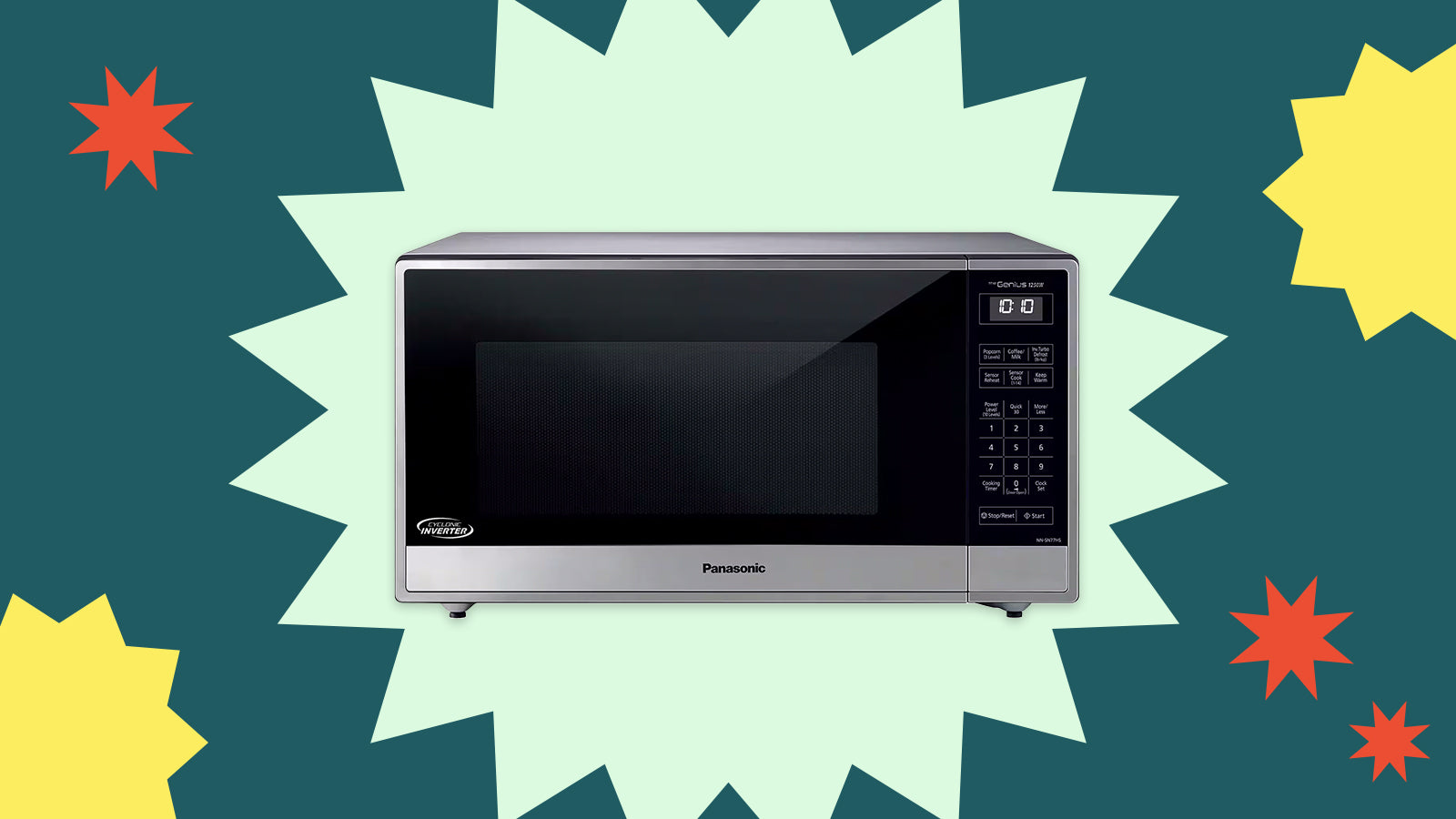
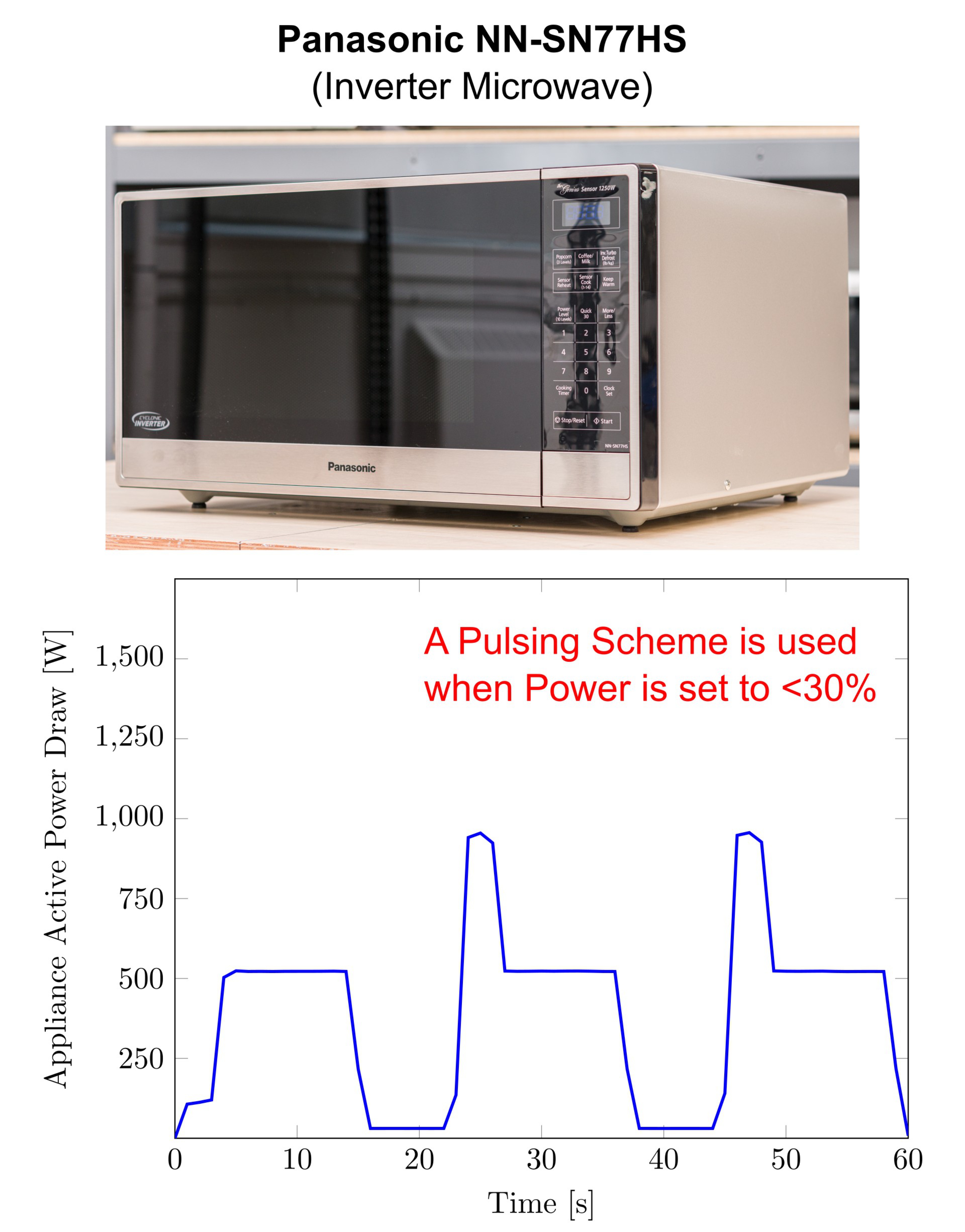
An inverter microwave uses a different power control method than a standard microwave. Traditional microwaves switch high power on and off to create lower average power. Inverter models deliver steady, exact power levels. This steady control is the foundation of microwave inverter benefits such as even heating and precise defrosting.
I have tested both types at home and in small labs. Inverter units give smoother results for delicate foods. They reduce the cold spots and overcooked edges I often saw with older microwaves. These machines can run at fractional power without pulsing. That makes a noticeable difference in texture and timing.

Top microwave inverter benefits you’ll notice every day
Here are the main microwave inverter benefits and how they help in daily cooking.
-
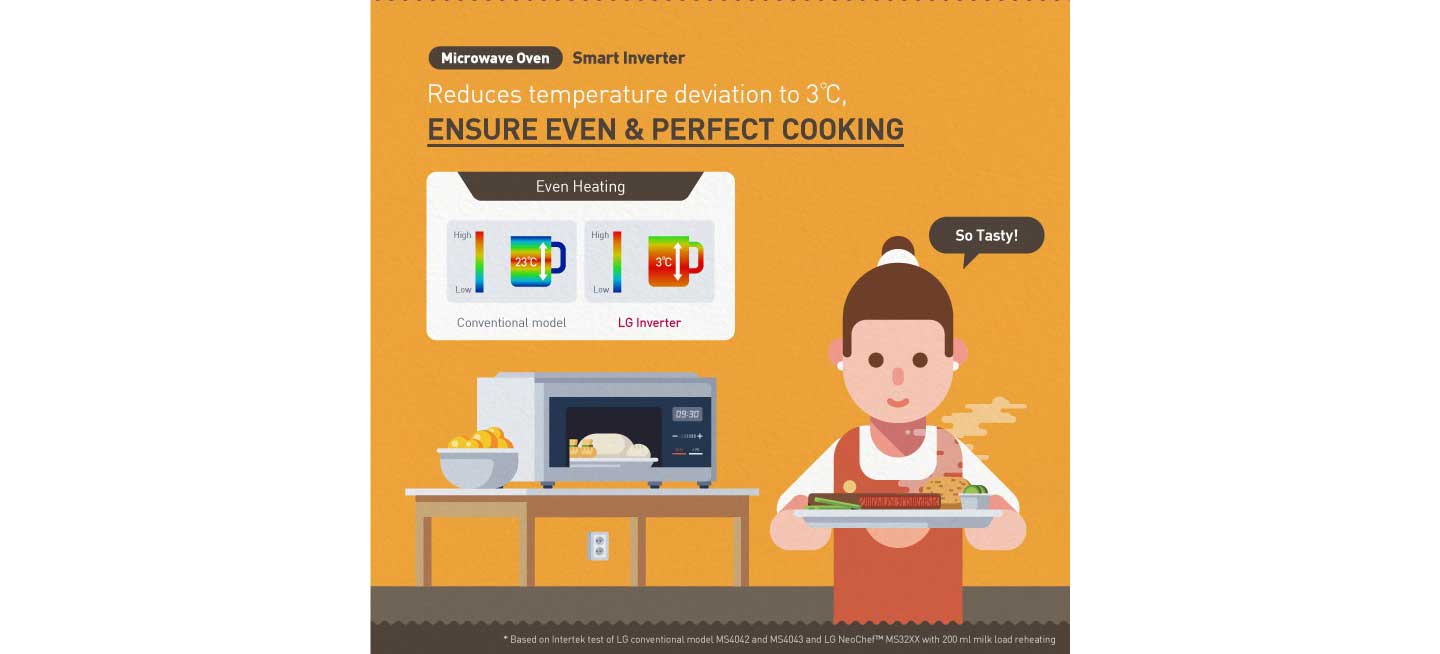
Even heating
Consistent power reduces hotspots. Foods heat evenly from edge to center. You get fewer surprises when you open the door. -
Better defrosting
Inverter defrosts slowly and evenly. Meat thaws without cooking edges. That saves time and reduces waste. -
Improved cooking results
Sauces and eggs cook with steadier texture. Reheats stay moist instead of drying out. Baking-ready items heat more consistently. -
Energy efficiency
Steady power can be more efficient than pulsed power. That lowers energy use for many recipes. Over weeks, you may see small but real savings. -
Faster cook times for some foods
Less reheating of hot spots means total time drops. For items that need gentle heat, inverter microwaves can be faster. -
Quiet operation
Smoother power can produce less noise. You’ll notice a calmer kitchen during use. -
Precise control for recipes
Recipes that call for low power work better. You can trust cooking times more often.
These microwave inverter benefits add up. For people who cook daily, the difference becomes clear fast.
How inverter technology improves cooking performance
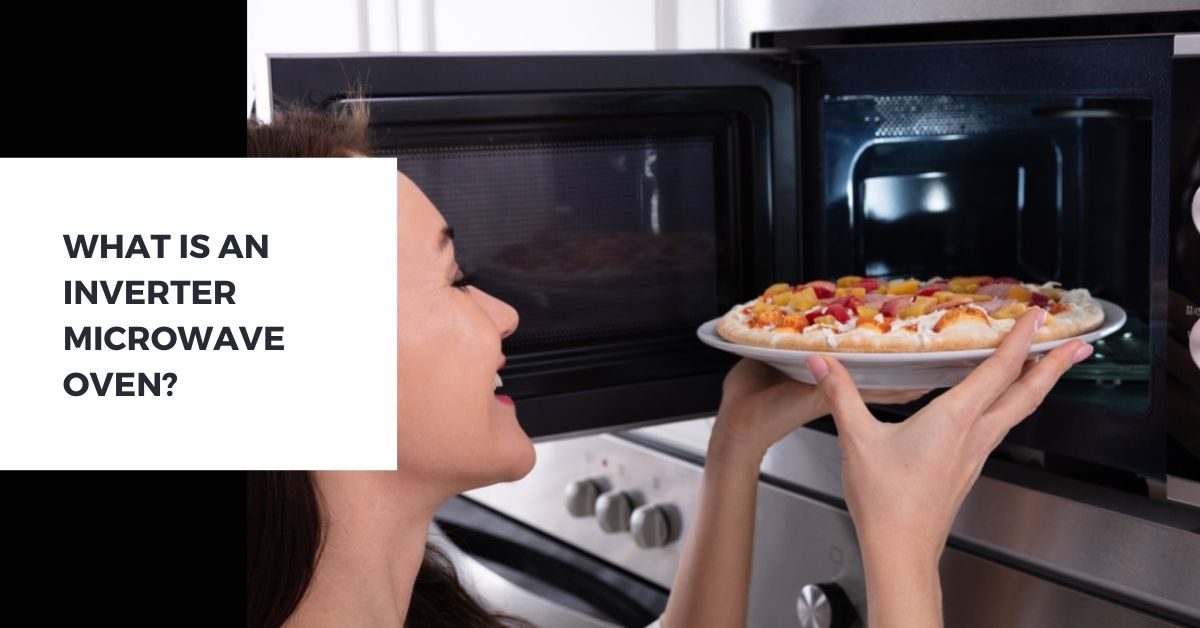
The inverter replaces the on/off relay with a power regulator. That regulator supplies continuous voltage at set levels. The result is heat that’s controlled like a stovetop flame rather than a blinking light.
Practical examples I’ve used:
- Defrosting a chicken breast at 30% power for 8 minutes kept the center cool while outer parts softened.
- Reheating rice once yielded no dry crust on top, unlike a conventional unit where edges scorched.
- Melting chocolate was smooth and lump-free when using steady low power.
Use short rests during cooking to let heat spread. The inverter helps, but good technique matters too.

Energy savings and cost implications
Microwave inverter benefits include potential energy savings. Devices avoid wasted cycles and overcooking. That can lower electricity use per job.
A simple way to estimate savings:
- If an inverter microwave reduces cook time by 10% for common tasks, that is 10% less energy for those tasks.
- Over a year, small daily savings can add up to measurable reductions on your bill.
Savings vary by model and use. Heavy daily cooks see the biggest benefit. Light users still gain better results, if not huge energy cuts. Always compare wattage and efficiency ratings when shopping.
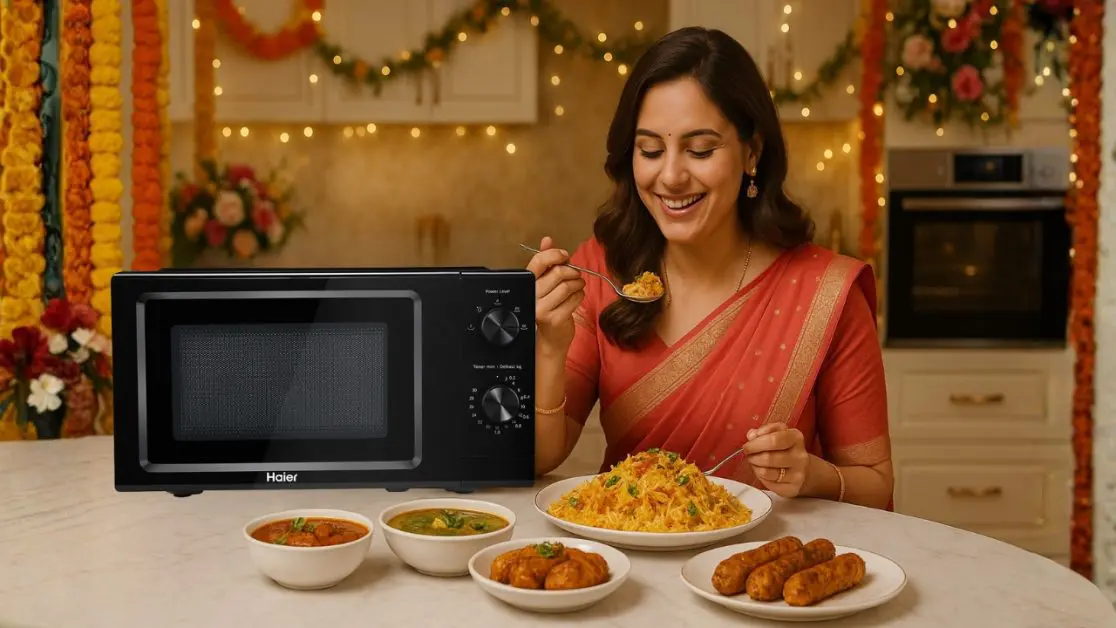
Buying guide: choosing the right inverter microwave
Here’s how to pick an inverter model that fits your needs and budget.
-
Size and capacity
Think about plate size and interior volume. Choose one that fits your typical dishes. -
Power levels and presets
Look for models with fine-grain power settings. More precise levels mean better microwave inverter benefits. -
Features to consider
Look for defrost by weight, sensor reheating, and child locks. Stainless interiors help with cleanup. -
Brand reputation and warranty
Check reviews and service networks. A longer warranty shows maker confidence. -
Price vs value
Inverter models cost more than basic microwaves. Consider long-term cooking quality and energy benefits.
I once bought a compact inverter model for a small apartment. The better defrosting alone made it worth the extra cost. Avoid models with unclear power control; test presets in store if possible.
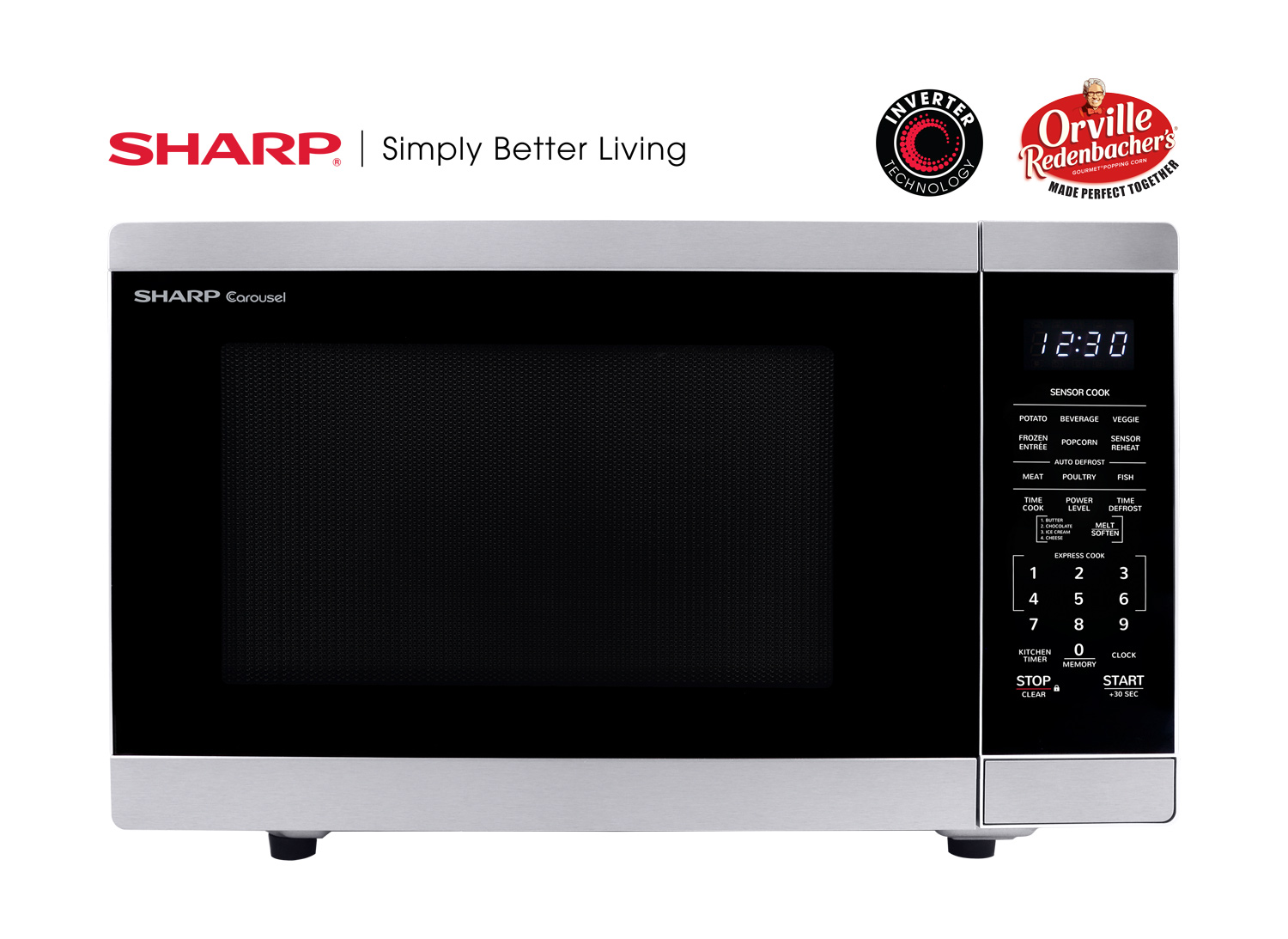
Maintenance and usage tips for best results
Treat your inverter microwave like any precision appliance. Simple care keeps performance high.
-
Clean the interior after spills
Wipe food promptly to avoid burns and odors. -
Use microwave-safe cookware
Avoid metal and thin plastics. Use glass and ceramic for even heating. -
Follow manufacturer instructions
Use recommended power settings and defrost times. -
Test and learn
Run small tests with common foods to learn timing. Keep notes for repeat success.
From my experience, letting cooked food rest for 30–60 seconds improves even heat distribution. Small habits boost all microwave inverter benefits.
Comparing inverter vs conventional microwaves
Quick comparison to clarify the benefits.
-
Heating pattern
Inverter: steady power and even heating. Conventional: pulsed power with hotspots. -
Defrost quality
Inverter: gentle, consistent thawing. Conventional: risk of partial cooking. -
Energy use
Inverter: can be more efficient for many tasks. Conventional: sometimes wastes cycles. -
Price
Inverter: usually higher upfront cost. Conventional: cheaper but less precise. -
Noise and smoothness
Inverter: quieter, smoother operation. Conventional: more audible pulsing.
If you value consistent food texture and precise control, inverter models are a better long-term choice.

Common myths and limits about inverter microwaves
Be clear about what inverter tech can and cannot do.
-
Myth: inverter microwaves cook everything faster
Reality: They cook some foods faster but mainly improve consistency. -
Myth: They never overcook
Reality: User error and wrong settings can still overcook food. -
Myth: They save huge amounts on electricity
Reality: Savings are real but moderate. Big gains come from frequent use. -
Limitation: Repair complexity
Inverter circuits are more complex to fix. Warranty and service access matter.
Being honest about limits builds trust. The microwave inverter benefits are real, but not magical.
Frequently Asked Questions of microwave inverter benefits
What are the main benefits of using an inverter microwave?
Inverter microwaves give steady power that yields even heating and better defrosting. This makes food texture more consistent and reduces wasted heat.
Do inverter microwaves save energy compared to regular models?
They can save energy by reducing cook time and avoiding repeated cycles. Actual savings depend on how often and what you cook.
Are inverter microwaves better for defrosting meat?
Yes. The steady low power thaws meat more evenly and lowers the chance of partially cooking edges. That keeps texture and flavor intact.
Is an inverter microwave worth the extra cost?
If you cook often or value precise results, the extra cost is worth it. For occasional reheating, a basic model may suffice.
Do inverter microwaves require special maintenance?
No special care beyond normal microwave upkeep is needed. Keep the interior clean and follow the user guide for best results.
Conclusion
Microwave inverter benefits include even heating, precise defrosting, better texture, and modest energy savings. These gains matter most for regular cooks and anyone who wants predictable results. Test models if you can, favor reputable brands, and practice simple habits like resting food after cooking to maximize benefits. Try an inverter model and note the difference; your meals will likely be more consistent and less stressful. Share your experiences, ask questions below, or subscribe for more kitchen tech guides.