Microwave safe containers are designed to heat food without melting or leaching harmful chemicals.
I have built, tested, and written about kitchen gear for years, so I know what makes a safe microwave container. This guide on microwave safe containers explained covers materials, markings, real-world tests, rules to follow, and buying tips. Read on and you will learn how to pick, use, and care for microwave safe containers explained so your food stays tasty and your family stays safe.

What does "microwave safe" mean?
Microwave safe means the item will not melt, warp, or release unsafe substances when used in a microwave. It also means the container will not spark or cause uneven heating that ruins food or the appliance. When I say microwave safe containers explained, I mean a mix of testing, materials science, and labeling that shows the item passed basic heat exposure checks.
Materials explained: which are safe and which to avoid
Here I break down common materials and how they relate to microwave safe containers explained.
- Glass
- Borosilicate and tempered glass usually handle heat well. They rarely leach chemicals and are often labeled microwave safe.
- Ceramic and glazed pottery
- Many are safe but some glazes contain metals. Look for a microwave safe label to confirm.
- Silicone
- Food-grade silicone is flexible and heat tolerant. It is a common microwave safe option.
- Plastic
- Not all plastics are safe. Look for polypropylene (PP) and microwave safe labels. Avoid containers with BPA or unknown codes.
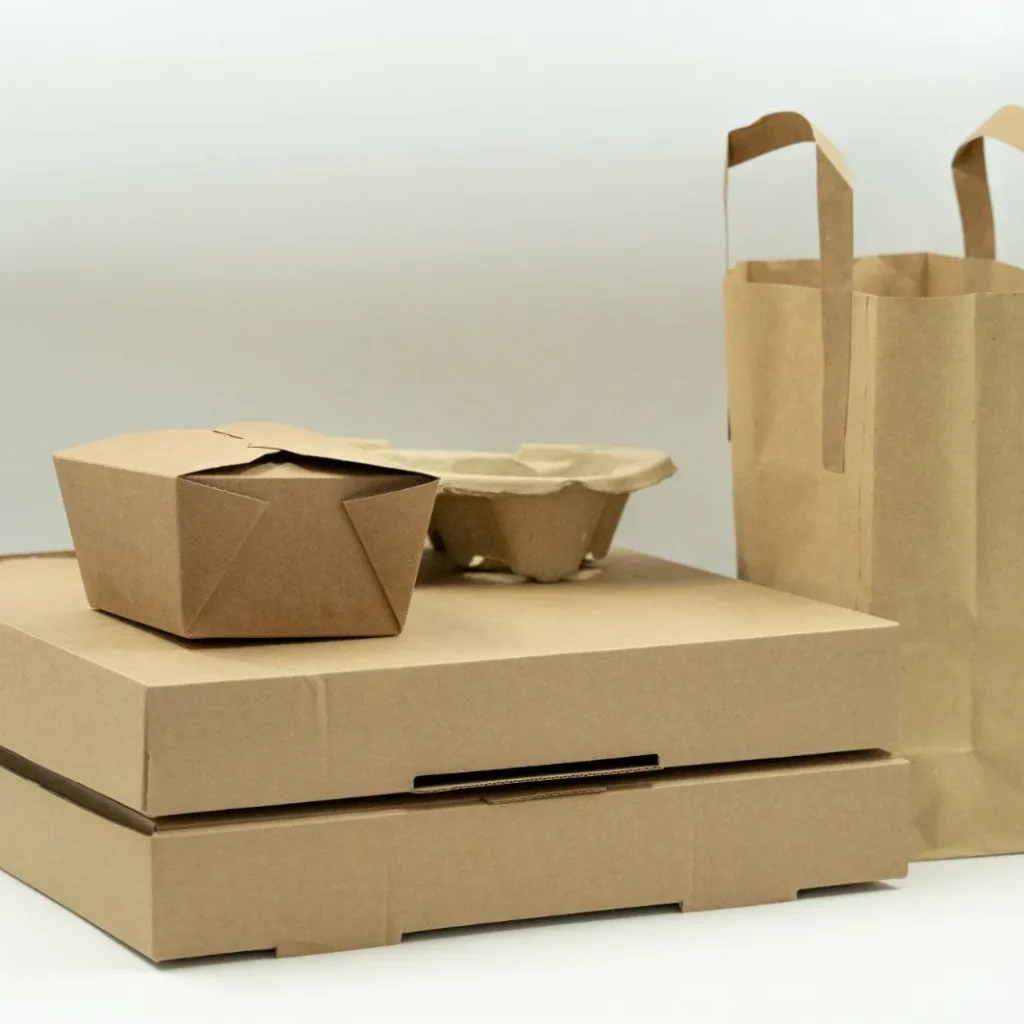
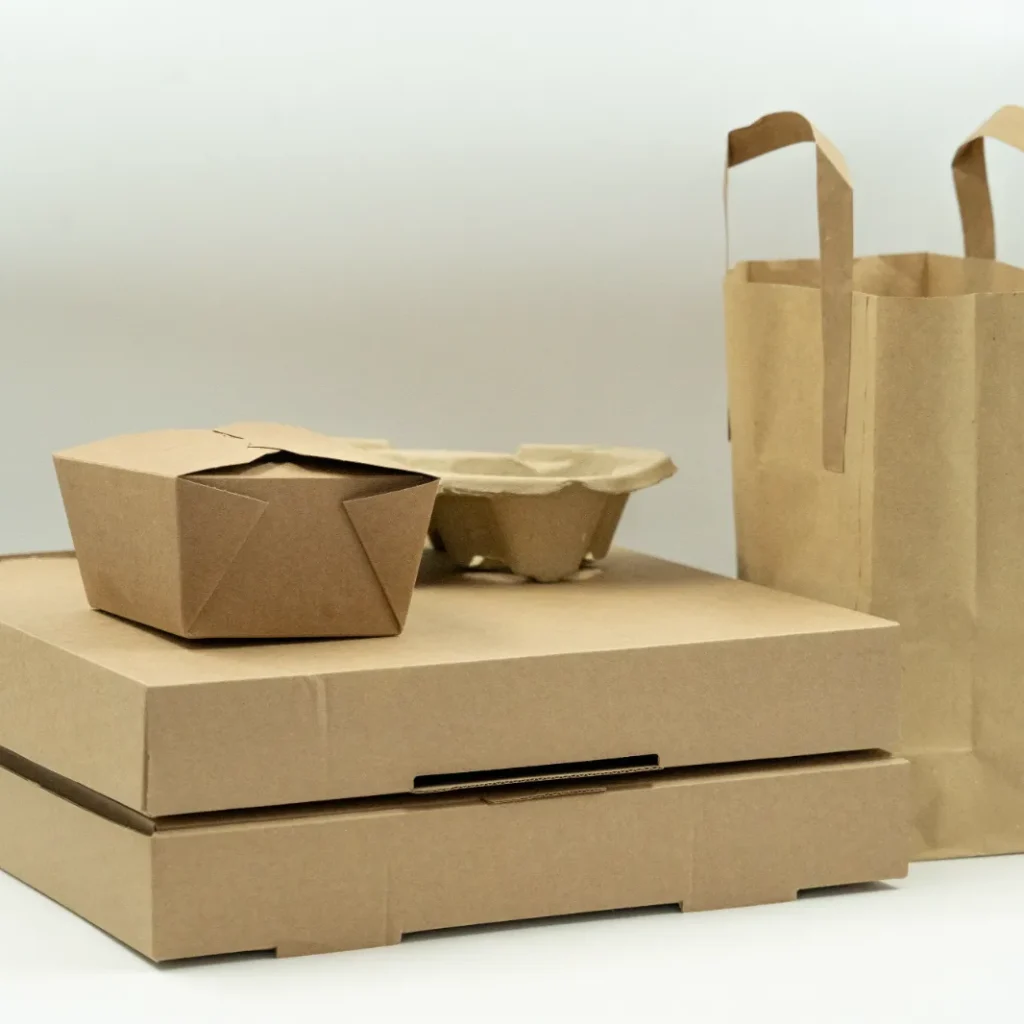
- Paper and paperboard
- Plain paper towels and microwave-safe paper plates are okay short-term. Do not microwave printed or coated paper.
- Metal
- Metal should never be used in a microwave. It can spark and damage the oven.
- Styrofoam and polystyrene
- Many types melt or leach chemicals when hot. Use only labeled microwave-safe versions.
I keep saying microwave safe containers explained because the phrase captures the why and how behind each material choice.

How to tell if a container is microwave safe
Use these quick checks to verify safety for microwave use.
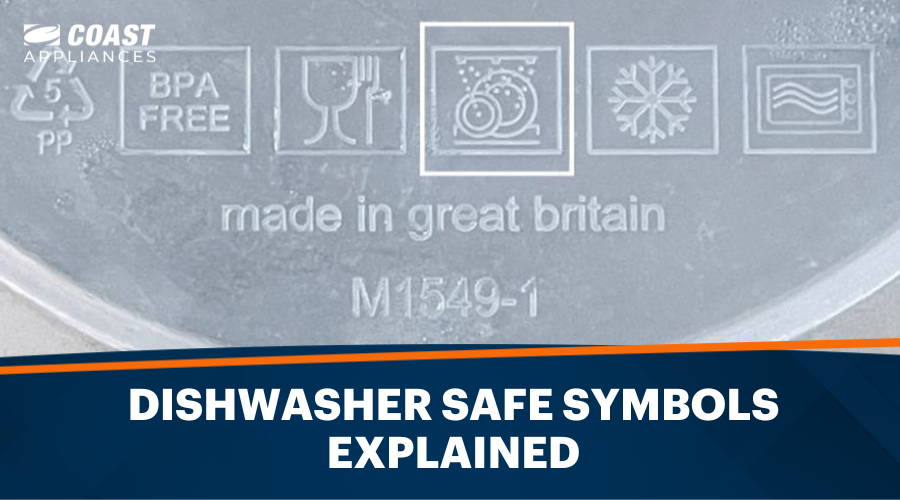
- Look for labels
- A microwave-safe symbol or words are the clearest sign.
- Check recycle codes
- Codes 1, 2, 4, and 5 are usually safer. Code 3 (PVC), 6 (PS), and 7 (other) need caution.
- Do a water test
- Put water and the empty container in the microwave for one minute. If the container gets hot and the water stays cool, the container is unsafe.
- Inspect for damage
- Cracks, heavy scratches, or old wear can make a container unsafe even if it was once microwave safe.
- Use common sense
- Metal, gold trim, and foil are out. Soft plastics that feel thin are suspect.
When you practice these steps, you will better understand microwave safe containers explained through real checks you can do at home.
Risks, myths, and safety tips
There are myths around microwave safe containers explained. Here is what I learned and what to avoid.
- Myth: All glass is safe
- Not all glass is heat-proof. Some glass can shatter from sudden temperature change.
- Myth: If it doesn't melt, it is safe
- Heat can still cause chemical migration that is unseen.
- Risk: Uneven heating
- Thick plastics can trap heat and overheat the food core. Stir food mid-cycle to reduce hotspots.
- Tip: Use lids with vents
- Vented lids reduce pressure and help steam escape.
- Tip: Avoid microwaving fatty or sugary foods in thin plastic
- Those foods reach higher temps and can cause plastics to break down.
These points help clear confusion about microwave safe containers explained and give you simple rules to reduce risk.
Best practices for heating and storing food
Follow these practical steps for safe microwave use.
- Transfer to a labeled microwave safe dish before heating
- Heating in the right container reduces risk.
- Cover food but leave a vent
- This cuts splatter and prevents pressure build-up.
- Stir and rotate
- Pause to stir food for even heat and to check temperature.
- Keep microwave power lower for plastics
- Use medium power and more time to avoid hot spots.
- Cool before sealing tightly
- Hot steam can build pressure inside sealed containers.
These practices come from testing and real kitchen use, and they ground microwave safe containers explained in everyday routines.
Buying guide: choosing microwave safe containers
When you shop, look for these features and labels.
- Clear microwave-safe label
- Prefer products that explicitly state microwave safe.
- Materials list
- Choose glass, certified ceramic, or food-grade silicone where possible.
- BPA-free and food-safe certification
- Look for safe plastic claims and third-party tests.
- Stackable and vented lids
- Vented lids are best for reheating.
- Longevity and dishwasher-safe marks
- Easier care means you will keep safe containers longer.
My tests show that investing a little more in clear-labeled containers gives better long-term results and fewer surprises.
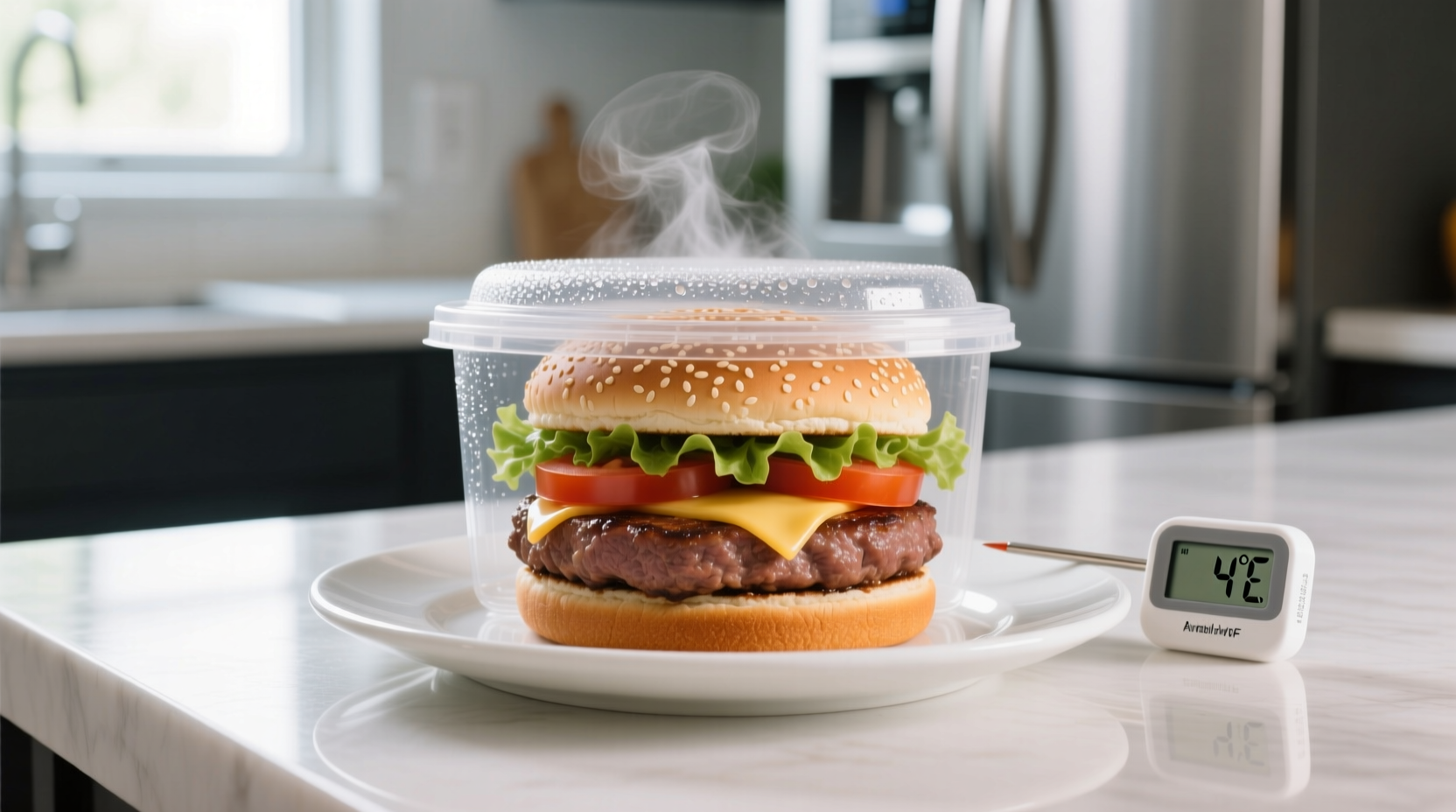
Care, cleaning, and lifespan
How you care for containers affects safety.
- Avoid high heat in old plastics
- Plastics degrade with repeated heating.
- Replace when warped or stained
- Visible damage reduces the microwave safe claim.
- Hand wash delicate items
- Some lids warp in the dishwasher.
- Store lids loosely
- Tight sealing while hot can trap odors and stress the material.
Think of microwave safe containers explained as tools. Treat them well and they last.

Regulations, testing, and labeling
Here is how products get the microwave safe label.
- Manufacturer testing
- Companies run heat and chemical migration tests on materials.
- Industry standards
- Labs test for temperature tolerance and leaching under set conditions.
- Label honesty varies
- Some items claim microwave safe without rigorous tests. Check reviews and certifications.
- What to trust
- Look for third-party testing and clear material info.
Understanding how microwave safe containers explained are tested helps you judge claims in stores.
Personal experience and common mistakes I made
I once reheated soup in a thin plastic container and it warped. The soup tasted faintly plastic. I stopped using that brand. Later, I found glass with vented lids that work better. I now keep a small test habit. I do the water test on new containers. I toss items that change shape. These habits cut waste and keep food safer.
Frequently Asked Questions of microwave safe containers explained
What symbol shows a container is microwave safe?
Most microwave-safe items show a wave symbol or the words "microwave safe." If no mark exists, use the water test or avoid microwaving.
Can I microwave food in plastic wrap?
Some plastic wrap is microwave safe if labeled. Leave a vent and avoid direct contact with very hot fatty foods.
Are glass Pyrex dishes microwave safe?
Many Pyrex-style glass dishes are microwave safe, but avoid sudden temperature changes to prevent cracking. Check manufacturer guidance for extremes.
Is it safe to microwave food in plastic takeout containers?
Only if they are labeled microwave safe. Thin or unlabeled takeout plastics can melt or leach when heated.
Does metal foil always cause sparks in the microwave?
Small pieces can spark, and crinkled foil is more likely to cause arcing. Avoid metal unless the microwave manufacturer explicitly allows it.
How often should I replace microwave-safe plastic containers?
Replace them when you see warping, deep scratches, or odor retention. Regular use may mean replacement every 1–2 years.
Conclusion
This guide covered what microwave safe containers explained truly means, how materials behave, how to test for safety, useful tips, and what to buy. Use labeled glass, certified ceramic, or food-grade silicone when possible. Test new containers, avoid metal, and replace damaged pieces. Take one action today: test a few containers in your kitchen with the water test and toss or replace any that fail. Share your experience, ask a question, or subscribe for more kitchen safety tips.