Microwave Steam Buildup: Causes, Prevention, Fixes
Microwave steam buildup forms when trapped moisture heats and creates pressure, fog, and soggy food quickly.
I have worked on kitchen appliance guides and tested dozens of microwaves. I know how microwave steam buildup affects food, appliance life, and safety. This article explains what causes steam to gather inside your microwave, how that buildup can harm your food and oven, and clear steps to stop it. Read on for practical tips, real-life examples, and simple fixes you can use today.

What is microwave steam buildup?
Microwave steam buildup is the collection of hot moisture inside the oven cavity. Water in food and containers turns to steam as they heat. The steam then pools on the ceiling, walls, door, and lids. That moisture can drip back onto food or parts of the oven. Over time, it can affect heating performance and cause odors.
I have seen steam cause persistent smells in a microwave after a few weeks of heavy use. The steam stuck to vents and seals and made the oven feel damp when opened. That experience taught me to solve steam early with small routines.

Why microwave steam buildup happens
Steam forms any time water turns to vapor. In a microwave, this happens fast. Common causes include:
- High-water foods: Soup, rice, vegetables, and sauces release a lot of steam.
- Covered containers: Lids and plastic wrap trap steam and force it to condense inside.
- No venting: Tight containers or sealed bowls keep steam from escaping.
- Uneven heating: Cold spots and hot spots change how steam moves, causing pockets of buildup.
- Faulty seals or clogged vents: These stop normal air flow and let moisture linger.
When you cook without vents, steam cannot move out. That leads to more condensation and a wet cavity.

Risks and damage from steam buildup
Steam seems harmless. But it can do real damage over time.
- Corrosion: Metal parts and the interior can corrode from constant moisture.
- Odors: Steam carries food oils. These cling to surfaces and create smells.
- Poor performance: Moisture can affect the magnetron vents and sensors. That reduces heating efficiency.
- Electrical issues: In extreme cases, moisture near electronics may raise the risk of short circuits.
- Soggy food: Steam falling back makes crusts soft and meals limp.
A simple rule I learned: fix steam early. Small fixes prevent bigger repairs.

How to prevent microwave steam buildup
Prevention is easy and often free. Try these steps.
- Vent regularly: Remove lids or peel wrap away a little to let steam escape.
- Use microwave-safe vents: Buy microwave covers with steam vents.
- Short bursts: Heat in short intervals and stir to let steam out.
- Tilt lids: If you use a plate or cover, set it at an angle to keep a gap for steam flow.
- Dry the cavity: Wipe the oven after heavy use to remove moisture.
- Keep vents clean: Clear any food bits from vents and exhaust paths.
- Use a small weight: Press down ventilated covers gently so steam can move but splatter is reduced.
I often heat rice in 60-second pulses and stir. That built-in venting keeps steam low and food fluffy.

Cleaning and maintenance to reduce steam issues
A clean microwave keeps steam from causing trouble. Do these tasks weekly or after messy use.
- Wipe surfaces: Use a damp cloth to dry walls and ceiling after cooking.
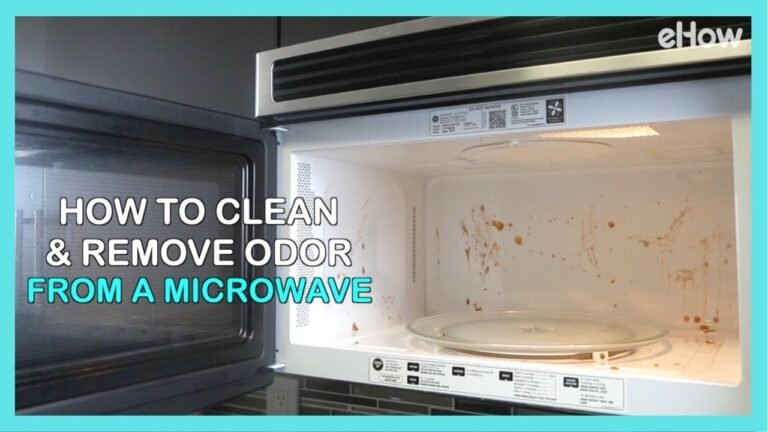
- Steam-clean safely: Heat a bowl of water with lemon or vinegar for 1–3 minutes. Let it sit, then wipe.
- Check seals: Inspect the door seal for cracks or stains. Clean around it to keep it tight.
- Clean vents: Remove debris from vents and fan openings using a soft brush.
- Replace damaged parts: If seals or covers are worn, replace them to stop leaks and trap moisture.
When I cleaned vents regularly, the oven’s smell and heating returned to normal. Neglect makes the problem repeat.
Troubleshooting common microwave steam buildup problems
If steam still builds up, try these steps in order.
- Confirm you have a vent gap.
- Test removal of cover on one item to see if steam lessens.
- Run the oven empty for 30–60 seconds to dry the cavity (do not run empty for long).
- Inspect door seal for damage and clean it.
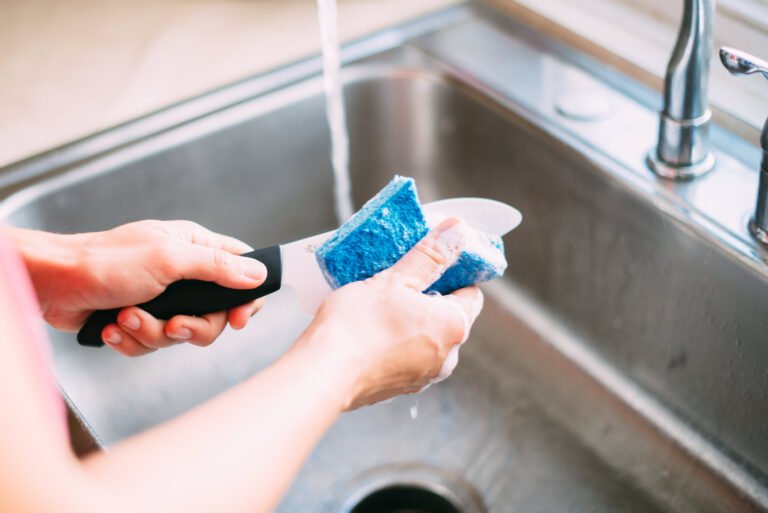
- If smells persist, do a deep clean with warm, soapy water and a vinegar or baking soda rinse.
If moisture seems to affect controls or you hear odd noises, stop using the oven and get a professional check. Safety matters when moisture reaches electronics.

Design tips when buying to reduce steam buildup
Choose a microwave that fights steam naturally.
- Look for vents: Models with good vent design move steam out faster.
- Choose easy-clean interiors: Smooth enamel is easier to wipe dry.
- Consider sensor cook: Sensors reduce overcooking and excess steam.
- Check door seal quality: A good seal keeps steam moving correctly through vents, not around edges.
When I helped a friend pick a microwave, choosing a model with strong vents made a big difference. Steam and odors dropped noticeably.
Simple recipes and habits to reduce steam generation
Change how you heat food to create less steam.
- Cover with vented lids: Use microwave covers with holes or vents.
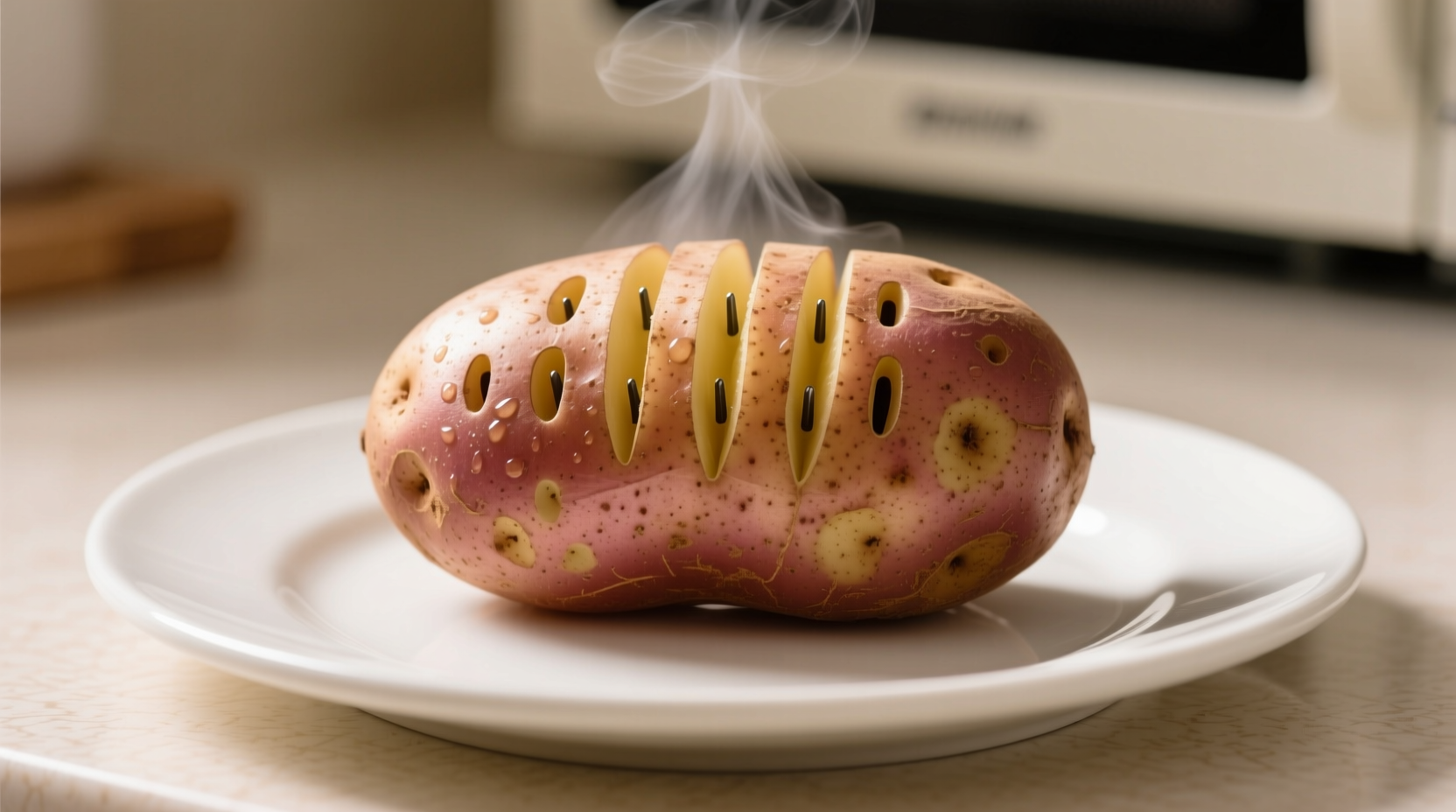
- Pierce thin-skinned items: Pierce potatoes or sausages to let steam escape as they heat.
- Add a paper towel: A single towel on top absorbs some moisture and reduces splatter.
- Lower power: Use 70–80% power to heat gently rather than boil water violently.
- Stir and rest: Stir in the middle and let food sit for a minute or two before removing cover.
These small habits cut steam and keep food texture better.

Frequently Asked Questions of microwave steam buildup
What is the quickest way to stop steam inside my microwave?
Open the door carefully and lift the lid or wrap slightly to vent. Wipe any visible moisture with a clean cloth.
Can steam damage my microwave electronics?
Moisture near vents or seals can reach sensitive parts and cause problems over time. If you see condensation near controls, have it checked.
Is it safe to run a microwave empty to dry it?
Running it empty for a short time, like 30–60 seconds, can help dry the cavity. Do not run it long without something inside, as it can harm the oven.
How often should I clean my microwave to prevent steam problems?
Wipe the cavity after heavy use and do a deeper clean weekly if you cook often. Regular cleaning stops lingering moisture and smells.
Will covering food always increase steam buildup?
Covers trap steam if they seal tightly. Use vented covers or leave a small gap to prevent excess buildup.
Conclusion
Microwave steam buildup is common but manageable. Understand why steam forms, use vented covers, clean often, and change simple habits while heating. These steps protect food texture, stop odors, and keep the oven working well. Try one tip today—vent your next meal, wipe the cavity, or lower power—and see the difference. If this guide helped, leave a comment or subscribe for more appliance tips and practical kitchen advice.