Flatbed Microwave Vs Turntable: Which Is Better?
Flatbed microwaves heat more evenly and fit bigger dishes, while turntable models stay cheaper and simpler.
I have tested and used both styles in real kitchens for years. I know the strengths and limits of flatbed microwave vs turntable setups. This guide breaks down how each works, how they perform, and which one fits your life and budget. Read on for clear comparisons, hands-on tips, and buying advice to help you choose with confidence.

What is a flatbed microwave vs turntable?
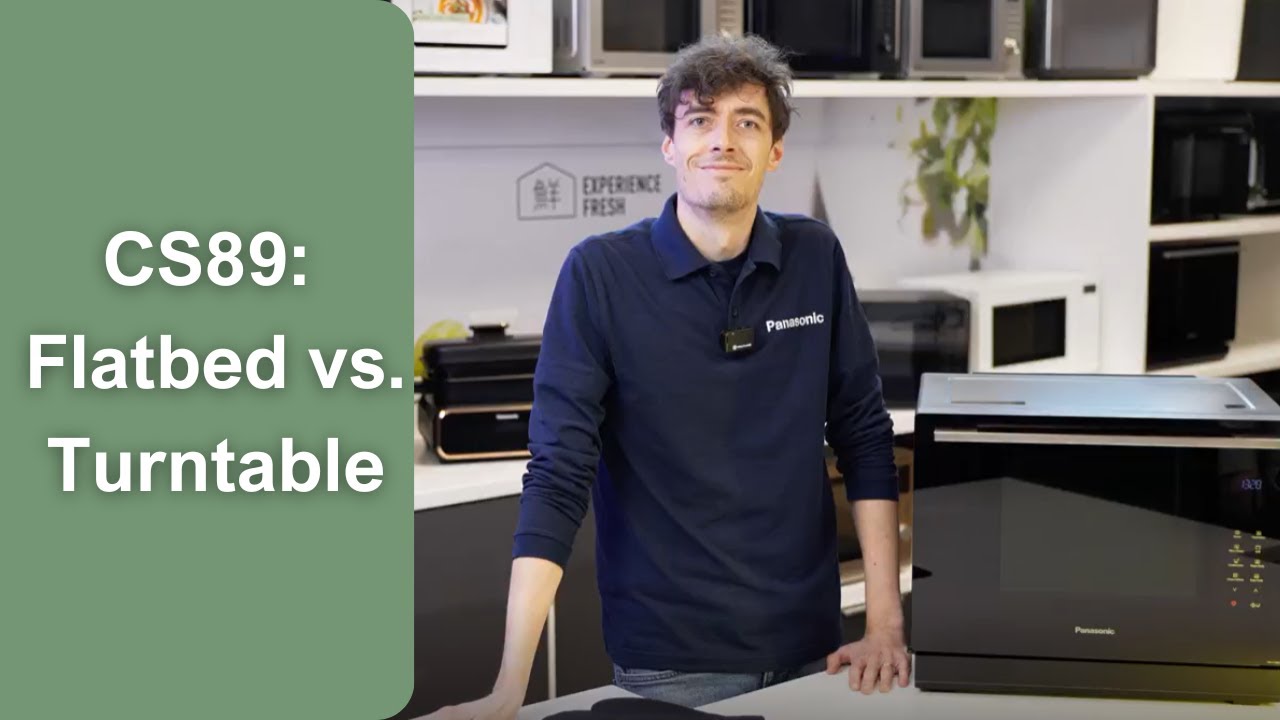
A flatbed microwave uses a flat cooking surface. It sends microwaves through a wider area. There is no rotating plate. This gives more usable space and makes odd-shaped dishes fit easily.
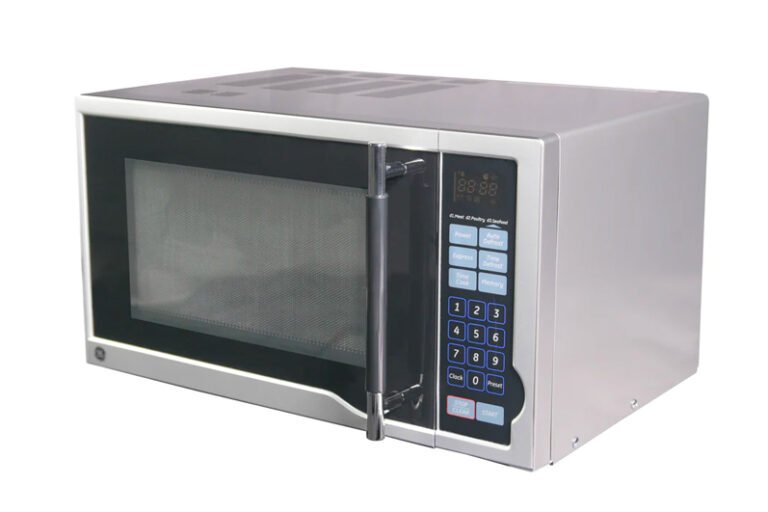
A turntable microwave uses a round glass tray that spins. The tray moves food through hot and cold spots. The spinning helps even heat but limits the size and shape of dishes.

How each design works
Flatbed microwaves spread energy with an under-surface waveguide and a rotating antenna or mode stirrer. This mixes waves without moving the plate. Flatbed units rely on internal wave control to reduce cold spots.
Turntable microwaves place food on a rotating glass plate. The plate turns to average hot and cold areas. It is a simple mechanical solution that has worked for many years.

Performance comparison: heating, space, and speed
Heating evenness
- Flatbed microwave vs turntable: Flatbeds tend to make fewer cold spots for odd shapes and larger plates.
- Flatbed models still can have hot spots but less often than slow-turning trays.
- Turntable units give good average heat for round plates and standard bowls.
Capacity and shape
- Flatbed microwave vs turntable: Flatbeds give more usable space and fit rectangular pans and casserole dishes.
- Turntable units limit usable area to the plate size and shape.
- If you use large trays, flatbed often wins.
Power and cook time
- Flatbed microwave vs turntable: Power ratings matter more than mechanism for speed.
- A 1000W flatbed and 1000W turntable cook at similar rates.
- Flatbeds can save time because you may not need to stop and stir as often.
Cleaning and maintenance
- Flatbed microwave vs turntable: Flatbeds are easier to clean inside because there's no track and no plate to remove.
- Turntable trays are easy to wash but the roller ring and track collect crumbs and grease.
- If you value fast cleanups, flatbed often feels nicer.
Pros and cons of each style
Pros of flatbed microwaves
- More usable interior space for larger or odd-shaped dishes.
- Easier to clean without a circular track and plate.
- Often better at heating items evenly without rotating.
Cons of flatbed microwaves
- Can cost more than basic turntable models.
- Repair of waveguide parts can be more complex for some brands.
- Fewer budget choices in small sizes.
Pros of turntable microwaves
- Simpler, proven design and usually lower cost.
- Good performance for common plates and bowls.
- Many models available across price ranges.
Cons of turntable microwaves
- Less usable space for rectangular pans and large plates.
- Roller ring and track need regular cleaning.
- Some foods need stirring because rotation cannot fully fix cold spots.
Buying guide: choose based on how you cook
Think about how you use your microwave. Ask these questions to choose between flatbed microwave vs turntable:
- Do you cook large dishes or trays often? If yes, prefer flatbed microwave vs turntable — flatbed fits more.
- Do you need a low-cost model for light use? Turntable models offer more budget picks.
- Is easy cleaning a priority? Flatbed units remove the tray and ring hassles.
- Do you want simple repairs and lots of replacement parts? Turntable models are common and easy to fix.
Key specs to compare
- Wattage: higher watts cook faster.
- Interior shape: flatbed interior versus plate diameter.
- Controls and presets: useful for common foods.
- Turntable size: check the plate diameter for fit.
- Price and warranty: factor repair coverage into the cost.
Practical tip
- If you host often or cook casseroles, pick flatbed. If you need a low-cost everyday unit, a turntable is fine.

Maintenance and everyday tips
Cleaning tips
- Flatbed microwave vs turntable: Flatbeds wipe clean quickly. Use a damp cloth and mild soap for spills.
- For turntable units, remove the glass tray and wash it in the sink. Clean the ring and track every week to avoid buildup.
Tips for even heating
- Use a microwave-safe cover to trap steam and heat.
- Pause and stir dense foods midway to improve warmth.
- Arrange food in a ring when possible to let waves reach the center.
Cookware and safety
- Use microwave-safe glass, ceramic, and certain plastics.
- Avoid metal and foil unless the microwave manual says it is safe.
- Check the manual for specific flatbed microwave vs turntable cookware recommendations.
Personal experience and real-world lessons
I switched from a turntable to a flatbed model in my own kitchen three years ago. I cook sheet-pan meals and wide casserole dishes. The flatbed saved me time and cut down on stirring. It also cut down on weekly cleaning since there was no ring to scrub.
A mistake I made early was assuming flatbed equals perfect heat. It does not. I still check and stir soups and thick dishes. Also, brand matters. Some flatbeds have better wave management than others. Try to test a demo or read hands-on reviews before you buy.
If you live alone and reheat simple meals, a turntable microwave is often smarter. If you cook for a family or host, flatbed microwave vs turntable tests show flatbed gives more flexible space and better fit for varied dishes.

Frequently Asked Questions of flatbed microwave vs turntable
Which type heats food more evenly: flatbed or turntable?
Flatbed microwaves usually heat more evenly for odd shapes and large dishes because they spread waves without rotation. Turntables average heat by rotating food and work well for standard plates.
Is a flatbed microwave worth the extra cost?
Yes if you often use large or rectangular dishes and want easier cleaning. If you only reheat small plates, a turntable model can save money.
Can I use metal in a flatbed microwave?
Most metals are not safe in microwaves regardless of design. Always follow the appliance manual and use microwave-safe cookware to avoid sparks.
Which is easier to clean and maintain?
Flatbed microwaves are easier to wipe down since there is no tray or ring to remove. Turntable systems need the glass plate and roller ring cleaned regularly.
Are repairs more expensive for flatbed models?
Repairs can be pricier for some flatbed models due to more complex waveguide parts. However, warranty length and brand support matter more than design alone.
Conclusion
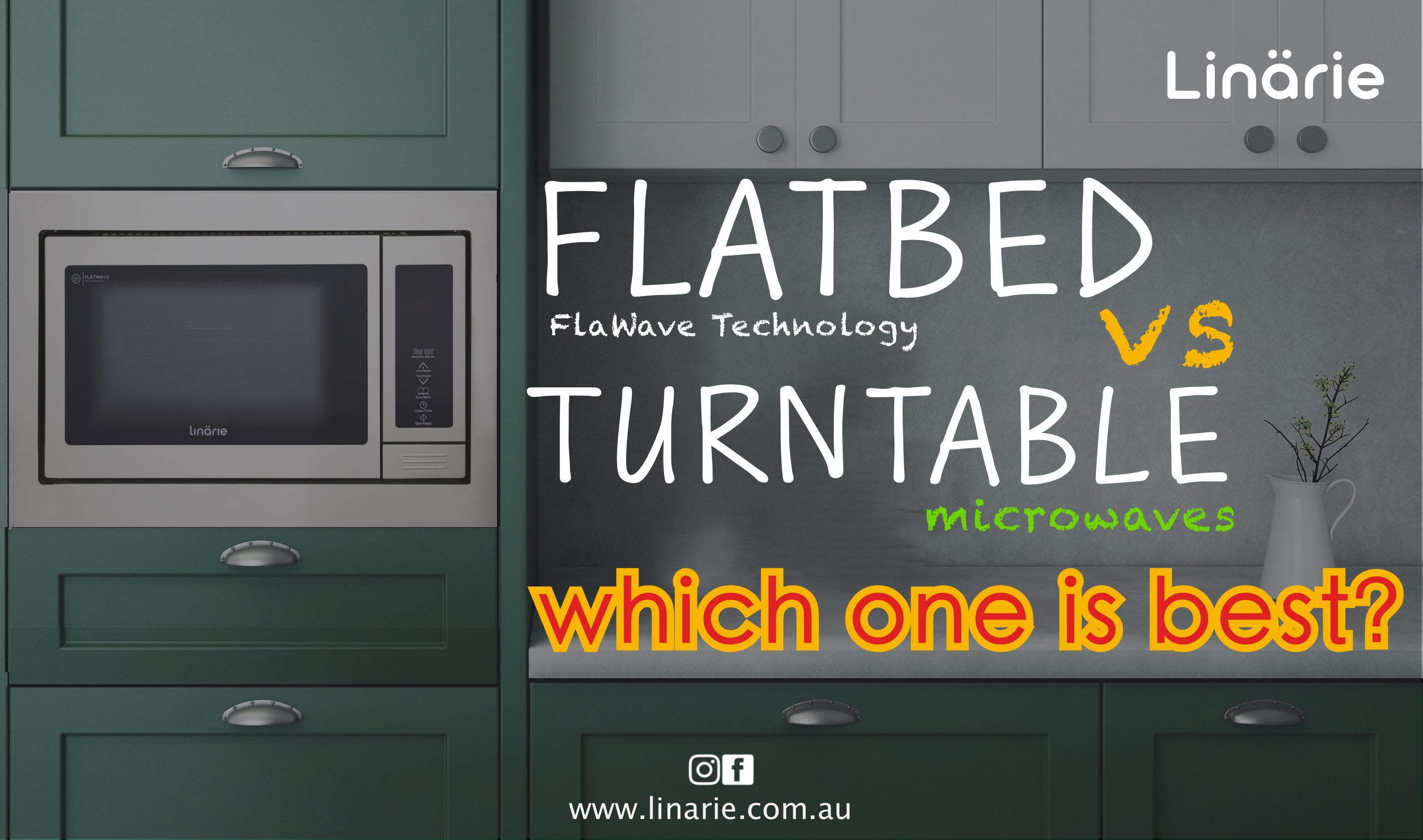
Flatbed microwave vs turntable is a choice about space, cleaning, and cooking style. Flatbed units offer roomier interiors and easier cleanup. Turntable models remain a low-cost, reliable choice for simple use. Use your cooking habits and budget to guide the decision. Try a demo or read hands-on reviews before buying to match features with real needs. Share your experience or questions below, and consider subscribing for more kitchen gear guides.