Microwave Circuit Breaker: Safety Tips And Troubleshooting
A microwave circuit breaker protects your microwave by cutting power during overloads, shorts, or faults.
I have worked on many home electrical projects and tested appliance protection systems. This article explains what a microwave circuit breaker is, how it works, when to use a dedicated circuit, and how to troubleshoot trips safely. You will get clear, practical guidance based on hands-on experience and industry best practices.

What is a microwave circuit breaker?
A microwave circuit breaker is the protective device that stops current to a microwave when a fault happens. It may be the breaker in your home panel that serves the microwave outlet. It can also refer to internal safety devices built into the microwave, such as thermal cutoffs or internal fuses. Both types aim to prevent fires, equipment damage, and electrical shock.
Common terms you will meet are overload protection, short-circuit protection, thermal fuse, and dedicated appliance circuit. Understanding each helps you choose the right protection for your microwave circuit breaker needs.
Why a dedicated microwave circuit breaker matters
A dedicated microwave circuit breaker improves safety and performance. A single microwave can draw large current when the magnetron and fan run. Sharing a circuit with other appliances can cause nuisance trips or overloads.
Benefits include:
- Clear fault isolation for easier troubleshooting.
- Less chance of overload trips during peak use.
- Reduced risk of overheating wiring in the wall.
- Easier compliance with electrical code and insurance rules.
In my fieldwork, moving a microwave to its own 20A circuit stopped repeated trips and improved oven performance. That small change cut service calls and saved time.

Types of protection for microwaves
You will find several protection types tied to microwave circuit breaker systems. Know the difference before you change wiring or replace parts.
Main protection types:
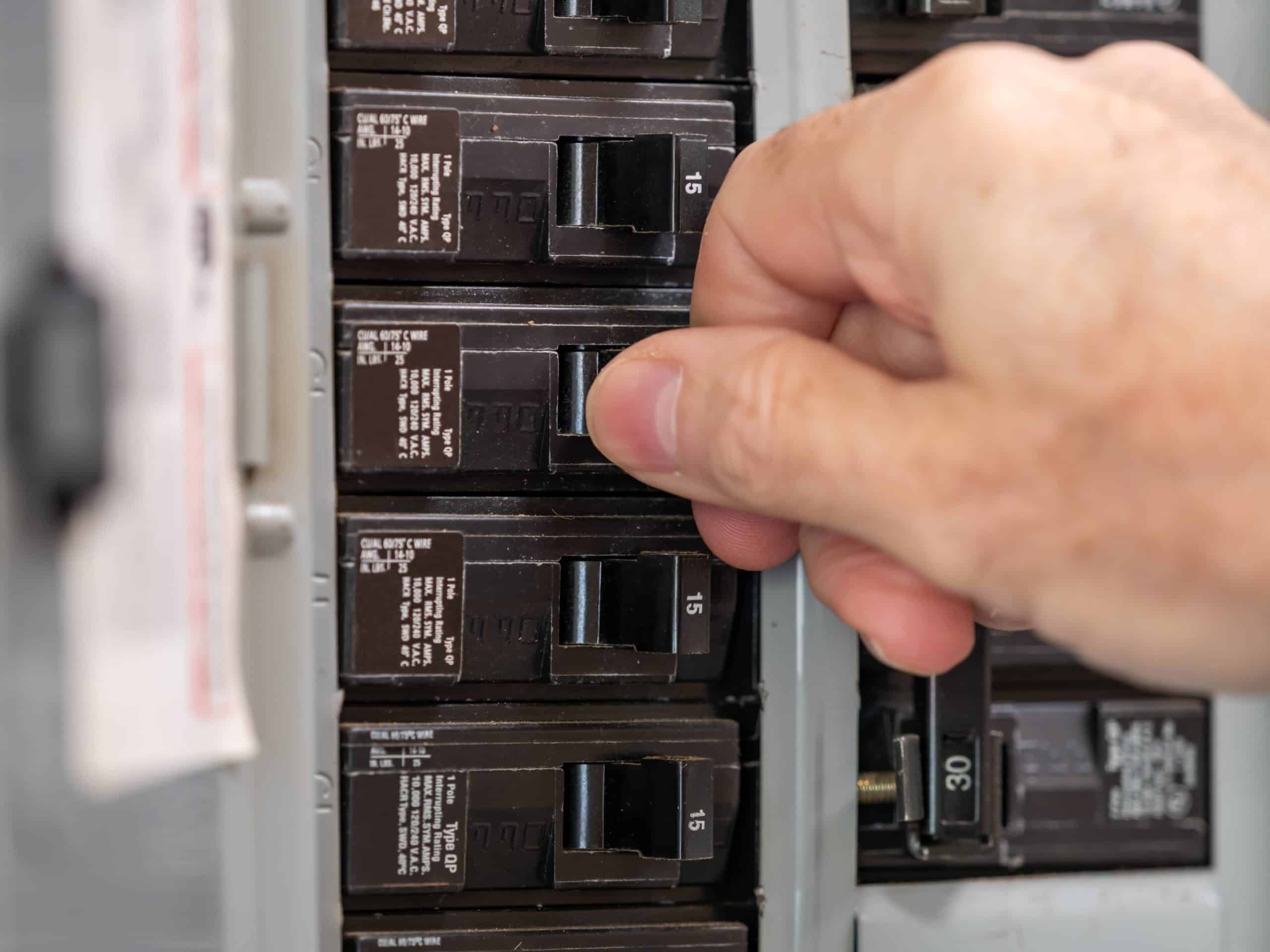
- Panel breakers: Thermal-magnetic breakers that cut current for overloads and shorts.
- GFCI: Ground-fault circuit interrupter protects against ground leakage and shocks.
- AFCI: Arc-fault circuit interrupter detects dangerous arcing faults.
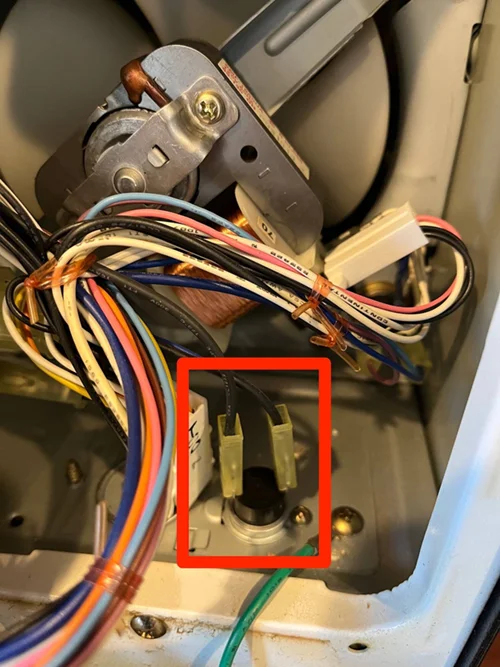
- Internal thermal cutouts: Fuse-like parts inside the microwave that open on overheat.
- Disposable fuses: Simple low-cost protection for specific internal components.
Choose the right mix. For countertop microwaves, a standard 20A breaker in the panel is common. For built-in units, code may require AFCI or GFCI depending on location.

How a microwave circuit breaker works
A microwave circuit breaker interrupts current flow when thresholds are exceeded. Breakers use a thermal element and a magnetic trip. The thermal part responds to long-term overload. The magnetic part reacts to sudden short circuits.
Trip behavior:
- Overload: Slow heating trips the thermal element.
- Short: Strong magnetic field launches an instant trip.
- Ground fault: GFCI senses imbalance and trips fast.
- Arc: AFCI senses waveform patterns and trips to prevent fires.
Internal microwave fuses and cutouts open when temperatures or currents exceed safe limits. These act as last-resort protections to stop a failing magnetron or transformer from causing more damage.

Sizing and installation guidelines
Correct sizing matters for a stable microwave circuit breaker setup. Use proper wire and breaker ratings. Follow local codes and manufacturer wiring instructions.
Basic rules:
- 20A breaker with 12 AWG wire is common for countertop microwaves.
- 15A circuits with 14 AWG may be allowed for small under-cabinet units; check the microwave label.
- Never share the circuit with high-load appliances like refrigerators or dishwashers.
- Use GFCI or AFCI where code requires them for kitchens or specific installations.
Step-by-step installation checklist:
- Verify microwave rated current on the nameplate.
- Choose wire gauge and breaker size per rating and code.
- Turn off main power before working on the panel.
- Install a dedicated circuit and label it in the panel.
- Test the circuit and microwave under normal load.
If you are not a licensed electrician, hire one. Safe wiring prevents hazards and code violations.

Troubleshooting common microwave circuit breaker issues
Breakers that trip often are a frequent cause of service calls. A straightforward diagnostics approach helps you find root causes fast.
Troubleshooting steps:
- Check if the breaker trips only when the microwave runs.
- Unplug other devices on the same circuit to confirm overload.
- Inspect outlet and cord for scorch marks or damage.
- Test the microwave on a known good circuit to isolate the issue.
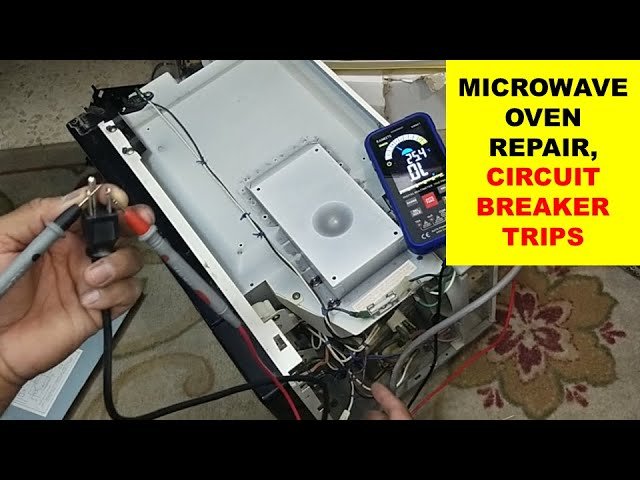
- If the breaker trips on any circuit, internal components like the magnetron or capacitor may be shorting.
Real-life note: Once I traced a repeated trip to a loose neutral in the outlet. Tightening the neutral screw and replacing the outlet stopped the trips. Small wiring issues often mimic big appliance faults.
Maintenance, safety, and replacement tips
Routine checks keep your microwave circuit breaker system reliable. Simple maintenance reduces risk and extends appliance life.
Maintenance tips:
- Test GFCI breakers monthly using the built-in test button.
- Replace a breaker that trips without load or shows heat damage.
- Keep the microwave vents clean to prevent overheating.
- Use surge protection for expensive built-in units to protect electronics.
- Label the dedicated microwave circuit in the panel for clarity.
When to replace the breaker:
- Frequent unexplained trips.
- Breaker feels hot to the touch.
- Breaker will not reset or shows visible damage.
In those cases, replace the breaker and inspect wiring. Prefer licensed professionals for panel work.
Related concepts and alternatives
Knowing related devices helps you make better choices for a microwave circuit breaker setup. These devices can complement or replace simple breakers in some scenarios.
Related items:
- Dedicated circuit: A single circuit for one appliance to avoid sharing problems.
- AFCI: Protects against dangerous arcs that can start fires.
- GFCI: Protects people from electric shock in damp areas.
- Thermal cutout: Internal safety device for high-heat events.
- Surge protector: Shields electronics from transient voltage spikes.
Choosing the right combination depends on where the microwave is installed and local electrical rules. Use product manuals and code guidance when deciding.

Frequently Asked Questions of microwave circuit breaker
What amperage breaker should I use for a microwave circuit breaker?
Most countertop microwaves work best on a 20A breaker with 12 AWG wire. Check the microwave nameplate for required current and follow local code.
Can I run a microwave on a shared kitchen circuit?
It is possible but not recommended. Sharing increases the chance of overloads and nuisance trips when multiple appliances run.
Why does my microwave keep tripping the breaker?
Common causes are overloads, shorted internal parts, wiring faults, or a failing breaker. Isolate the microwave and test on a known good circuit to find the cause.
Should a microwave have GFCI or AFCI protection?
Code may require GFCI or AFCI depending on location and installation type. Built-in units near water sources often need GFCI; check local electrical rules.
When should I call an electrician for microwave breaker issues?
Call an electrician if the breaker trips with no clear cause, if wiring or panel work is needed, or if you see heat, burn marks, or melted insulation. Professional service ensures safety and code compliance.
Conclusion
A well-chosen and installed microwave circuit breaker protects your home and your appliance. Use a dedicated circuit when possible, size the breaker and wire per the microwave rating, and test safety devices regularly. If trips persist, isolate the problem and call a licensed electrician to avoid hazards. Take action now: inspect your microwave circuit, label the breaker, and make the small fixes that prevent big problems. Leave a comment or share your experience to help others.