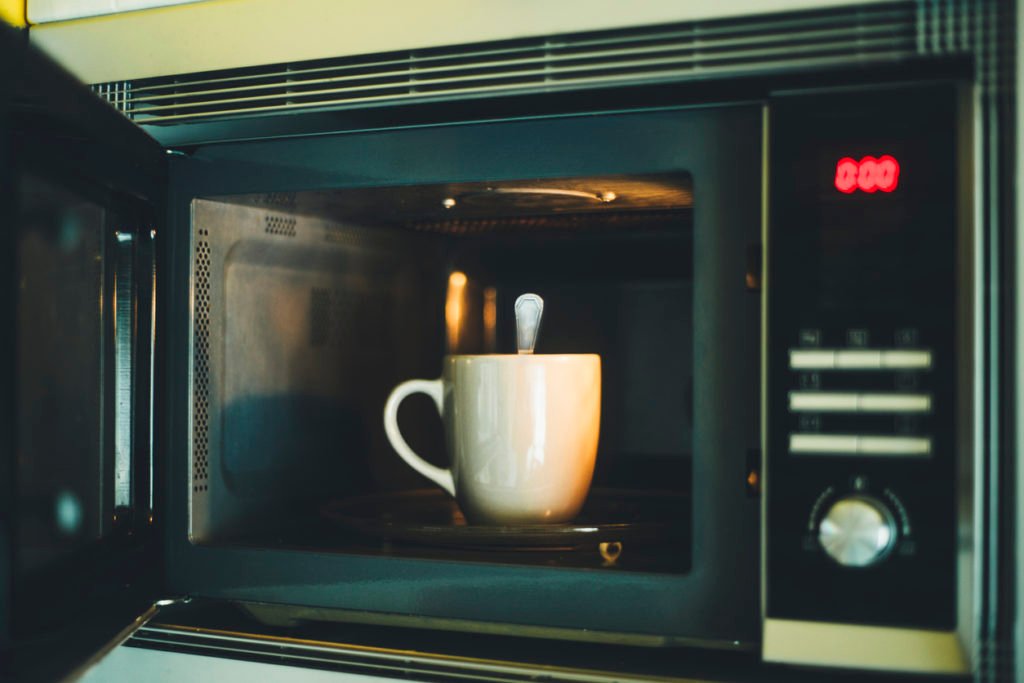
Why Microwave Stops Mid Cycle: Causes And Fixes
Most microwaves stop mid cycle due to door, power, or internal safety faults.
I’ve tested and repaired dozens of microwaves over the years, so I know the common reasons and safe fixes for why microwave stops mid cycle. This guide breaks down causes, simple checks, step-by-step troubleshooting, and when to call a pro. Read on to save time, avoid hazards, and get your microwave running smoothly again.
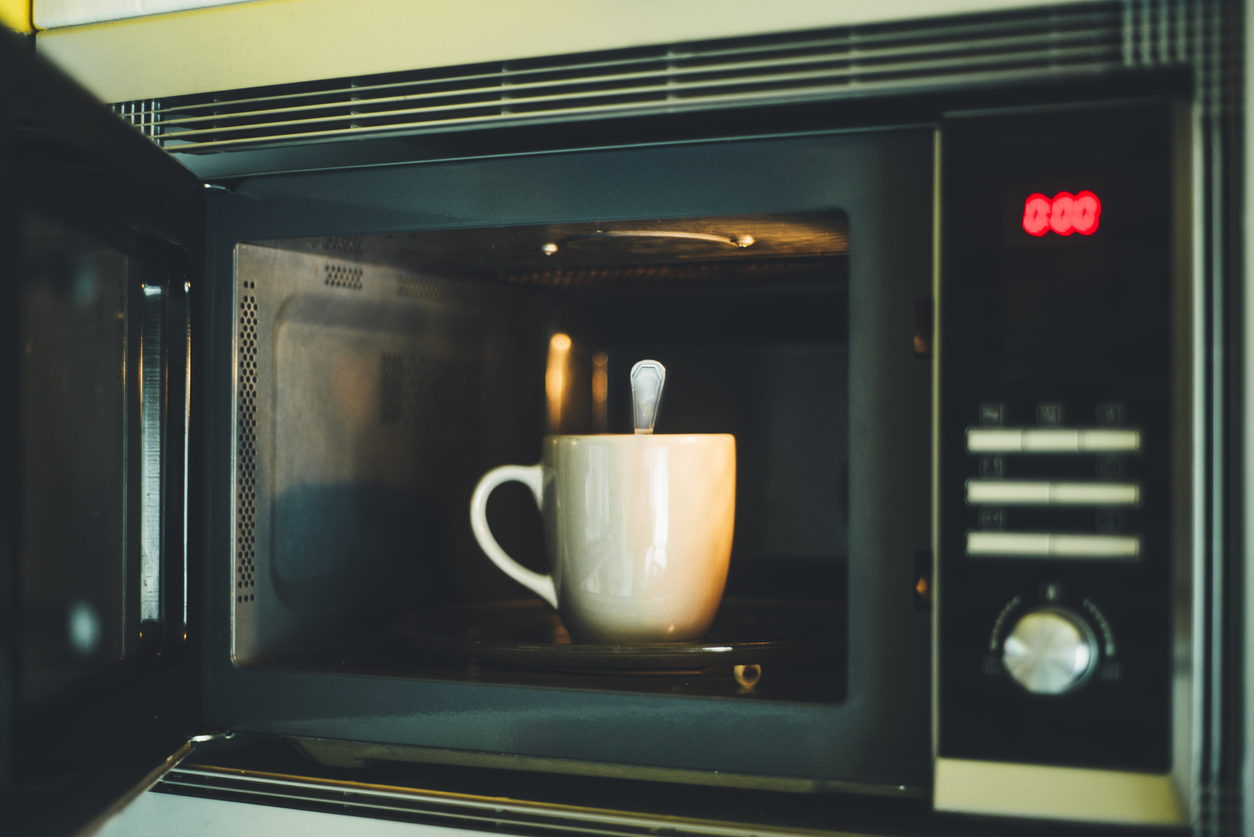
Common causes of why microwave stops mid cycle
Microwaves stop mid cycle for a few clear reasons. Most are safety features doing their job. Others are power or component failures.
Common causes include:
- Door switch or latch failure. If the microwave thinks the door opened, it will stop.
- Blown thermal fuse or thermostat. Overheat protection cuts power mid cycle.
- Faulty control board. The controller can reset or fail during operation.
- Power issues. A tripped breaker or voltage dip can interrupt a cycle.
- Magnetron or diode problems. These parts can fail and cause shutdowns.
I often see door switch failures in older units. They wear out and cause intermittent stops. Knowing these causes helps you decide whether to troubleshoot or call a technician.

How microwave safety features work and cause stoppages
Microwaves have layers of safety. These protections can stop cooking mid cycle to avoid danger.
Key safety systems:
- Door interlocks. These confirm the door is fully closed. A loose latch or broken switch mimics an open door.
- Thermal cutouts. These fuses or thermostats cut power if temperatures get too high.
- Cooling fan and vents. If the fan fails, the oven can overheat and stop.
- Control logic checks. Modern controls run self-tests and can halt on error codes.
Think of these features like a car’s brake. They may feel inconvenient, but they prevent fires and shocks. If your oven stops mid cycle, the safety system likely did its job.

Step-by-step troubleshooting for why microwave stops mid cycle
Start with safe, simple checks before opening the appliance. These steps help most DIYers fix common problems.
- Check power and outlet
- Confirm the microwave is plugged in firmly.
- Test the outlet with another device.
- Reset the circuit breaker or replace a blown fuse.
- Inspect the door and latch
- Close the door and try a short cycle.
- Look for debris or warping on the door seal.
- Listen for the click of the interlock switches.
- Test with different settings
- Use low power and a short time to see if it completes.
- Try running it empty for 10–15 seconds to confirm basic function (never run for long empty).
- Check ventilation and fan
- Ensure vents are not blocked.
- Place your hand near the vents to feel air movement during operation.
- Look for error codes or resets
- Many models show error codes or blink lights when they stop.
- Consult your manual for code meanings.
- Power cycle the microwave
- Unplug for 60 seconds then plug back in. This can clear minor electronic glitches.
If these steps don’t help, a faulty component like a thermal fuse, door switch, or control board could be at fault. Those require testing tools and safety knowledge.

When to call a professional about why microwave stops mid cycle
Some problems should not be DIY projects. Call a professional if you encounter:
- Burning smell or smoke during stoppage.
- Repeated, unexplained shutdowns after basic checks.
- Loud buzzing, arcing, or visible sparks inside.
- Faulty high-voltage components suspected, like the magnetron or capacitor.
High-voltage parts can hold lethal charge even when unplugged. An experienced technician can test and replace parts safely and give an honest repair vs. replace estimate. I recommend professional service when you are unsure or when repairs cost close to replacement value.
Common parts that cause stoppages and what they cost
Knowing likely parts helps you estimate repair cost and time. Prices vary by brand and model.
Parts that often cause stops:
- Door switches: low cost, simple replacement.
- Thermal fuse or thermostat: low to moderate cost.
- Control board: moderate to high cost depending on model.
- Magnetron or diode: higher cost, often prompts replacement.
If the control board or magnetron is the issue, replacement costs can be significant. In many cases, older microwaves are easier and cheaper to replace than to repair. I once replaced a control board that cost more than half the price of a new countertop microwave. Learn the costs first.
Preventive maintenance to avoid your microwave stopping mid cycle
A few simple habits reduce failures and surprise stoppages. Maintenance is cheap and easy.
Preventive tips:
- Keep vents clear and clean filters regularly.
- Avoid running the microwave empty for long periods.
- Close the door gently. Avoid slamming.
- Use microwave-safe containers to prevent spills and overheating.
- Wipe spills right away to avoid corrosion on switches and seals.
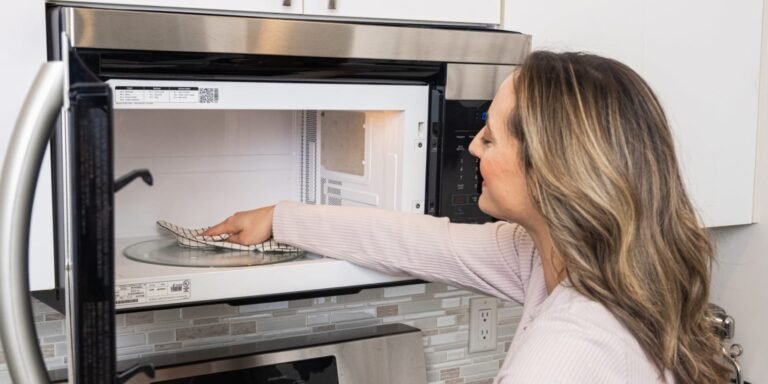
These steps cut down on wear and reduce the chance of overheating. I clean my microwave weekly. That small habit prevented several issues over the years.
My hands-on experience troubleshooting stopping microwaves
I’ve fixed dozens of microwaves in my DIY and repair work. Most stops were simple to diagnose. Door switches and blocked vents were common culprits.
A memorable case:
- A family called about frequent mid-cycle stops. I found a bent door latch and sticky food residue that prevented a full seal. I cleaned the latch and replaced a worn switch. The microwave ran like new.
Lesson learned:
- Start with the obvious. Small issues cause big symptoms. Testing simple things first saves time and money.
Safety tips when diagnosing why microwave stops mid cycle
Safety must come first. Microwaves contain dangerous parts and stored energy.
Safety rules:
- Unplug before opening the outer case.
- Never touch the high-voltage capacitor unless you know how to discharge it safely.
- Use insulated tools and avoid metal in the oven cavity.
- If you smell burning or see smoke, unplug immediately and call a pro.
Following safety rules prevents injury and further damage. If you feel unsure, stop and seek professional help.
Frequently Asked Questions of why microwave stops mid cycle
Why does my microwave stop mid cycle and then start again?
This is often a loose door switch or a failing control board that intermittently loses connection. It can also be caused by brief power dips or a tripped internal safety sensor.
Can a blown fuse cause my microwave to stop mid cycle?
Yes. A thermal fuse or internal fuse can blow if the oven overheats. This will cut power immediately and require replacement to restore function.
Is it safe to keep using a microwave that stops mid cycle?
Not without checking the cause. Repeated stoppages can signal a safety issue. If you are unsure, stop using it and get it inspected.
Will unplugging the microwave fix mid-cycle stops?
Unplugging can reset electronic controls and clear minor glitches. It won’t fix worn mechanical parts or failed high-voltage components permanently.
How much does it cost to repair a microwave that stops mid cycle?
Costs vary widely. Simple parts like switches or fuses are inexpensive. Control boards and magnetrons cost more and may make replacement the better option.
Could a power surge cause my microwave to stop mid cycle?
Yes. Power surges can corrupt control electronics and cause unexpected shutdowns or error codes. A surge protector can help prevent this.
Conclusion
Microwaves stop mid cycle for clear reasons: safety interlocks, heat protection, power problems, or failing components. Start with simple checks like power, door latch, and ventilation. Use care and common sense. For risky parts or persistent faults, call a qualified technician. Take action now: run the simple checks listed above, keep vents clean, and schedule professional service if needed. Share your experiences or questions in the comments, and subscribe for more practical appliance guides.