Microwave Exhaust Airflow: Boost Kitchen Ventilation
Microwave exhaust airflow removes steam, smoke, grease, and odors by drawing air away from the microwave.
I’ve designed, tested, and lived with many kitchen exhaust setups, so I know what works and what fails. This guide explains microwave exhaust airflow in clear steps. You will learn how airflow works, why it matters, how to measure it, and how to fix common problems. Read on for practical tips, real-life lessons, and simple fixes you can use today.

What is microwave exhaust airflow?
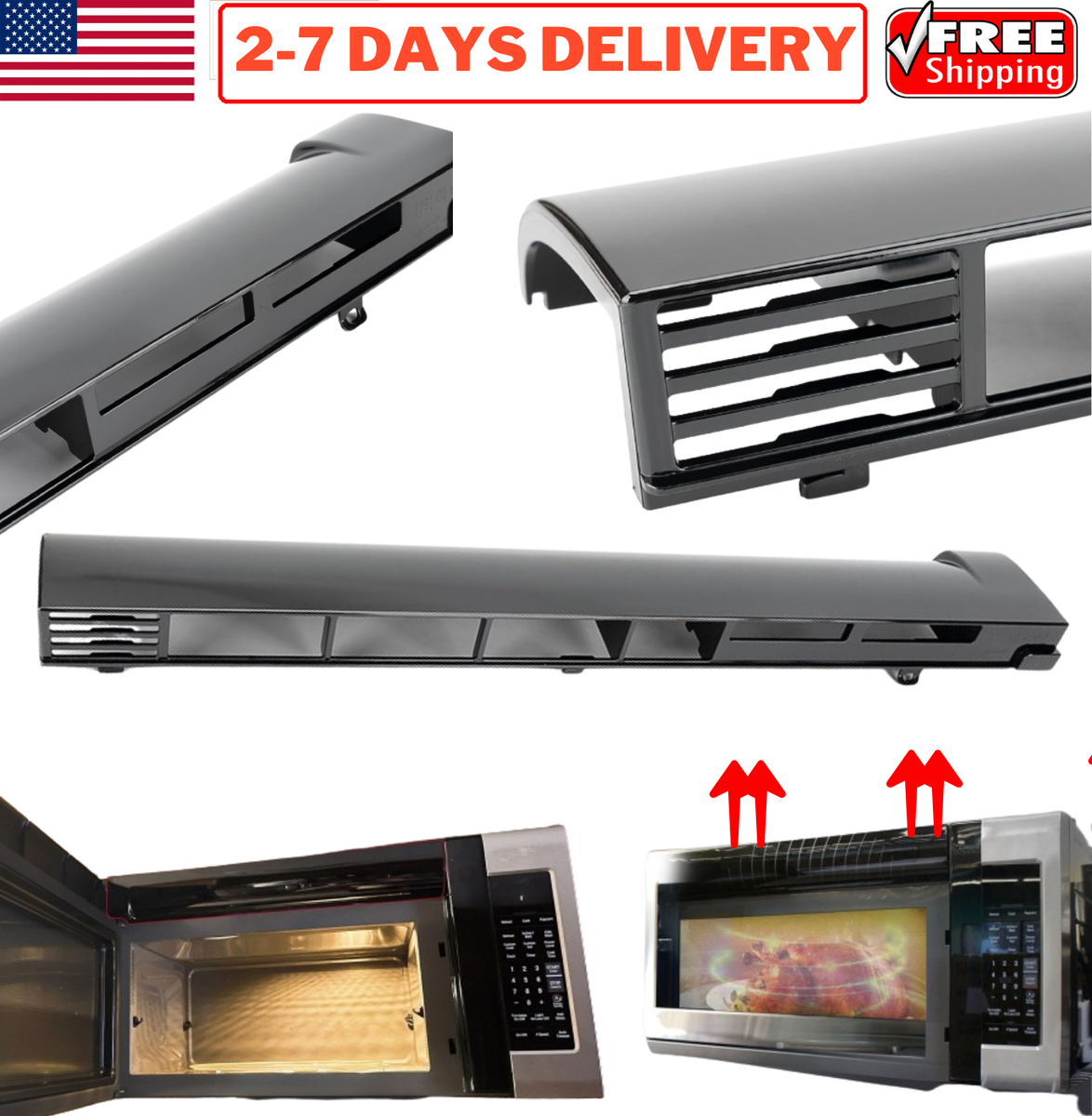
Microwave exhaust airflow is the movement of air that a microwave hood fan or built-in unit pushes or pulls. The airflow captures steam, smoke, grease, and odors created while cooking. This airflow either vents outside or recirculates through filters back into the kitchen.
Good microwave exhaust airflow improves air quality. It lowers moisture and cooking smell. It also reduces greasy buildup on cabinets and walls. Proper airflow helps prevent mold and keeps your kitchen fresh.

How microwave exhaust systems work
A microwave exhaust system has a fan, channels, and often a filter. The fan creates the microwave exhaust airflow. Air is drawn through a grease filter. Then it either goes out through ductwork or through a charcoal filter and back into the room.
Two main designs exist:
- Vented units send exhaust outdoors through ductwork which gives better microwave exhaust airflow and odor removal.
- Recirculating units use charcoal filters to clean air and return it to the kitchen when outdoor venting is not possible.
Key parts that affect airflow:
- Fan speed and design
- Duct diameter and length
- Number of bends in the duct
- Filter type and condition

Why microwave exhaust airflow matters
Good microwave exhaust airflow protects indoor air and surfaces. It removes moisture that can lead to mold. It lowers grease that builds up on cabinets. It also reduces lingering cooking smells.
Airflow affects safety. Strong airflow can cut down smoke during a flare-up and reduce fire risk. It also helps keep kitchen temperatures lower. For health reasons, removing combustion gases and volatile compounds is important.

Measuring and improving microwave exhaust airflow
Measure airflow to know if your microwave exhaust airflow is adequate. Use a simple anemometer at the hood opening to read feet per minute. Compare to the fan’s CFM rating to check losses from ducting.
Guidelines and tips:
- Aim for at least 100 CFM for light cooking and 300+ CFM for frequent heavy cooking to ensure good microwave exhaust airflow.
- Use smooth metal ducting. It keeps airflow steady and reduces resistance.
- Keep ducts short and straight. Each bend cuts the microwave exhaust airflow.
- Use the largest duct diameter your microwave supports. Larger ducts move air easier.
- Clean or replace grease filters every 1–3 months. Dirty filters cut microwave exhaust airflow fast.
- Consider a booster fan for long duct runs to restore microwave exhaust airflow.
- Add a backdraft damper to prevent cold air coming into the kitchen when the fan is off.
Practical measurement steps:
- Turn on the fan to a set speed.
- Measure velocity at the hood face with an anemometer.
- Multiply velocity by opening area to get CFM.
- Compare measured CFM to expected CFM in the manual.

Common problems and troubleshooting
Weak airflow
- Cause: Clogged filter, small duct, or blocked vent cap.
- Fix: Clean filter, clear vent cap, and inspect duct for obstructions.
Loud fan noise
- Cause: Loose fan blade, worn motor, or turbulent duct flow.
- Fix: Tighten parts, replace motor if needed, and smooth duct bends to reduce turbulence.
Persistent odors
- Cause: Recirculating filter saturated or not present.
- Fix: Replace charcoal filter or switch to external venting if possible.
Condensation and drip
- Cause: Duct run too long and cold returning air causes condensation.
- Fix: Insulate duct or shorten run. Improve microwave exhaust airflow to reduce moisture.
Grease on cabinets
- Cause: Low microwave exhaust airflow or wrong filter type.
- Fix: Increase airflow, switch to vented setup, and clean surfaces regularly.
Installation best practices and code considerations
Venting to the outdoors is preferred for best microwave exhaust airflow. Many building codes favor outdoor venting for kitchen exhaust. Check local rules before installing.
Best practices:
- Use rigid or semi-rigid metal ducting. It reduces resistance and keeps airflow steady.
- Keep duct diameter as large as the microwave allows. Do not reduce size mid-run.
- Limit duct length and bends. Each elbow lowers microwave exhaust airflow.
- Install a vent hood cap with a bird screen. Make sure the cap opens fully.
- Provide make-up air for tightly sealed homes. Strong microwave exhaust airflow can create negative pressure.
Safety and code notes:
- Follow local codes on venting through walls or roofs.
- Ensure exhaust does not vent into attics or crawl spaces.
- Use fire-rated duct materials where required.

My experience and practical tips
I once installed a new over-the-range microwave in a condo that had a long duct run with three 90-degree turns. The microwave exhaust airflow was almost half the rated CFM. Replacing corrugated duct with smooth metal and removing two bends fixed it. Lesson learned: cheap ducting and many turns kill airflow.
Tips from my tests and installs:
- Always test airflow after installation. Don’t assume the label matches real output.
- Clean filters and inspect vent caps yearly.
- If odor persists, swap to outdoor venting when you can.
- If you cook a lot, invest in higher CFM for better microwave exhaust airflow.

Frequently Asked Questions of microwave exhaust airflow
What is a good CFM for microwave exhaust airflow?
A good baseline is 100 CFM for light use and 300 CFM or more for frequent cooking. The right CFM depends on your kitchen size and cooking habits.
Is recirculating better than venting outside for microwave exhaust airflow?
Venting outside is better for airflow and odor removal. Recirculating is useful when outdoor venting is not possible but it offers lower microwave exhaust airflow performance.
How often should I clean filters to keep microwave exhaust airflow strong?
Clean metal grease filters every 1–3 months. Replace charcoal filters every 6–12 months depending on use to maintain strong microwave exhaust airflow.
Can poor ducting reduce the microwave exhaust airflow drastically?
Yes. Small ducts, long runs, and many bends can cut airflow by half or more. Good duct design preserves microwave exhaust airflow.
Will a higher CFM microwave increase noise but improve microwave exhaust airflow?
Higher CFM often means more noise. Some high-efficiency models balance airflow and noise. Consider a unit with multiple speeds to control microwave exhaust airflow and sound.
Conclusion
Good microwave exhaust airflow keeps kitchens cleaner, safer, and more comfortable. Focus on proper venting, clean filters, and straight, smooth ducts to get the best results. Test airflow after installation and fix weak spots early to avoid grease, odors, and moisture problems.
Take one step today: check your filter and measure the airflow. If you find issues, make small fixes like cleaning filters or shortening duct runs. Want more tips or need help with your setup? Share your situation in the comments or subscribe for updates on kitchen airflow solutions.