Microwave Startup Delay: Causes And Quick Fixes
Microwave startup delay often signals control, power supply, or safety component issues needing checks.
I have worked on many kitchen appliances and studied microwave fault patterns. This guide explains what a microwave startup delay is, why it happens, and how to check and fix it. You will get clear steps, safe tests, and practical fixes you can try at home. Read on to learn how to diagnose and solve microwave startup delay with confidence.
What is microwave startup delay?
A microwave startup delay is a lag between when you press start and when the oven actually begins heating. This delay can be a fraction of a second or several seconds. It can feel like the unit is thinking before it runs. The delay may be caused by electronic control checks, safety timing, or failing parts.

Common causes of microwave startup delay
Many things can cause microwave startup delay. Here are the usual suspects and how they create the delay:
- Control board or firmware checks
- Modern microwaves run a quick self-check before power ramps. Faulty boards can slow this check.
- Power supply issues
- Low voltage or a weak transformer can delay full power delivery.
- Door switches and latch sensors
- If the door switch is slow or dirty, the unit may wait to confirm the door is fully closed.
- Energy saver or eco modes
- Some models delay start to reduce peak power draw or to sync with smart home schedules.
- High-voltage capacitor or magnetron problems
- If the magnetron or capacitor needs time to charge or discharge, starting can be delayed.
- Wiring, outlet, or circuit problems
- Loose wiring or shared circuits can cause the microwave to hesitate.
- Smart features and network checks
- Internet-connected microwaves may pause while checking firmware or network status.

How to diagnose microwave startup delay (safe steps)
Start with simple, safe checks. Avoid opening the microwave unless you are trained. High-voltage parts can kill.
- Observe and time the delay
- Press start and note how long the unit takes to begin heating. Record variations.
- Try a different outlet
- Plug the microwave into a known good outlet on a dedicated circuit.
- Test with no load and with a cup of water
- A working magnetron heats water quickly. If the delay changes, that’s a clue.
- Check the door and latch
- Open and close the door several times. Clean the latch area to remove grime.
- Reset the microwave
- Unplug for one minute, then plug back in. Many control glitches clear on reset.
- Listen and watch the display
- Beeps, blinking lights, or error codes can point to control board faults.
- Check household voltage
- Low home voltage can slow appliances. Note if other devices show issues.
If the tests show sparking, burning smell, or the delay grows worse, stop and call a pro. Do not probe the high-voltage parts yourself.
Practical fixes and troubleshooting tips
Most fixes are simple. Some need a certified technician.
- Reset and update
- Unplug and plug back in. If your microwave has updates, install them per the manual.
- Disable energy saver or smart delay
- Turn off eco modes or scheduled start options.
- Use a dedicated outlet
- Avoid extension cords and shared circuits that cause startup power dips.
- Clean and tighten door switches
- Remove crumbs and gently clean the latch area. Tighten loose screws.
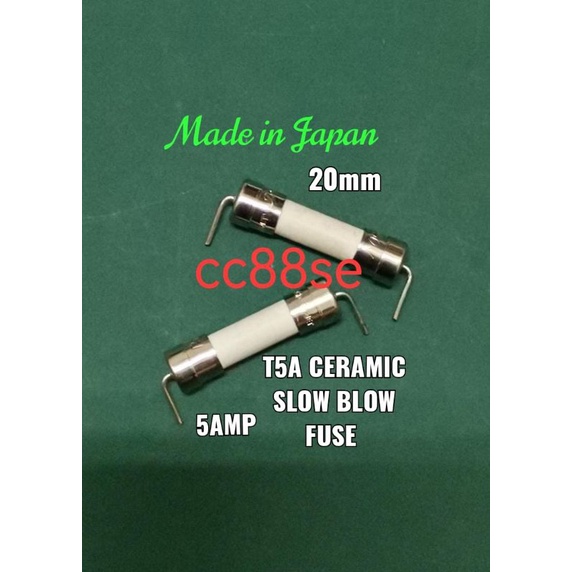
- Replace a blown fuse
- A fuse can cause delayed power. Replace only with the correct type.
- Replace the control board
- If the board fails self-tests, a board swap may be needed. This is a repair for a technician.
- Replace worn components
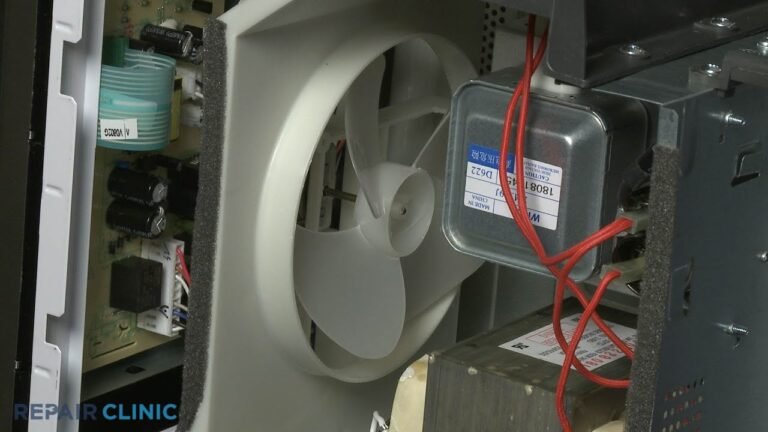
- Magnetron, capacitor, or transformer faults require a pro and may be costly.
- Call support for smart models
- Firmware or network delays might need manufacturer support.
Typical home fixes are cheap. Internal repairs can cost more than replacing the microwave for older models. Be honest about cost vs replace decisions.

Preventing startup delays
A few good habits keep your microwave fast and reliable.
- Keep the door and seals clean
- Dirt causes faulty latch signals.
- Avoid heavy power draws on the same circuit
- Keep the microwave on a dedicated circuit when possible.
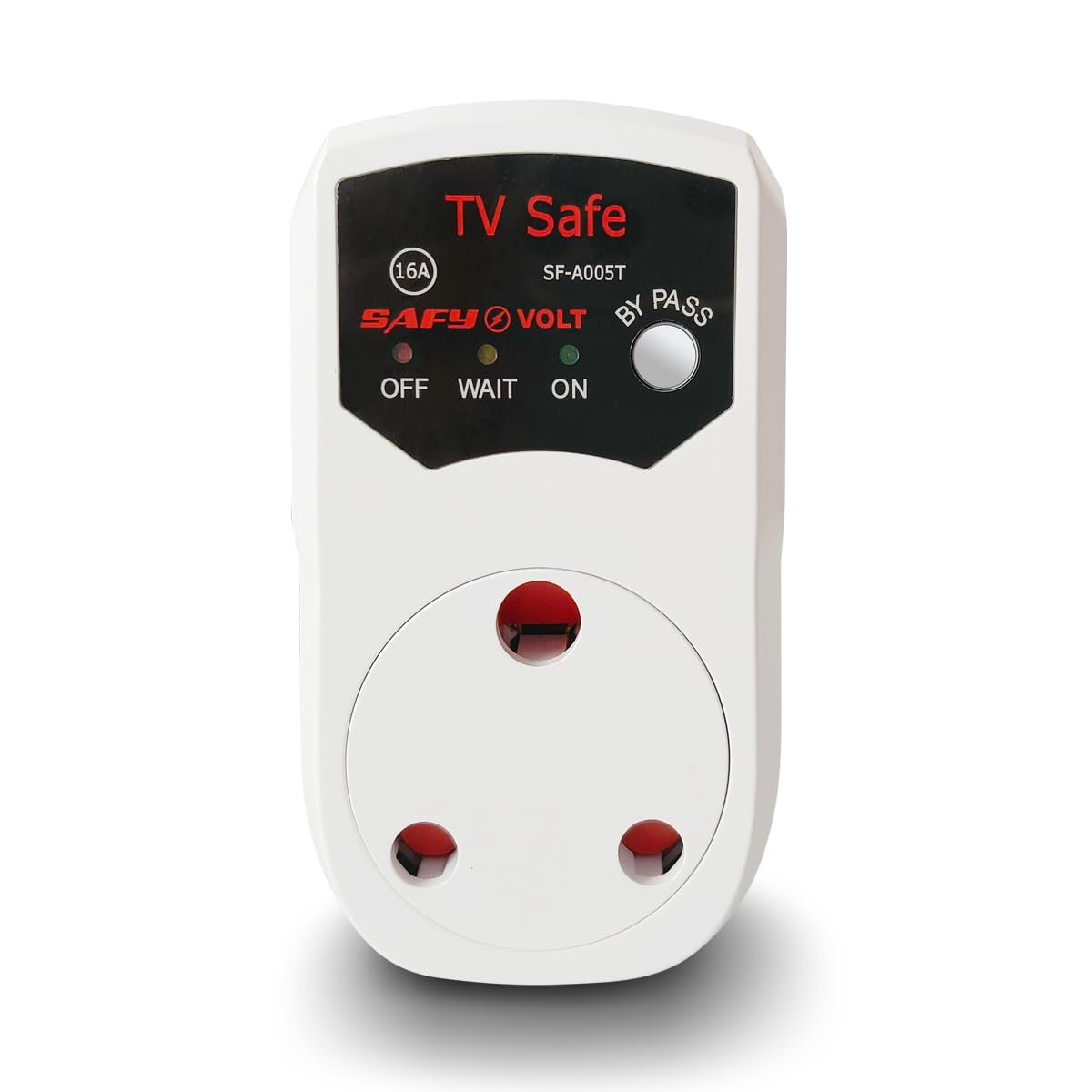
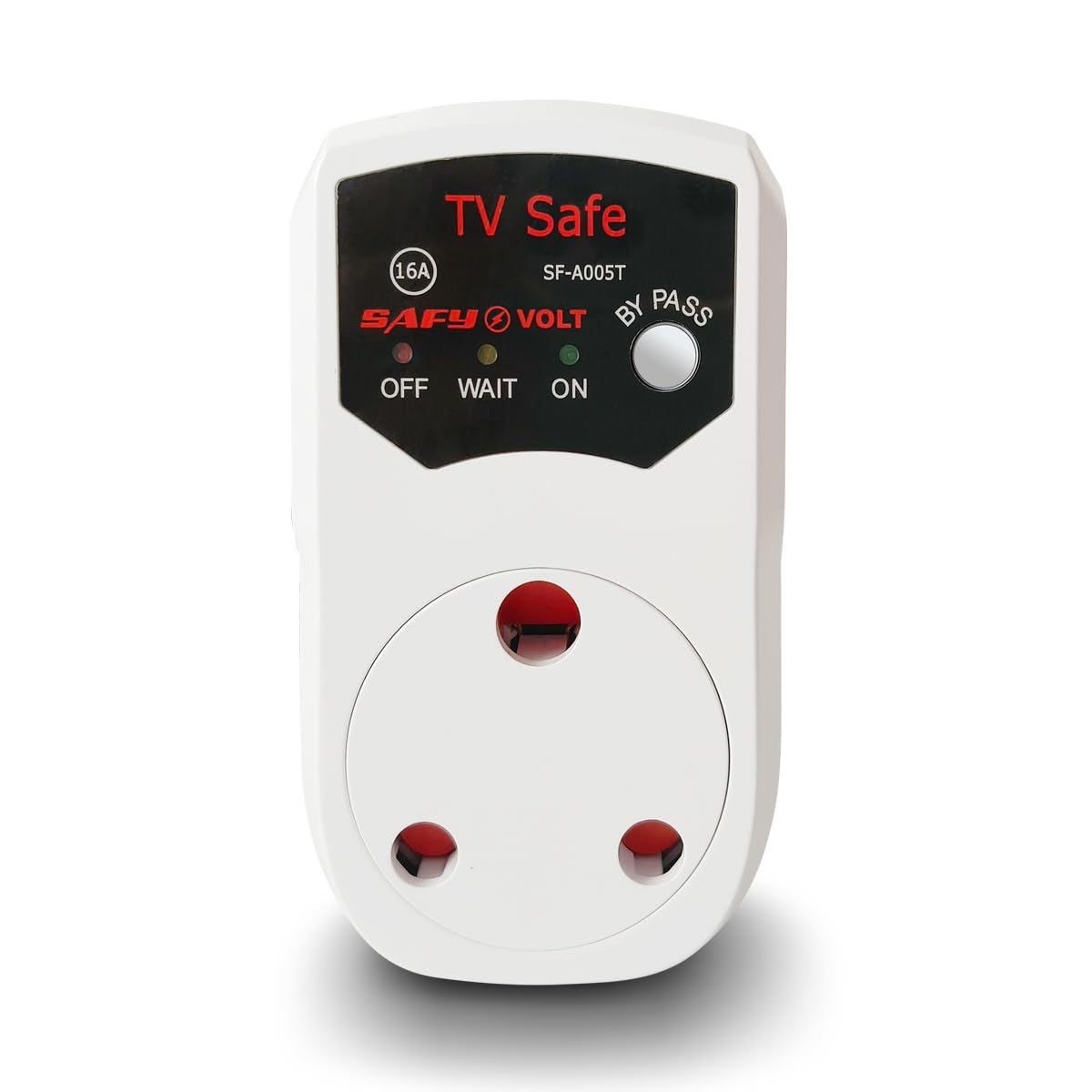
- Use surge protection
- A quality surge protector helps avoid control board damage.
- Ventilate and avoid overheating
- Good airflow reduces stress on parts.
- Update firmware when available
- Smart units run smoother with the latest fixes.
- Inspect cords and plugs regularly
- Replace frayed cords or loose plugs early.
Small steps like these can prevent most delays and extend the microwave’s life.
When to call a professional
Some signs mean you should stop DIY and call a tech.
- Burning smell or smoke
- These are emergency signs. Unplug and get help now.
- Loud sparking or arcing
- Internal arcing is hazardous and needs a pro.
- No heat after long delay
- If the microwave delays then runs but does not heat, the magnetron may be failing.
- Repeated or growing delays
- Progressive delay often points to failing electronics.
- Complex parts replacement
- Transformers and high-voltage capacitors must be handled by trained techs.
A certified repair person can test safely, read error codes, and replace parts to resolve persistent microwave startup delay.
Personal experience and lessons learned
Years ago I worked on a kitchen service route and saw many delayed-start cases. One unit had a dirty latch. A quick clean fixed it in five minutes. Another unit needed a new control board and cost more to fix than to replace. I learned to always check the outlet first. I also learned to warn owners about high-voltage risks. My rule: try the safe fixes first, then get a pro if the problem is internal.
Frequently Asked Questions of microwave startup delay
What exactly counts as a microwave startup delay?
A startup delay is any noticeable lag between pressing start and the microwave beginning to heat. It can be brief or several seconds long.
Can low home voltage cause microwave startup delay?
Yes. Low or inconsistent household voltage can slow the microwave’s power-up and cause delays. Try a separate outlet to test.
Is it safe to open a microwave to check parts?
No. Microwaves contain high-voltage components that can be lethal. Leave internal checks to trained technicians.
Will firmware updates fix startup delays in smart microwaves?
They can. Firmware updates may fix control bugs that cause delays. Check the manufacturer’s instructions.
How much does it cost to repair a startup delay?
Costs vary. Simple fixes like switches or fuses are low cost. Control board or magnetron replacement can be expensive and sometimes uneconomical for older units.
Conclusion
A microwave startup delay can be a minor glitch or a sign of a real fault. Start with simple checks like outlets, door latches, and resets. Use safe steps and avoid opening the unit yourself. If the delay persists or you see smoke, get a professional. Try the suggested fixes, monitor the delay, and decide whether repair or replacement makes sense. If this helped, share your experience, ask a question below, or subscribe for more practical appliance tips.