Countertop Microwave Buying Basics: Essential Guide
Choose size, power, features, and safety to match your kitchen and cooking needs.
I’ve spent years testing small kitchen appliances and helping friends pick gear that lasts. This guide on countertop microwave buying basics draws on hands-on experience, product testing habits, and practical tips so you pick a microwave that saves time, fits your space, and performs reliably. Read on for clear steps, real-world examples, and a simple checklist to buy with confidence.

Why countertop microwave buying basics matter
A countertop microwave is often the workhorse of a kitchen. The countertop microwave buying basics help you avoid common regrets like buying one that is too big, too weak, or lacking useful features. Knowing these basics also saves money and ensures safe use.
I learned this the hard way when I bought a model that looked sleek but had a weak magnetron and no child lock. It heated unevenly and needed replacement sooner than I expected. That taught me to prioritize power, cavity size, and safety—core countertop microwave buying basics I’ll walk you through.
Key features to evaluate
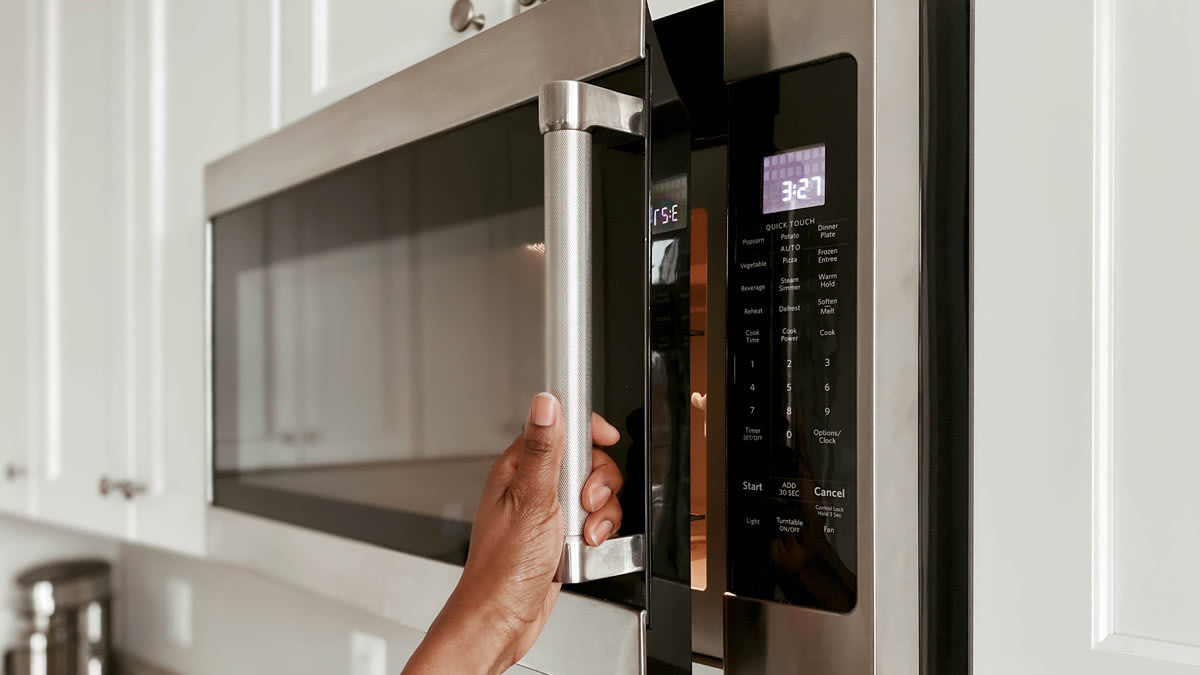
Focus on features that affect daily use and long-term value. These are the countertop microwave buying basics that matter most.
- Power rating (watts) — Higher watts mean faster, more even cooking. Aim for 800–1200 watts for general use.
- Capacity (cubic feet) — Measure the turntable diameter you need. Small (0.7–0.9 cu ft), medium (1.0–1.3 cu ft), large (1.4+ cu ft).
- Turntable vs. flatbed — Turntables are common and simple. Flatbed models give more usable interior space and easier cleaning.
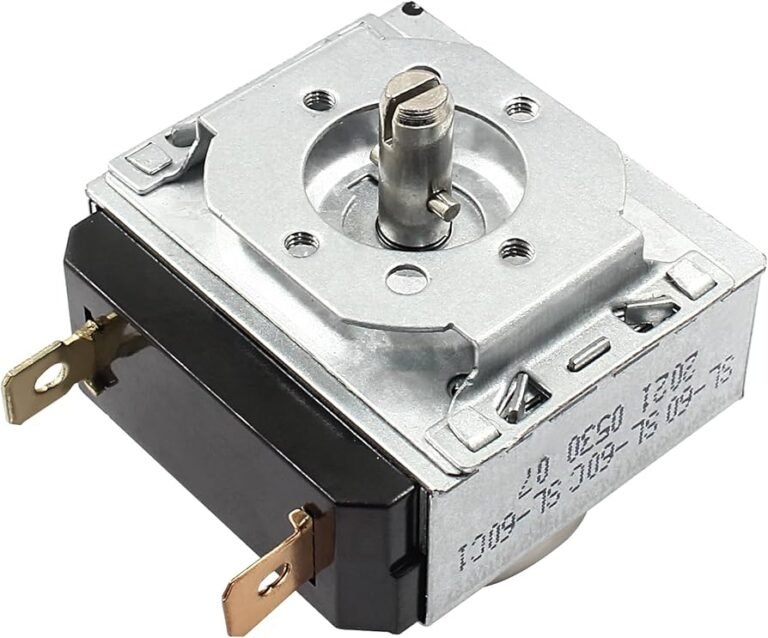
- Control type — Mechanical dials are simple. Touchpads and smart controls offer presets and precision.
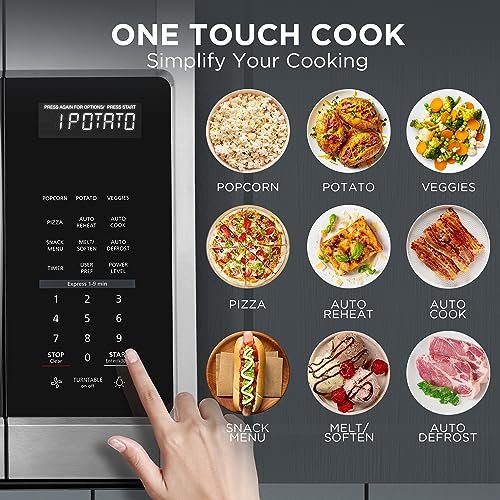
- Presets and sensor cooking — Useful for beginners. Sensor cooking adjusts time for humidity and prevents overcooking.
- Safety features — Child lock, automatic shutoff, and cool-touch exteriors are key for families.
Size, measurements, and kitchen fit
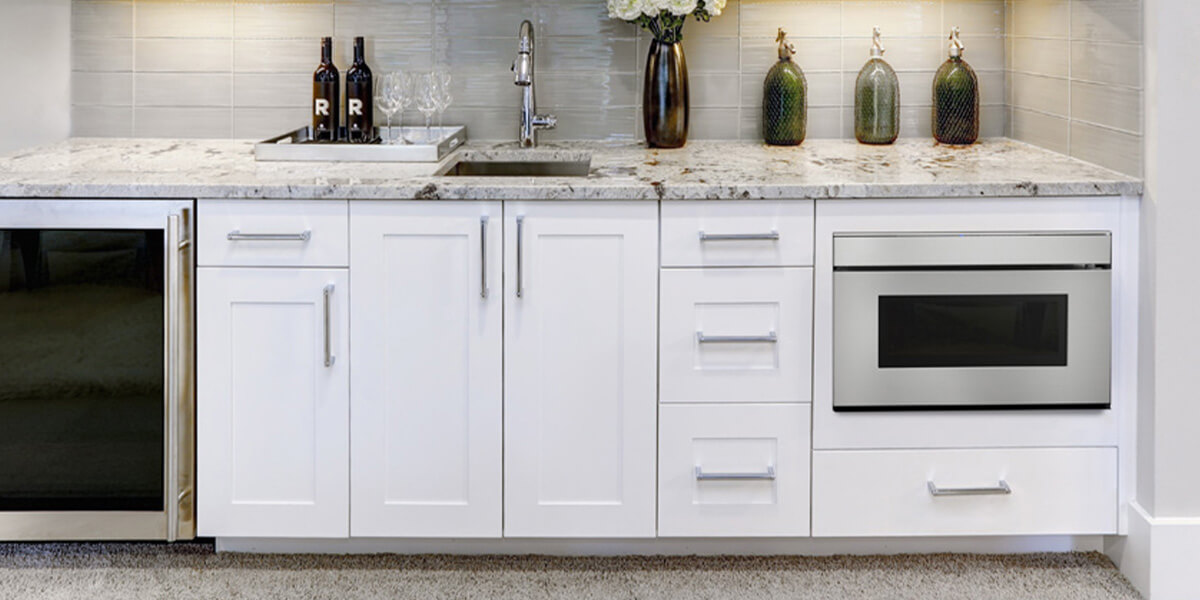
Getting the size right prevents installation headaches and ensures the microwave handles your dishes.
- Measure height, width, and depth on your counter space. Include clearance for vents and plug access.
- Check interior dimensions to fit plates, bowls, and casserole dishes. The turntable diameter matters.
- Consider counter weight and stability. Heavy-duty models may need sturdier counters.
A tip from my experience: bring a plate from home when shopping. That quick test avoids surprises at delivery.
Power and performance explained
Power affects speed and cooking quality. These countertop microwave buying basics make your daily cooking smoother.
- Wattage guides cooking time — 700–800 W can reheat and cook light foods. 1000–1200 W gives better roasting and quicker defrosting.
- Power levels — Multiple levels let you simmer, defrost, or reheat without overcooking.
- Even heating — Look for models with good airflow and turntable action to reduce cold spots.
When I compared two similarly priced models, the one with 1000 W and a good sensor mode gave noticeably better leftovers.
Controls, presets, and ease of use
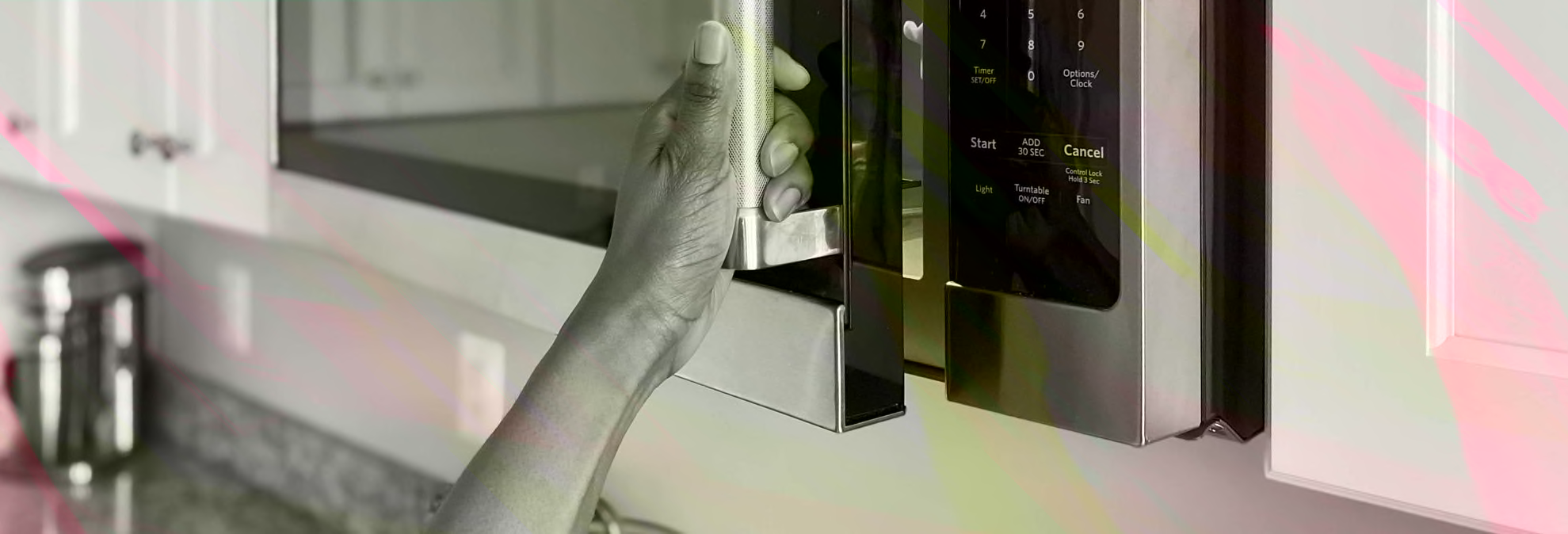
Simple controls make a big difference for everyday life. Keep these countertop microwave buying basics in mind.
- Intuitive layout — Large, clearly labeled buttons reduce mistakes.
- Preset programs — Pizza, popcorn, and beverage presets are handy but test them for accuracy.
- Memory and quick-cook keys — Save routines you use often.
- Audible tones and display — Adjustable volume and clear readouts help prevent overcooking.
I prefer models where the clock doubles as the timer. It’s a small convenience that becomes part of daily rhythm.
Safety, construction, and materials
Safety and build quality protect your family and extend the appliance’s life. They are essential countertop microwave buying basics.
- Cavity material — Stainless steel interiors resist stains and are easy to clean.
- Door and latch quality — Solid closures prevent microwave leakage and improve durability.
- Vents and heat management — Proper venting keeps the unit cooler and safer on the counter.
- Certifications — Look for safety approvals from recognized testing labs.
I once owned a model with flimsy door hinges that warped. Avoid weak build quality by inspecting doors and seals in-store.

Noise, durability, and brand reputation
Noise and reliability affect long-term satisfaction. These countertop microwave buying basics help you choose a model that lasts.
- Fan and magnetron noise — Quieter units feel more premium and are less disruptive in open kitchens.
- Warranty length and coverage — Longer warranties often mean better peace of mind.
- Brand service network — Good customer service and readily available parts matter for repairs.
- Reviews and tests — Read hands-on reviews and user feedback to find common failures.
From testing, brands with simple designs often outlast feature-packed models that add complex touch electronics.

Budgeting: prices and value
Know what you want before you spend. The countertop microwave buying basics include realistic budget planning.
- Basic models — Affordable, usually 700–900 W, fewer presets. Good for simple reheating.
- Mid-range models — 900–1,100 W, better build and features like sensor cooking.
- Premium models — 1,100+ W, flatbed designs, smart features, and stronger warranties.
- Factor long-term cost — Energy use, repair costs, and expected lifespan affect overall value.
I recommend focusing on the features you will actually use, not the shiny extras.
Placement, ventilation, and power requirements
Proper setup ensures safe use and peak performance. These countertop microwave buying basics include placement rules.
- Allow clearance behind and above the unit for venting. Follow manufacturer specs.
- Avoid enclosed cabinets unless the microwave is designed for built-in use.
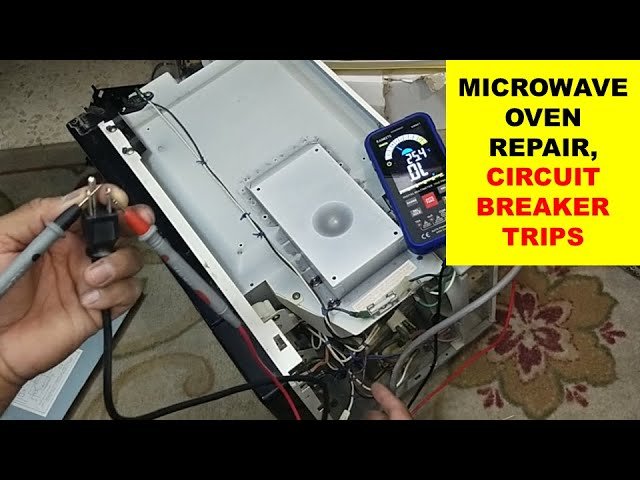
- Use grounded outlets and avoid extension cords. Check amperage to prevent trips.
- Place unit on a flat, stable surface away from heat sources and water.
When I moved to a smaller kitchen, planning vents and outlet placement prevented a frustrating return trip.
Cleaning and maintenance tips
Keeping the microwave clean extends life and ensures safe cooking. These countertop microwave buying basics make maintenance simple.
- Wipe spills promptly with mild detergent and water.
- Use microwave-safe covers to reduce splatters.
- Replace the turntable and roller ring if cracked to ensure smooth rotation.
- Deodorize with a bowl of water and lemon or vinegar heated for a few minutes.
A small habit of wiping the interior after use saves hours of scrubbing later.
Quick buying checklist
Use this checklist to apply countertop microwave buying basics at the store or online.
- Measure counter space and interior turntable fits.
- Choose wattage based on use (800–1200 W common).
- Confirm venting and plug access.
- Test controls and presets in-store when possible.
- Check warranty, service availability, and user reviews.
- Prefer models with child lock and good build quality.
Keep this checklist on your phone during shopping to avoid impulse choices.
Frequently Asked Questions of countertop microwave buying basics
What wattage do I need for a countertop microwave?
Aim for 800–1200 watts for general household use. Higher wattage cooks faster and usually heats more evenly.
How do I measure for a countertop microwave?
Measure width, depth, and height of your counter space and add clearance for vents and the power cord. Also measure plate diameter to ensure it fits the turntable.
Is a flatbed microwave worth the extra cost?
Yes, if you need more usable interior space and easier cleaning. Flatbed designs remove the turntable, which helps fit larger dishes.
Can I use a microwave on any countertop?
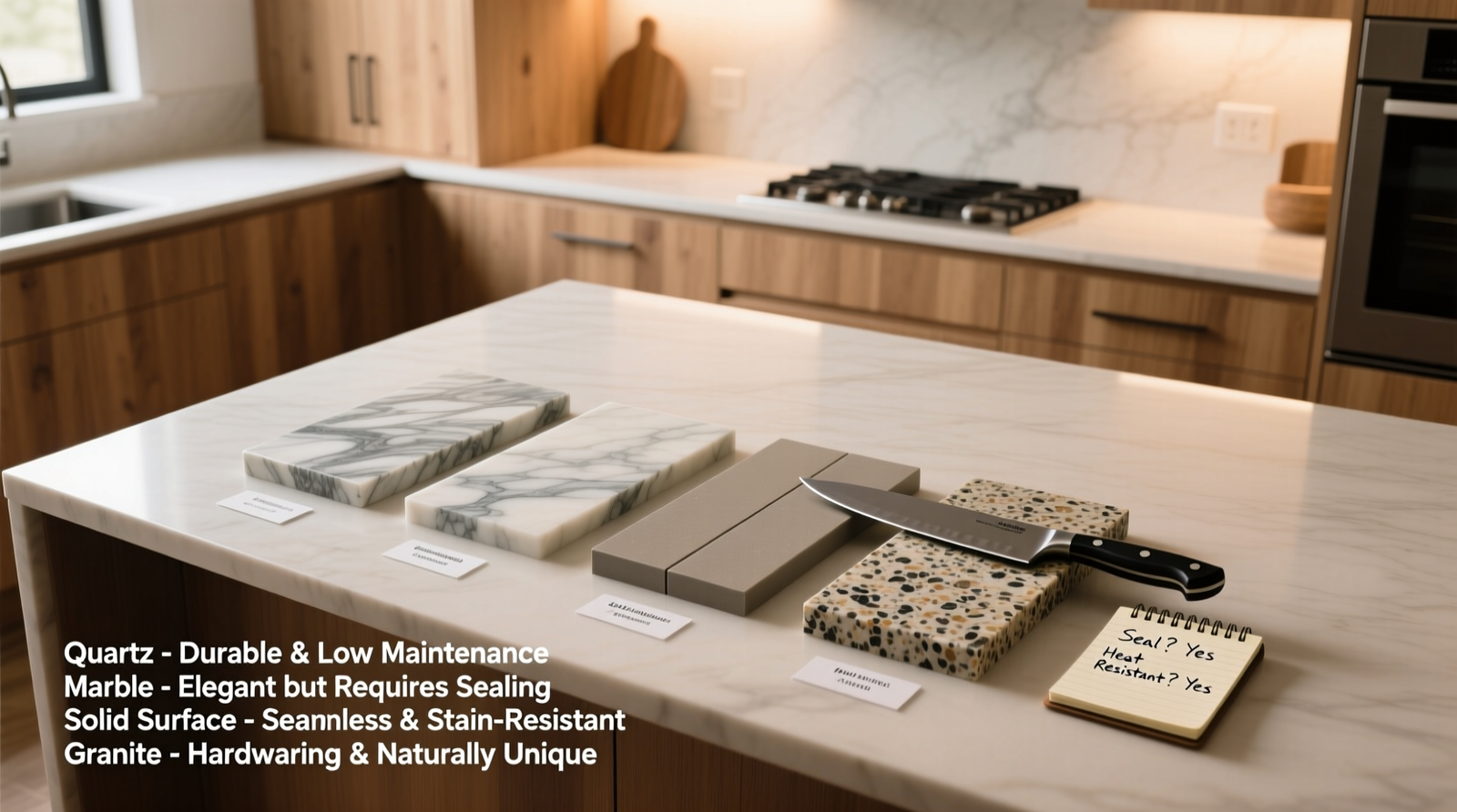
Only on stable, heat-resistant surfaces with enough clearance for vents. Avoid overhanging edges and ensure the outlet amperage matches the unit.
How long should a countertop microwave last?
With proper care, 7–10 years is typical, but this varies by build quality and usage habits. Regular cleaning and avoiding heavy-duty tasks extend life.
Conclusion
You can buy a microwave that fits your kitchen, budget, and cooking style by following countertop microwave buying basics: measure carefully, match wattage to needs, prioritize safety and build quality, and focus on useful features. Start with the quick checklist, test controls in person if you can, and avoid features you won't use. Take action now: measure your space, list must-have features, and compare two or three models before deciding. Leave a comment below with your top requirement, or subscribe for short, practical buying guides that make shopping easier.