Microwave Voltage Requirements: What You Need To Know
Most home microwaves need a 120V circuit; some built-ins require 240V or dedicated circuits.
I have worked with dozens of kitchen installs and appliance repairs, and I will walk you through microwave voltage requirements clearly and practically. This guide explains common voltages, how the microwave voltage requirements affect performance and safety, how to check your wiring, and when to call a pro. Read on for hands-on tips, real-world examples, and easy steps to keep your microwave safe and working well.

Understanding microwave voltage requirements
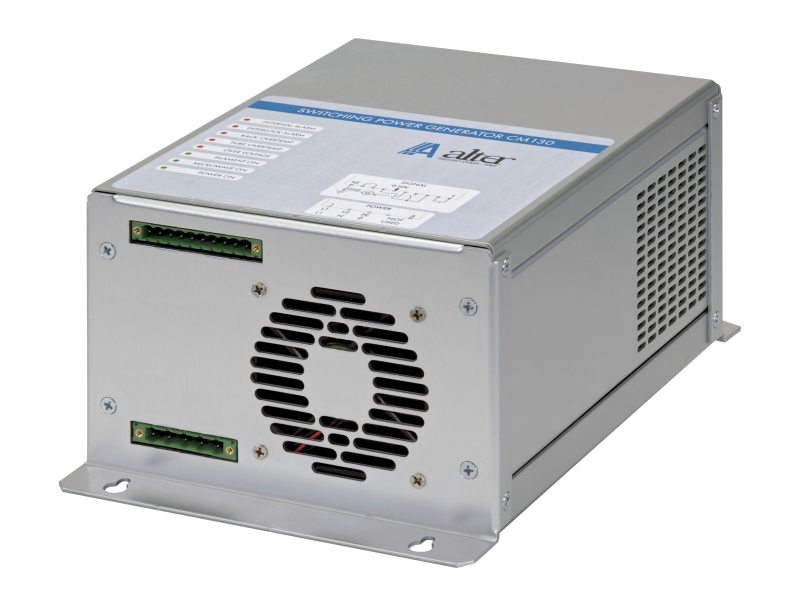
Microwave voltage requirements describe the supply volts a unit needs to run safely and to deliver its rated cooking power. Most consumer countertop microwaves run on 120V AC. Some built-in or commercial models use 208V or 240V. Inside the oven, the magnetron and high-voltage circuit step that supply up to thousands of volts to generate microwaves.
Here are the key points to remember about microwave voltage requirements:
- Household supply versus internal high voltage: the wall provides 120V or 240V, while the internal high-voltage transformer creates several thousand volts for the magnetron.
- Rated power versus line voltage: watt rating on the oven shows cooking power; line voltage and current determine input power and circuit size.
- Different models, different needs: countertop, over-the-range, built-in, and commercial microwaves may have different microwave voltage requirements.
From my experience, assuming every unit is 120V is a common mistake. Always check the label and manual for the exact microwave voltage requirements before installation or replacement.
Common household voltages and microwave compatibility
Most kitchens use two main voltages. Your microwave voltage requirements will depend on the model type and how it is wired. Know these common scenarios:
- 120V single-phase supply: This is standard for most countertop microwaves and many over-the-range units. Plugs are typically the common three-prong NEMA 5-15 style.
- 240V single-phase supply: Some large built-in or commercial microwaves may require 240V. These need different plugs and often hardwiring.
- 208V in commercial or multi-unit buildings: Some commercial sites use 208V; check the microwave voltage requirements for compatibility.
- Dedicated circuits: Many models list a required dedicated circuit in their microwave voltage requirements. This prevents tripping and reduces fire risk.
When shopping, look for the spec sheet that lists voltage, amperage, and recommended circuit. Matching the microwave voltage requirements to your home wiring keeps the oven safe and reliable.

How to check voltage and wiring for your microwave
Checking voltage and wiring is a simple but crucial step. Follow safe steps and use proper tools.
- Turn off power at the breaker before inspecting wiring. Safety first.
- Read the label on the back or inside the door for the microwave voltage requirements. It lists volts, amps, and sometimes recommended circuit breaker size.
- Use a multimeter to measure line voltage at the outlet. Measure between hot and neutral for 120V units and between hot legs for 240V units.
- Inspect the plug and cord for damage. If the unit is hardwired, visually check the connection box and confirm proper wire gauge.
I once installed an over-the-range microwave and found the outlet was on a shared circuit. The unit tripped the breaker often until we moved it to a dedicated circuit that matched the microwave voltage requirements. That fix stopped the trips and extended the oven’s life.
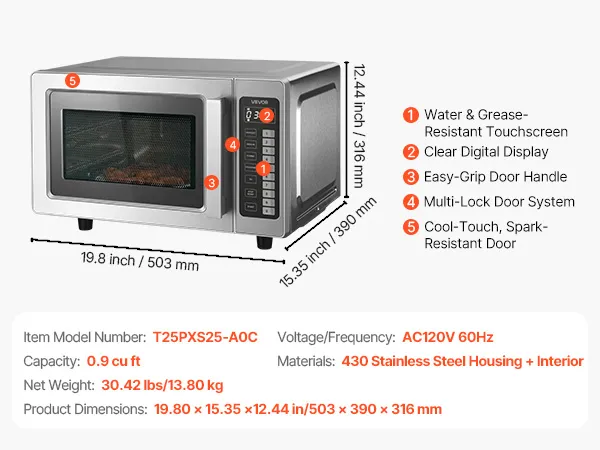
Installation, circuits, and protection
Correct circuit sizing and protection are part of meeting microwave voltage requirements. Improper wiring can damage the unit or create safety hazards.
- Dedicated circuit: Many manuals recommend a dedicated circuit. This is common in the microwave voltage requirements for larger ovens.
- Breaker size and wire gauge: Typical countertop microwaves on 120V use a 15A or 20A breaker with 14 AWG or 12 AWG wire respectively. Built-in 240V models may need 20A to 30A breakers and thicker wiring.
- GFCI and AFCI: Local codes may require GFCI or AFCI protection. Check the microwave voltage requirements and local electrical code.
- Hardwiring versus plug: Built-in units might be hardwired. If so, match the supply voltage and wire gauge exactly to the microwave voltage requirements.
If you are not a licensed electrician, hire one for installation. Meeting the microwave voltage requirements and local codes is not just best practice—it is often required by law.

Troubleshooting voltage-related microwave issues
Voltage problems can cause many common faults. Recognize the signs and try safe checks before calling a technician.
- No power at all: Could be a tripped breaker, blown fuse, or wrong outlet voltage compared to microwave voltage requirements.
- Unit powers on but won’t heat: This may indicate internal high-voltage failure, but also confirm the outlet supplies the correct voltage.
- Tripping breaker frequently: Likely the microwave is on an undersized or shared circuit that fails to meet the microwave voltage requirements.
- Buzzing or unusual noises: Could be a failing transformer or high-voltage diode. Check supply voltage first.
If your checks point to incorrect supply voltage or repeated breaker trips, stop using the oven and call a pro. Working on the microwave’s internal high-voltage parts is dangerous and should be left to trained technicians.

Energy, efficiency, and power ratings
Voltage ties directly to power and energy use. Understanding microwave voltage requirements helps you compare models fairly.
- Rated cooking power versus input power: Cooking watts are lower than input watts because of conversion losses. The label often shows both.
- Basic formula: Power (watts) = Voltage (volts) × Current (amps). Use this to estimate current draw from the microwave voltage requirements.
- Efficiency: A higher watt microwave may cook faster but can draw more current and need a bigger circuit that meets the microwave voltage requirements.
- Real use: Short, high-power bursts use less energy than long, low-power cycles for many foods.
When buying, match the microwave voltage requirements to your needs and your home’s electrical capacity for both performance and energy efficiency.

Safety, codes, and best practices
Safety is the top priority when dealing with microwave voltage requirements. Follow codes and use safe habits.
- Read the manual and spec sheet for the exact microwave voltage requirements.
- Follow local electrical codes and the National Electrical Code recommendations when wiring or installing.
- Use a dedicated circuit when recommended. This matches the microwave voltage requirements and improves safety.
- Replace damaged cords and plugs. Never use makeshift adapters that change voltage or grounding.
- Schedule regular checks. If you smell burning or see smoke, unplug the unit and call a professional.
I always test outlets before installing. That small step often prevents mismatches between the appliance and the house and keeps installations safe.

Frequently Asked Questions of microwave voltage requirements
What voltage do most home microwaves use?
Most home countertop microwaves use 120V. Some built-in or commercial models use 208V or 240V, so check the label for exact microwave voltage requirements.
Can I plug a 240V microwave into a 120V outlet?
No. Plugging a 240V microwave into a 120V outlet will underpower the unit and can damage it. Always match the supply to the microwave voltage requirements.
Do microwaves need a dedicated circuit?
Many do, especially higher wattage or built-in models. The manual will list if a dedicated circuit is part of the microwave voltage requirements.
How do I measure the outlet voltage for my microwave?
Use a multimeter to measure between hot and neutral for 120V or between hot legs for 240V. Always follow safety steps and turn off power before inspecting wiring.
What breaker size is needed for a microwave?
Breaker size depends on the microwave’s amperage and microwave voltage requirements. Typical 120V countertop units use a 15A or 20A breaker, while some built-ins require 20A to 30A on 240V.
Will voltage fluctuations harm my microwave?
Yes, wide voltage swings can reduce performance and shorten lifespan. Use surge protection and ensure your supply meets the microwave voltage requirements for stable operation.
Conclusion
Matching the microwave voltage requirements to your home wiring keeps your appliance safe and reliable. Check the label and manual, use the right outlet or hardwire, and respect circuit recommendations. If you are unsure, hire a licensed electrician to verify voltage, install a dedicated circuit, or handle hardwiring. Take action now: check your microwave’s voltage label and compare it to your outlet or circuit to avoid trips and damage. If this helped, leave a comment or subscribe for more practical home electrical tips.