Microwave Kitchen Placement: Smart Tips For Perfect Layout
Place your microwave for safety, reachability, ventilation, and seamless workflow in the kitchen.
I’ve designed and installed dozens of kitchens and helped homeowners choose microwave kitchen placement that works. This guide breaks down practical options, trade-offs, code and electrical considerations, and real-world tips so you can pick the best microwave kitchen placement for your space and lifestyle.
:max_bytes(150000):strip_icc()/microwave-cabinet-0e30c5bb-b016a1330988418990eca5aecd04658d.jpg)
Why microwave kitchen placement matters
Microwave kitchen placement affects safety, cooking flow, and kitchen ergonomics. A poorly placed microwave can make simple tasks awkward, create burn hazards, or limit ventilation. Thoughtful placement improves daily cooking, speeds prep, and reduces clutter.
Microwave kitchen placement also influences kitchen design and resale appeal. Buyers notice integrated layouts and clean sightlines, so placement matters for both function and form. Good placement balances reachability, ventilation, and the kitchen work triangle.
Common microwave kitchen placement options
There are several standard microwave kitchen placement options. Each option has pros and cons depending on kitchen size, habit, and budget.
Countertop placement
- Easy to install and move.
- Works well in rental kitchens or when you want simple access.
- Takes counter space and can look cluttered.
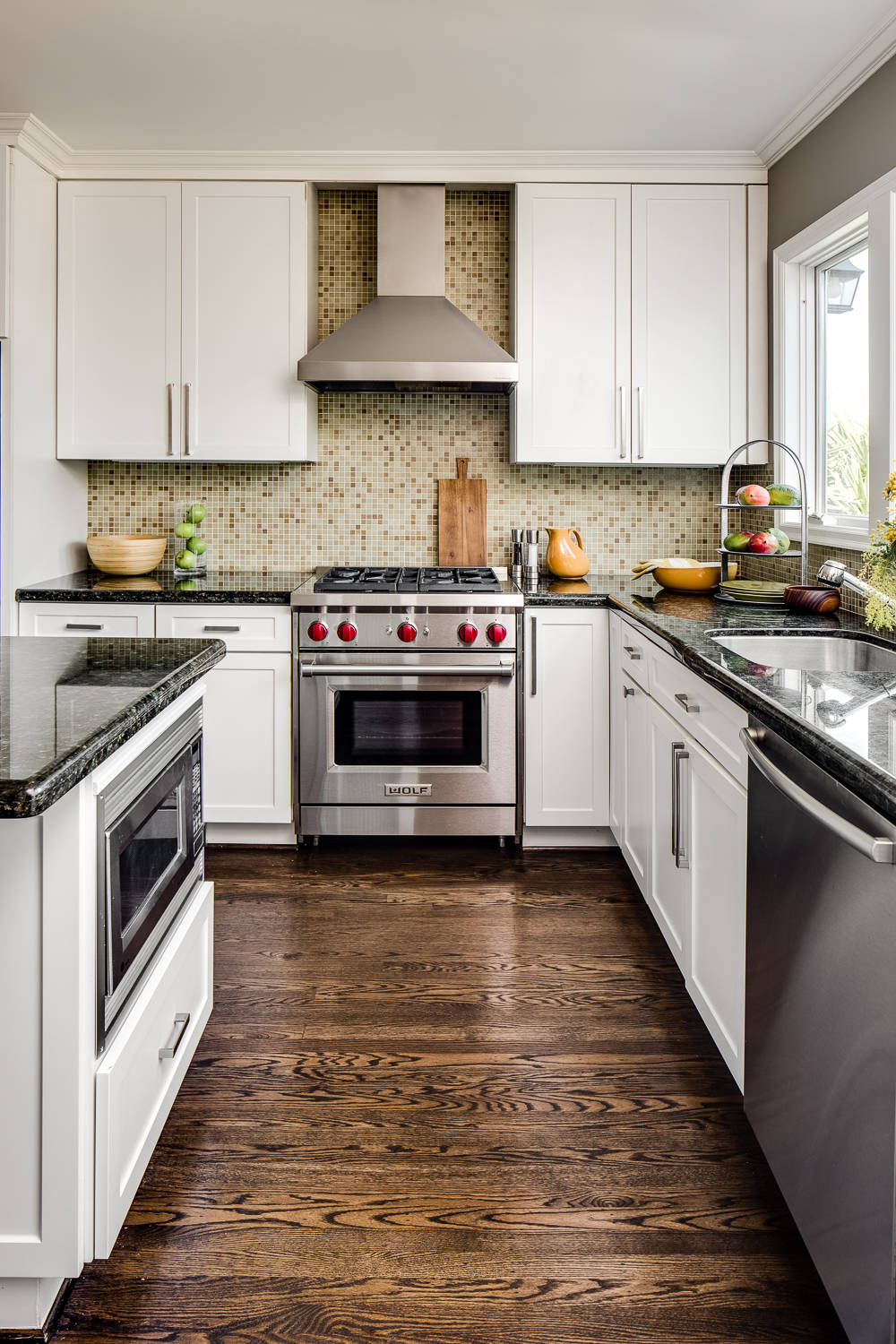
Over-the-range placement
- Saves counter space and often includes venting for the cooktop below.
- Typical for small kitchens and apartments.
- Can be high for short users and may require a ladder to access.
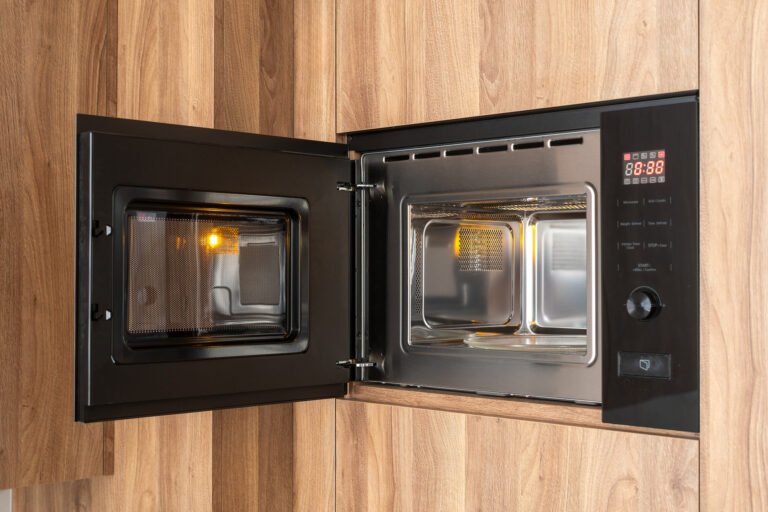
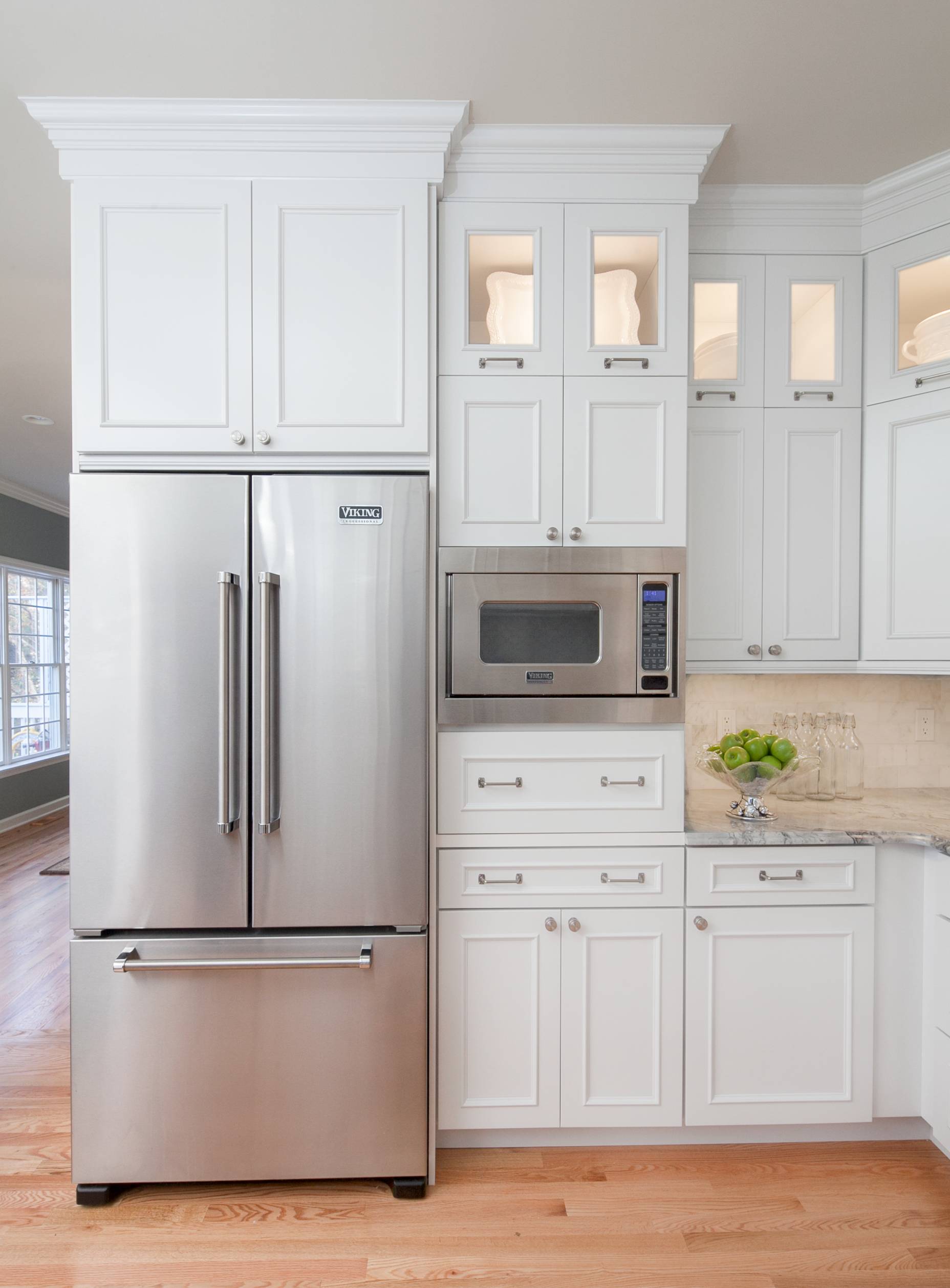
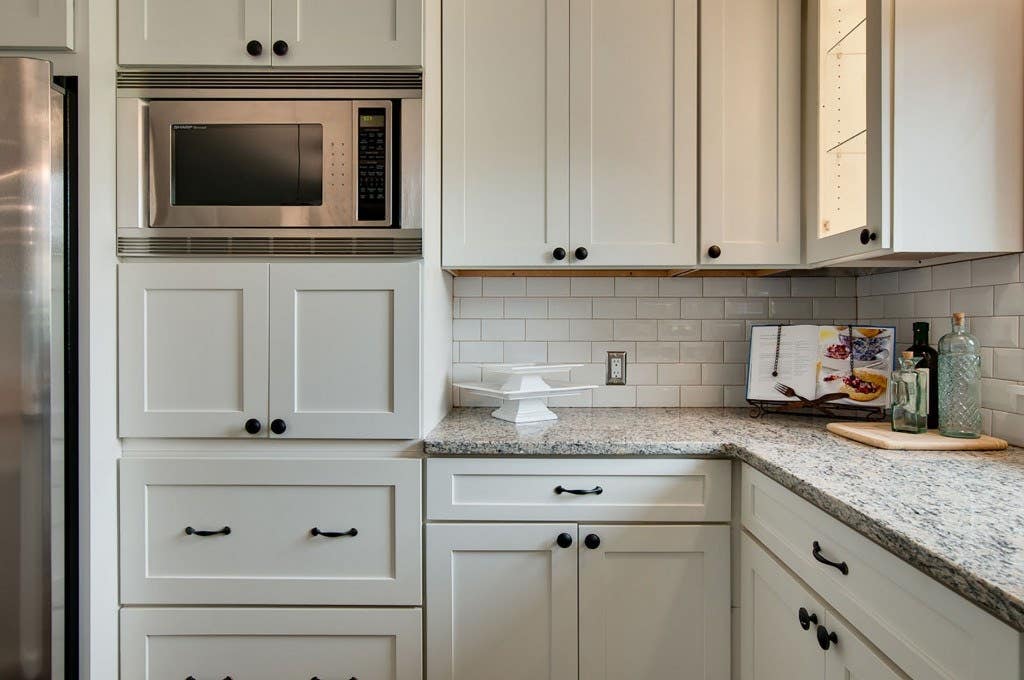
Built-in or wall-mount placement
- Integrates with cabinetry and looks sleek.
- Usually installed at eye or waist height for ease of use.
- Requires professional installation and a cabinet trim kit.
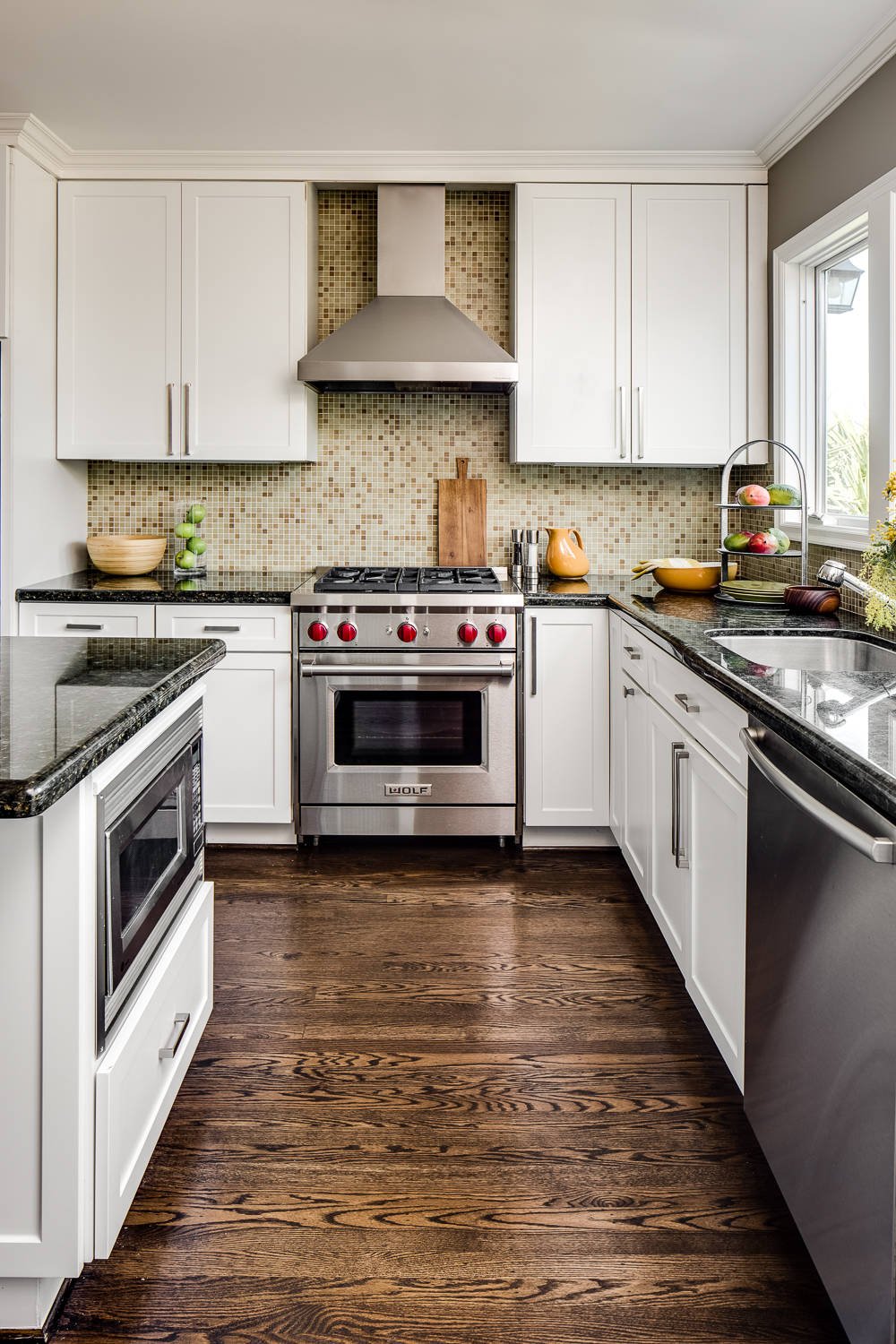
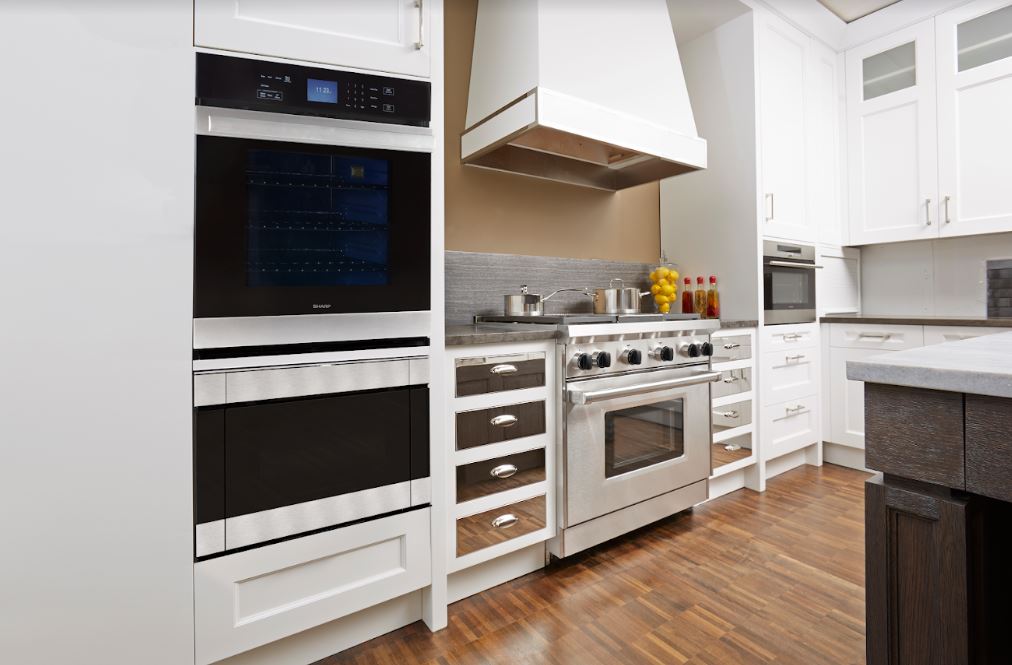
Microwave drawer placement
- Installed below a countertop or island for easy, ergonomic access.
- Great for modern kitchens and for lowering reach for kids or those with mobility limits.
- Typically more expensive than other options.
Under-cabinet or shelf placement
- Keeps counters clear and is less intrusive visually.
- Needs proper ventilation and secure mounting to support weight.
- Often limited by cabinet depth and wiring needs.
Pantry or cabinet shelf placement
- Hides the microwave out of sight for a clean look.
- Can be convenient if near the prep zone.
- Ensure enough ventilation and a safe, accessible height.
How to choose the right microwave kitchen placement
Match placement to how you use the kitchen. Consider frequency of microwave use, who uses it, and typical tasks like reheating, cooking, or defrosting.
Evaluate ergonomics and reach
- Place the microwave where users can lift hot dishes safely.
- For frequent use, waist or eye-level placement is best.
- Avoid placing it too high above a stove or in tight corners.
Check ventilation and clearance needs
- Over-the-range models require proper clearance above cooktops and may need a vent to the outside.
- Built-in or enclosed placements need manufacturer-specified clearances to avoid overheating.
- Always follow the microwave’s manual and local codes on clearances.
Plan electrical and circuit requirements
- Microwaves often need a 15- or 20-amp dedicated circuit depending on the model.
- Conceal wiring safely in cabinetry or through the wall with an electrician’s help.
- Avoid using extension cords or shared circuits for high-power microwaves.
Fit into your kitchen workflow
- Place the microwave near the prep area, fridge, or dining zone to reduce steps.
- Maintain the work triangle: fridge, sink, stove—microwave should not block flow.
- Consider multiple microwaves in high-use kitchens, like a built-in for cooking and a countertop model for quick reheats.
Assess safety and family needs
- For homes with kids, avoid very high over-the-range placements.
- If accessibility is a concern, microwave kitchen placement at lower levels or as a drawer helps independence.
- Consider nearby surfaces to set hot items down safely.

Installation tips, code, and safety considerations
Preparation makes installation safe and long-lasting. Planning helps you avoid surprises and extra cost.
Follow manufacturer instructions and local codes
- Always use the cutout dimensions and clearances the manufacturer lists.
- Check local building codes for venting and electrical requirements.
- Permits may be needed for built-in work or major electrical changes.
Secure mounting and cabinet reinforcement
- Built-in and under-cabinet microwaves need sturdy framing and proper fasteners.
- Use plywood backing or reinforcement if cabinets are thin.
- Hire a professional for heavy units or complex installations.
Vent and airflow
- Over-the-range microwaves often serve as ventilation; ensure ducting is correct size and routes outdoors if possible.
- Recirculating vents with charcoal filters are an option where external venting isn’t feasible.
- Maintain 1–2 inches of space behind and above the unit per manufacturer guidance.
Electrical safety
- A dedicated outlet inside a cabinet or wall box is best for built-ins.
- Use a licensed electrician for hardwired units or relocations.
- Test outlets and circuits before installation to prevent overloads.
Avoid common mistakes
- Don’t mount too high above the stove if short people or kids will use it.
- Don’t block cabinet airflow or place the microwave in an enclosed space without ventilation.
- Don’t overlook the door swing; a microwave door must open fully without hitting appliances or cabinetry.
Design, aesthetics, and integration
Good microwave kitchen placement can enhance kitchen style. Integration keeps the space tidy and intentional.
Match finishes and trim
- Use trim kits for built-in looks when installing countertop or freestanding microwaves into cabinets.
- Coordinate finishes with other appliances for a unified look.
- Consider flush-mounted models for a modern aesthetic.
Maintain sightlines and balance
- Place microwaves so they don’t interrupt visual flow on focal walls.
- Balance tall appliances across the room to avoid a lopsided look.
- Use open shelving and decorative panels to soften the appliance feel.
Plan storage around the microwave
- Keep frequently used items like microwave-safe dishes and lids in nearby drawers or shelves.
- Add a small landing area beside the microwave for hot items.
- Store cleaning supplies out of reach but within the same zone for easy maintenance.

Pros and cons: quick comparison by placement
Countertop
- Pros: Portable and inexpensive.
- Cons: Uses counter space and looks less integrated.
Over-the-range
- Pros: Saves counter space and adds venting.
- Cons: Often too high and may be noisy.
Built-in
- Pros: Clean look and ergonomic options.
- Cons: Higher cost and complex install.
Drawer
- Pros: Accessible and modern.
- Cons: Most costly and needs specific cabinetry.
Cabinet or pantry
- Pros: Hidden and tidy.
- Cons: Venting and access challenges.

Personal experience: lessons learned and practical tips
From my years designing kitchens, the most common regret I see is poor height choice. Homeowners often pick over-the-range placement because it saves counter space, then regret reaching above a hot stove. My rule of thumb: prioritize easy, safe reach over saving every inch of counter.
I once helped a family relocate a microwave from above the stove to eye level inside a tall cabinet. They reported fewer accidents and faster meal prep afterward. Invest in a professional install. Small extra cost upfront saves trouble later.
Other practical tips:
- Test reach before finalizing cabinetry heights.
- Keep a three-foot landing surface nearby for handling hot dishes.
- Label circuits and keep the manual taped inside the cabinet for future reference.
PAA-style quick questions
Can I place a microwave above an induction cooktop?
Yes, but ensure the microwave model is rated for over-the-range use and follows the required clearance. Also confirm proper venting and heat resistance per the manufacturer.
Is it safe to put a microwave inside a cabinet?
It can be, if the cabinet has adequate ventilation and the manufacturer’s clearances are followed. Professional installation with proper cutouts is strongly recommended.
How high should a microwave be installed?
For frequent use, place it at waist or eye level for safe lifting and viewing. Over-the-range microwaves often sit higher; consider the users’ heights before choosing.
Frequently Asked Questions of microwave kitchen placement
What is the best height for microwave kitchen placement?
The best height is where users can place and remove hot dishes safely, typically at eye or waist level. Choose a height that suits the shortest regular user to minimize risk.
Do microwaves need a dedicated circuit?
Many microwaves perform best on a dedicated 15- or 20-amp circuit, especially larger models. Check the appliance specifications and consult an electrician.
Can a microwave be installed under a counter?
Yes. Microwave drawers and under-counter installations are popular for accessibility and style. Ensure the unit has proper ventilation and a suitable cabinet cutout.
Should I vent an over-the-range microwave to the outside?
Venting to the outside is ideal for removing smoke, steam, and grease. If outside venting isn’t possible, use a recirculating kit with charcoal filters and maintain it regularly.
Is built-in microwave kitchen placement worth the extra cost?
Built-in placement offers a clean look and improved ergonomics, which can enhance daily use and resale appeal. The investment pays off in design continuity and convenience for many homeowners.
Can I use an extension cord for a microwave?
No. Using extension cords for microwaves is unsafe and can cause overheating or electrical hazards. Always use a properly installed outlet or have the unit hardwired by a professional.
Conclusion
Good microwave kitchen placement improves safety, speed, and kitchen harmony. Focus on reachability, ventilation, electrical safety, and how you cook every day when deciding. Start by measuring users’ heights, mapping the work triangle, and consulting the microwave’s manual before you buy or install.
Take action: sketch your kitchen flow, test potential heights with tape on the wall, and consult a pro for wiring or built-ins. Share your layout questions in the comments, subscribe for more kitchen design tips, or try a mock placement to see what feels best in real life.