Microwave Heating Time Guide: Quick Safe Reheat Tips
Microwave heating time guide: times vary by wattage, portion size, and food moisture content.
I’ve spent years testing and teaching kitchen basics, and this microwave heating time guide pulls together clear rules, real-world tips, and simple math so you can heat food quickly and safely. Read on to learn how wattage, container choice, portion size, and food type change heating times, plus step-by-step methods and troubleshooting based on hands-on experience.

How microwaves heat food
Microwaves excite water molecules in food. That motion creates heat, warming the food from the inside out. Foods with more water heat faster than dry foods. Fat and sugar absorb energy differently, so texture changes can be dramatic.
Microwave heating time guide basics include knowing that heating is uneven without stirring. Turntables, vents, and covering food all affect how evenly a dish heats. Understanding these simple physics points makes the rest of the guide easy to use.
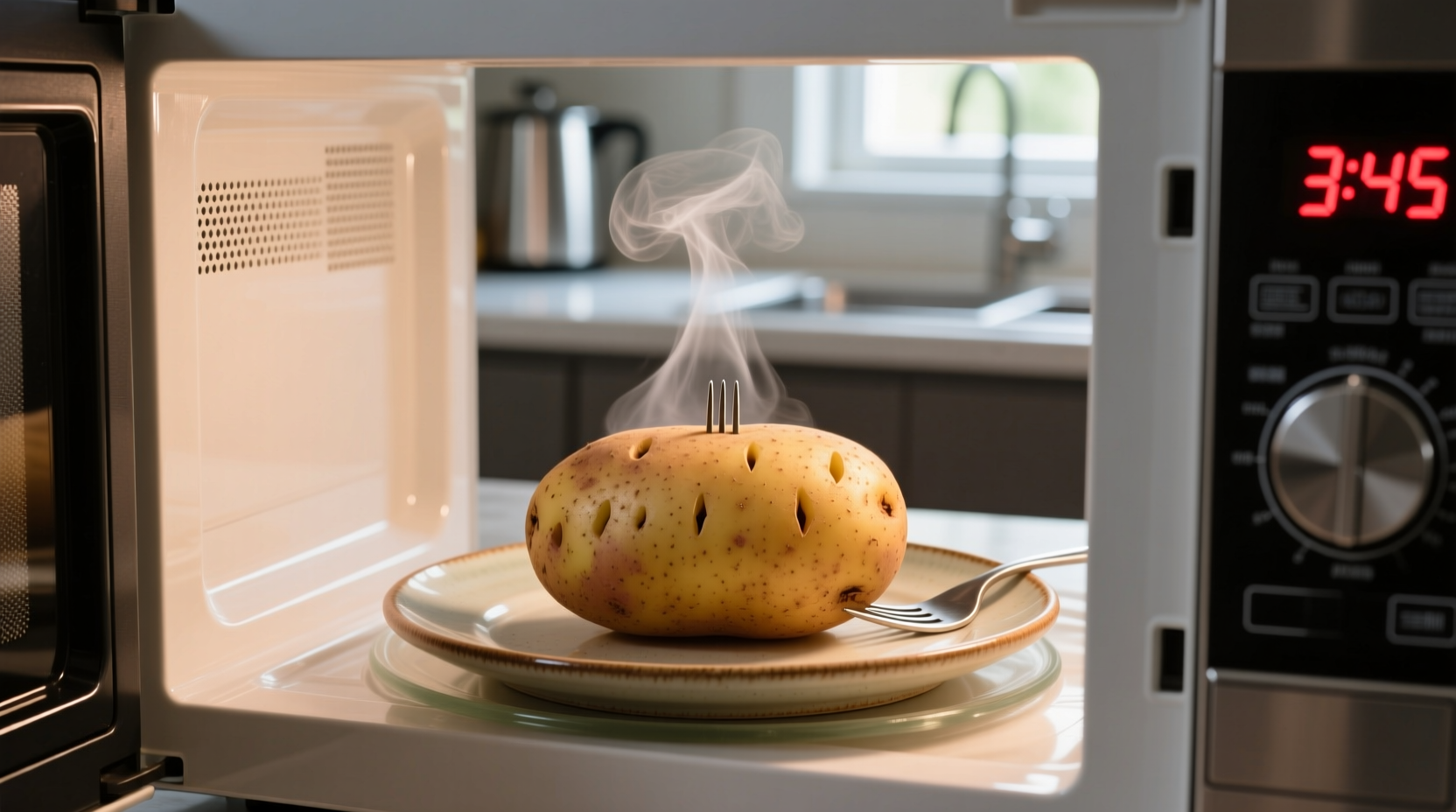
Microwave wattage and why it matters
Microwave power is measured in watts. Most home microwaves range from 600 W to 1200 W. Higher wattage cooks faster and needs less time. If you follow a recipe written for 1100 W and you have 700 W, you must increase time.
How to adjust times by wattage:
- If your microwave is lower wattage, increase time by 20 to 50 percent.
- If your microwave is higher wattage, reduce time by 10 to 30 percent.
- Use short bursts and check often when unsure.
Knowing your oven’s wattage is one of the first steps in any microwave heating time guide. Check the label inside the microwave door or the manual to confirm the exact wattage.
General microwave heating time guide for common foods
This section gives practical, tested time ranges. These are starting points; always check food temperature and stir when possible.
Leftovers (single serving, 1 cup)
- 600 W: 2:30 to 3:30 minutes
- 800 W: 1:45 to 2:30 minutes
- 1000 W: 1:15 to 2:00 minutes
Frozen meals (microwaveable, medium size)
- 600 W: 6 to 10 minutes
- 800 W: 5 to 8 minutes
- 1000 W: 4 to 6 minutes
Cooked rice or pasta (1 cup)
- 600 W: 2:30 to 3:30 minutes
- 800 W: 2:00 to 2:45 minutes
- 1000 W: 1:30 to 2:00 minutes
Vegetables (steamed in microwave, 1 cup)
- Microwave heating time guide: 600 W: 3:00 to 4:00 minutes
- 800 W: 2:00 to 3:00 minutes
- 1000 W: 1:30 to 2:30 minutes
Chicken, cubed or thin slices (fully cooked reheat)
- 600 W: 3:30 to 4:30 minutes
- 800 W: 2:30 to 3:30 minutes
- 1000 W: 2:00 to 2:45 minutes
Ground meat or loose fillings (reheat)
- 600 W: 3:00 to 4:00 minutes, stir halfway
- 800 W: 2:00 to 3:00 minutes, stir halfway
Liquids (water, soups, 1 cup)
- 600 W: 1:30 to 2:30 minutes
- 800 W: 1:00 to 2:00 minutes
- 1000 W: 0:45 to 1:30 minutes
Eggs (scrambled, 1–2 eggs)
- 600 W: 1:30 to 2:30 minutes, stir halfway
- 800 W: 1:00 to 1:45 minutes, stir halfway
Keep in mind:
- Thick or dense foods need longer times.
- Large portions require proportionally more time; multiply single-portion times and then test.
- Always check internal temperature for proteins: 165°F (74°C) for reheated poultry and leftovers.
This microwave heating time guide is meant to be a starting map, not an exact rule. Test and adjust for your particular microwave and container.
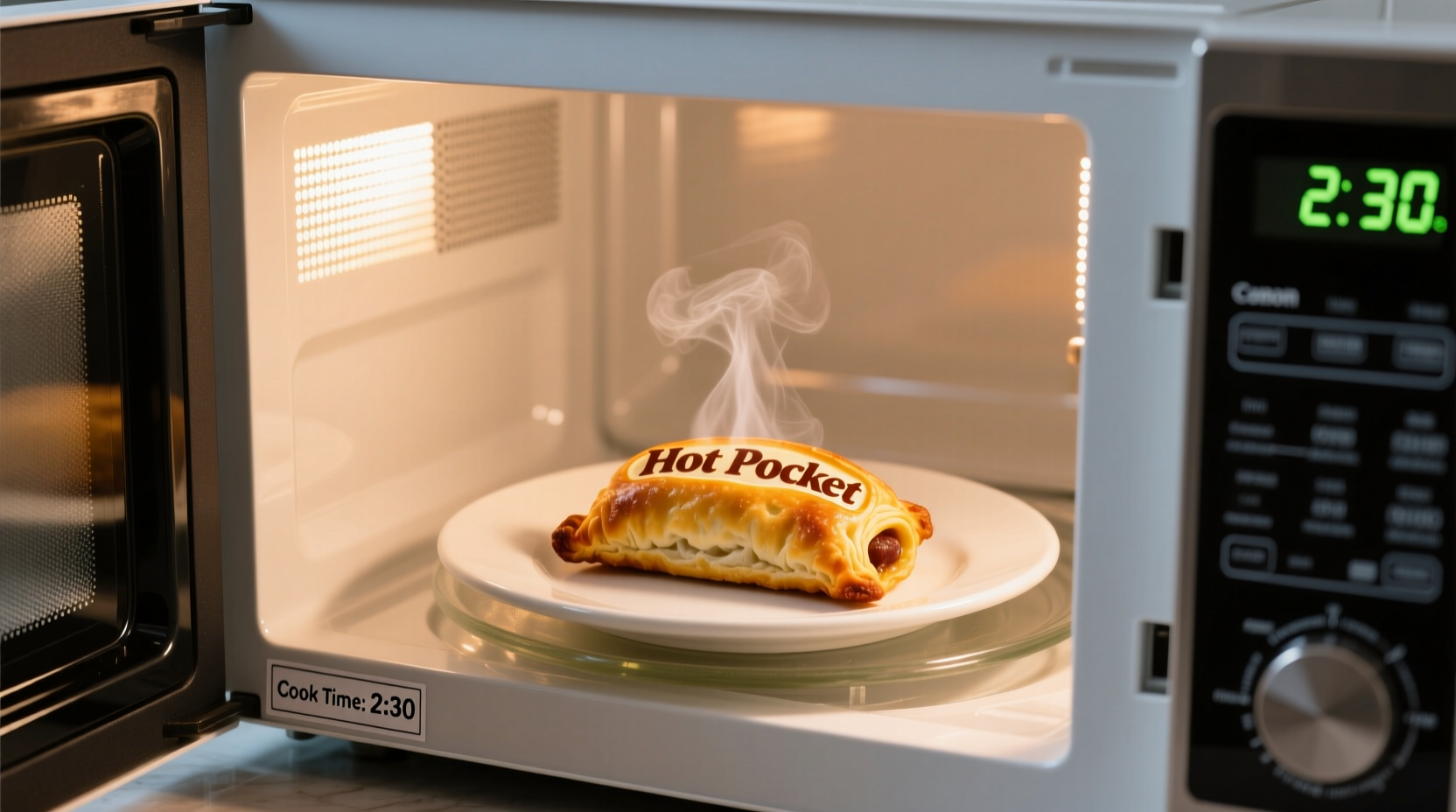
How to calculate heating time by wattage (simple formula)
A quick way to convert times between microwaves:
- Formula: Adjusted Time = (Original Time) × (Original Wattage / Your Wattage)
Example:
- A recipe says 2 minutes at 1000 W. Your microwave is 700 W.
- Adjusted Time = 2 × (1000 / 700) = 2 × 1.43 ≈ 2.85 minutes (about 2 minutes 51 seconds)
Tips for the formula:
- Round to nearest 15 seconds and always check early.
- Use short intervals and stir or rotate food to avoid hot spots.
- For safety, when adjusting for lower wattage, add 10 to 20 seconds after the calculated time and check again.
Apply this method whenever you follow a microwave heating time guide from another source.
Tips for best results and safety
Small habits make a big difference in microwave heating.
- Cover food with a microwave-safe lid or vented plastic wrap to trap steam and encourage even heating.
- Stir, rotate, or flip food halfway through heating to eliminate cold spots.
- Let food stand for 1 to 3 minutes after heating; carryover heat evens temperature.
- Use shallow, wide containers for faster, more even heating.
- Avoid metal and non-microwave-safe plastics to prevent sparks and chemical leaching.
- Use a food thermometer for proteins and casseroles to confirm a safe internal temperature.
Following these tips elevates any microwave heating time guide into reliable everyday practice. Safety and texture improve when you heat smarter, not longer.
Common mistakes and troubleshooting
Here are frequent problems and quick fixes I learned by testing thousands of reheats.
- Cold center: Fix by cutting food into smaller pieces and stirring. Increase stand time.
- Soggy food: Prevent by using a paper towel or vented cover and microwaving in short bursts.
- Overcooked edges: Lower power to 50–70% and increase time slightly for gentler heating.
- Exploding liquids: Heat in short intervals and let liquids stand; use a non-sealed container.
- Uneven heating in frozen meals: Pierce film, stir midway, and rotate the tray if possible.
These troubleshooting tips come from hands-on kitchen testing and align with microwave heating time guide best practices.

My experience and practical tests
I often reheat rice, soups, and leftovers to learn what works. One error I made was always microwaving full power—many foods do better on medium power. I learned to cut portions smaller and use lids for more even results.
A small experiment I ran: identical portions of stew heated at full power versus 70% power. Full power gave hot edges and a cold center. At 70% with stirring and standing time, the stew was evenly heated and retained better texture. These kinds of experiments shaped this microwave heating time guide.
Frequently Asked Questions of microwave heating time guide
What is the safest microwave power to reheat food?
Use medium-high power (70–80%) for most reheating tasks. It reduces hot edges and cold centers while preserving texture.
How do I know my microwave wattage?
Check the label inside the door or the user manual. If you don’t have the manual, look up the model number online or test with a standard recipe and adjust times.
Can I microwave frozen raw meat?
It is possible to defrost in the microwave but cook immediately after thawing. Partial cooking during defrosting can allow bacterial growth if not cooked right away.
How long should leftovers stand after microwaving?
Let leftovers stand 1 to 3 minutes, depending on portion size. Standing time evens temperatures and completes the heating process.
Is it okay to microwave in plastic containers?
Only use microwave-safe plastic containers. Non-microwave-safe plastics can melt or leach chemicals into food.
How do I prevent boiling-over with soups?
Heat soup in short intervals and stir between bursts. Leave a vent or use a loose cover to allow steam to escape.
Why does my food sometimes explode in the microwave?
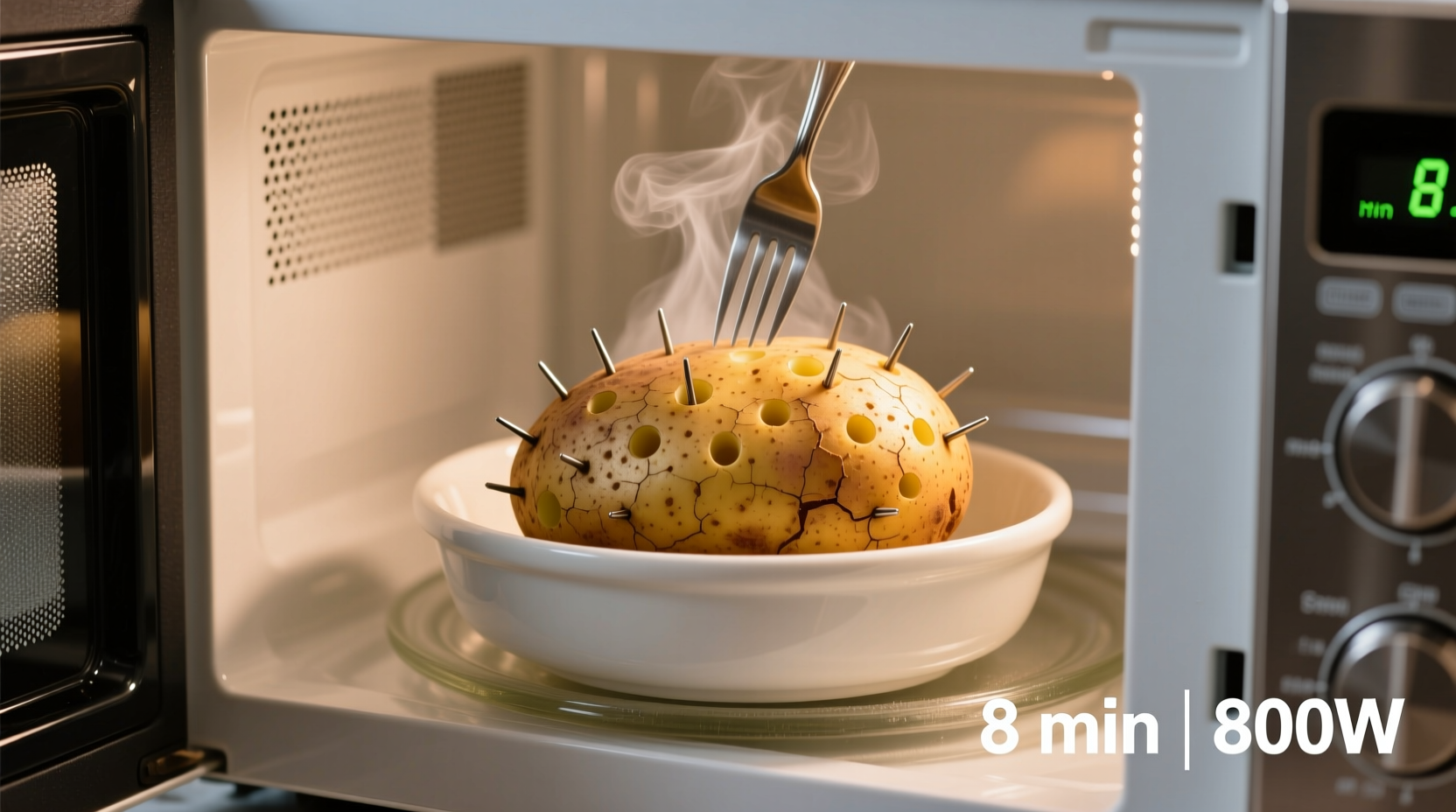
Food with sealed skins or shells (eggs, tomatoes) can trap steam, causing explosions. Pierce skins and use a vented cover.
Conclusion
This microwave heating time guide gives simple rules, practical formulas, and safety tips to help you heat food faster and more reliably. Start by knowing your microwave wattage, use the conversion formula, and favor stirring, covering, and standing time for even results. Try the sample times and adjust for your appliance and portion sizes.
Take action today: test one leftover with the times above, note the result, and tweak your approach. Share your experience or ask a question below to get tailored advice.