Microwave Outlet Safety: Prevent Fires And Overloads
Microwave outlet safety prevents fires, shocks, and circuit overloads when installed and used correctly.
I have installed and tested kitchen wiring for years and I know what goes wrong with microwave outlet safety. This article explains why dedicated outlets matter, how to spot hazards, what code-level requirements you should expect, and practical steps you can take today to keep your kitchen safe. Read on for clear, tested advice you can use when buying, installing, or troubleshooting a microwave outlet.

Why microwave outlet safety matters
Microwave outlet safety reduces the risk of electrical fires and shocks in a busy room. Microwaves draw steady, high current that can overload old or shared circuits. A safe outlet and proper wiring protect the appliance, the circuit, and everyone in the home. Small upgrades, like a dedicated circuit or a newer outlet, often prevent big problems.

How microwave outlets differ from other outlets
Microwave outlet safety starts with understanding differences from regular outlets. Microwaves usually need a 120V or 240V dedicated circuit depending on size, and a higher amperage than many small appliances. They run long cycles that heat wiring more than intermittent loads do. That steady draw makes the outlet, wiring, and breaker choice more important than for lamps or phones.

Proper installation and electrical requirements
Correct installation is central to microwave outlet safety. Typical requirements include:
- A dedicated circuit sized for the microwave’s listed amperage.
- Properly rated outlet type and secure mounting to prevent arcing.
- Correct wire gauge for the circuit ampacity.
- A breaker or fuse that matches the wire and appliance load.
I’ve seen examples where a microwave on a shared circuit caused repeated trips and a hot outlet. Installing the correct circuit fixed the issue immediately and removed the hazard.

Common hazards and causes of failure
Knowing common problems helps prevent them and improve microwave outlet safety. Typical issues I encounter include:
- Overloaded circuits because the microwave shares the line with a fridge or toaster.
- Loose connections that create heat, arcing, and burns on the outlet.
- Old or worn outlets with cracked housings that expose wiring.
- Improper wire gauge or incorrect breaker size causing conductor overheating.
Spotting these early keeps a small fix from becoming a house fire.
Safe use, placement, and maintenance
Good habits complement wiring upgrades to maintain microwave outlet safety. Follow these tips:
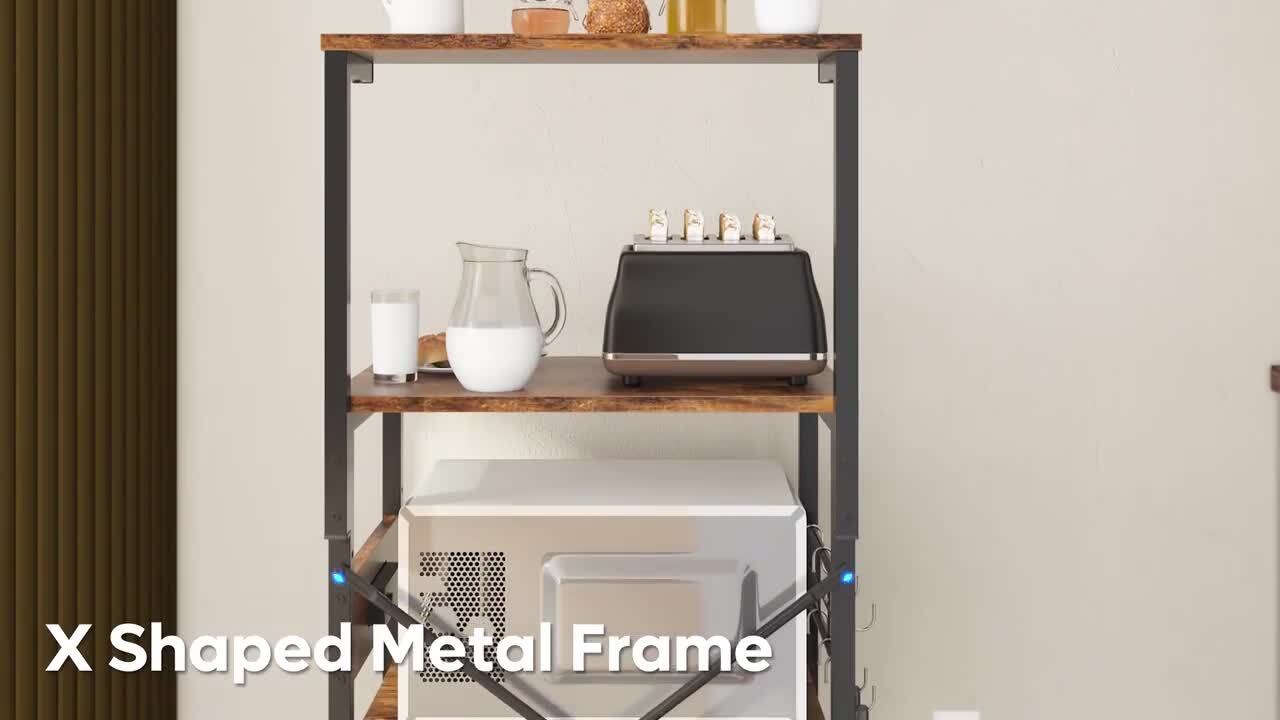
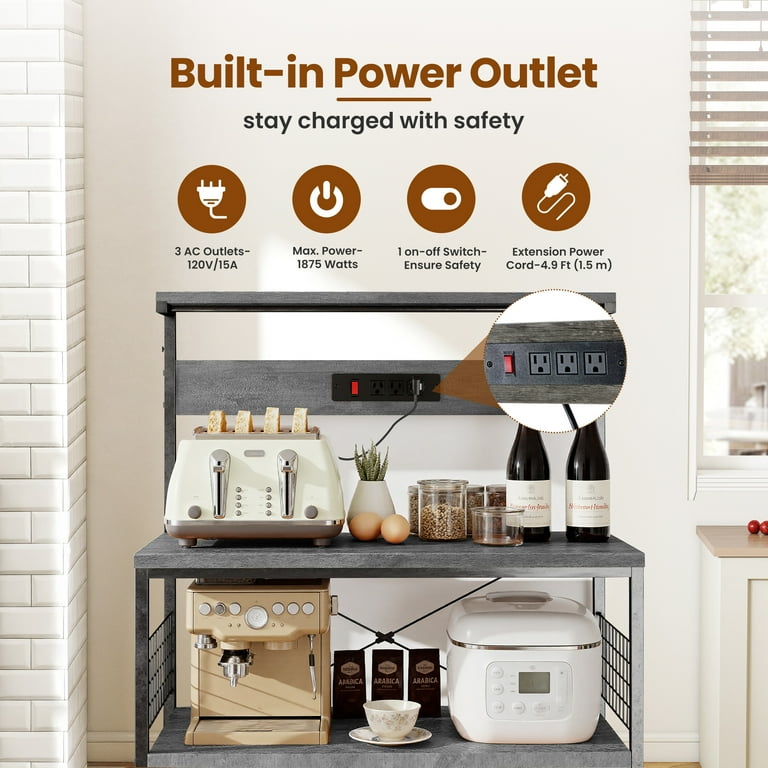
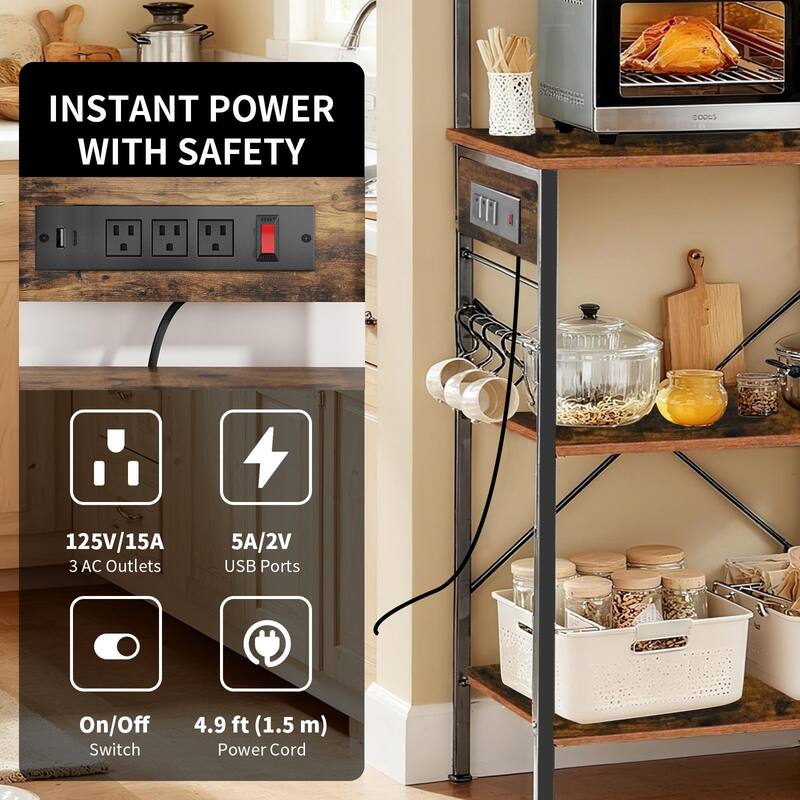
- Place the microwave near its dedicated outlet. Avoid long extension cords or power strips.
- Clean vents and remove debris to reduce heat buildup around the appliance.
- Check the outlet faceplate for discoloration or melting and replace if needed.
- Unplug before cleaning the microwave or doing maintenance on nearby outlets.
From my experience, users often ignore small signs like a warm outlet. Those signs are early warnings—address them promptly.

DIY repairs vs hiring a professional
When it comes to microwave outlet safety, choose the right person for the job. Consider these points:
- Replace a cracked faceplate or tighten a visible screw if you understand basic safety.
- Do not change breaker size, rewire circuits, or work inside panels unless you are a licensed electrician.
- Hiring a professional ensures compliance with local electrical codes and protects your home insurance coverage.
I once tried to swap a breaker without checking the load. The electrician who corrected it explained the code requirements and saved us from an unsafe configuration.
Testing, inspection, and troubleshooting
Routine checks help keep microwave outlet safety reliable. Steps you can take:
- Use a plug-in outlet tester to check wiring and polarity.
- Feel the outlet after the microwave runs; excessive heat suggests a problem.
- If the breaker trips repeatedly, note what else runs on the same circuit and consult a pro.
- Schedule periodic inspections if your home wiring is older than 20 years.
Simple tests will often show whether you have a wiring issue or an appliance problem.
When to replace outlets or upgrade circuits
Know when repair is not enough for microwave outlet safety. Consider replacement or upgrades if:
- The outlet shows burn marks, melting, or loose contacts.
- You add a larger microwave that exceeds the circuit rating.
- Your kitchen has many appliances on one circuit that cause frequent trips.
- Your home has outdated two-prong or ungrounded wiring.
Upgrading to a dedicated circuit or replacing aged wiring is a long-term safety investment I recommend to most homeowners I work with.

Practical checklist to improve microwave outlet safety
Use this short checklist for quick action:
- Verify the microwave’s amperage and compare it to the breaker and wire size.
- Ensure the outlet is dedicated and not shared with high-load appliances.
- Replace damaged faceplates and outlets immediately.
- Avoid extension cords and power strips for microwaves.
- Call an electrician for any wiring, breaker changes, or panel work.
I keep a copy of this checklist on my phone and share it with clients during kitchen updates. It saves time and prevents mistakes.
Frequently Asked Questions of microwave outlet safety
What circuit size do microwaves usually need?
Most countertop microwaves use a 120V circuit and often require a dedicated 15A or 20A circuit depending on the model’s wattage. Larger built-in or commercial units may need 240V circuits and higher amperage.
Can I use an extension cord for my microwave?
You should avoid using an extension cord; they can overheat and are not rated for continuous high current, which harms microwave outlet safety. If you must use one temporarily, use a heavy-duty cord rated for the appliance and keep use short-term only.
How can I tell if my microwave outlet is unsafe?
Signs include a warm outlet face, discoloration, a burning smell, frequent breaker trips, or visible cracking. These signs mean you should stop use and have a professional inspect the outlet and wiring.
Is a GFCI required for microwave outlets?
GFCI requirements vary by location and installation type, but many countertop and island installations are required to have GFCI protection to improve microwave outlet safety. Check local codes or consult an electrician for exact rules.
When should I call an electrician about microwave outlet safety?
Call an electrician if you notice burning marks, repeated tripping, loose outlets, or if you plan to install a larger microwave or relocate the appliance. Professional evaluation avoids code violations and safety risks.
Conclusion
Microwave outlet safety is simple to improve with the right knowledge and a few practical steps. Use a dedicated circuit, check connections, avoid extension cords, and call a professional for wiring or breaker work. Take action today: inspect your microwave outlet, follow the checklist, and schedule an electrician if you spot problems. If this guide helped, share your experience, subscribe for updates, or leave a question below.