Microwave Child Safety: Essential Tips To Prevent Burns
Microwave child safety reduces burn risks and accidents with supervision, locks, and safe practices.
I have worked with parents and tested kitchen safety measures for years, so I know what works and what fails. This guide on microwave child safety explains risks, easy habits, and products that cut accidents. Read on to learn clear steps you can use today to protect kids around microwaves.

What is microwave child safety?
Microwave child safety means using the microwave in ways that reduce harm to children. It covers safe placement, supervised use, and the right containers. It also includes teaching children when and how they may use the microwave. Good microwave child safety cuts burns, scalds, and choking risks.

Common risks and how they happen
Children face several hazards around microwaves. Hot steam and sudden splatters can cause burns. Superheated liquids can erupt when disturbed. Sharp edges, heavy doors, and reachable controls add injury risk. Knowing how these happen helps you prevent them.

Practical microwave child safety measures
Simple habits make a big difference. The list below covers immediate actions you can take.
- Install the microwave out of small children’s reach or on a raised shelf.
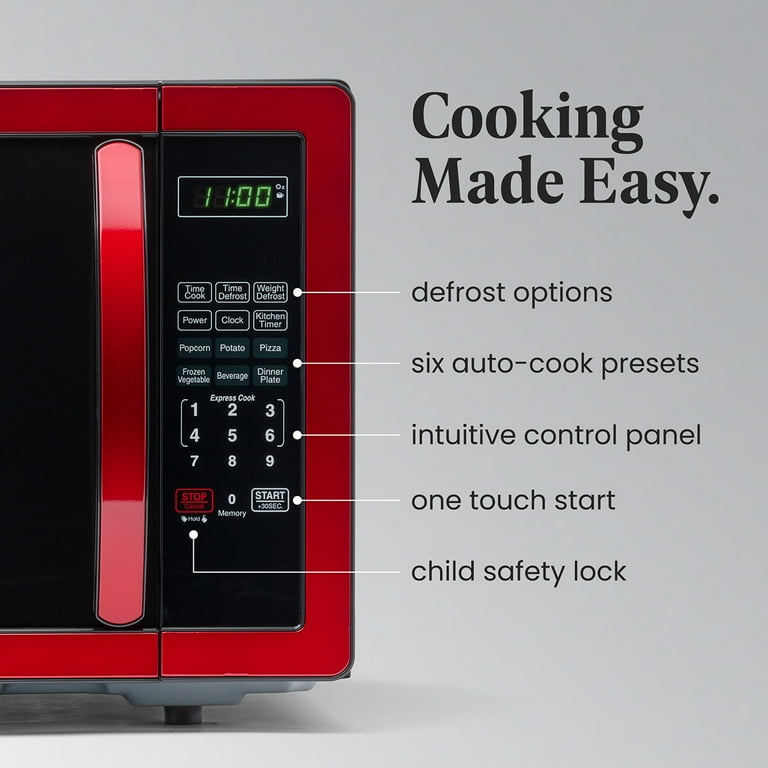
- Use the child lock feature when the microwave is not in use.
- Only allow older children to use the microwave with supervision.
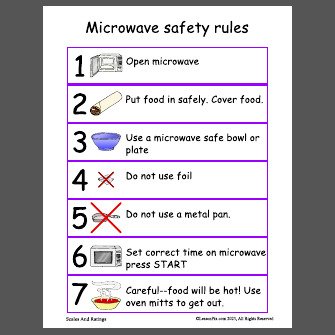
- Choose microwave-safe containers and avoid metal or sealed containers.
- Let food stand after heating to reduce hot spots and steam eruptions.
Each step is quick to adopt. Combining them gives strong protection for little hands.

Microwave-proofing your kitchen
Change the kitchen layout to lower risk. Small shifts can protect kids without big costs.
- Place the microwave above counters if older children can’t reach that height.
- Use a simple gate or carpet-free zone in front of the microwave for toddlers.
- Keep handles and hot items away from the edge of counters.
- Store microwave-safe bowls and lids out of reach, so kids don’t grab unsafe alternatives.
These fixes help keep the microwave area safe during busy meal times.

Teaching kids about microwave safety
Age matters when teaching microwave child safety. Tailor lessons to the child’s level.
- Toddlers: Teach “hot” and “stop” through games and modelling.
- School-age kids: Show how to use the child lock and set short time increments.
- Teens: Explain scalding risks with liquids and safe container choices.
Use short lessons and repeat them. Praise safe behavior to make it stick.

Microwave features and safety products
Modern microwaves include safety tools you can use right away. Look for these features when buying or setting up a unit.
- Child lock to disable the keypad.
- Automatic shutoff for sensors and timers.
- Sturdy door hinges and cool-touch handles.
- Turntables with timers to prevent overheating.
You can also add external products. Simple outlet covers and cabinet locks help. These lower the chance of unsupervised microwave use.

First aid and emergency response
Know what to do if a child is burned or scalded. Fast, calm action reduces harm.
- For minor burns, cool the area under cool running water for 10 minutes.
- Do not apply ice or butter; those can worsen damage.
- For severe burns or if blisters cover a large area, call emergency services right away.
- If swallowed items or choking occurs from microwave-heated foods, follow choking first-aid steps and seek medical help.
Keep a basic first-aid kit and emergency numbers near the kitchen.
Maintenance, inspection, and safe use tips
A well-maintained microwave is safer. Small checks prevent big problems.
- Inspect the door seal and latch for damage monthly.
- Clean spills quickly to avoid splatters and odors.
- Replace damaged turntables and never run the microwave empty.
- Follow manufacturer instructions for load limits and container types.
Regular care supports long-term microwave child safety and appliance life.

My experience, mistakes, and lessons learned
As a parent and safety tester, I saw avoidable accidents. Once I microwaved soup in a sealed container and a child nearby got splashed when I opened it. That led me to always vent lids and wait a moment before handling. I now teach all families to cool hot liquids and use clear containers so kids can see the contents.
Lessons I learned the hard way:
- Never assume a child understands “hot.”
- Supervision is not optional for young kids.
- Small habits, like using the child lock, prevent most incidents.
These practical tips came from real mishaps and worked fixes I still use.
Common myths about microwave child safety
Myths can mislead and create risk. Here are quick clarifications.
- Myth: Microwaves are too weak to cause burns. Fact: They can heat unevenly and create scalding hotspots.
- Myth: Any container is safe. Fact: Only microwave-safe containers should be used to avoid melting or chemicals leaching.
- Myth: Child locks are unnecessary. Fact: Child locks are effective for preventing accidental use and are easy to enable.
Knowing facts helps you make safer choices.
Frequently Asked Questions of microwave child safety
Can toddlers use the microwave alone?
Toddlers should never use the microwave alone. They lack judgment for hot items and steam risks. Supervision is required until they show consistent safe behavior.
How can I make my microwave area safer for children?
Place the microwave out of reach, use child locks, and create a no-play zone nearby. Keep hot items and handles away from edges. These steps reduce common accidents.
What containers are safe for microwaving food for kids?
Use containers labeled microwave-safe, such as glass or specific plastics. Avoid metal and sealed containers. Vent lids to prevent steam buildup.
What should I do if a child gets a microwave burn?
Cool the burn under cool running water for 10 minutes and cover loosely with a clean cloth. Seek medical help for severe burns or if blisters form. Avoid applying home remedies like butter.
Is it safe to let kids heat their own snacks?
Older children can heat snacks with training and rules. Teach them to use short times, check temperatures, and stand back from steam. Use timers and child lock settings to add safety.
Are built-in child locks reliable?
Child locks on microwaves are generally reliable and effective. They prevent accidental starts and are easy to enable. Always test locks after installation.
How long should food stand after microwaving before serving to a child?
Let food stand for at least 30 seconds to 2 minutes, depending on the item. Standing time helps heat even out and reduces hot spots. Stir liquids to check temperature before serving.
Conclusion
Microwave child safety is simple when you use good habits, the right tools, and clear rules. Start by enabling child locks, placing the microwave where kids can’t reach, and teaching age-appropriate safety steps. Inspect the appliance regularly and keep first-aid ready. Take one practical step today—adjust the microwave area, enable the lock, or teach a safety rule—and you will reduce the chance of an accident. Share this guide, try the tips, and leave a comment with your own safety wins or questions.