Microwave Radiation Safety Facts: 7 Simple Safety Tips
Microwave radiation safety facts show minimal health risk when appliances are used and maintained properly.
As an appliance safety researcher and longtime technician, I will walk you through microwave radiation safety facts with clear, practical guidance. This article explains how microwave radiation works, what the real risks are, how standards protect you, and simple steps to use microwave ovens safely. Read on for evidence-based advice, real-world tips, and easy checks you can use at home and work.
What is microwave radiation?
Microwave radiation is a type of non-ionizing electromagnetic energy. It sits between radio waves and infrared light on the spectrum. Microwave ovens use this energy at specific frequencies to heat water molecules and warm food.
Microwave radiation safety facts start with this basic science. Non-ionizing means it cannot break chemical bonds or directly damage DNA like X-rays do. The main effect is heating, which is why safety guidance focuses on limits and shielding.

Key microwave radiation safety facts
-
Microwave ovens use low-power, non-ionizing waves. This makes microwave radiation safety facts different from ionizing-radiation rules.
Microwave ovens run at set frequencies and power levels. Built-in metal boxes and seals keep most radiation inside. -
Leakage limits are strict and protective. Regulatory limits are set far below levels that cause burns.
These safety facts mean small, compliant leaks do not pose a health risk. Inspections and standards ensure compliance. -
Main hazard is thermal injury from very high exposure. Burns come from intense microwave fields or hot food, not long-term low-level exposure.
Microwave radiation safety facts emphasize heat as the mechanism. That’s why damaged ovens are a concern. -
Distance and shielding reduce exposure quickly. Fields drop off steeply with distance from the source.
Standing a short distance away or using a barrier cuts exposure a lot. This is a simple, effective safety fact. -
Children and pregnant people follow the same safety steps. Lower exposure and care with hot food matter most.
Current research includes these groups and finds no clear evidence of harm at normal use levels.
These microwave radiation safety facts are rooted in engineering and health reviews. They offer clear, practical rules to reduce any real risk.
Exposure limits, standards, and testing
Regulators set exposure limits that include large safety margins. Limits are based on preventing harmful heating and include decades of study. Certified testing of ovens checks that leakage stays below these limits.
Manufacturers must meet standards for shielding, interlocks, and labelling. Service rules require checks after repair. Consumer tests and industry audits keep old and new units in line.
If you want to check an oven, consumer-grade microwave leakage meters exist. Proper use and calibration matter. For reliable results, a trained technician or certified lab provides the best testing.

Common myths and misconceptions
-
Myth: Microwave ovens cause cancer.
Fact: Microwave radiation safety facts show no credible link between compliant microwave use and cancer. Non-ionizing waves do not damage DNA like ionizing radiation. -
Myth: Standing near a running microwave will make you sick.
Fact: At normal distances, exposure is far below safety limits. The biggest practical risks are burns from hot food. -
Myth: Microwaves make your food radioactive.
Fact: Food does not become radioactive. Microwaves only cause heating and do not change atomic structure. -
Myth: Old microwaves always leak dangerously.
Fact: Older units may have wear, but many remain safe if door seals and interlocks work. Regular checks are wise.
These microwave radiation safety facts help separate real hazards from fear and misinformation.

Safe use of microwave ovens at home
-
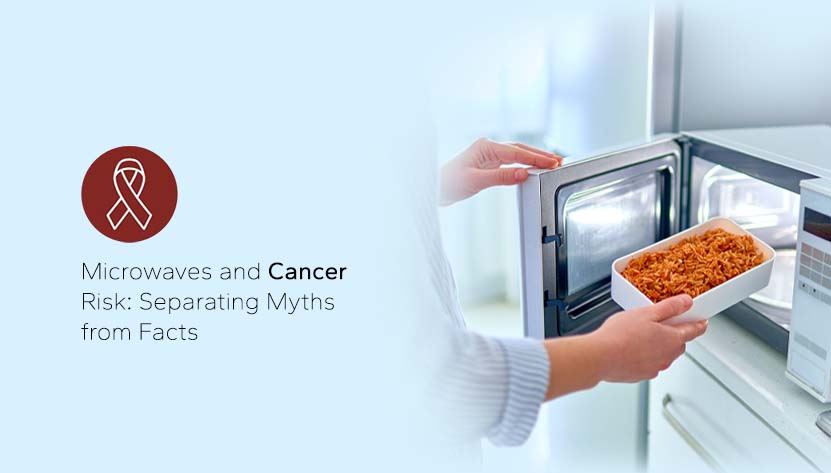
Inspect door seals and latches regularly. Replace or repair any damaged parts.
Proper seals and working interlocks are primary defenses in microwave radiation safety facts. -
Avoid operating damaged units. Stop using ovens with bent doors, broken latches, or visible damage.
Small cracks can worsen and reduce shielding effectiveness. -
Keep a small distance while the oven runs. Step back a few feet if you feel more comfortable.
Distance reduces exposure quickly and lines up with microwave radiation safety facts. -
Use microwave-safe containers to prevent overheating or melting. Avoid metal inside the oven unless the manual allows it.
Sparks from metal cause fire risk, not radiation issues. -
Supervise children and warn them about hot spots in food. Stir and test temperature before serving.
Burns are a common household injury related to microwaves, so handle food carefully.
Workplace and industrial safety
High-power microwave equipment exists in industry, telecom, and radar work. These systems operate at much higher energy and need formal safety programs. Employers must assess hazards, set exclusion zones, and provide monitoring.
Training, access control, and personal protective equipment are part of safety facts for professional settings. Regular measurements and maintenance keep workplace exposures within limits. When you work near such equipment, follow procedures and report any control failures immediately.
Monitoring, measuring, and what to do if you suspect a leak
-
If you suspect a leak, stop using the oven and unplug it. Have it inspected by a qualified technician.
This aligns with microwave radiation safety facts that stress prompt repair. -
Use a certified leakage meter for a proper check. Consumer tools can help indicate problems but are not a substitute for professional testing.
Meter placement and calibration matter for accurate results. -
Keep records of repairs and service dates. Documentation helps track recurring issues and safety compliance.
Proper records are a good practice for both home and workplace safety.
Health evidence and research summary
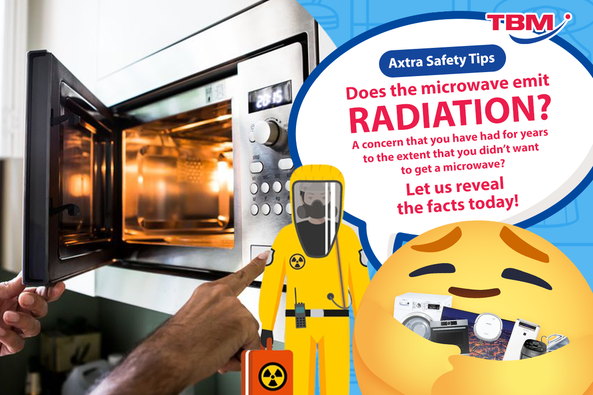
Large reviews of health studies focus on long-term outcomes and short-term thermal effects. These reviews show no consistent evidence that normal exposure from compliant microwave ovens causes cancer or chronic disease. The main biological effect is localized heating.
Research quality varies, and studies often emphasize different frequencies and exposure levels. The safest stance is to follow proven safety steps and maintain appliances. These microwave radiation safety facts reflect current evidence while noting ongoing research.
My experience and practical lessons
I have inspected dozens of microwaves in homes and shops over the past decade. Most problems were simple: bent door hinges, weak latches, or food residue blocking seals. Replacing a seal or realigning a door usually fixed the issue and returned the oven to safe operation.
One lesson I learned is to treat microwave radiation safety facts as practical steps, not fear drivers. Simple checks and timely repairs prevent almost all risks. I also advise clients to keep children away during heating and to stir food for even temperatures.
Frequently Asked Questions of microwave radiation safety facts
Are microwave ovens safe if they are old?
Yes. Many old ovens remain safe if doors, seals, and interlocks are intact. Have a technician check damaged units.
Can microwave leakage cause cancer?
Current evidence does not show a link between compliant microwave exposure and cancer. The primary risk is heating, not DNA damage.
How can I test my microwave for leaks?
Use a certified leakage meter or call a qualified technician for testing. Consumer tools can help screen but are not as reliable.
Is it safe to stand next to a microwave while it runs?
Yes. At typical distances, exposure is well below safety limits. If you prefer, step back a few feet for added peace of mind.
Do microwave ovens make food radioactive?
No. Microwaves heat food but do not make it radioactive. The energy used is non-ionizing and cannot induce radioactivity.
Should pregnant people avoid microwaves?
No special restrictions are needed beyond normal use precautions. Follow the same safety steps to avoid burns and ensure appliance maintenance.
Conclusion
Microwave radiation safety facts show that everyday microwave use is safe when appliances are intact, well maintained, and used correctly. Focus on simple actions: inspect seals, avoid damaged ovens, and use proper containers. These steps prevent the real hazards, which are burns and appliance failure, not long-term radiation disease.
Take action today: check your microwave door and latch, follow the safety tips here, and schedule a professional inspection if you notice damage. If you found this guide helpful, consider subscribing, sharing your experiences in the comments, or reading more on appliance safety to stay informed and confident.