Microwave Grease Filter: Clean, Replace, And Maintain
A microwave grease filter traps airborne oil, smoke, and food particles from cooking vents.
I have worked with residential and commercial kitchen ventilation for years, testing filters, cleaning routines, and replacement schedules. This guide explains what a microwave grease filter is, how it works, and how to choose, clean, and maintain the best filter for your microwave hood. Read on for practical tips, troubleshooting, and real-life lessons that make caring for a microwave grease filter simple and efficient.
What a microwave grease filter is and why it matters
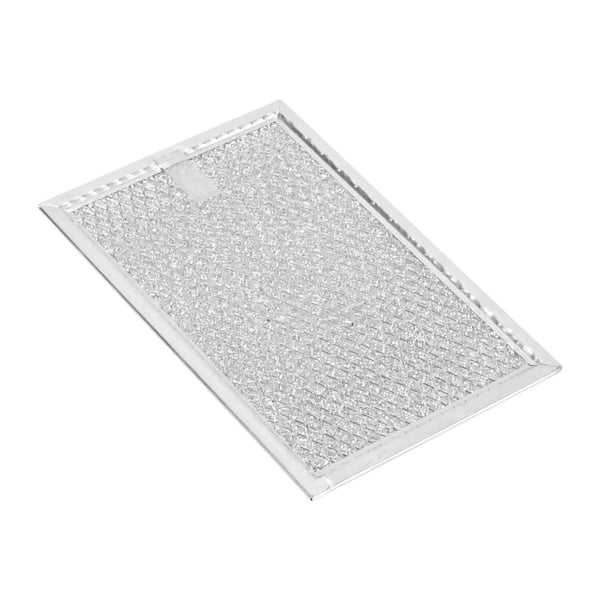
A microwave grease filter is a thin insert that captures grease, oil, and food particles from steam and smoke before they reach the fan or ductwork. It protects the microwave hood, reduces odors, and keeps ducts cleaner. Proper use and maintenance lower fire risk and improve airflow, which helps the microwave fan work better and last longer.

How a microwave grease filter works
Filters sit between the cooktop steam and the fan. As air moves through, fibers or metal mesh trap droplets and particles. The trapped grease accumulates over time and reduces filter efficiency. Regular cleaning restores flow and reduces smell.
Common short questions answered:
What does a microwave grease filter capture? It captures oil droplets, soot, and tiny food particles from cooking vapors.
How often does it need cleaning? Most filters need cleaning every 1 to 3 months, depending on cooking frequency.

Types of microwave grease filters
There are three main types to know about.
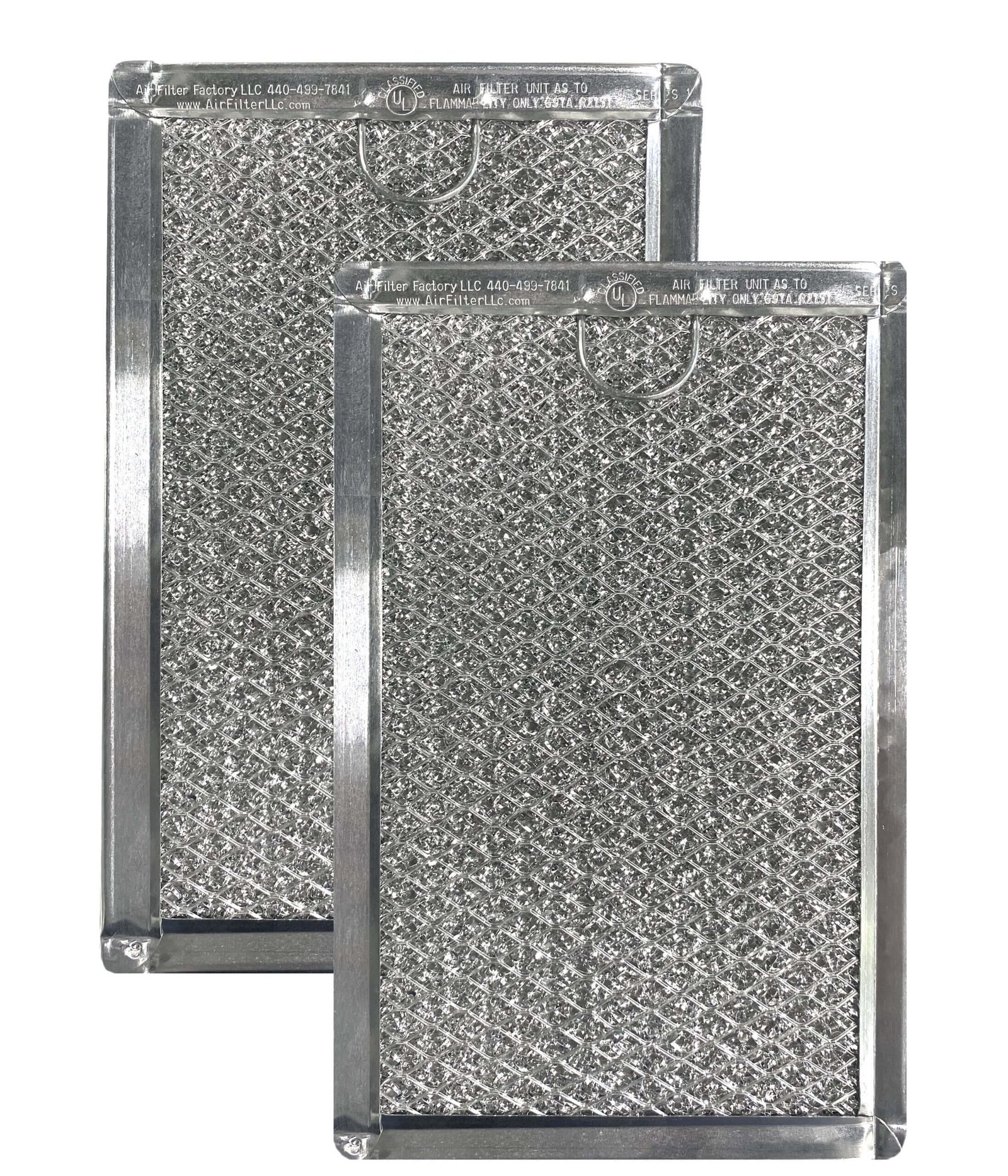
- Metal mesh filters
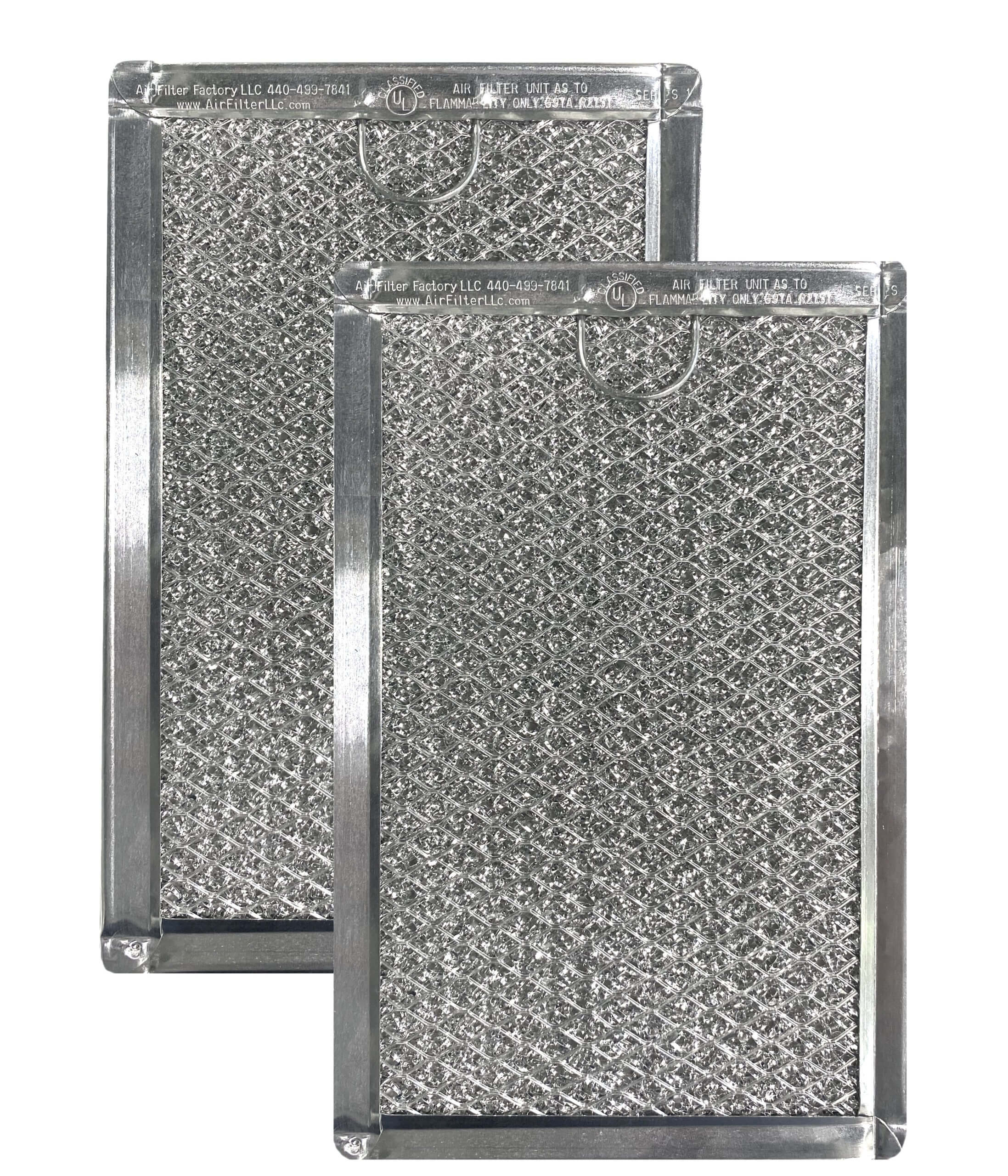
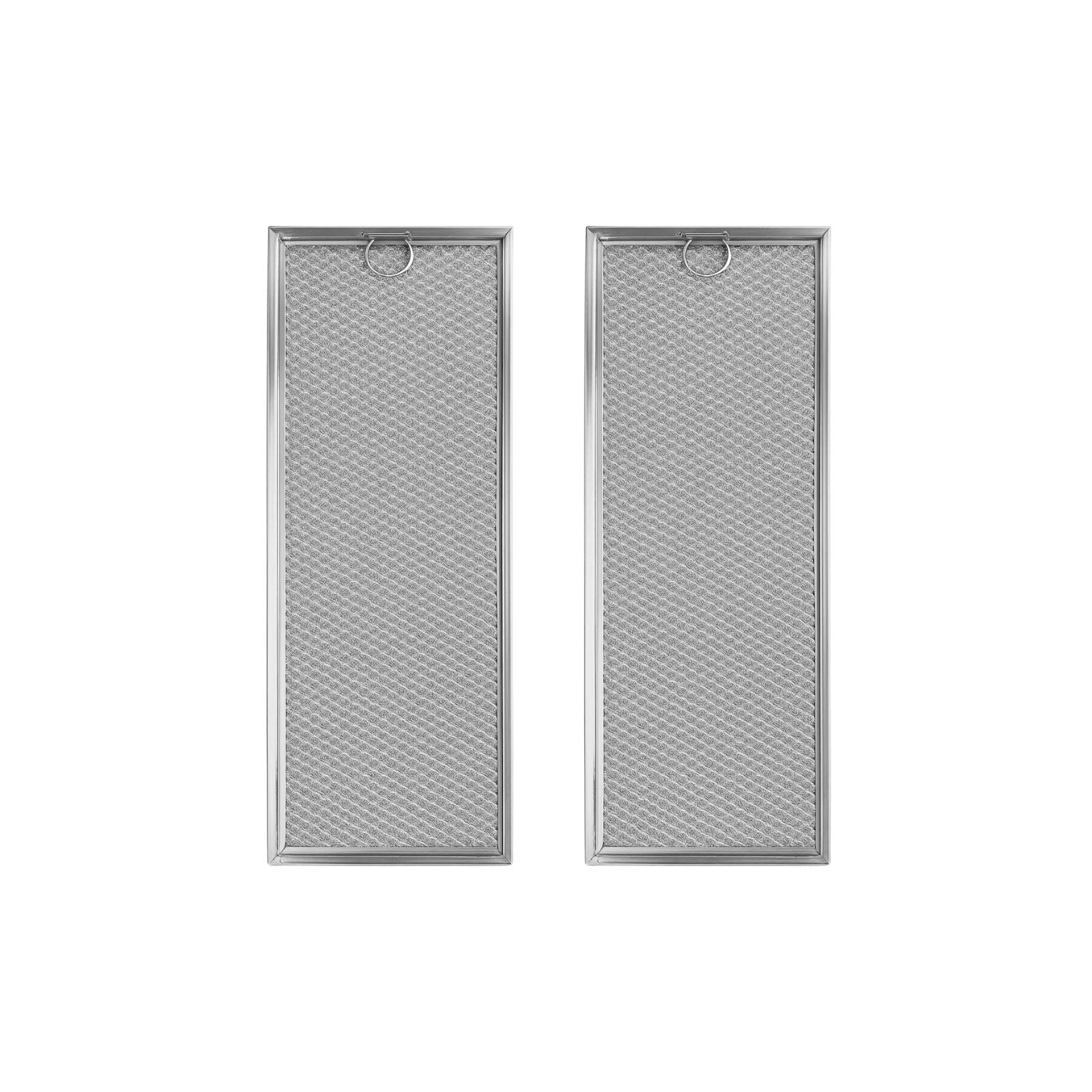
- Made from layered aluminum or stainless steel mesh. They trap larger grease droplets and are washable.
- Charcoal (carbon) filters
- Use activated carbon to reduce odors. They do not trap oil well and are usually not washable.
- Combination filters
- Pair a metal mesh with a carbon layer for both grease capture and odor control.
Choosing the right type depends on your microwave model and ventilation setup. Many over-the-range microwaves use a washable metal mesh filter as the standard, with an optional carbon insert for recirculating units.

Materials, lifespan, and signs of wear
Common materials are aluminum, stainless steel mesh, and activated carbon pads. Metal mesh filters last 1 to 3 years with regular cleaning, while charcoal filters usually need replacement every 6 to 12 months. Signs it’s time to replace a microwave grease filter include persistent odors, heavy discoloration, reduced airflow, and damaged mesh or frames.
Cleaning and maintenance: step-by-step
Cleaning keeps a microwave grease filter working well. Follow these steps for metal mesh filters:
- Remove the filter according to the microwave manual.
- Soak in hot water with a mild degreasing dish soap for 10–20 minutes.
- Gently scrub with a soft brush or sponge to remove trapped oil.
- Rinse thoroughly and let air-dry fully before reinstalling.
For tougher buildup, use baking soda with water to form a paste and scrub gently. Charcoal filters generally cannot be washed; replace them when performance drops.

Replacement and installation tips
Replacing a filter is usually quick and tool-free. Steps to follow:
- Check the microwave model number to find the correct filter size and type.
- Match dimensions and installation tabs when ordering.
- Slide or snap the new filter into place following the manual.
- Run the fan for a few minutes to confirm proper fit and airflow.
Keep replacement filters on hand if you cook heavily. This prevents delays that can let grease build up in the fan and ducts.
Benefits and limitations of microwave grease filters
Benefits:
- Protect fan motor and ductwork from grease buildup
- Reduce cooking odors and keep the kitchen cleaner
- Are often inexpensive and easy to replace or clean
Limitations:
- Not all filters remove smoke or fine particles perfectly
- Charcoal options need regular replacement and add cost
- Heavy grease buildup can still reach the fan if filters are neglected

Buying guide: what to look for
When choosing a microwave grease filter, focus on fit, material, and airflow.
- Fit and compatibility
- Confirm model compatibility to avoid improper seals.
- Material and ease of cleaning
- Prefer stainless steel mesh for durability and washability.
- Performance features
- Look for multi-layer mesh and secure frames to reduce airflow loss.
- Cost and availability
- Consider filter lifetime costs, including replacements and shipping.
Also check user reviews and warranty info to confirm real-world performance and longevity.
Troubleshooting common problems
If your microwave fan seems weak or smells persist, check the filter first. Common fixes:
- Filter clogged — clean or replace it.
- Incorrect filter installed — verify model match and orientation.
- Fan blades greasy — power off and clean blades carefully if accessible.
If problems continue after filter replacement, inspect ductwork and fan motor. Professional service may be needed for blocked ducts or motor issues.
Personal experience and practical tips
From years of maintenance work, I learned simple habits that save time and money. Clean metal mesh filters monthly if you cook daily. I once delayed cleaning a heavily used microwave filter and the fan motor burned out after oil clogged the blades. That repair cost far more than a few replacement filters and a cleaning brush would have. My tips:
- Set a calendar reminder for cleaning.
- Keep a spare charcoal or mesh filter on hand.
- Use gentle soaps and avoid harsh wire brushes that damage mesh.
These small steps prevented odors and extended equipment life in both home and light-commercial kitchens.
PAA-style quick answers embedded in content
How often should I replace a charcoal microwave grease filter? Replace charcoal filters every 6 to 12 months depending on cooking level and smell.
Can I put a metal grease filter in the dishwasher? Many metal mesh filters are dishwasher-safe, but hand washing extends life and avoids warping.
Will a microwave grease filter stop smoke? Filters reduce grease and some particles, but heavy smoke from high-heat cooking may still need more ventilation or an exhaust fan.
Frequently Asked Questions of microwave grease filter
What is the best way to clean a metal microwave grease filter?
Soak in hot water with dish soap, scrub gently with a soft brush, rinse well, and air-dry completely before reinstalling.
How often should I change a charcoal microwave grease filter?
Change charcoal filters every 6 to 12 months or sooner if odors persist or airflow drops.
Can I use any filter for my microwave hood?
No. Use the filter specified for your microwave model to ensure correct fit and function.
Are metal mesh filters dishwasher safe?
Many are, but hand washing is gentler and can preserve the mesh and frame longer.
Does a microwave grease filter prevent fires?
It reduces the risk by trapping grease, but it does not eliminate all fire risk. Regular cleaning and safe cooking are essential.
How do I know when the filter needs replacement?
Persistent odor, visible damage, severe discoloration, or reduced fan performance indicate replacement is needed.
Can I install a carbon filter in a vented microwave?
Carbon filters are for recirculating setups and will not be effective if your microwave vents outside; check your model’s ventilation type.
Conclusion
A microwave grease filter protects your microwave fan, reduces odors, and keeps ducts cleaner when chosen and cared for correctly. Clean metal mesh filters regularly, replace charcoal inserts on schedule, and check compatibility before buying. Start a simple cleaning routine today, keep a spare filter on hand, and monitor airflow to avoid costly repairs. Share your experiences, ask a question below, or subscribe for more practical kitchen care tips.