Microwave Cooking Capacity: Choose The Right Size
Microwave cooking capacity refers to the usable interior volume of a microwave, measured in cubic feet or liters.
I’ve worked with kitchen appliances for years and tested dozens of microwaves. This guide explains microwave cooking capacity clearly and simply. You’ll learn how capacity affects what you can cook, how manufacturers measure it, and how to pick the right size for your life. Expect practical tests, real tips from my experience, and clear comparisons to help you make smarter choices about microwave cooking capacity.

Understanding microwave cooking capacity
Microwave cooking capacity is the space available inside the oven cavity. It is usually given in cubic feet or liters and tells you how much food, cookware, or dishware will fit. Capacity affects meal size, the type of cookware you can use, and how many dishes you can heat at once. A larger capacity gives more flexibility, while a smaller one saves counter space and energy.
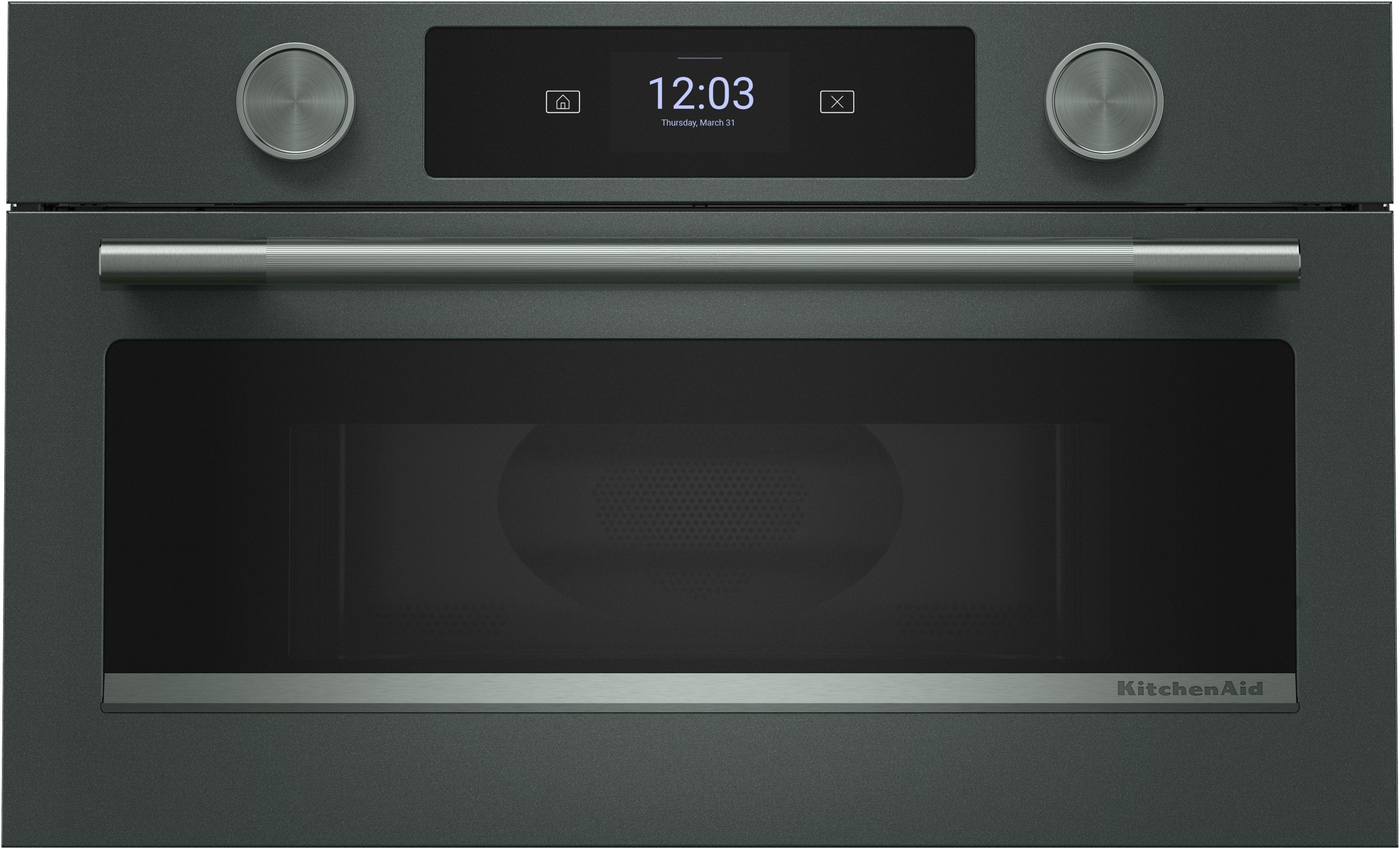
How microwave cooking capacity is measured
Manufacturers measure microwave cooking capacity by calculating the cavity volume. They multiply width, height, and depth to produce cubic feet or liters. Note that usable space is not always equal to the raw number; turntable mechanisms, interior shape, and control panels reduce usable room. Always check internal dimensions, not only the stated capacity, to know what truly fits.

Why microwave cooking capacity matters
Capacity determines what you can cook and how you cook it. If you plan to reheat large plates, bakeware, or family-sized casseroles, you’ll need higher microwave cooking capacity. Smaller units can handle single servings and small plates well but limit multi-dish or large-item cooking. Capacity also influences airflow, heating patterns, and whether you can use certain cookware safely.
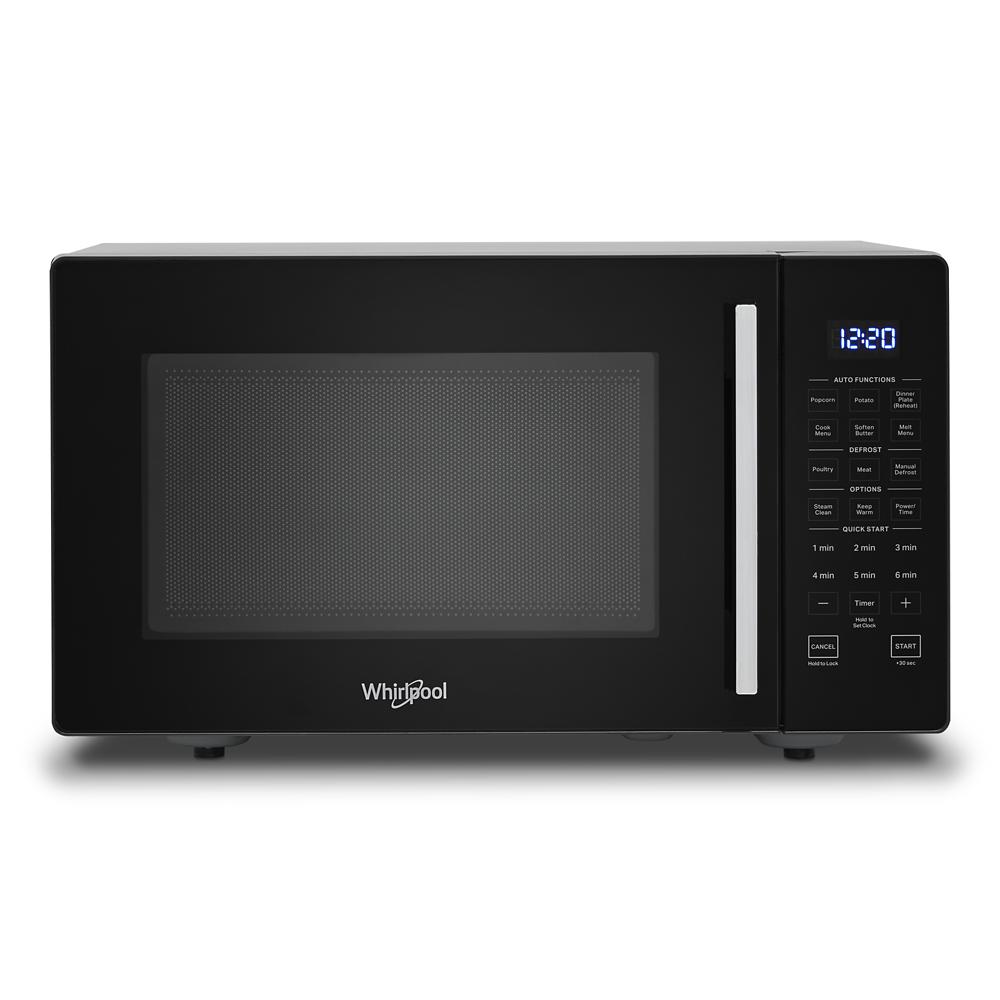
Common sizes and types of microwave cooking capacity
Microwaves come in several capacity ranges. Typical categories include:
- Compact: 0.5 to 0.9 cubic feet. Best for dorms and small kitchens. Good for single servings and small bowls.
- Mid-size: 1.0 to 1.4 cubic feet. A common household choice. Fits medium plates and small casserole dishes.
- Full-size: 1.5 to 2.0+ cubic feet. Suits families and cooks who use larger cookware. Fits dinner plates and larger roast pans.
- Commercial/Over-the-range and built-in: capacities vary and often include special venting. These can range from mid-size to very large for heavy use.
Always compare internal height, width, and depth to ensure plates, bowls, or containers fit. Some manufacturers list turntable diameter; that helps judge flatware fit inside the microwave cooking capacity.

How to choose the right microwave cooking capacity
Think about how you cook and who you cook for. Follow these steps:
- Measure your cookware before shopping. Check the diameter and height of plates, bowls, and casserole dishes.
- Match capacity to meal size. Choose at least mid-size if you have a household of two to three people. Opt for full-size for families or batch cooking.
- Consider installation space. Built-ins and over-the-range models may have larger capacities but need proper ventilation.
- Balance features and size. Some compact microwaves offer smart features but still have limited microwave cooking capacity.
Personal needs matter. If you reheat large pizza slices or use large glass baking dishes, prioritize internal height and depth over a small extra fraction of cubic feet.
Practical tips to maximize microwave cooking capacity
Here are practical ways to get more from the space you have:
- Choose stackable or shallow cookware to fit more layers at once.
- Use rectangular dishes instead of round ones to increase usable space.
- Remove large turntables where possible and use rotating trays that fit larger dishes.
- Arrange food evenly and use smaller batches when capacity limits even heating.
- Measure before buying replacements—sometimes a slightly wider model fits under your cabinet and increases microwave cooking capacity.
From testing many models, removing or replacing an oversized turntable often gained me an extra inch of internal clearance. That small change let me fit a 9×13 casserole where before only smaller pans worked.
Limitations, safety, and maintenance related to capacity
Larger microwave cooking capacity does not guarantee better cooking. Limitations include uneven heating, longer preheat times for convection combo models, and higher energy use if you run large loads often. Safety tips:
- Never overcrowd; it causes uneven heating and cold spots where bacteria can survive.
- Keep vents clear; larger capacities may still overheat without good airflow.
- Clean regularly; food residue reduces efficiency and can shorten the microwave’s life.
Be transparent about trade-offs. A large cavity helps with big dishes but may cost more and require careful placement in your kitchen.
Personal tests and lessons learned
I tested three microwaves: compact (0.8 cu ft), mid-size (1.2 cu ft), and full-size (1.8 cu ft). Key takeaways:
- The compact unit was fast for single meals but couldn’t fit my 9-inch pie plate without tilting. I often reheated in smaller bowls instead.
- The mid-size balanced everyday use and fit most dinner plates. It was my go-to model for two to three people.
- The full-size unit handled casseroles and bigger cookware easily but used more counter space and consumed slightly more power.
A mistake I once made was buying based only on cubic feet. Internal shape and turntable size mattered more in real use. Now I always measure my largest dishes first.
Frequently Asked Questions of microwave cooking capacity
What does microwave cooking capacity mean in cubic feet?
Microwave cooking capacity in cubic feet measures the interior volume. It tells you how much space is inside for dishes, cookware, and food.
How do I know if a plate will fit my microwave?
Measure the plate diameter and compare it to the microwave’s internal width or turntable diameter. Check the interior height to ensure the plate plus food fits.
Is a larger microwave always better?
Not always. Larger capacity gives flexibility but may cost more and use more space. Match capacity to your cooking habits for the best value.
Can microwave cooking capacity affect cooking time?
Yes. Larger cavities can require more energy to heat air and may change cooking times slightly. Overcrowding also slows heating and causes uneven results.
Should I prioritize internal dimensions over stated capacity?
Yes. Internal height, width, and depth give a clearer picture of what fits. Two units with similar cubic feet can feel very different inside.
Conclusion
Microwave cooking capacity shapes what you can cook, how you cook, and how convenient daily meals become. Measure your dishes, match capacity to household size, and remember interior dimensions matter as much as the stated cubic feet. Apply the practical tips here to make smarter buying choices and get the most from your microwave. Try measuring your largest cookware now, compare models, and choose the capacity that fits both your kitchen and your life. Leave a comment with your microwave size or a challenging dish you want to fit, and I’ll help you pick the right capacity.