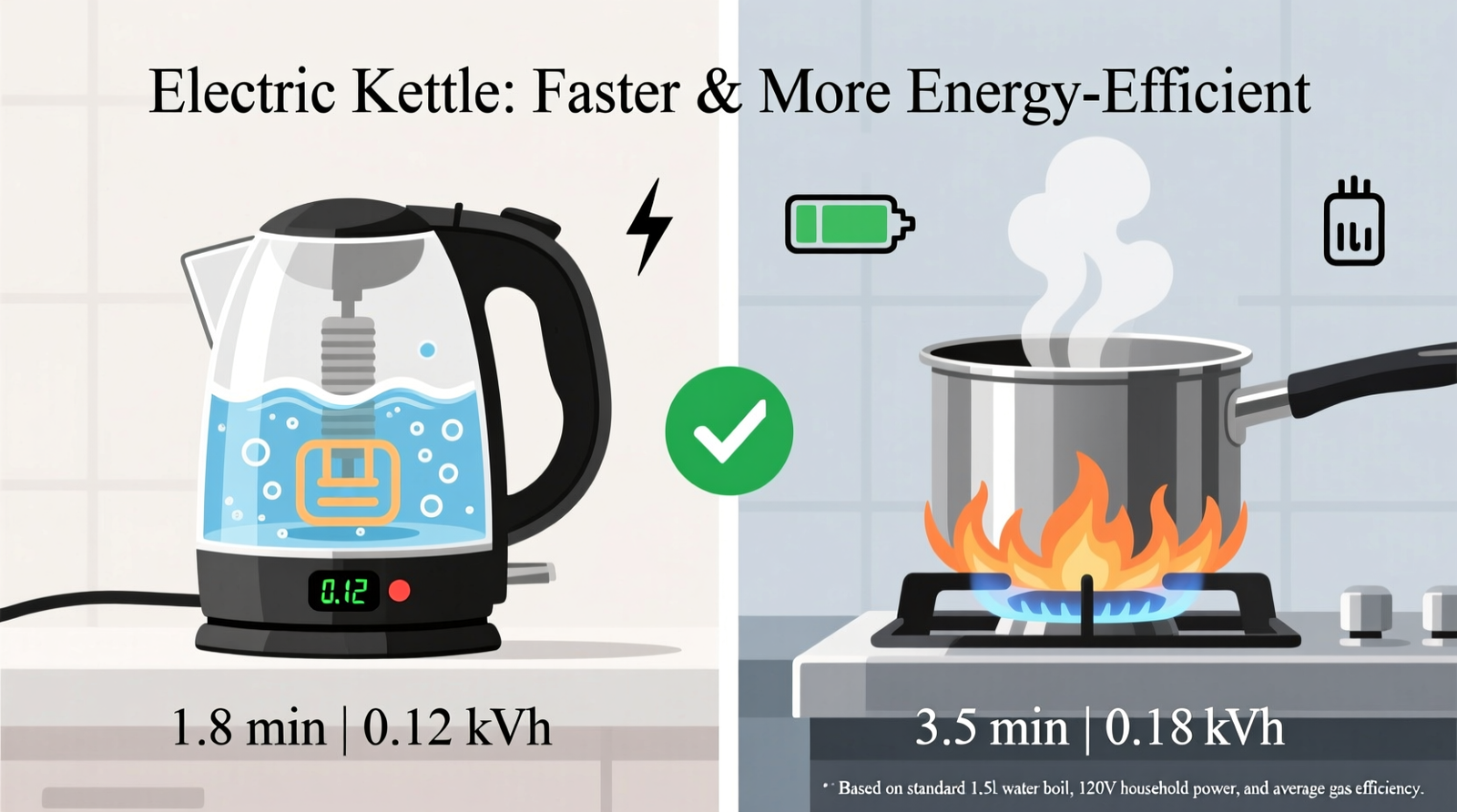
Electric Kettle Performance & Boiling: Speed, Power, Efficiency, and What Affects Boil Time
Electric Kettle Performance & Boiling is more than a race to reach a full boil. A good kettle should heat water fast, stop at the right time, use power well, and do so with little effort. For many U.S. homes, that makes an electric kettle useful for tea, coffee, oatmeal, instant meals, and other daily tasks.
The biggest factors are simple. **Wattage, water volume, starting water temperature, room temperature, and kettle design** all affect boiling speed. A clean heating element and a good lid seal can also help the kettle work as intended. A useful testing lesson is to compare kettles under the same conditions, because changing the water amount or starting temperature can make one kettle seem much faster than another.

How Electric Kettles Heat and Boil Water
An electric kettle turns electrical energy into heat. Most models use a heating element near the bottom of the water chamber. When you switch the kettle on, current flows through the element, which heats up and transfers heat to the water.
As the water gets hotter, warmer water moves upward while cooler water moves down toward the heating area. This natural movement helps spread heat through the chamber. Once the water reaches its boiling point, many kettles sense the steam or temperature change and switch off.
At normal sea-level conditions, pure water boils at about 212°F (100°C). The exact boiling point changes with air pressure, so water can boil at a lower temperature at higher elevations. This is one reason boiling results can vary from one location to another.
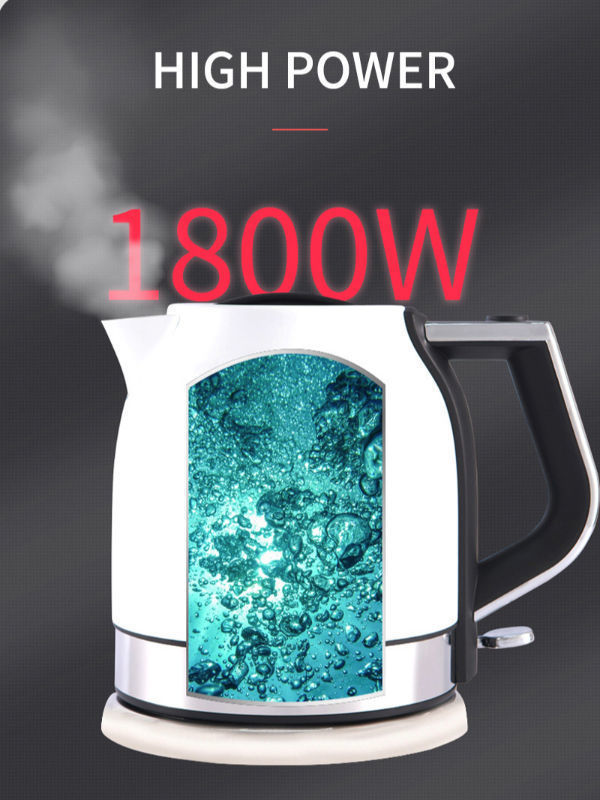
- ✦ Heating element
The heating element converts electrical power into heat and is the main source of boiling energy.
- ✦ Water circulation
Hot water rises and cooler water falls, helping heat spread through the kettle.
- ✦ Temperature control
Basic kettles aim for a boil, while variable-temperature models can stop at lower temperatures.
- ✦ Automatic shut-off
Many kettles turn off after detecting steam or a rapid temperature rise near boiling.
Why an Electric Kettle Can Boil Water So Fast
Electric kettles place the heating system close to the water. This can reduce heat loss compared with methods that heat a separate pan first. A kettle also directs its electrical input toward a small, enclosed volume of water.
The result is simple: when the kettle has enough power for the amount of water inside, it can raise the water temperature quickly. The less water you heat, the less energy and time you usually need.
- ✦ Direct heating
The heating element transfers heat close to the water instead of heating a separate cooking surface first.
- ✦ Enclosed chamber
The lid and kettle body help limit heat loss during heating.
What Determines Electric Kettle Boiling Time?
Boiling time is not controlled by wattage alone. Two kettles with similar power ratings can produce different results because their heating elements, insulation, lids, water flow, and temperature sensors may differ.
For a fair comparison, use the same amount of water and start with water at the same temperature. A small cup of room-temperature water may boil far sooner than a full kettle of cold water, even when both tests use the same appliance.
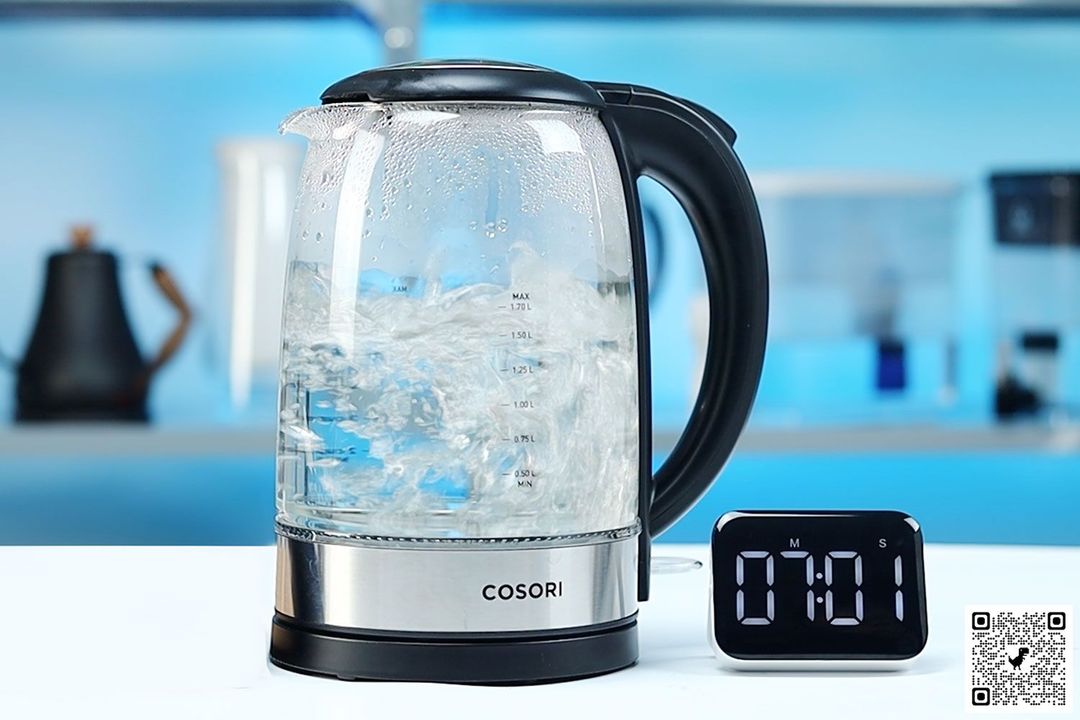
- ✦ Water volume
More water needs more heat, so a full kettle usually takes longer than a single cup.
- ✦ Starting temperature
Cold water needs more energy to reach boiling than warm water.
- ✦ Wattage
Higher electrical power can deliver heat faster when other conditions are similar.
- ✦ Kettle design
Heating element placement, insulation, lid design, and water circulation can change performance.
- ✦ Altitude
Lower air pressure at higher elevations reduces the temperature at which water boils.
- ✦ Mineral buildup
Limescale can coat heating surfaces and may reduce heat transfer and make cleaning harder.
Water Volume Has a Major Effect
The amount of water is one of the easiest ways to change boiling time. If you fill a kettle to its maximum line, the heating system must raise the temperature of a much larger mass of water. If you heat only one mug, the same kettle can finish much sooner.
This also affects energy use. Heating extra water means spending energy on water you may not need. For daily use, measuring the water with your cup or mug can make Electric Kettle Performance & Boiling both faster and more efficient.
Why Wattage Matters
Wattage shows how much electrical power the kettle can draw while heating. In simple terms, a higher-wattage kettle has more power available to raise the water temperature. The benefit is most noticeable when comparing kettles with similar size and design.
A higher wattage does not guarantee the fastest result in every test. Heat losses, control systems, water volume, and heating element design still matter. For this reason, look at real boil-time tests as well as the wattage printed on the label.
Understanding Electric Kettle Wattage and Energy Use
Electric Kettle Performance & Boiling is closely tied to electrical power, but power and total energy use are not the same thing. Wattage tells you the rate of energy use while the kettle is running. The amount of energy used for one boil also depends on how long the kettle runs and how much water it heats.
For example, a 1,500-watt kettle running for 4 minutes uses about 0.10 kilowatt-hours of energy. A 2,000-watt kettle running for 3 minutes uses about 0.10 kilowatt-hours as well. This simple example shows why a higher wattage does not automatically mean a much higher energy cost per boil.
The most useful habit is to heat only what you need. In a typical U.S. kitchen, boiling one or two cups for a drink does not require filling a large kettle to its maximum capacity.

- ✦ Wattage
This describes the rate at which the kettle uses electrical power during heating.
- ✦ Run time
A kettle that heats quickly may spend less time drawing power.
- ✦ Water amount
Heating more water requires more energy because more water must reach the target temperature.
- ✦ Standby use
Cordless kettles usually draw little or no power after they are removed from the powered base, but connected smart models can differ.
A Simple Way to Estimate Energy Use
You can estimate electricity use with a simple formula: **energy in kilowatt-hours = watts × minutes ÷ 60,000**. This gives a rough figure for the electricity used during a heating cycle.
Your actual result can differ because the kettle cycles, stops early, or loses some heat to the air and body. Still, the formula is useful when comparing basic heating patterns.
Why Efficient Boiling Is About More Than Speed
A fast kettle can be useful, but speed is only one part of performance. A kettle that gives accurate temperature control, shuts off reliably, and heats the right amount of water can be more useful in everyday life.
For tea and coffee, precise temperatures may also matter. Some drinks need water below a full boil, so a variable-temperature kettle can avoid unnecessary heating.
How to Improve Electric Kettle Performance & Boiling Speed
Good Electric Kettle Performance & Boiling starts with simple habits. Use the correct water level, close the lid fully, and place the kettle correctly on its base. These steps help the heating system work under normal conditions.
Cleaning also matters. Hard water can leave mineral deposits inside the kettle. Over time, this buildup can cover the heating area and make the kettle harder to clean. Regular descaling helps keep the interior in better condition.
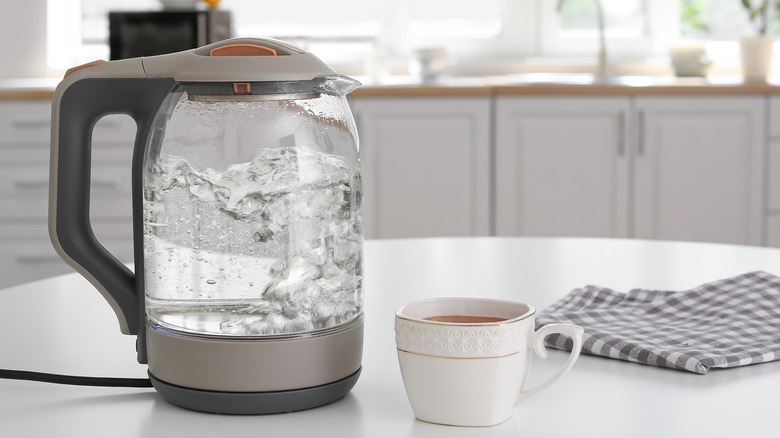
- ✦ Heat only the needed amount
Measure the water for your cups or recipe instead of filling the kettle to the top.
- ✦ Keep the lid closed
A closed lid helps reduce heat loss and lets steam reach the sensor as designed.
- ✦ Descale regularly
Remove mineral deposits according to the manufacturer’s care instructions.
- ✦ Use fresh water
Fresh water is useful for taste and avoids repeatedly reheating water that has been sitting in the kettle.
- ✦ Check the minimum fill line
Do not operate the kettle below its stated minimum water level unless the manufacturer specifically allows it.
How Limescale Can Affect Boiling
Limescale is a mineral deposit that can form when hard water is heated. It often looks like a white, rough coating inside the kettle. A thin layer may mainly affect appearance, but heavy buildup can interfere with the heating surface and make cleaning more difficult.
The best cleaning method depends on the kettle maker’s instructions. Some manufacturers allow a mild descaling solution or diluted vinegar, while others recommend a specific product. Always follow the care guidance for the model you own.
Starting With Warmer Water
Warm water reaches boiling sooner because it starts closer to the target temperature. However, using hot tap water for drinking or cooking is not always recommended because hot water can pick up metals or other materials from plumbing more readily than cold water.
For routine drinking water, many households use cold tap water and let the kettle do the heating. If speed matters, the safer choice is to reduce the amount of water rather than rely on hot tap water.
Boiling, Temperature Control, and Different Drinks
Not every drink needs water at a full boil. Electric Kettle Performance & Boiling can be more useful when the kettle gives you control over the final temperature. This is common on variable-temperature kettles with digital controls or preset buttons.
Different beverages and foods can call for different water temperatures. Green tea is often brewed below a full boil, while black tea and many instant foods can use much hotter water. Coffee preparation also depends on the brewing method and recipe.
A temperature-controlled kettle can reduce guesswork. It can also prevent repeated heating when you want a lower target temperature.
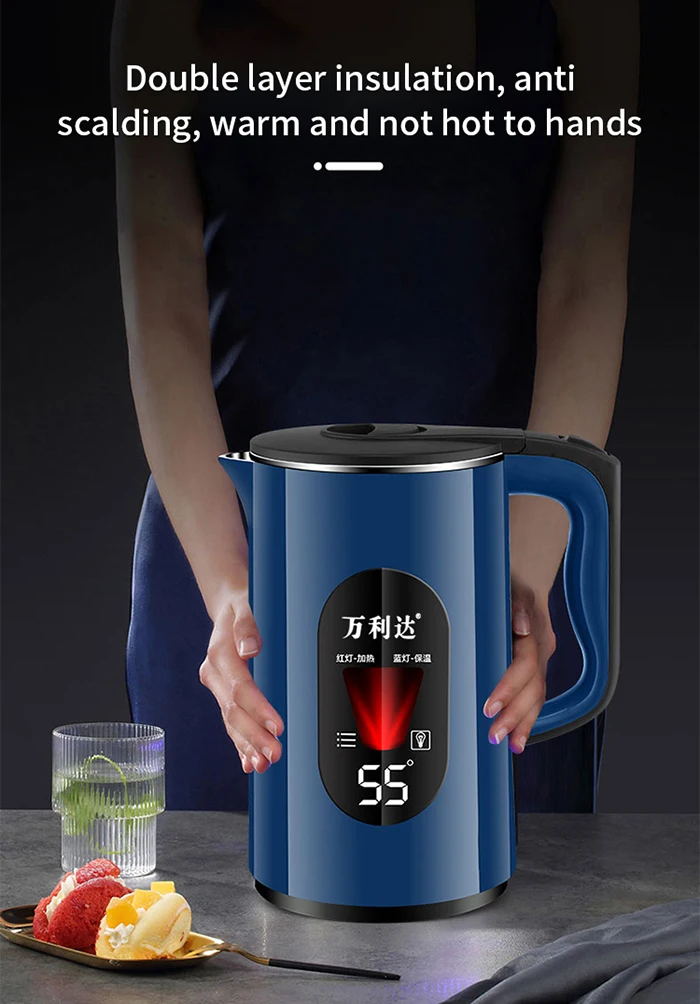
- ✦ Full boil
Useful when you need very hot water for tasks such as many types of tea, instant foods, or cooking.
- ✦ Lower temperature
Useful for drinks that benefit from water below boiling.
- ✦ Hold function
Some models maintain a selected temperature for a set period, which can help when making several drinks.
- ✦ Temperature display
A display can make it easier to see the current or selected water temperature.
Boiling Point Is Not Always 212°F
The familiar 212°F boiling point applies near standard sea-level atmospheric pressure. As elevation rises, air pressure falls, and water boils at a lower temperature.
This matters when comparing kettle performance across locations. A kettle at a high elevation may switch off at a lower water temperature than the same kettle used near sea level.
Electric Kettle Safety and Reliable Performance
Fast boiling is useful only when the kettle remains safe and predictable. A quality electric kettle should have automatic shut-off and boil-dry protection. These features help reduce the risk of continued heating when the water reaches the target point or the kettle has too little water.
The body can also become hot during use. Hold the kettle by its handle, keep it on a stable surface, and pour with care. Keep the electrical base and plug away from water unless the manufacturer states that a part is designed for washing.
Do not leave an actively boiling kettle unattended if your model lacks reliable automatic controls. Follow the manufacturer’s instructions for filling, cleaning, and use.

- ✦ Automatic shut-off
The kettle should stop heating after reaching its intended boiling point or target temperature.
- ✦ Boil-dry protection
This safety feature can stop the heating system when there is too little or no water.
- ✦ Stable base
A solid base helps keep the kettle steady during heating and pouring.
- ✦ Cool-touch handle
A well-designed handle helps reduce the chance of contact with hot surfaces during normal use.
- ✦ Clear water markings
Easy-to-read markings help prevent overfilling and make it easier to heat the right amount.
Avoid Overfilling
Every kettle has a maximum fill line. Water above that level can spill or reach areas that should stay dry when the water boils. Always stay within the marked range.
The minimum line matters too. Heating too little water can expose the heating system to conditions it was not designed to handle. Use the kettle within the limits stated in its manual.
When a Kettle Seems Slow
A sudden change in boiling speed can have several causes. Check the water amount, starting temperature, mineral buildup, and lid position before assuming the heating element has failed.
If the kettle does not heat, repeatedly shuts off too soon, smells like burning, damages the cord, or shows other electrical problems, stop using it. Replace or service the appliance according to the manufacturer’s guidance.
How to Compare Electric Kettle Performance Before Buying
When shopping for an electric kettle, do not focus on one number. Electric Kettle Performance & Boiling depends on several features that affect daily use. A kettle with a high wattage may boil quickly, but capacity, controls, safety features, cleaning needs, and build quality also deserve attention.
For most home users, the best match is the kettle that fits the amount of water they normally heat. A small household may gain little from a very large kettle, while a family may value a larger capacity and a wide opening for easy filling and cleaning.
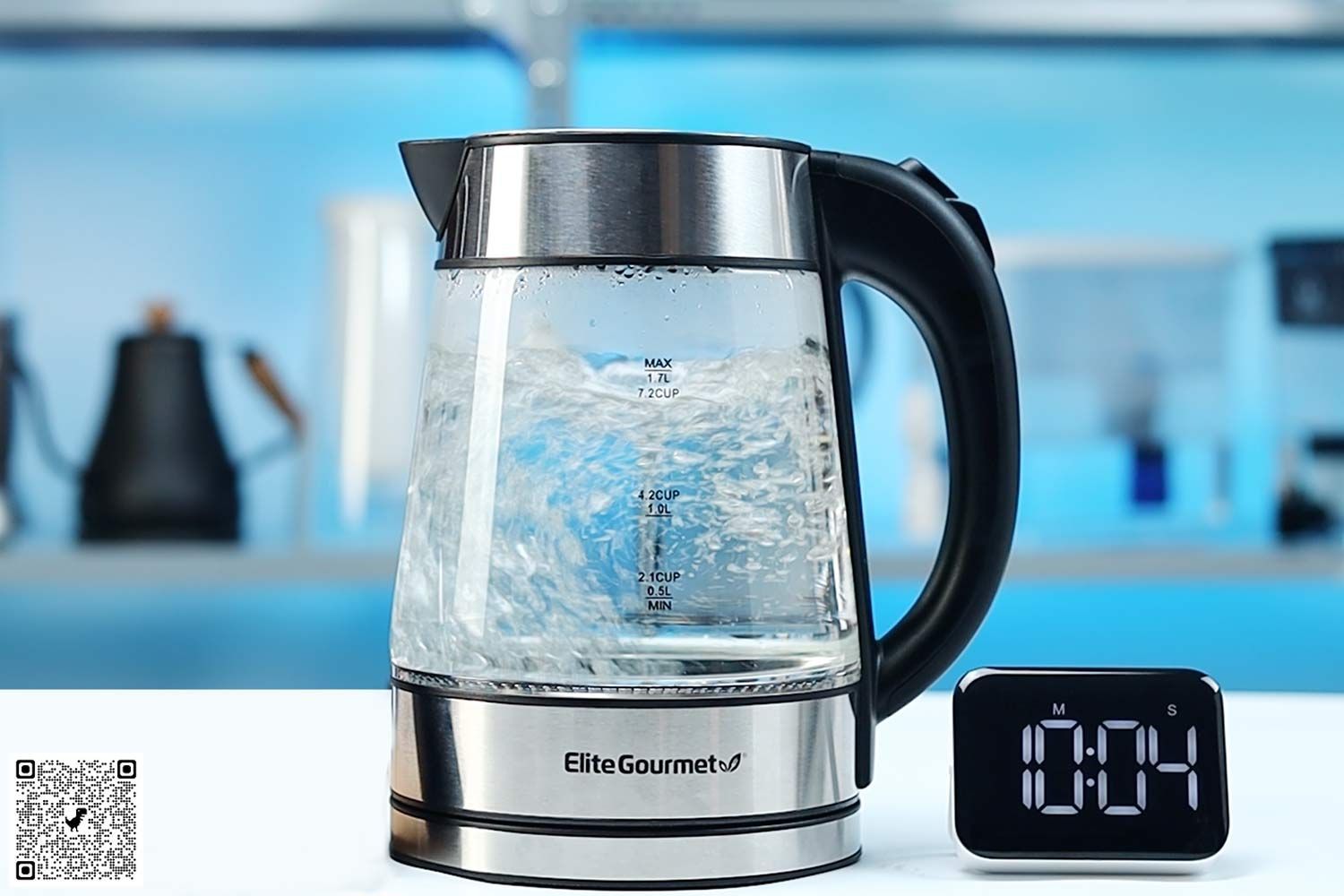
- ✦ Wattage
Check the rated power when fast boiling is important, while remembering that wattage alone does not determine real-world speed.
- ✦ Capacity
Choose a size that fits your normal use so you do not waste time and energy heating extra water.
- ✦ Temperature settings
Choose variable temperature control if you regularly prepare drinks that need water below a full boil.
- ✦ Heating speed
Look for controlled tests that use the same water volume and starting temperature when comparing boil times.
- ✦ Cleaning access
A wide opening and removable filter can make mineral buildup easier to manage.
- ✦ Safety features
Automatic shut-off and boil-dry protection are important features for routine household use.
- ✦ Water-level markings
Clear markings make it easier to heat one cup or another specific amount without guessing.
A Simple Home Boiling Test
You can compare Electric Kettle Performance & Boiling at home with a simple repeatable test. Use the same measured amount of cold water each time, start the kettle from the same room-temperature conditions, and record the time from switching on to automatic shut-off.
Repeat the test at least twice and use the average. This reduces the effect of small timing errors. Avoid comparing results from different water volumes or starting temperatures because those changes can make the results misleading.
- ✦ Measure the water
Use the same volume for every test.
- ✦ Keep conditions similar
Use water at roughly the same starting temperature and test in the same location.
- ✦ Record the time
Start timing when heating begins and stop when the kettle switches off.
- ✦ Repeat the test
Run more than one test to reduce the effect of small measurement errors.
Common Electric Kettle Performance Problems
Even a good kettle can perform poorly when used outside its normal conditions. The most common issues include slow heating, early shut-off, mineral buildup, inaccurate temperature readings, and water that does not reach the expected level of heat.
Start with the simple checks. Make sure the kettle has enough water, sits correctly on the base, and has a fully closed lid. If performance remains poor, inspect the interior for scale and follow the manufacturer’s cleaning instructions.
Electric Kettle Performance & Boiling can also change over time. Mineral deposits, worn controls, damaged cords, and aging heating parts can all affect operation. Electrical faults should not be ignored.
- ✦ Slow boiling
Check water volume, mineral deposits, power supply, and the kettle’s rated wattage.
- ✦ Early shut-off
Make sure the lid closes correctly and the kettle is positioned properly on its base.
- ✦ White deposits
Mineral scale may build up in areas that contact heated water.
- ✦ Strange smells
A new kettle may have a temporary manufacturing odor, but a burning or electrical smell is a reason to stop using the appliance.
- ✦ Power problems
A damaged cord, plug, base, or electrical connection requires attention before further use.
Why a New Kettle May Need a Rinse
Some new kettles can have a mild manufacturing smell or taste during their first uses. Follow the manufacturer’s first-use instructions, which may include rinsing or boiling and discarding water.
If an unusual smell remains after proper cleaning and several normal uses, check the manual or contact the manufacturer. Do not ignore a smell that suggests overheating or an electrical fault.