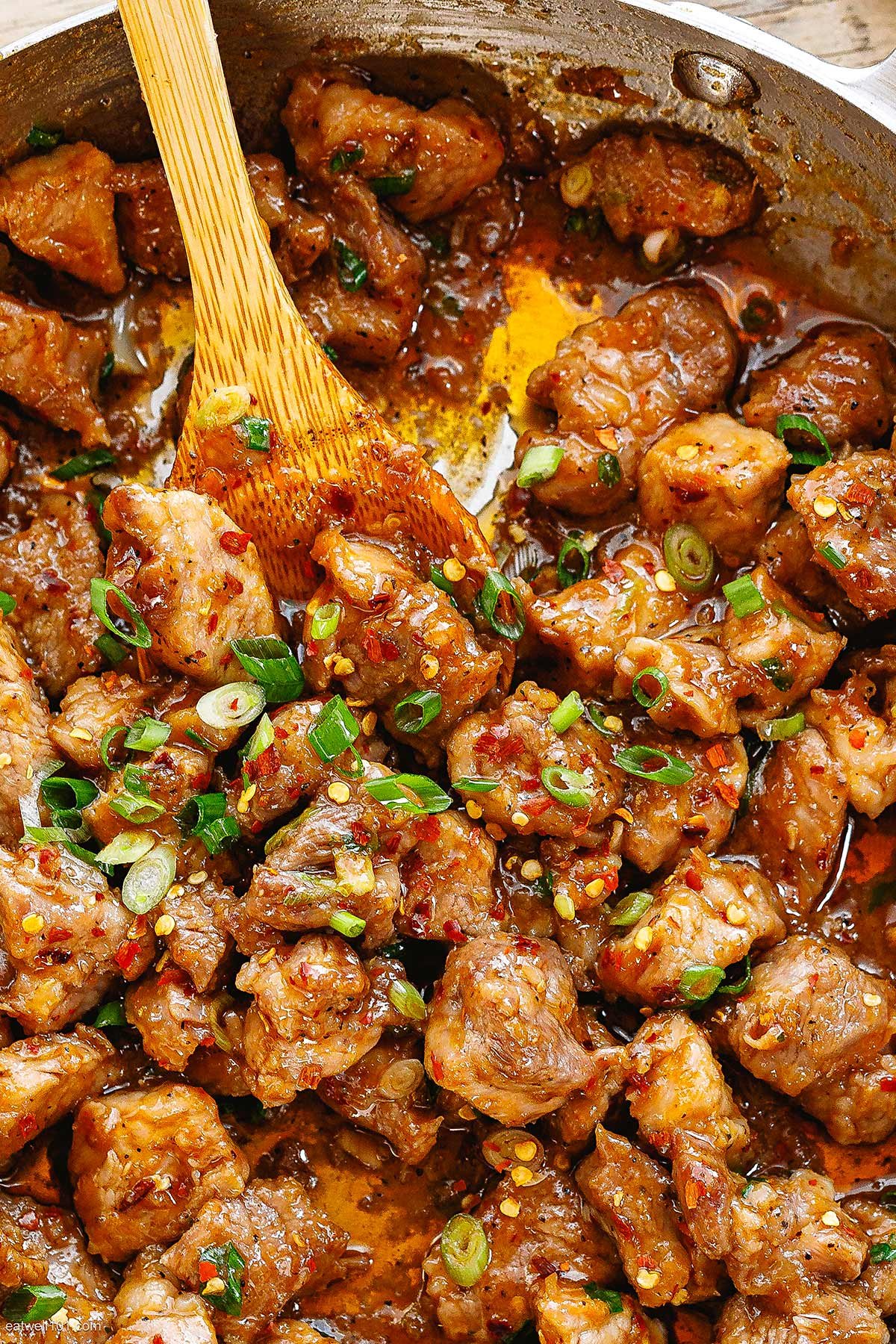
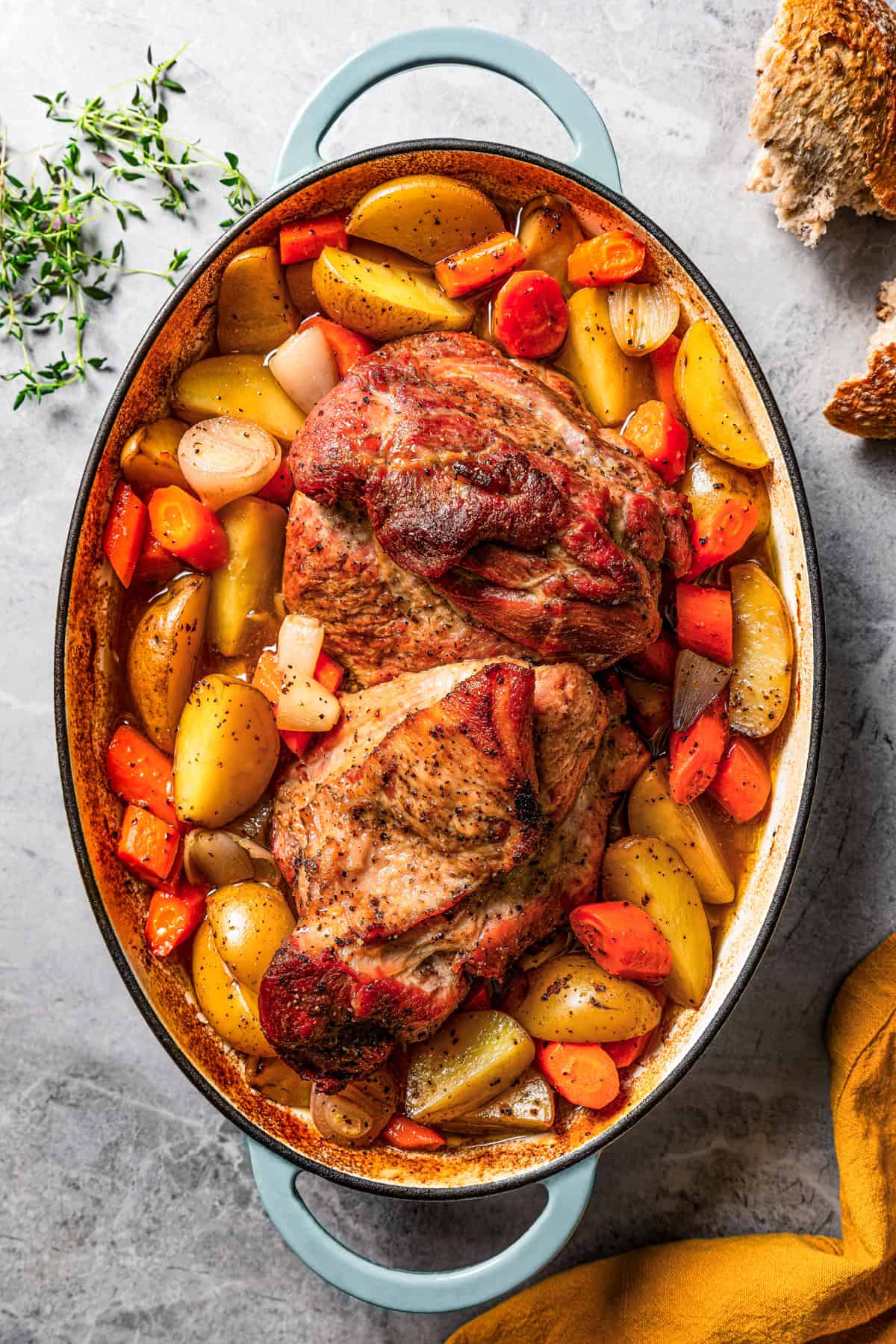
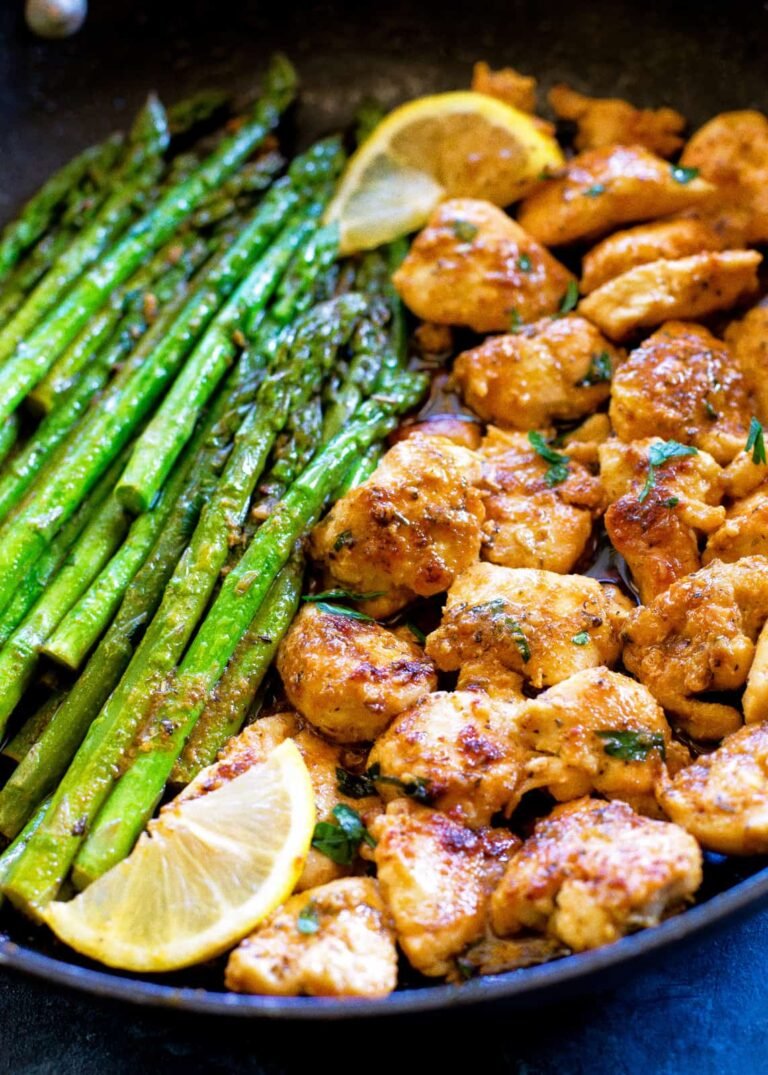
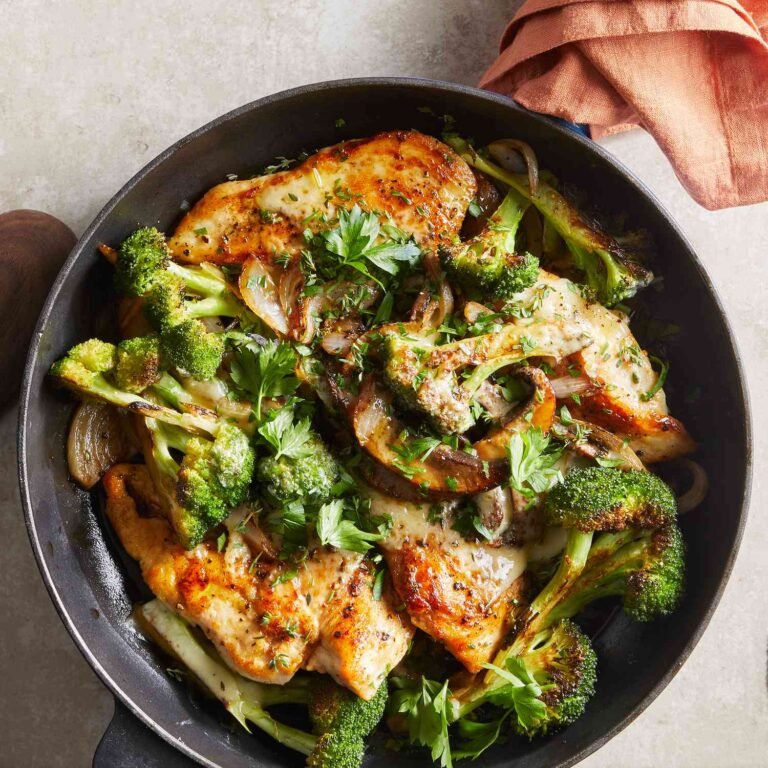
The easiest pork recipes for a U.S. weeknight dinner are usually pork chops, pork tenderloin, skillet pork, roasted pork, and slow-cooked pork. Choose the cut based on your available time, season it simply, and use a food thermometer rather than cooking by color alone.
For busy American households, pork is a practical dinner protein because different cuts work with very different cooking methods. Thin pork chops can become a quick skillet meal, pork tenderloin can be roasted or sliced for a fast sauté, while pork shoulder is better suited to slow cooking. Recent recipe collections from major food publications similarly emphasize pork chops, tenderloin, roasts, skillet meals, and slow-cooked dishes as flexible weeknight options.
The key to consistently good pork is matching the cooking method to the cut and checking the internal temperature. For whole cuts such as pork chops, pork loin, and pork tenderloin, U.S. Department of Agriculture guidance calls for a minimum internal temperature of 145°F followed by at least a 3-minute rest. Ground pork should reach 160°F. These temperatures help prevent both food-safety problems and unnecessary overcooking.
Source: Bing
Which Pork Cuts Are Best for Easy Dinners?
The best pork cut depends mainly on how much time you have. Pork chops are convenient for fast skillet or oven dinners, pork tenderloin is lean and quick-cooking, pork loin works well as a larger roast, and pork shoulder is ideal when you want tender, shreddable meat from slow cooking.
Pork tenderloin and pork loin are often confused because their names sound similar, but they are different cuts. Tenderloin is long, narrow, boneless, and generally much smaller. Pork loin is wider and can be bone-in or boneless. Treating them as interchangeable can lead to incorrect cooking times.
Source: Bing
Pork chops
Best for quick skillet, baked, grilled, or breaded dinners. Thin chops cook especially quickly, while thick-cut chops need more careful temperature checking.
Pork tenderloin
A lean, tender cut that works well roasted, grilled, pan-seared, or sliced into medallions for a quick meal.
Pork loin
A larger roast suited to family dinners and leftovers. It takes longer than tenderloin because of its size.
Pork shoulder
A tougher, well-marbled cut that becomes tender with longer cooking. It is useful for pulled pork, tacos, sandwiches, and hearty stews.
Ground pork
Useful for meatballs, burgers, dumplings, pasta sauces, stuffed vegetables, and one-pan meals. Ground pork should reach 160°F.
How Do You Choose Pork for a Weeknight?
If you have about 20 to 30 minutes, start with pork chops or tenderloin. If you are feeding several people and want leftovers, pork loin can be more practical. If dinner can cook slowly while you handle other tasks, pork shoulder is a better fit.
Fastest option
Thin pork chops or sliced pork tenderloin.
Best for a larger meal
Pork loin roast.
Best for slow cooking
Pork shoulder.
Easy Pork Chop Recipes for Busy Weeknights
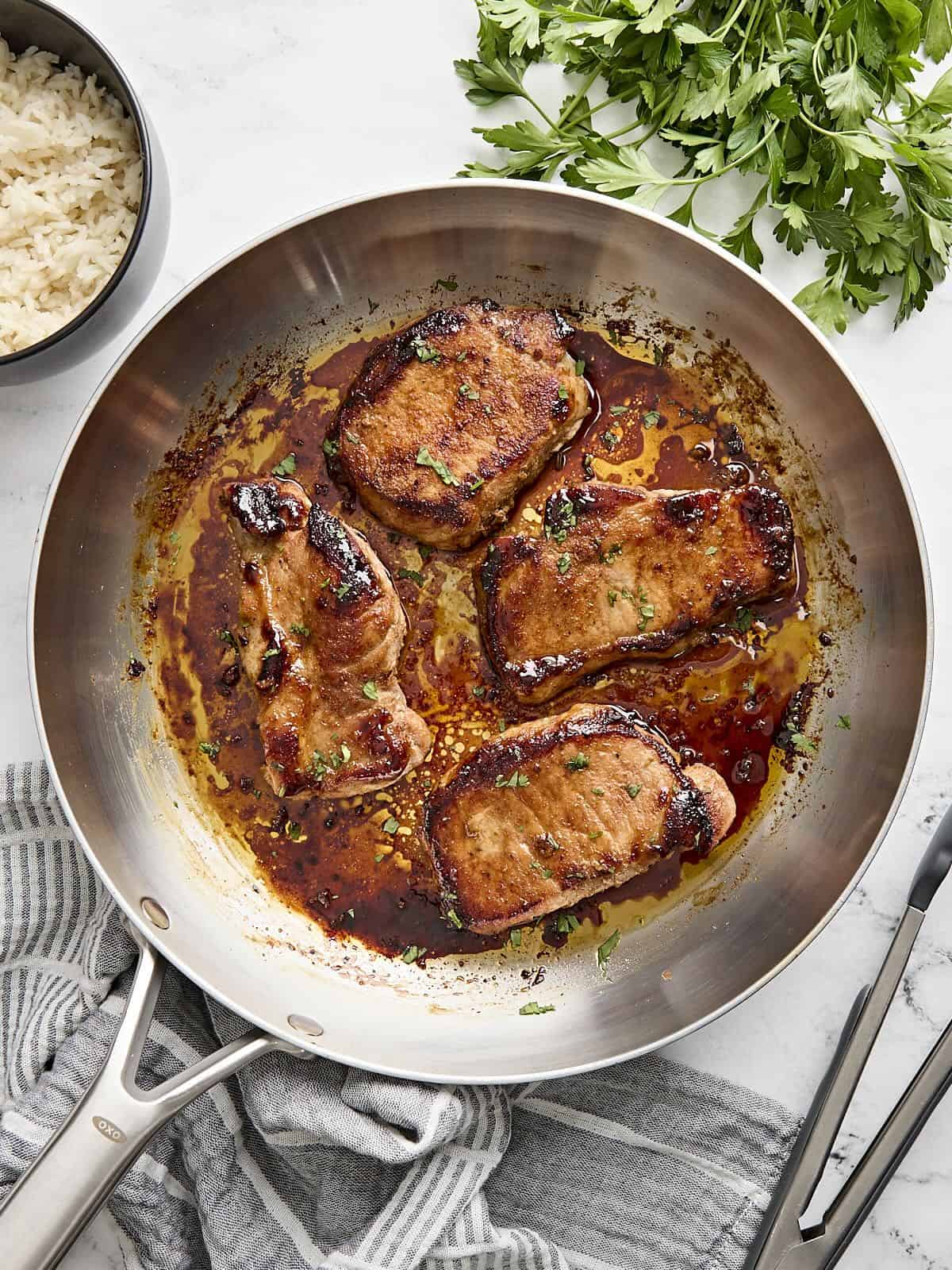
Pork chops are one of the simplest ways to put pork on the table quickly. A basic method is to season the chops, sear them in a hot skillet, reduce the heat as needed, and cook until the thickest part reaches 145°F. A short rest before serving helps keep the meat juicy.
You can change the character of the meal without changing the basic cooking method. Garlic, rosemary, thyme, paprika, black pepper, mustard, apples, onions, mushrooms, and simple pan sauces all pair naturally with pork. This makes pork chops useful when you want several different dinners from the same basic ingredient.
Source: Bing
Garlic herb pork chops
Season chops with garlic, thyme, rosemary, black pepper, and salt, then finish with a small amount of butter or olive oil.
Honey mustard pork chops
Make a quick sauce with Dijon mustard, honey, garlic, and a little broth. Add it after the pork is browned so the sauce does not burn.
Apple and onion pork chops
Sauté sliced apples and onions after cooking the pork and use their sweetness to balance the savory meat.
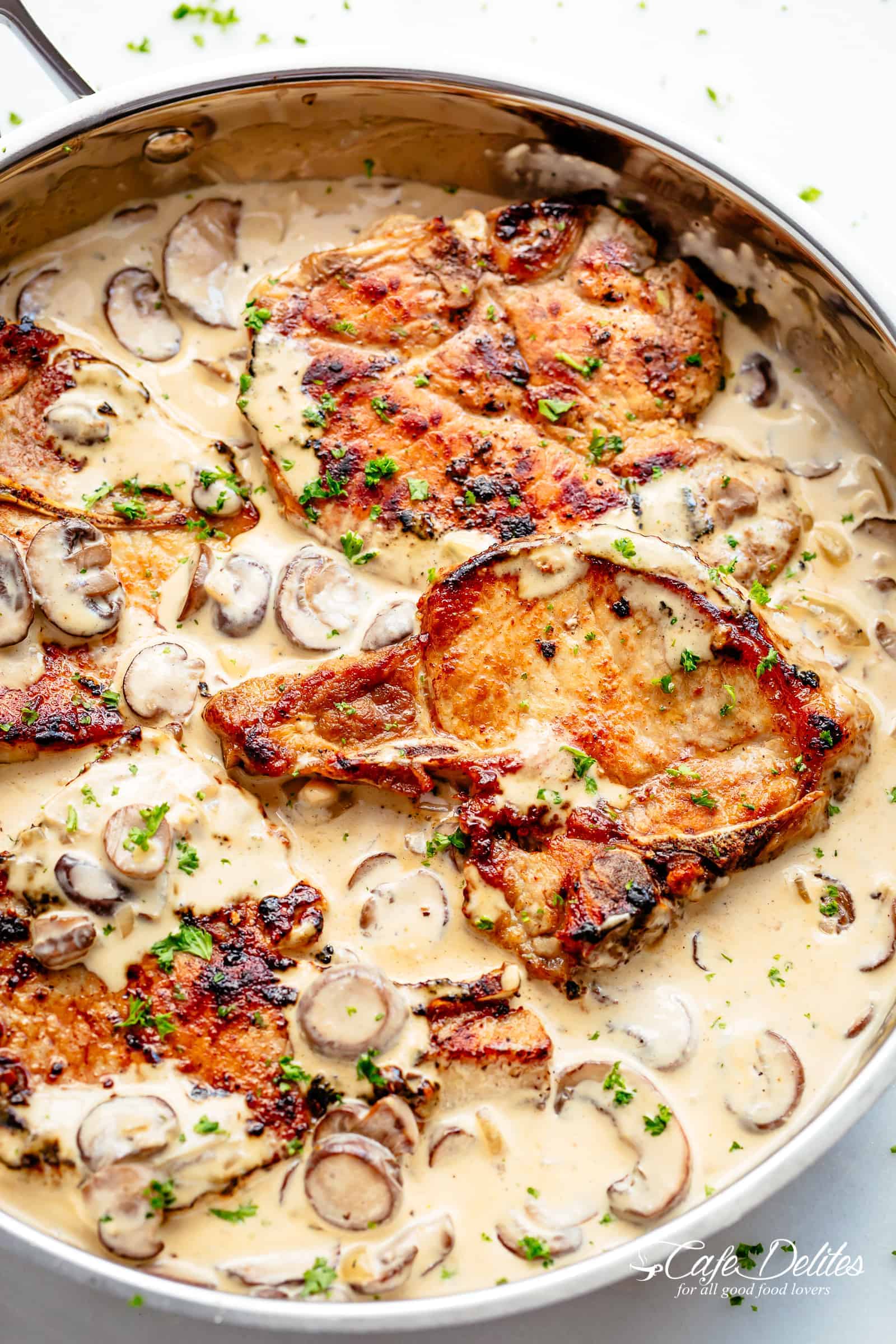
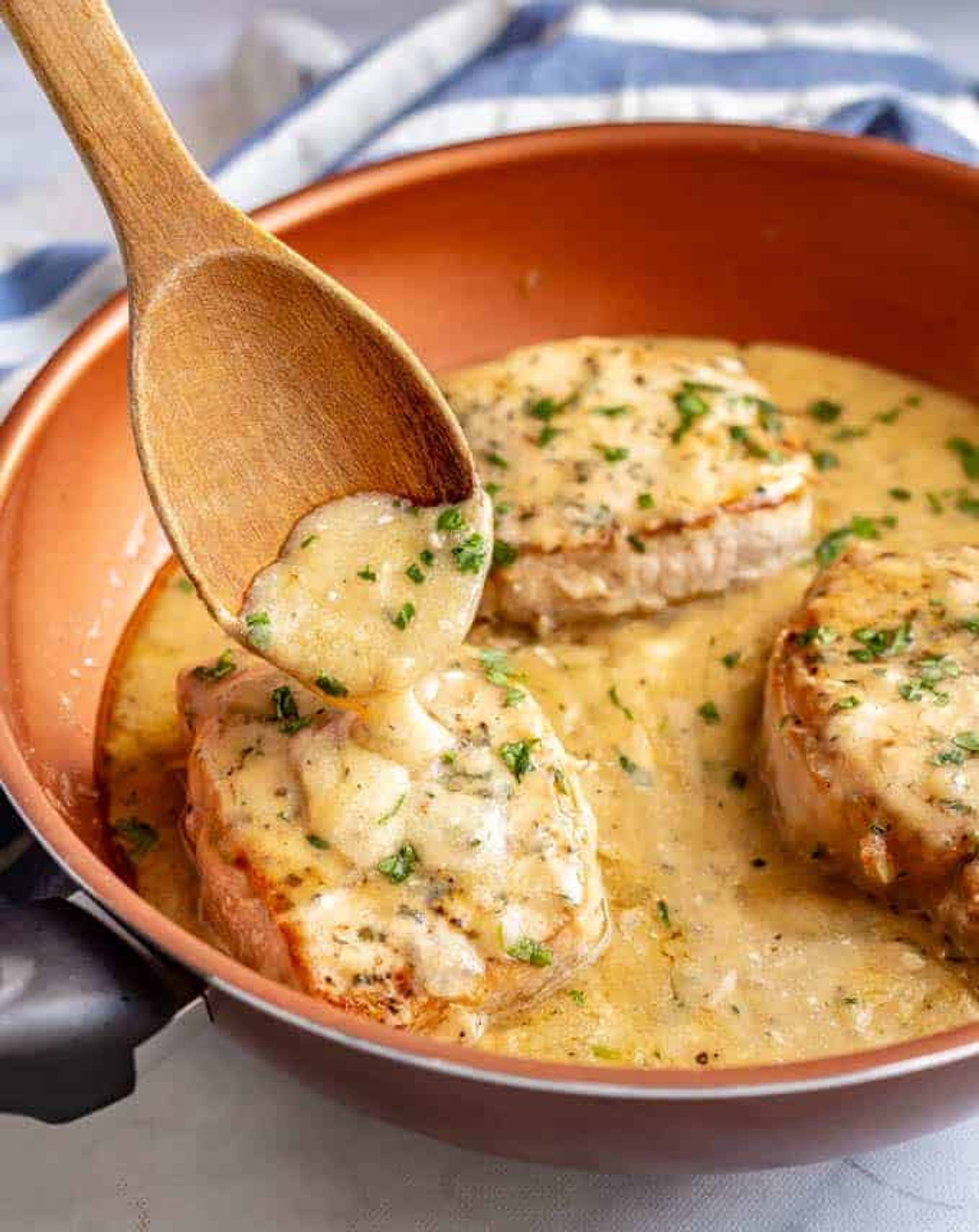
Creamy mushroom pork chops
Brown the chops first, then make a mushroom and herb sauce in the same skillet for a comforting dinner.
How Do You Keep Pork Chops From Drying Out?
The most reliable approach is to avoid cooking pork far beyond its safe minimum temperature. Check the thickest portion with a thermometer and remove the pork from the heat when it reaches at least 145°F, then let it rest for at least 3 minutes. Very thin chops can go from properly cooked to dry quickly, so temperature is more useful than a fixed cooking time.
Use thickness as your guide
Thicker chops generally need more cooking time than thin chops, even when the recipe uses the same temperature.
Check the center
Insert the thermometer into the thickest part and avoid touching bone when taking the reading.
Easy Pork Tenderloin Recipes
Pork tenderloin is one of the most useful cuts when you want a dinner that feels substantial without requiring a long cooking time. Its mild flavor works with savory herbs, sweet glazes, spicy sauces, mustard-based marinades, and fruit-forward combinations.
For a simple roasted tenderloin, pat the meat dry, season it generously, and brown it in a skillet if desired before transferring it to the oven. Continue cooking until the center reaches 145°F, then rest the tenderloin for at least 3 minutes before slicing. Cutting the meat across the grain into medallions makes it easy to serve with vegetables, rice, potatoes, or salad.
Source: Bing
Honey garlic tenderloin
Combine honey, garlic, soy sauce, and a little vinegar for a sweet-savory glaze that works well with roasted pork.
Herb-roasted tenderloin
Use rosemary, thyme, garlic, black pepper, and olive oil for a simple roast that pairs with potatoes and green vegetables.
Mustard pork tenderloin
Dijon mustard adds acidity and sharpness without requiring a complicated marinade.
Pork tenderloin medallions
Slice the tenderloin into thick rounds and pan-sear them for a fast dinner with a sauce made in the same skillet.
Pork Tenderloin vs. Pork Loin
Pork tenderloin is smaller, narrow, and naturally tender, making it useful for quick cooking. Pork loin is a much larger roast and needs more time. When buying groceries, check the package carefully because using the wrong cut can make a recipe’s timing inaccurate.
Tenderloin
Small, narrow, lean, and quick-cooking.
Loin
Larger roast, often sold bone-in or boneless, and better suited to longer roasting.
Easy Oven, Skillet, and One-Pan Pork Dinners
The cooking method can make an easy pork recipe even easier. A skillet is useful when speed matters, the oven works well for hands-off cooking and sheet-pan meals, and one-pan recipes reduce cleanup. The best method depends on the pork cut and how quickly you need dinner.
For a skillet meal, use medium-high heat to develop browning, then adjust the heat so the outside does not burn before the center is cooked. For oven cooking, arrange pork and vegetables so they have enough space to cook rather than steam. Always confirm doneness with a thermometer because oven and pan temperatures vary.
Source: Bing
Skillet pork
Best for chops, medallions, thin tenderloin pieces, and ground pork. It provides fast browning and makes it easy to build a pan sauce.
Baked pork
Useful when you want less stovetop attention. Pork chops and tenderloin can be paired with vegetables for a simple oven dinner.
Sheet-pan pork
Combine pork with vegetables such as potatoes, broccoli, carrots, onions, or Brussels sprouts for a complete meal with fewer dishes.
Slow-cooked pork
Better for pork shoulder and other cuts that benefit from extended cooking. The goal is tenderness rather than speed.
Simple Pork Dinner Combinations
A balanced pork dinner does not need a complicated side dish. Pair pork with a starch and a vegetable, or use leftovers in sandwiches, tacos, rice bowls, salads, or wraps. Sauces can also make the same basic pork preparation feel different from one meal to the next.
Classic American dinner
Pork chops with mashed potatoes, green beans, and pan gravy.
Quick rice bowl
Sliced pork tenderloin with rice, steamed broccoli, and a honey-garlic sauce.
Sheet-pan dinner
Pork chops with potatoes, onions, and Brussels sprouts roasted together.
Leftover lunch
Sliced cooked pork with greens, tomatoes, avocado, and a mustard-based dressing.
Easy Pork Stew and Slow-Cooked Recipes
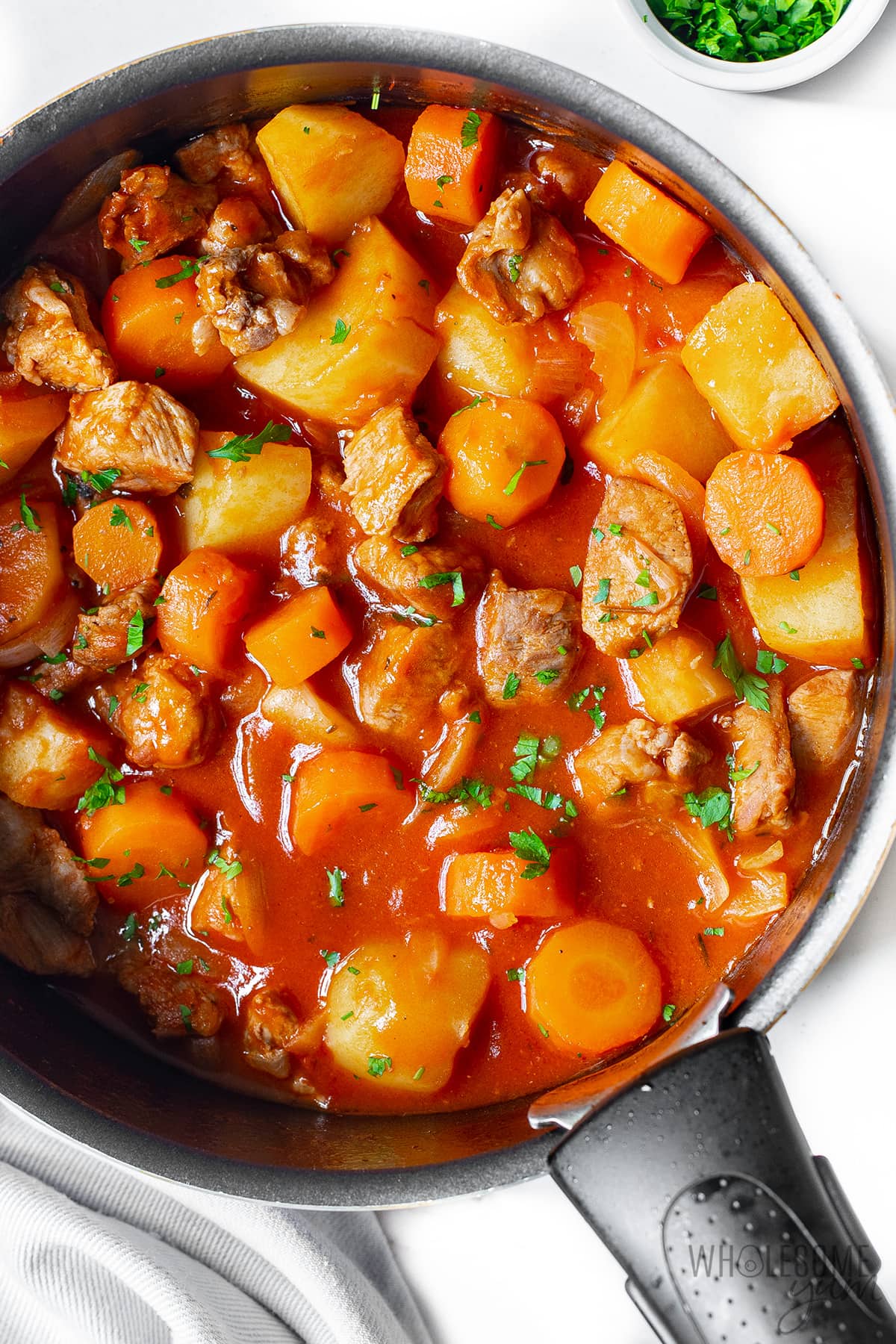
Slow-cooked pork is the better choice when you want fork-tender meat and do not need dinner immediately. Pork shoulder works particularly well because its connective tissue and fat can soften during longer cooking. Pork stew can also combine pork with potatoes, carrots, onions, broth, tomatoes, herbs, or other vegetables.
For a simple stew, brown bite-sized pork pieces in batches, soften onions and other aromatics, then add broth or another cooking liquid and the remaining ingredients. Simmer gently until the pork is tender and the vegetables are cooked. Browning is optional in some simplified recipes, but it adds a deeper roasted flavor.
Source: Bing
Classic pork stew
Use pork shoulder with potatoes, carrots, onions, broth, garlic, and herbs for a hearty one-pot meal.
Pulled pork
Slow-cook pork shoulder until it becomes tender enough to shred, then serve it in sandwiches, tacos, bowls, or alongside vegetables.
Pork and beans
Combine slow-cooked pork with beans, tomatoes, onions, and spices for a filling meal that works well for leftovers.
Pork carnitas-style dinner
Slow-cooked pork can be shredded and crisped before serving with tortillas, rice, beans, salsa, or fresh toppings.
When Should You Choose Slow Cooking Instead of a Skillet?
Choose slow cooking when the cut contains enough connective tissue to benefit from extended cooking, especially pork shoulder. Choose a skillet when you are working with a naturally tender cut such as pork chops or tenderloin and want dinner quickly. Using a long cooking method on a lean, tender cut can produce a less appealing texture if the meat is cooked too far.
Choose slow cooking
Use it for pork shoulder, pulled pork, and hearty stews where tenderness develops over time.
Choose quick cooking
Use it for pork chops and tenderloin when you want a meal in a relatively short time.
Pork Cooking Safety and Common Mistakes
The safest way to know pork is cooked is to measure its internal temperature with a food thermometer. For whole cuts such as chops, roasts, and tenderloin, USDA guidance specifies 145°F followed by at least a 3-minute rest. Ground pork should reach 160°F. Pork can remain slightly pink after reaching a safe temperature, so color alone is not a reliable doneness test.
Food safety also depends on handling. Keep raw pork separate from ready-to-eat foods, wash hands and surfaces after handling raw meat, and refrigerate leftovers within 2 hours. If the surrounding temperature is above 90°F, refrigerate perishable food within 1 hour.
Source: Bing
Cooking by time alone
Recipe times are estimates. Thickness, starting temperature, pan size, oven performance, and the amount of food can change cooking speed.
Judging pork by color
Pork may remain pink even after reaching a safe internal temperature. Use a thermometer instead of relying on appearance.
Using the wrong thermometer location
Measure the thickest portion of the meat and avoid touching bone, which can produce an inaccurate reading.
Overcooking lean cuts
Lean pork chops and tenderloin can become dry when cooked well beyond their safe minimum temperature.
Leaving leftovers out
Refrigerate cooked pork promptly. Food left at room temperature for more than 2 hours should be discarded, or after 1 hour when temperatures exceed 90°F.
What Temperature Should Pork Reach?
For whole cuts of pork, including steaks, chops, and roasts, the USDA minimum is 145°F with a 3-minute rest. Ground pork requires 160°F. When reheating cooked leftovers, heat them to 165°F. Insert the thermometer into the thickest part of the food and check the temperature before serving.
Whole pork cuts
145°F with at least a 3-minute rest.
Ground pork
160°F.
Pork leftovers
165°F when reheating.
Frequently Asked Questions
Q
What is the easiest pork recipe for beginners?
Simple skillet pork chops are a good starting point because the ingredient list can stay short and the cooking process is easy to monitor. Season the chops, brown them in a skillet, and use a thermometer to confirm they reach 145°F before resting for at least 3 minutes.
Q
What can I make with pork in 30 minutes?
Pork chops, sliced pork tenderloin, ground pork skillet meals, and quick stir-fries are practical choices. Thin cuts and small pieces generally cook faster than large roasts, but use internal temperature rather than a fixed 30-minute assumption to determine doneness.
Q
Can pork be a little pink in the middle?
Yes. Whole cuts of pork can remain slightly pink even after reaching the USDA-recommended safe minimum temperature. Check the thickest part with a food thermometer and confirm that it has reached at least 145°F, followed by a 3-minute rest.
Q
How do you make pork taste better without complicated ingredients?
Build flavor with a simple combination of salt, black pepper, garlic, herbs, mustard, paprika, honey, apples, onions, or a quick pan sauce. Browning the meat before finishing it can also add roasted flavor.
Q
What is the difference between pork loin and pork tenderloin?
Pork tenderloin is a smaller, narrow, boneless cut that cooks relatively quickly. Pork loin is a larger roast that may be bone-in or boneless and generally needs more time. They should not automatically be substituted for one another in recipes.
Q
What should I serve with easy pork recipes?
Good pairings include roasted or mashed potatoes, rice, green beans, broccoli, Brussels sprouts, carrots, apples, salads, corn, and simple roasted vegetables. For leftovers, cooked pork also works well in sandwiches, tacos, wraps, rice bowls, and salads.
✦ Wrapping Up
Conclusion
Easy pork recipes do not require complicated techniques. Start by choosing the right cut for your schedule: pork chops and tenderloin are convenient for quick dinners, pork loin works well for a larger roast, and pork shoulder is better for slow cooking. From there, simple seasonings and sauces can create very different meals from the same basic ingredients.
For reliable results, use a food thermometer rather than judging pork by color or cooking time alone. Whole cuts should reach 145°F and rest for at least 3 minutes, while ground pork should reach 160°F. With the right cut, a suitable cooking method, and careful temperature control, pork can become a practical option for weeknight dinners, meal prep, and family meals.
💡 Key Takeaway
For your next easy pork dinner, choose pork chops or tenderloin if you need speed, season them simply, cook until the center reaches 145°F, let the meat rest for at least 3 minutes, and serve with one vegetable and one simple starch.
Quick, tasty microwave weight loss meals that fit busy schedules—balanced recipes, calorie tips, and meal plans to help you shed pounds without spending hours.
Quick, crispy bites made simple—air fryer snack recipes with times, tips, and healthy swaps to satisfy cravings fast, perfect for beginners and busy nights.
Discover easy vegetarian recipes for busy weeknights, including quick pasta, tacos, stir-fries, bowls, soups, and sheet-pan meals made with everyday ingredients.
Whip up tasty microwave keto recipes in minutes with easy, low-carb meals, snacks and desserts. Simple steps, big flavor-perfect for busy keto lifestyles.