Easy slow cooker recipes are meals that require little hands-on preparation and let the cooker handle most of the cooking. For busy U.S. households, the easiest options include chili, shredded chicken, pot roast, soups, tacos, meatballs, and simple vegetarian meals.
For many American families, a slow cooker is useful when dinner needs to cook while the household is working, commuting, running errands, or handling school and family schedules. The best easy slow cooker recipes are not necessarily the ones with the fewest ingredients. They are the recipes that match the cooking time, require limited preparation, and use ingredients that hold up well during several hours of gentle cooking.
A slow cooker works especially well for moist dishes such as chili, soup, stew, and spaghetti sauce, as well as meats that benefit from long cooking. The U.S. Department of Agriculture advises thawing meat and poultry before placing them in a slow cooker and keeping perishable ingredients refrigerated until preparation begins. These practical safety steps matter just as much as convenience when planning a slow cooker meal.
What Makes a Slow Cooker Recipe Easy?
An easy slow cooker recipe minimizes active work rather than simply having a short ingredient list. A useful recipe might require only chopping a few vegetables, measuring a sauce or broth, seasoning the main ingredients, and placing everything into the cooker. The appliance then provides the long, relatively hands-off cooking stage.
Slow cookers are particularly useful for meals with enough moisture to transfer heat through the food. Soups, stews, chili, braised meats, shredded chicken, and saucy dishes are natural choices. Tougher cuts of meat can also become tender during extended cooking because the combination of time, moisture, and gentle heat changes their texture.
A recipe is less convenient when it requires several separate cooking stages, frequent stirring, or ingredients that must be added at many different times. Those recipes can still be good, but they are not the best choice when the goal is genuinely low-effort cooking.
Minimal prep
Look for recipes that need only basic chopping, seasoning, or measuring before cooking.
Moist cooking environment
Chili, soup, stew, sauces, and braised dishes generally work well because moisture is retained inside the covered cooker.
Few interventions
The most convenient recipes allow the cooker to work for several hours without repeated stirring or complicated adjustments.
Predictable timing
A practical recipe should give you a realistic cooking window so you can plan dinner around work, school, or other activities.
Slow Cooker Versus Crock-Pot
Slow cooker is the general term for this type of countertop appliance. Crock-Pot is a brand name that has become commonly used as a generic term in American cooking. Recipes that say Crock-Pot generally refer to slow-cooker cooking, but the exact appliance instructions should always take precedence.
Easy Slow Cooker Recipes for Busy Weeknights
The easiest weeknight choices are meals that can be assembled before the busiest part of the day and served with little additional work. Chicken, beef, beans, potatoes, vegetables, broth, canned tomatoes, salsa, and prepared sauces are especially useful building blocks.
Instead of treating a slow cooker as a device only for soup, use it for several types of meals. Shredded chicken can become tacos or sandwiches, cooked beef can become bowls or wraps, and chili can be served with cornbread, rice, or baked potatoes. This makes one basic slow-cooked protein or stew useful across more than one meal.
Food Network’s current slow-cooker collection includes a broad mix of soups, chili, pulled meats, tacos, pasta sauces, side dishes, breakfast recipes, and desserts. Other major recipe publishers similarly organize slow-cooker recipes around chicken, beef, pork, vegetarian meals, soups, pasta, breakfast, and desserts. This reflects the appliance’s practical range rather than a single type of dinner.
Slow cooker chicken
Chicken thighs and other suitable cuts can be cooked with salsa, broth, tomatoes, barbecue sauce, or seasonings and then shredded for tacos, sandwiches, bowls, or salads.
Slow cooker chili
Ground meat or another protein can be combined with beans, tomatoes, peppers, onions, and spices for a meal that is easy to portion and reheat.
Slow cooker beef
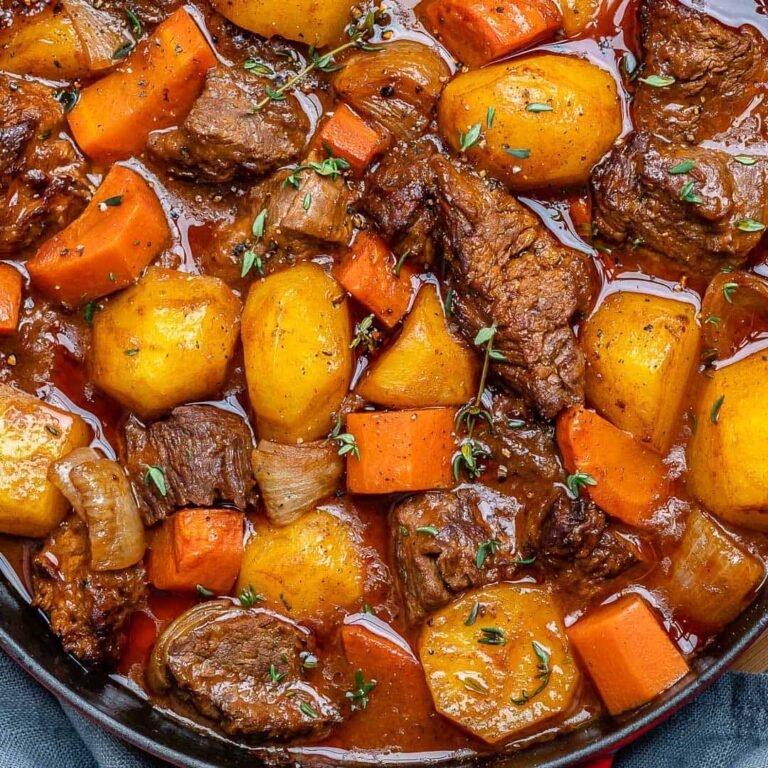
Pot roast, beef stew, shredded beef, and similar dishes benefit from the moist environment and extended cooking time.
Slow cooker soups
Chicken soup, tortilla soup, bean soup, vegetable soup, and other broth-based meals are convenient choices because the cooking liquid helps maintain moisture.
Vegetarian slow cooker meals
Beans, lentils, vegetables, potatoes, tomato-based sauces, and grains can form filling meat-free meals when the recipe is designed for slow cooking.
Best Easy Recipes When You Have 6 to 8 Hours
Longer cooking windows are useful for dishes such as pot roast, beef stew, chili, pulled pork, chicken soup, and some bean-based meals. These foods generally benefit from extended cooking and do not depend on a narrow finishing window.
Good choices
Pot roast, beef stew, chili, pulled pork, and hearty soups are natural candidates for an all-day schedule.
Planning tip
If dinner needs to be ready after work, choose a recipe whose recommended cooking range overlaps your schedule rather than simply choosing the longest possible setting.
Best Easy Recipes When You Have Only 3 to 4 Hours
A shorter afternoon window can work with recipes designed for high heat or shorter cooking times. Chicken dishes, meatballs, some soups, dips, and certain pasta recipes may fit this schedule, but the recipe’s stated timing should determine the setting and duration.
How to Build an Easy Slow Cooker Meal
A simple slow cooker meal can be built around a protein or plant-based main ingredient, vegetables, a flavorful liquid, and seasonings. The exact proportions depend on the recipe, but the basic structure helps you understand why some ingredients work better than others.
Start by choosing a recipe designed for a slow cooker rather than automatically converting any stovetop or oven recipe. Slow cooking changes how moisture evaporates, how ingredients soften, and how flavors develop. Recipes designed specifically for the appliance account for those differences.
For meat or poultry, follow the recipe’s recommended cut and quantity. Vegetables that take longer to soften can often go underneath or around the meat. Keep the lid closed during cooking unless the recipe specifically tells you to open it.
1. Choose the main ingredient
Select chicken, beef, pork, beans, lentils, vegetables, or another ingredient suited to the recipe and your available cooking time.
2. Add vegetables
Use vegetables appropriate for long cooking, such as potatoes, carrots, onions, celery, or sturdy root vegetables.
3. Add moisture
Broth, tomato sauce, salsa, barbecue sauce, canned tomatoes, or another recipe-specific liquid helps create the moist cooking environment slow cookers are designed for.
4. Season appropriately
Salt, pepper, herbs, spices, garlic, onions, and prepared sauces can provide the main flavor structure.
5. Cook according to the recipe
Use the recommended low or high setting and cooking time. Do not assume that changing the setting always produces a simple one-to-one time conversion.
6. Finish and serve
Some recipes need final additions such as fresh herbs, dairy, cooked pasta, citrus juice, or toppings shortly before serving.
Ingredients That Often Need to Be Added Later
Not every ingredient benefits from hours of slow cooking. Pasta can become overly soft, fresh herbs can lose their brighter flavor, and some dairy products can separate depending on the recipe. Recipes may therefore reserve these ingredients for the final cooking stage.
Pasta
Add pasta according to the recipe’s instructions, often toward the end, to reduce the chance of overcooking.
Fresh herbs
Tender herbs can be added near serving time when a fresher flavor is desired.
Dairy
Cream, sour cream, cheese, and similar ingredients may need to be added later depending on the recipe.
Slow Cooker Food Safety Rules You Should Not Skip
Convenience does not remove the need for safe food handling. The USDA advises that meat and poultry should be thawed before they go into a slow cooker. Frozen or partially frozen meat can take longer to reach a safe temperature and can also cool other ingredients in the cooker.
Keep perishable ingredients refrigerated until you are ready to prepare the meal. If you prepare meat and vegetables ahead of time, refrigerate them rather than leaving them at room temperature while waiting for the cooker to be loaded.
Keep the lid in place during cooking whenever possible. Removing it allows heat and steam to escape and can lengthen the cooking process. Follow the slow cooker’s manufacturer instructions for capacity, cooking settings, and suitable food quantities.
Thaw meat and poultry first
Do not put frozen meat or poultry directly into a slow cooker. Thaw it safely before cooking.
Keep ingredients cold before cooking
Refrigerate perishable foods until preparation time rather than allowing them to sit on the counter.
Use a food thermometer
Check food with a thermometer when the recipe or food type requires verification of safe internal temperature.
Handle leftovers promptly
USDA guidance recommends refrigerating leftovers in shallow covered containers within two hours after cooking is finished.
Do not use a slow cooker to reheat leftovers
Reheat leftovers using a stove, microwave, or conventional oven until they reach 165 degrees F, then transfer hot food to a preheated slow cooker for serving if appropriate.
Know what to do after a power outage
If you are away and the power goes out during slow cooking, USDA guidance says to discard the food even if it appears cooked. If you are home, continue cooking immediately by another safe method when possible.
Why Frozen Meat Is a Problem
A slow cooker heats food gradually. Starting with frozen meat can keep the food in the temperature range where bacteria can multiply for too long. Thaw meat and poultry in a safe manner before putting them into the cooker.
Common Slow Cooker Mistakes and How to Fix Them
Most slow cooker problems come from choosing the wrong recipe, adding ingredients at the wrong time, using an unsuitable amount of liquid, or expecting the appliance to work like an oven or stovetop. Fixing the underlying cause is more useful than simply extending the cooking time.
A watery meal does not always mean the cooker failed. Slow cookers retain moisture, so recipes that work well in an uncovered pot may need less liquid when adapted for slow cooking. Follow the recipe’s specified liquid quantity instead of adding extra broth simply because the ingredients look dry at the beginning.
Overcooked food can also result from using a cooking window that is longer than the recipe allows. Delicate ingredients and smaller pieces generally need less time than large, tough cuts intended for long braising.
Problem: The food is watery
Possible causes include too much liquid or ingredients that release substantial moisture. Follow the recipe’s liquid quantity and use an appropriate finishing method if the recipe provides one.
Problem: Meat is tough
The cut may need more cooking time, or the recipe may not provide the right moist environment. Follow the recipe’s cooking window before deciding that the appliance has failed.
Problem: Vegetables are still firm
Dense vegetables can take longer to soften. Cutting them consistently and following the recommended placement in the cooker can help.
Problem: Pasta is mushy
Pasta may have been added too early. Use a recipe that specifies when to add pasta or choose a slow-cooker recipe designed specifically for pasta.
Problem: The meal tastes flat
Long cooking can soften some flavors. Depending on the recipe, a final adjustment with herbs, citrus, seasoning, cheese, or another finishing ingredient can make the flavor more pronounced.
Problem: The meal is overcooked
Check whether the recipe’s cooking time matches your appliance and schedule. A meal designed for a shorter cooking period may not tolerate an all-day setting.
Should You Brown Meat Before Slow Cooking?
Browning meat before slow cooking can add roasted flavor and color, but it is not required for every recipe. The key question is whether the recipe is designed around that step. If the goal is minimum preparation, choose a recipe that does not require browning rather than automatically adding an extra skillet step.
Should You Open the Lid to Stir?
Usually, no. Frequent lid removal releases heat and steam. Open the cooker when the recipe specifically calls for stirring, adding ingredients, or checking the food, rather than treating lid opening as routine.
Easy Slow Cooker Meal Ideas by Situation
The best slow cooker recipe depends on the situation. A family dinner, meal-prep session, game-day gathering, vegetarian meal, and hot-weather dinner can all call for different recipes even when the goal is the same: low hands-on effort.
For a typical U.S. weeknight, prioritize meals that can be served with a simple side or used in multiple ways. For example, shredded chicken can become tacos one night and sandwiches the next. Chili can be served with cornbread, rice, tortilla chips, or baked potatoes.
Slow cookers can also be useful in warmer months because they can prepare many meals without requiring the oven to heat the kitchen. They are not limited to cold-weather stews.
For a family dinner
Try chicken tacos, pot roast, beef stew, chili, meatballs, or a hearty soup with bread or a simple side.
For meal prep
Choose recipes that portion easily, such as shredded chicken, chili, beans, soups, or stews.
For a crowd
Dips, pulled pork, shredded chicken, meatballs, chili, and saucy appetizers can work well when served in appropriate quantities.
For a vegetarian dinner
Use beans, lentils, potatoes, vegetables, tomato sauces, or slow-cooked grains in recipes specifically designed for those ingredients.
For summer
Use the slow cooker for pulled chicken, tacos, barbecue-style meats, beans, and other meals when you want to avoid running the oven.
For breakfast
Some slow cookers can prepare oatmeal, breakfast casseroles, and other overnight dishes, provided the recipe is designed for slow cooking.
A Simple Weekly Slow Cooker Strategy
For an especially busy week, choose one long-cooking meal, one shredded-protein meal, and one soup or chili. Reuse leftovers in different formats rather than eating the exact same plate repeatedly. This can reduce daily preparation while keeping the meals flexible.
Monday
Make a batch of chicken or another versatile protein and serve it with tortillas, rice, or vegetables.
Wednesday
Prepare chili or soup that can provide dinner plus planned leftovers.
Friday
Use a slow cooker for an easy crowd-friendly meal such as pulled pork, meatballs, or a dip.
Frequently Asked Questions
Q
What is the easiest thing to cook in a slow cooker?
Chili, soup, shredded chicken, pulled pork, meatballs, and simple stews are among the easiest choices because they generally tolerate long, moist cooking and require limited hands-on work. Choose a recipe with a cooking time that fits your schedule.
Q
Can I put raw meat in a slow cooker?
Yes. Raw meat can be cooked safely in a slow cooker when the recipe and appliance are used correctly. However, meat and poultry should be thawed before they are placed in the slow cooker. Follow the recipe’s cooking instructions and verify doneness with a food thermometer when appropriate.
Q
Can I put frozen chicken in a slow cooker?
The USDA advises against putting frozen or partially frozen meat or poultry directly into a slow cooker. Frozen food takes longer to reach a safe temperature and can cool other ingredients. Thaw chicken safely before slow cooking.
Q
Can I leave a slow cooker on while I am at work?
Slow cookers are designed for extended cooking, and USDA guidance states that food can be cooked on the low setting for the entire cooking period when appropriate. Use a properly functioning appliance, follow its manufacturer’s instructions, and choose a recipe whose cooking time fits the period you will be away.
Q
Should I use low or high on a slow cooker?
Use the setting specified by the recipe because the appropriate choice depends on the ingredients and desired cooking window. High generally cooks faster than low, while low is commonly used for longer cooking periods. Do not assume every recipe can be safely converted by simply cutting the cooking time in half.
Q
Can I reheat food in a slow cooker?
USDA guidance does not recommend reheating leftovers in a slow cooker because food can remain in the temperature range where bacteria multiply rapidly. Reheat leftovers on the stove, in a microwave, or in a conventional oven until they reach 165 degrees F, then transfer hot food to a preheated slow cooker for keeping hot during serving when appropriate.
✦ Wrapping Up
Conclusion
The easiest slow cooker recipes are the ones that fit both the appliance and your schedule. Start with moist dishes such as chili, soup, stew, shredded chicken, pulled pork, meatballs, and other recipes specifically developed for slow cooking. Favor meals that require little preparation and have a cooking window that matches when you will actually be available to eat.
For the best results, follow the recipe’s timing and ingredient instructions instead of treating every slow cooker meal the same. Thaw meat and poultry before cooking, keep perishable ingredients refrigerated until preparation, limit unnecessary lid opening, and handle leftovers safely. With those basics in place, a slow cooker can make a wide range of practical weeknight meals with relatively little hands-on work.
💡 Key Takeaway
For your next meal, choose one slow-cooker recipe with fewer preparation steps and a cooking time that matches your day, prepare all perishable ingredients safely, and let the cooker handle the main cooking stage.
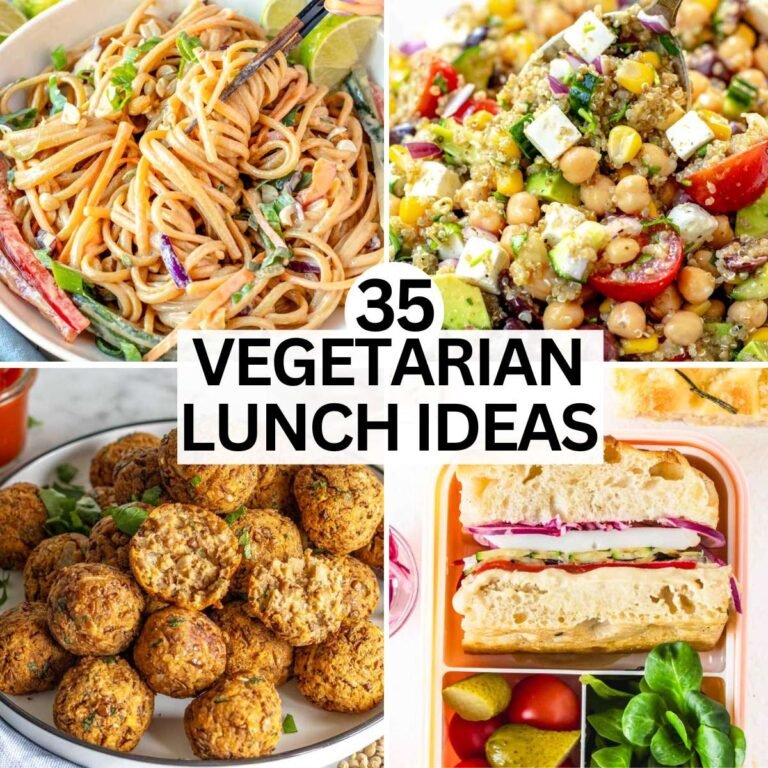
Get fast, flavorful meals in minutes with quick vegetarian lunch ideas—budget-friendly, protein-packed, and kid-approved. Prep smarter and eat happier.
Find easy, tasty microwave office lunch ideas and recipes to save time, eat healthier, and enjoy workday meals. Simple tips, meal prep hacks, and flavor boosts.
Quick, tasty microwave low calorie meals for busy days – simple recipes, smart swaps, and portion tips to help you lose weight without sacrificing flavor.
Discover easy vegetarian recipes for busy weeknights, including quick pasta, tacos, stir-fries, bowls, soups, and sheet-pan meals made with everyday ingredients.