Classic cake recipes are reliable homemade cakes built around simple ingredients, balanced mixing methods, and flavors like vanilla, chocolate, butter, and fruit.
Across the United States, classic cakes remain a familiar part of birthdays, holidays, family gatherings, and everyday baking. A good homemade cake does not need complicated tools or rare ingredients. Most traditional recipes depend on careful measurements, proper mixing, and understanding how each ingredient changes the final texture.
Classic cake recipes work because they follow basic baking principles. Flour provides structure, eggs add stability, sugar adds sweetness and tenderness, fat creates moisture, and leavening agents help the cake rise. Learning these roles makes it easier to bake cakes that are soft, flavorful, and consistent.
Source: recipes.net
What Makes A Cake Recipe Classic
A classic cake recipe is one that has remained popular because it delivers a dependable flavor and texture. These cakes often use common pantry ingredients and can be adapted for many occasions. The goal is not novelty but a strong foundation that bakers can trust.
Many traditional American cakes share similar building blocks. A vanilla layer cake, chocolate cake, yellow cake, or butter cake may look different, but each depends on the relationship between flour, sugar, eggs, fat, liquid, and leavening.
Source: Lil’ Luna
Simple ingredients
Classic cakes usually use accessible ingredients such as flour, sugar, eggs, butter or oil, milk, and flavorings.
Balanced texture
A successful cake should be tender but strong enough to hold frosting or fillings.
Flexible uses
Traditional cakes can become birthday cakes, holiday desserts, sheet cakes, or simple family treats.
The Role Of Basic Cake Ingredients
Each ingredient affects the final cake. Flour creates structure, while eggs help bind ingredients and support the rise. Sugar does more than sweeten the batter because it also helps keep the cake soft. Fat adds richness and improves the mouthfeel.
Baking powder or baking soda creates gases that help the batter expand during baking. Too much or too little leavening can change the height and texture of the cake, so accurate measurements matter.
Flour
Provides the framework that holds the cake together.
Eggs
Help with structure, moisture, and stability.
Popular Types Of Classic Cake Recipes
The best classic cake recipes often begin with a few dependable styles. These cakes are popular because they offer familiar flavors and can be changed with different frostings, fillings, or toppings.
Choosing a cake type depends on the occasion, desired texture, and flavor preference. Some cakes are light and simple, while others are rich and dense.
Source: ar.inspiredpencil.com
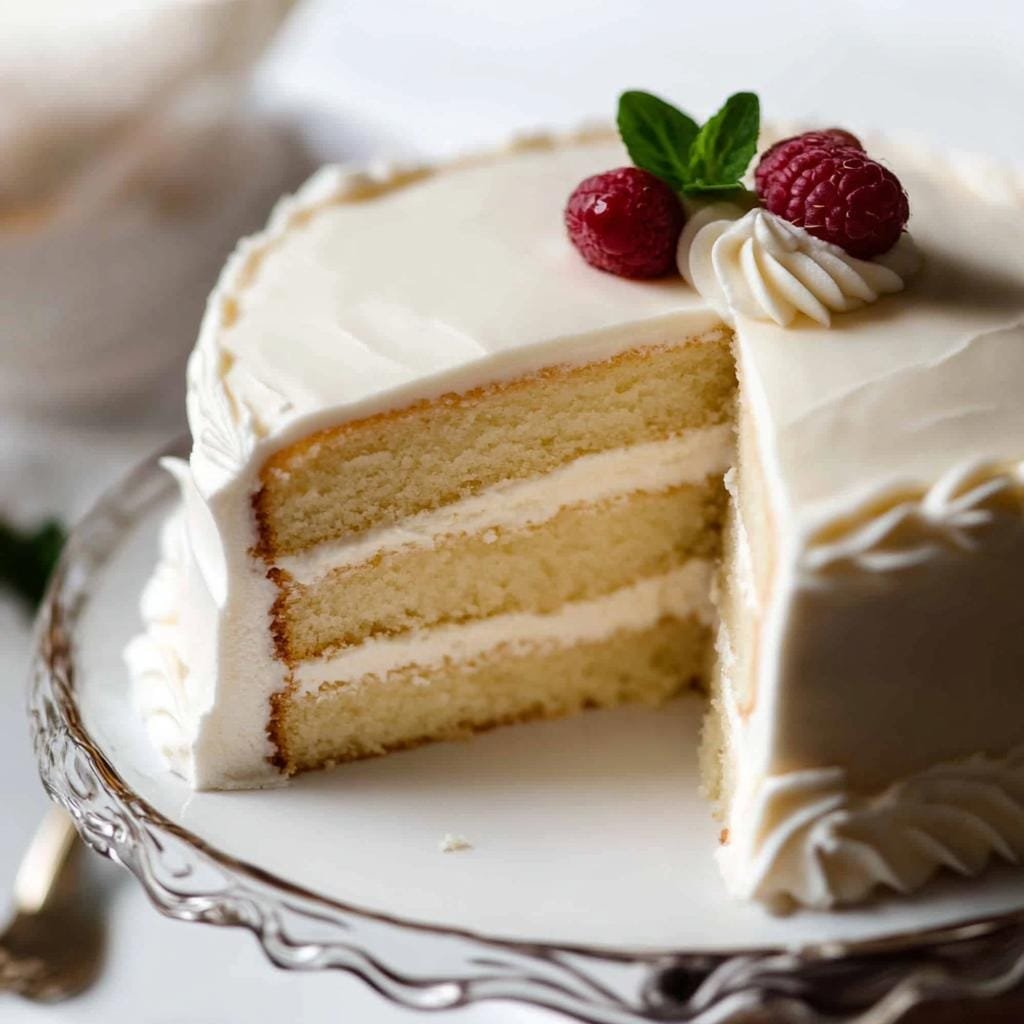
Vanilla cake
A soft cake with a mild flavor that works well with buttercream, fruit, or chocolate frosting.
A traditional cake known for its rich taste and tender crumb from butter.
Vanilla Cake As A Baking Foundation
Vanilla cake is often considered a starting point for new bakers because its flavor allows ingredient quality and technique to stand out. It can be served plain or paired with many toppings.
A balanced vanilla cake should taste buttery, lightly sweet, and soft without becoming fragile. Overmixing can make it dense because it develops more gluten in the flour.
Best uses
Works well for birthdays, cupcakes, layer cakes, and simple desserts.
Chocolate Cake For Rich Flavor
Chocolate cake remains a favorite because cocoa adds strong flavor while keeping the recipe familiar. Many versions use coffee, milk, or hot water to deepen the chocolate taste.
The key to a good chocolate cake is maintaining moisture. Too much flour or too long a baking time can make the finished cake dry.
Texture goal
A good chocolate cake should feel moist and tender while holding its shape.
How To Bake A Classic Cake Successfully
Successful cake baking starts before the batter is mixed. Preparing ingredients, measuring correctly, and understanding the recipe order reduce common mistakes.
Most classic cakes follow a similar process: prepare pans, combine ingredients, mix the batter, bake until done, cool properly, and decorate if desired.
Source: helenbackcafe.com
Prepare ingredients
Measure everything before mixing so the batter can be made without interruptions.
Mix carefully
Combine ingredients until blended, but avoid unnecessary mixing after flour is added.
Check doneness
A cake is usually ready when it springs back lightly and a tester comes out clean or with a few crumbs.
Why Ingredient Temperature Matters
Many cake recipes work best when ingredients such as eggs, butter, and milk are not cold from the refrigerator. Ingredients at similar temperatures often combine more evenly.
Cold butter may not blend well during creaming, while very warm ingredients can affect batter consistency. Following the recipe instructions helps maintain the intended texture.
Before baking
Read the recipe and prepare ingredients so the process stays consistent.
Common Cake Problems And Simple Fixes
Cake problems usually have clear causes. A dry cake, sunken center, or dense texture often results from a small change in ingredients or technique.
Understanding the problem helps you improve instead of simply changing the recipe without knowing why the result changed.
Source: www.bbc.co.uk
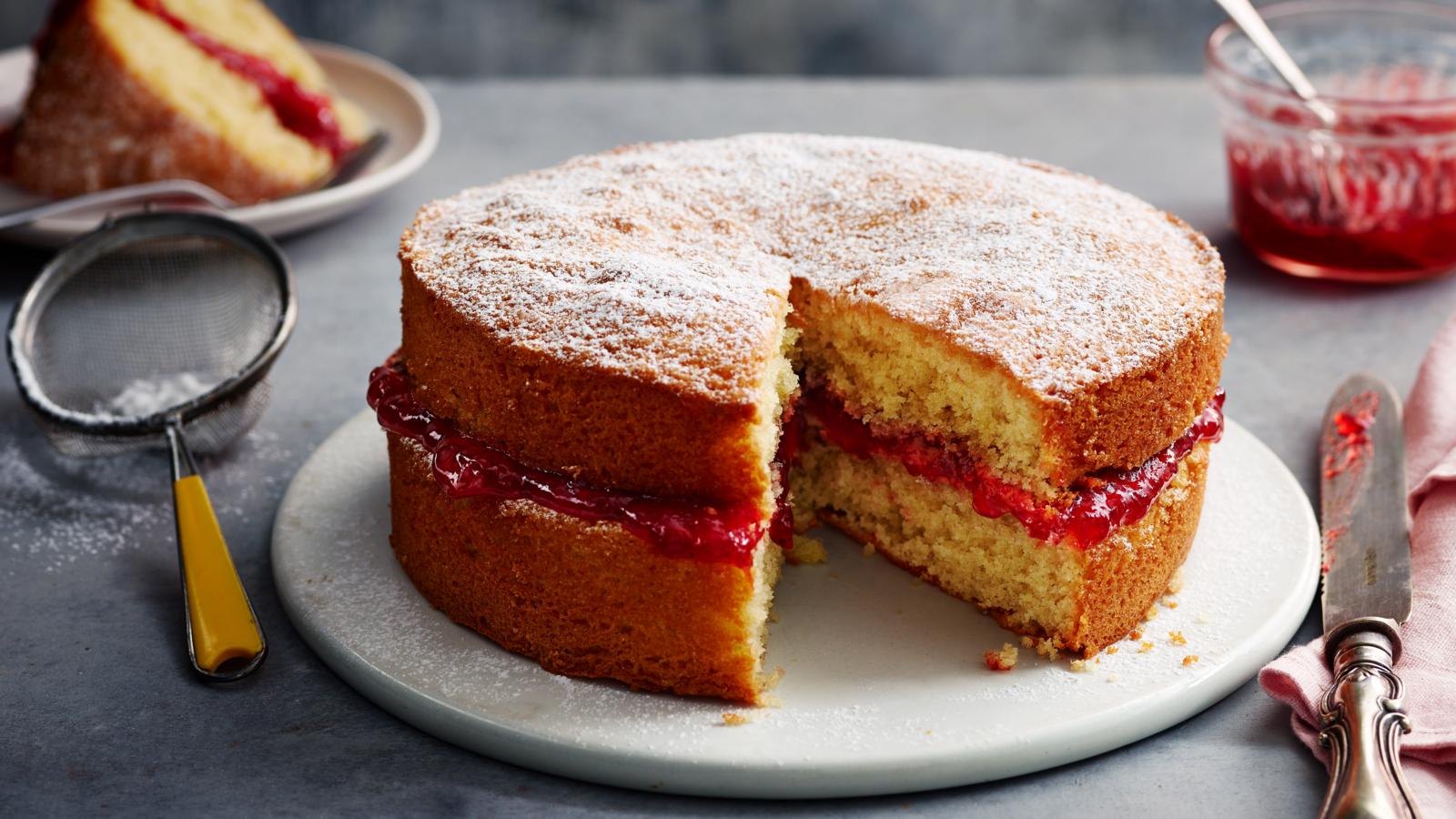
Dry cake
Possible causes include too much flour, overbaking, or not enough fat or liquid.
Dense cake
Possible causes include overmixing, expired leavening agents, or incorrect measurements.
Cake sinking
Possible causes include opening the oven too early, underbaking, or too much liquid.
How To Improve A Recipe Result
Change one factor at a time when adjusting a cake recipe. This makes it easier to identify what improved or harmed the result.
Using a kitchen scale, checking oven temperature, and following the recipe order can improve repeatability for many home bakers.
Best first checks
Review measurements, mixing time, oven heat, and baking duration before changing ingredients.
Choosing The Right Classic Cake For The Occasion
The right cake depends on the event and the people eating it. A simple vanilla cake may suit a family dessert, while a rich chocolate cake may fit a celebration.
Classic recipes are useful because they can be decorated in many ways without changing the basic baking method.
Source: cakesbymk.com
Family gatherings
Choose adaptable cakes that can be served in larger portions.
Celebrations
Layer cakes with frosting and decorations are common choices.
Beginner baking
Simple vanilla or butter cakes provide a practical starting point.
Storage And Serving Tips
Proper storage helps maintain cake quality. Most frosted cakes should be protected from air exposure because uncovered cake can lose moisture.
Allowing a cake to cool fully before frosting prevents melted toppings and uneven decoration.
Cooling
Cool cakes completely before adding frosting or fillings.
Frequently Asked Questions
Q
What is the easiest classic cake recipe for beginners?
A basic vanilla cake is often a good starting point because it uses simple ingredients and teaches essential baking skills such as measuring, mixing, and checking doneness.
Q
Why does my homemade cake become dry?
Dry cake can happen because of too much flour, too much baking time, or an imbalance of moisture. Measuring carefully and avoiding overbaking can help.
Q
Can classic cake recipes be changed?
Yes. Many traditional cakes can be adjusted with different frostings, fillings, extracts, fruits, or chocolate while keeping the basic structure.
Q
Should cake ingredients be at room temperature?
Many recipes recommend room temperature ingredients because they often mix more evenly. Follow the specific recipe instructions for the best result.
Q
How can I tell when a cake is fully baked?
A finished cake usually has a set center, lightly browned edges, and a tester that comes out clean or with a few moist crumbs.
✦ Wrapping Up
Conclusion
Classic cake recipes remain popular because they combine simple ingredients with reliable methods. Vanilla, chocolate, and butter cakes provide a foundation that home bakers can use for many occasions.
The best results come from understanding how ingredients work together, following measurements carefully, and learning from common baking mistakes. A classic cake does not need complicated decoration to be memorable.
💡 Key Takeaway
Start with a simple classic cake recipe, prepare ingredients carefully, and focus on technique before adding complex decorations or changes.