Classic bread recipes are simple formulas built around flour, water, yeast or another leavening agent, salt, and careful baking steps that create soft, flavorful loaves at home.
Across the United States, homemade bread remains a familiar kitchen tradition, from sandwich loaves baked in family homes to crusty artisan-style breads served with dinner. Classic bread recipes work because they rely on a few basic ingredients and clear techniques rather than complicated tools.
A good bread recipe teaches more than a single loaf. It helps bakers understand dough texture, yeast activity, kneading, rising, and baking signals. Once these basics are clear, many other breads become easier to make.
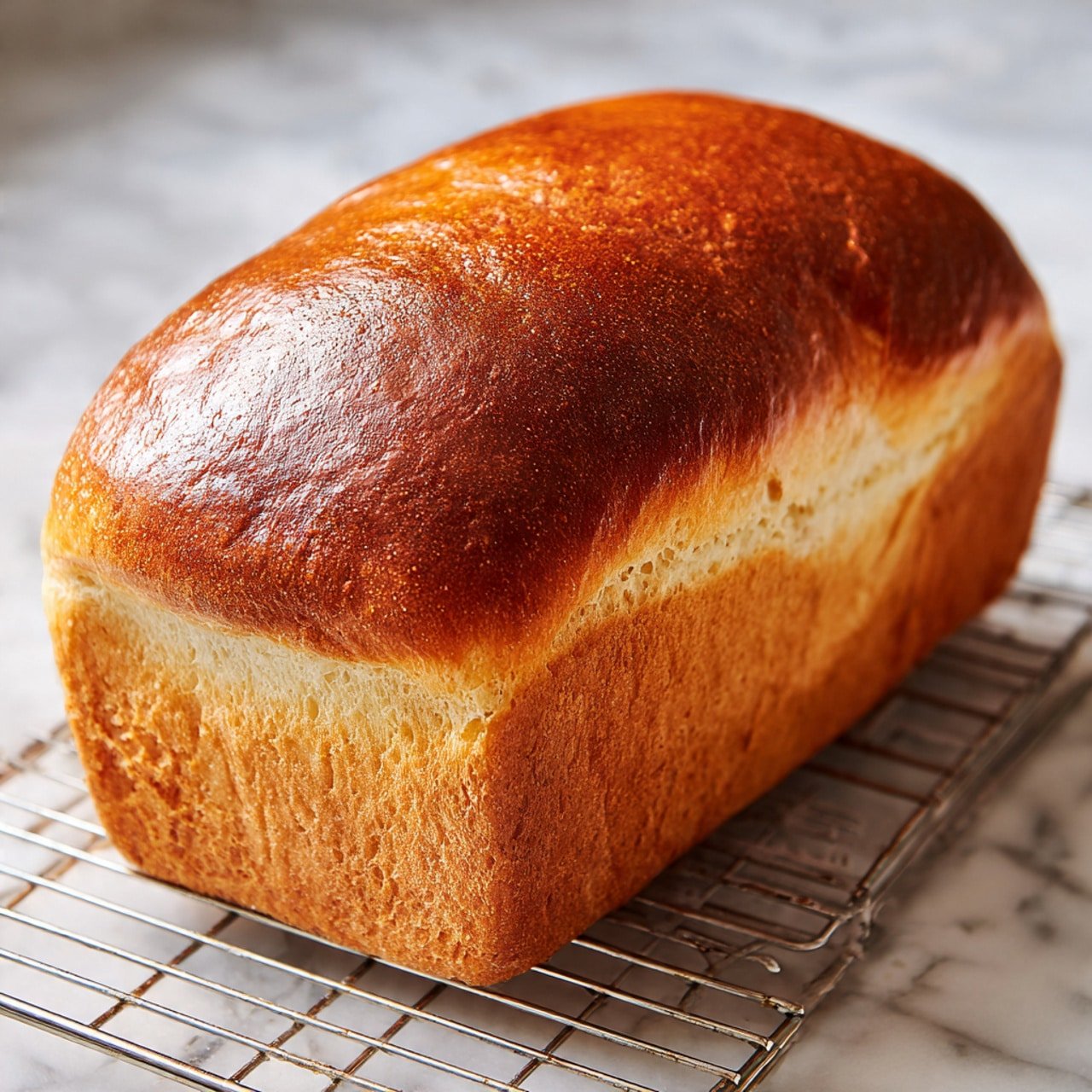
Source: recipesbylola.com
What Makes A Bread Recipe Classic
A classic bread recipe uses traditional ingredients and methods that have remained useful over many years. These recipes focus on reliable results instead of unusual additions or complex steps.
Most classic breads share four main ingredients: flour, water, salt, and a leavening agent such as yeast. Each ingredient has a specific role. Flour provides structure, water activates the dough, salt improves flavor and controls fermentation, and yeast helps the bread rise.
The final texture depends on how these parts work together. A small change in hydration, mixing, or baking time can create a different loaf.
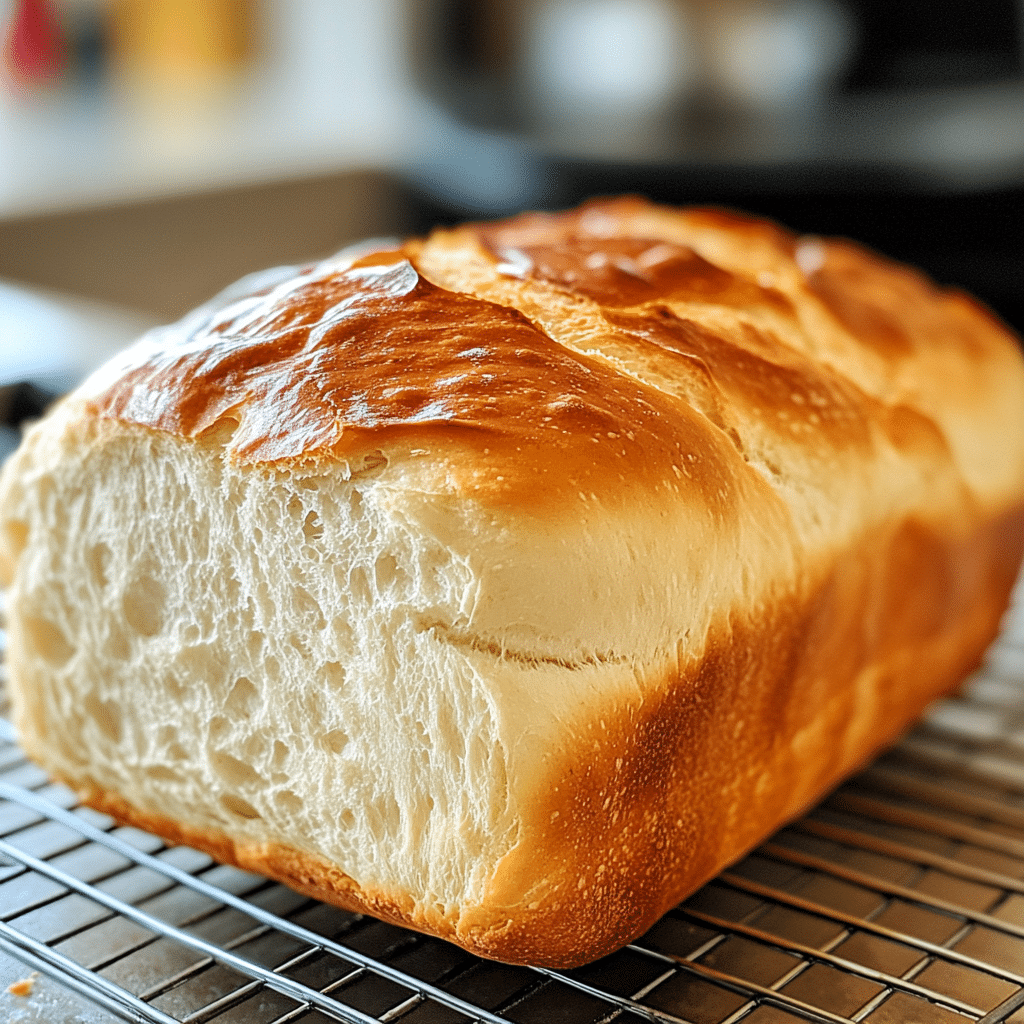
Source: catchymeals.com
Flour
Flour creates the framework of bread through gluten development, which helps dough stretch and hold gas during rising.
Yeast
Yeast produces carbon dioxide during fermentation, which creates a lighter and airier loaf.
Salt
Salt adds flavor and helps control yeast activity so the dough develops properly.
Why Simple Recipes Often Work Best
Simple bread recipes make it easier to understand the baking process. When there are fewer ingredients, each step has a clearer purpose.
Beginners often improve faster by making the same basic loaf several times. Repetition helps them recognize the right dough feel and the signs of proper fermentation.
Better control
Simple formulas allow bakers to adjust one factor at a time when improving results.
Popular Types Of Classic Bread Recipes
The best classic bread recipes depend on what you want to make. Some breads are designed for sandwiches, while others are meant for dipping, serving with meals, or enjoying with butter.
Traditional American kitchens often include soft white bread, whole wheat loaves, rolls, and quick breads. Each type uses different techniques and creates a different eating experience.
Source: chefstandards.com
White sandwich bread
This soft loaf uses a mild flavor and tender crumb, making it useful for toast and sandwiches.
Whole wheat bread
Whole wheat bread uses more of the grain and usually has a deeper flavor and denser texture.
Dinner rolls
Rolls use similar dough methods but create smaller portions that bake faster.
Quick breads
Quick breads use chemical leaveners such as baking powder or baking soda instead of yeast.
Choosing The Right Bread Style
Choose a soft bread when you need slices for everyday meals. Choose a crusty bread when texture and a strong outer crust matter more.
The right recipe depends on your goal, available time, and comfort level with dough handling.
For beginners
Start with a basic yeast loaf because it teaches the main skills needed for many other breads.
How To Make Classic Homemade Bread Step By Step
Making classic bread follows a repeatable process: mixing, kneading, rising, shaping, and baking. Each stage affects the final loaf.
Before starting, gather ingredients, measure carefully, and prepare a clean workspace. Bread dough improves when the baker pays attention to texture rather than only following the clock.
Source: reciperift.com
Mix the dough
Combine ingredients until a rough dough forms. The dough should hold together without being overly dry.
Knead the dough
Kneading develops gluten, helping the bread become elastic and able to trap air.
Allow the first rise
Let the dough rest until it expands. Rising time changes with temperature and yeast activity.
Shape and bake
Shape the loaf, allow a final rise if needed, and bake until the crust and inside are fully developed.
Signs Of Successful Dough
Good dough feels smooth and slightly elastic after proper mixing. It should stretch without immediately tearing apart.
A finished loaf usually has a browned crust, a pleasant aroma, and a texture that matches the recipe style.
Healthy rise
The dough should expand because yeast has produced gas inside the structure.
Common Bread Baking Problems And Solutions
Bread failures usually have a clear cause. Checking ingredients, temperature, and timing can solve many problems.
Small adjustments often make a bigger difference than changing the entire recipe. Bread baking improves through careful observation.
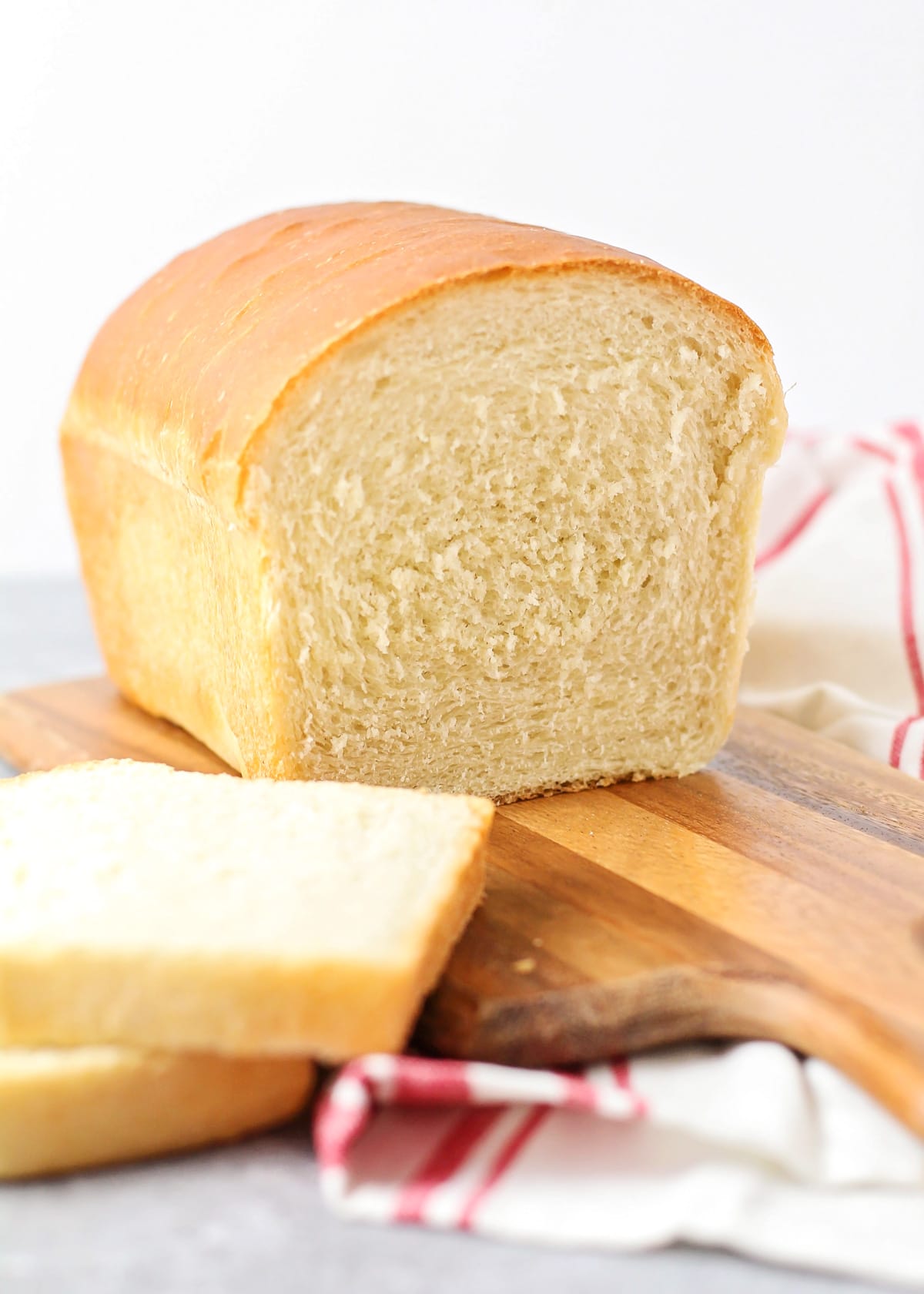
Source: lilluna.com
Bread does not rise
Possible causes include inactive yeast, cold conditions, or insufficient rising time.
Bread is too dense
Dense bread may result from weak gluten development, too much flour, or under-proofing.
Crust is too hard
Overbaking or low moisture during baking can create a thicker crust than expected.
How To Improve Future Loaves
Keep notes about ingredient amounts, rising time, and results. This creates a personal reference for future baking.
Room temperature, flour type, and oven differences can change results, so learning your kitchen conditions matters.
Measure carefully
Accurate measurements create more consistent dough and baking results.
Tips For Better Homemade Bread Results
Better bread comes from controlling the basics. Quality ingredients, patience, and attention to dough condition are more useful than complicated techniques.
Many bakers focus only on the recipe, but the environment also matters. Temperature and humidity can change how dough behaves.
Source: themoderngram.com
Use fresh ingredients
Fresh yeast and properly stored flour support better flavor and texture.
Avoid adding too much flour
Extra flour can make dough stiff and create a dry loaf.
Allow enough time
Rushing fermentation can reduce flavor and affect texture.
Storing Homemade Bread
Store cooled bread in a way that protects it from drying out. The best method depends on how quickly it will be eaten.
Freezing extra bread slices can help preserve quality when you make more than you need.
Cool before storing
Warm bread releases moisture that can affect storage quality.
Frequently Asked Questions
Q
What is the easiest classic bread recipe for beginners?
A basic white yeast loaf is often the easiest starting point because it uses simple ingredients and teaches essential bread skills.
Q
Why is my homemade bread dense?
Dense bread can happen because of inactive yeast, too much flour, poor gluten development, or not enough rising time.
Q
Can I make classic bread recipes without a mixer?
Yes. Many traditional breads were made by hand. Mixing and kneading by hand can work well when the dough is handled properly.
Q
How long does homemade bread stay fresh?
Freshness depends on the recipe and storage method. Most homemade breads are best soon after baking, while freezing can extend storage time.
Q
What ingredients can be changed in classic bread recipes?
Some ingredients can be adjusted, but changes to flour, water, yeast, or salt can affect structure and should be made carefully.
✦ Wrapping Up
Conclusion
Classic bread recipes remain popular because they turn a few basic ingredients into something useful and comforting. Learning the core steps makes it easier to bake many different styles of bread.
The best results come from patience, careful measuring, and understanding how dough changes during each stage. A simple loaf can become the foundation for years of baking practice.
💡 Key Takeaway
Start with one simple classic bread recipe, learn how the dough should look and feel, and build your skills through repeated practice.