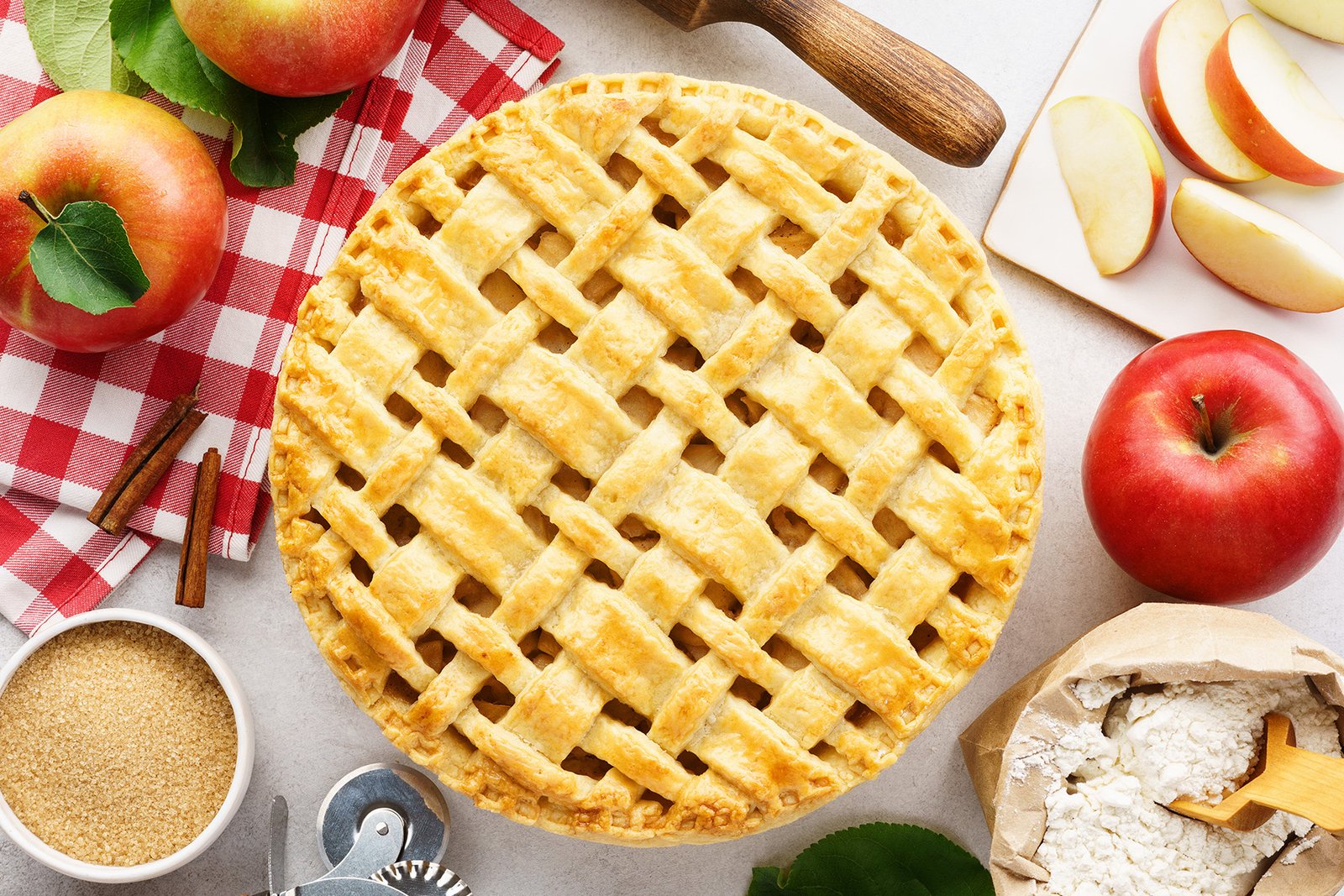
Homemade apple pie is made by combining a tender pastry crust with seasoned apple filling, then baking until the crust is golden and the apples are soft.
In the United States, homemade apple pie is a familiar dessert found at family dinners, holiday gatherings, county fairs, and everyday kitchens. A good apple pie does not depend on complicated tools or rare ingredients. It depends on balance: the right apples, a sturdy but flaky crust, proper moisture control, and enough baking time for the filling to set.
This guide explains how to make homemade apple pie from scratch, why each step matters, and how to avoid common problems such as soggy crusts, watery filling, or undercooked apples. The goal is to help home bakers understand the process instead of only following a list of instructions.
Source: www.pinterest.com
What Makes A Homemade Apple Pie Work
A successful homemade apple pie has three main parts: the crust, the apple filling, and the baking process. Each part affects the final texture. A crust that is too warm can become dense, while a filling with too much liquid can prevent the bottom crust from becoming crisp.
The best pies create contrast. The crust should feel light and buttery. The apples should be tender but not completely broken down. The spices should support the fruit rather than hide its flavor.
Source: westsidenewsny.com
Crust balance
A good crust needs enough fat for flakiness and enough structure to hold the filling.
Apple texture
Firm apple slices usually provide a better bite than apples that turn completely soft during baking.
Choosing Apples For Pie
Apple variety changes the taste and texture of the pie. Many bakers combine sweet and tart apples because the mixture creates a deeper flavor. Apples that become too soft may create a sauce-like filling, while very firm apples may need more baking time.
Balanced flavor
Use a mix of apple types when you want both sweetness and brightness.
Ingredients Needed For Homemade Apple Pie
A basic homemade apple pie uses simple ingredients. The quality and preparation of each ingredient matter more than having a long ingredient list. Most traditional versions include flour, fat, water, apples, sugar, and spices.
For a standard nine-inch pie, many recipes use enough apples to create a tall filling because apples shrink during baking. The exact amount depends on apple size and how thick the slices are.
Source: www.pinterest.com
Crust ingredients
Flour, butter or another baking fat, salt, and cold water form the foundation of the pastry.
Filling ingredients
Apples, sugar, cinnamon, spices, and a thickener create the classic apple filling.
How To Make Homemade Apple Pie Step By Step
The process starts with preparing the crust because it needs time to chill. Cold dough is easier to shape and usually creates a lighter texture after baking.
After preparing the apples, the filling is placed inside the crust, covered with a top crust or decorative design, and baked until the pastry is golden and the filling is bubbling.
Source: cookingwithmanuela.com
Step 1: Prepare the dough
Mix the crust ingredients gently and avoid overworking the dough.
Step 2: Prepare the apples
Peel and slice apples evenly so they cook at a similar rate.
Step 3: Assemble the pie
Place filling in the crust, add the top layer, and create openings for steam.
Step 4: Bake and cool
Bake until the crust is browned and allow the pie to rest before cutting.
Signs Your Pie Is Done
A finished apple pie usually has a golden crust, visible bubbling filling, and apples that feel tender when tested. The center should not look watery.
Visual check
Look for even browning and filling movement through the crust openings.
Common Homemade Apple Pie Problems And Fixes
Most apple pie problems come from moisture, temperature, or preparation choices. Understanding the cause makes it easier to fix the issue in future attempts.
A pie that looks correct outside may still have problems inside. The filling needs enough time to cook and settle before serving.
Source: westsidenewsny.com
Soggy bottom crust
Too much liquid from apples can soften the bottom. Use proper thickening and avoid adding excess juice.
Runny filling
Cutting the pie too soon can release liquid before the filling has time to set.
Tough crust
Overmixing dough can develop too much gluten and reduce tenderness.
How To Store And Serve Apple Pie
Homemade apple pie can be stored after it cools. Covering the pie helps protect the crust and filling from drying out. Storage conditions affect how long the crust keeps its texture.
Many people enjoy apple pie warm, but reheating should be gentle. Too much heat can soften the crust or make the filling overly loose.
Source: www.pinterest.com
Cooling
Let the pie cool before covering it so trapped steam does not soften the crust.
Serving
A slice can be served plain or paired with common dessert toppings.
Frequently Asked Questions
Q
What are the best apples for homemade apple pie?
The best apples are those that keep their shape during baking and provide a pleasant balance of sweetness and tartness. Many bakers use a combination of apple varieties instead of only one type.
Q
Why is my apple pie filling watery?
A watery filling can happen when apples release liquid during baking or when the pie is sliced before cooling. Proper thickening and resting time help the filling become more stable.
Q
Can I make apple pie crust ahead of time?
Yes. Pie dough can be prepared ahead and chilled. Keeping the dough cold makes it easier to handle and can improve the final texture.
Q
Should apples be cooked before making pie?
Some recipes cook apples before baking while others place raw apples directly into the crust. Both methods can work depending on the desired texture and recipe style.
Q
How long should apple pie cool before slicing?
Cooling time allows the filling to settle. Slicing too early often causes the filling to spread instead of staying in neat layers.
✦ Wrapping Up
Conclusion
Homemade apple pie is a simple dessert that rewards careful preparation. The key steps are choosing suitable apples, keeping the crust cold, managing moisture, and giving the baked pie enough time to rest.
A successful pie does not require perfection. Small adjustments in apple choice, dough handling, and baking time can create a better result with each attempt.
💡 Key Takeaway
Start with a balanced apple filling and a well-chilled crust, then use the texture and appearance of the finished pie to guide your next bake.
Quick, tasty microwave weight loss meals that fit busy schedules—balanced recipes, calorie tips, and meal plans to help you shed pounds without spending hours.
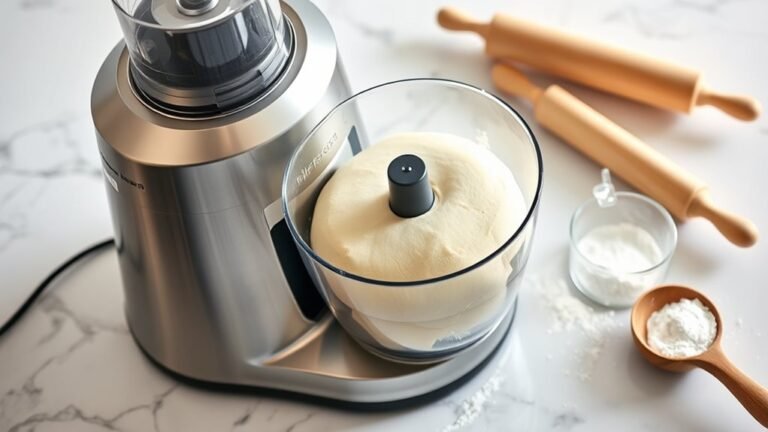
Learn how to use a food processor for dough and baking preparation, including bread, pizza, pastry, pie crust, pasta, cookies, tips, and common mistakes.