Food Processor Dough & Baking Preparation: A Complete Guide
Food Processor Dough & Baking Preparation can make home baking much easier. A good processor can cut cold butter into flour, mix wet and dry ingredients, and bring dough together in seconds. This is useful when you want homemade pie crust, pizza dough, biscuits, cookies, or fresh pasta without spending a long time mixing by hand.
The key is knowing what the machine should do and when it should stop. A food processor is very fast, so a few extra seconds can change a tender pastry into a tough one. For yeast dough, it can also mix and develop gluten quickly, but the dough still needs proper resting and proofing before it goes into the oven.
In practical home baking, I find that the best results come from treating the processor as a fast mixing tool, not as a machine that should do every step. Measure flour with care, keep butter cold when the recipe calls for it, add liquid slowly, and stop as soon as the dough reaches the right stage. That simple approach makes Food Processor Dough & Baking Preparation more reliable and repeatable.
What Is Food Processor Dough & Baking Preparation?
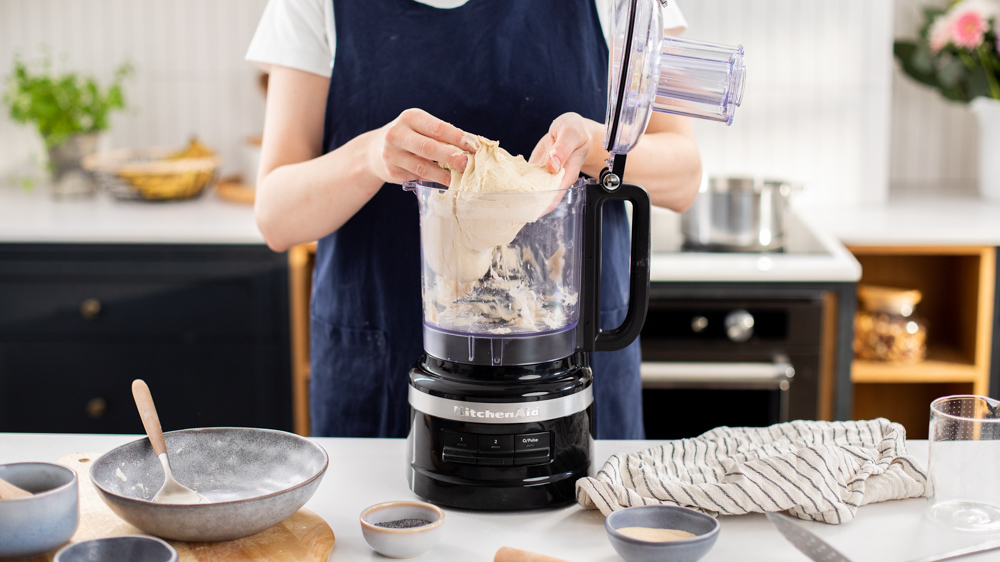
Food Processor Dough & Baking Preparation means using a food processor to combine, cut, mix, or knead ingredients used for baking. The machine uses a fast motor and sharp blade to work ingredients in a short time. Depending on the recipe, the goal may be to make crumbs, form a soft dough, mix a batter, or develop a smooth dough.
This method works especially well when speed matters. A food processor can cut butter into flour much faster than a pastry cutter. It can also mix flour with water for pizza or pasta dough with very little hands-on work.
Still, not every baking job suits a food processor. Large batches, delicate batters, long kneading tasks, and recipes that need gentle mixing may work better with a stand mixer or by hand. Always check the capacity and instructions for your specific machine.
- ✦ Mixing
The processor combines flour, sugar, fat, eggs, water, and other ingredients quickly.
- ✦ Cutting in fat
The blade breaks cold butter or shortening into small pieces and coats them with flour.
- ✦ Kneading
Short processing cycles can develop gluten in many bread, pizza, and pasta doughs.
- ✦ Portion control
A processor can make small batches quickly, but its bowl capacity limits very large recipes.
Why Use a Food Processor for Baking?
The main benefit is speed. Most pastry doughs can come together in a short series of pulses. This can be useful on busy mornings, before a holiday meal, or when you want fresh dough without a long mixing session.
- ✦ Less manual work
The machine does most of the mixing and cutting for you.
- ✦ Fast pastry work
Cold butter and flour can be combined quickly without warming the butter too much.
- ✦ Easy repeatability
Using the same pulse pattern and ingredient order can help produce similar results each time.
Which Food Processor Blade Should You Use for Dough?
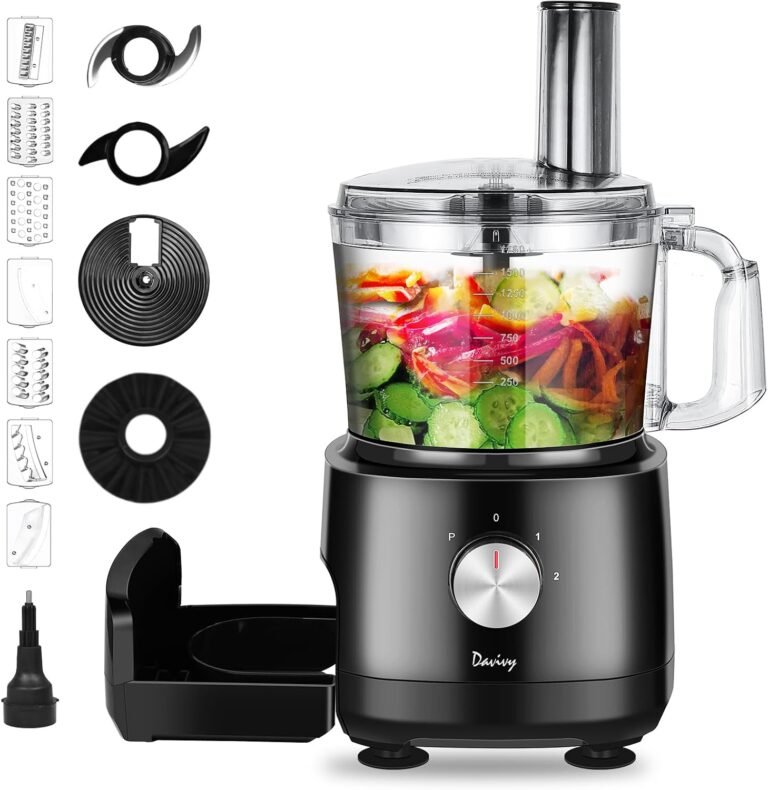
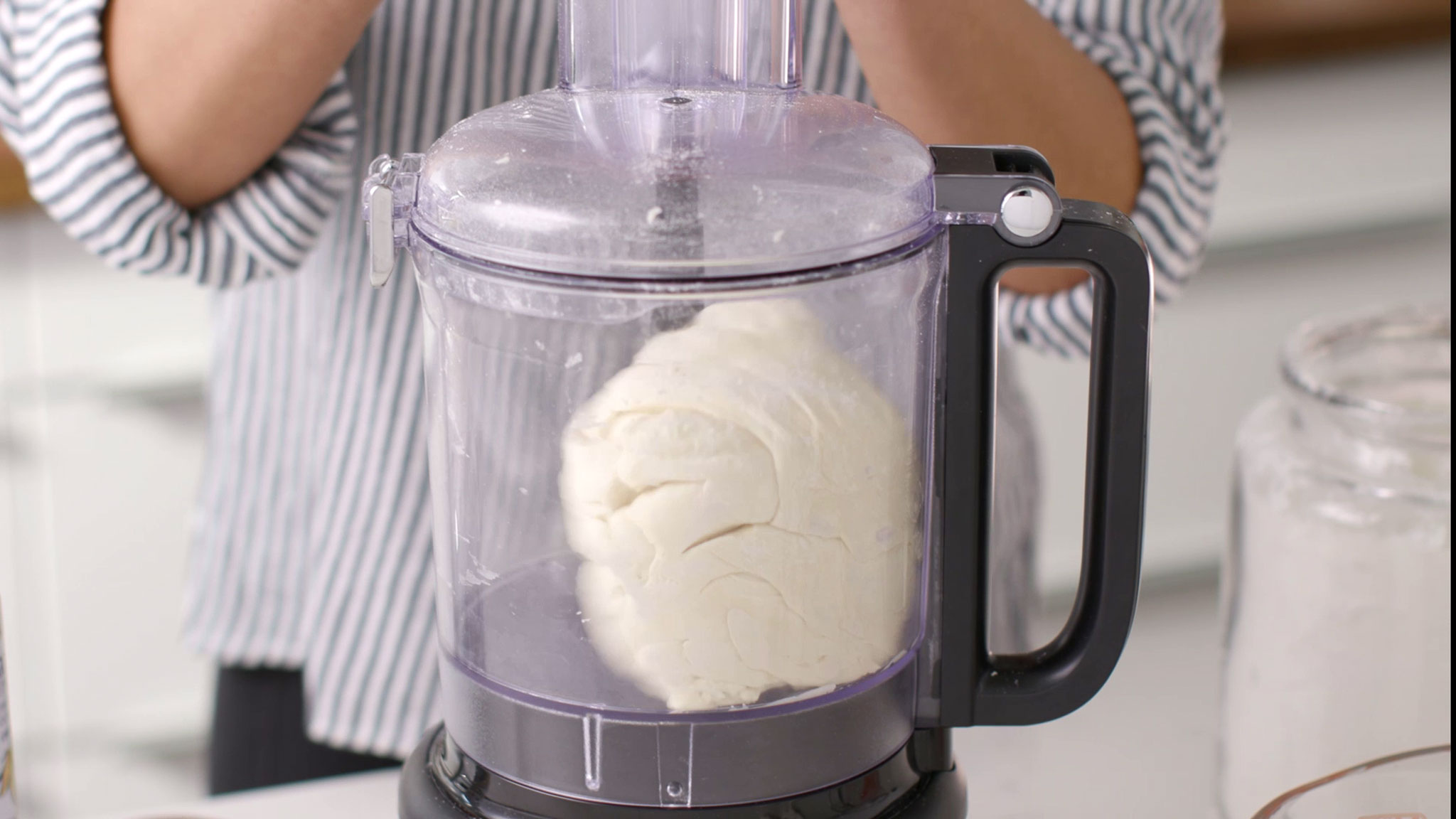
Blade choice matters in Food Processor Dough & Baking Preparation. Most food processors come with an S-shaped metal blade, and this blade can handle many pastry, cookie, pizza, bread, and pasta doughs. Some models also include a plastic dough blade made for kneading or mixing dough.
The exact attachment varies by brand and model. The safest choice is to follow your owner’s manual when it gives a specific recommendation. Do not assume that a dough blade is required for every recipe.
The metal blade is often useful for pastry because it cuts fat into flour well. For yeast dough, a dough blade may provide a different mixing action, but the main factor remains processing time.
- ✦ S-shaped metal blade
A versatile choice for pastry, cookie dough, pasta dough, pizza dough, and many bread doughs.
- ✦ Plastic dough blade
Some processors include this attachment for mixing and kneading yeast dough.
- ✦ Slicing disc
Useful for some baking preparation tasks, but it is not a substitute for a dough blade or mixing blade.
Do You Need a Special Dough Blade?
Not always. Many recipes work well with the standard metal blade when you use short pulses or brief processing cycles. A special dough blade can be useful when your manufacturer recommends it, but blade design and machine instructions should guide your choice.
- ✦ Check the manual
Use the attachment approved for dough by your food processor manufacturer.
- ✦ Watch the dough
The appearance and feel of the dough matter more than a fixed processing time.
How to Make Dough in a Food Processor
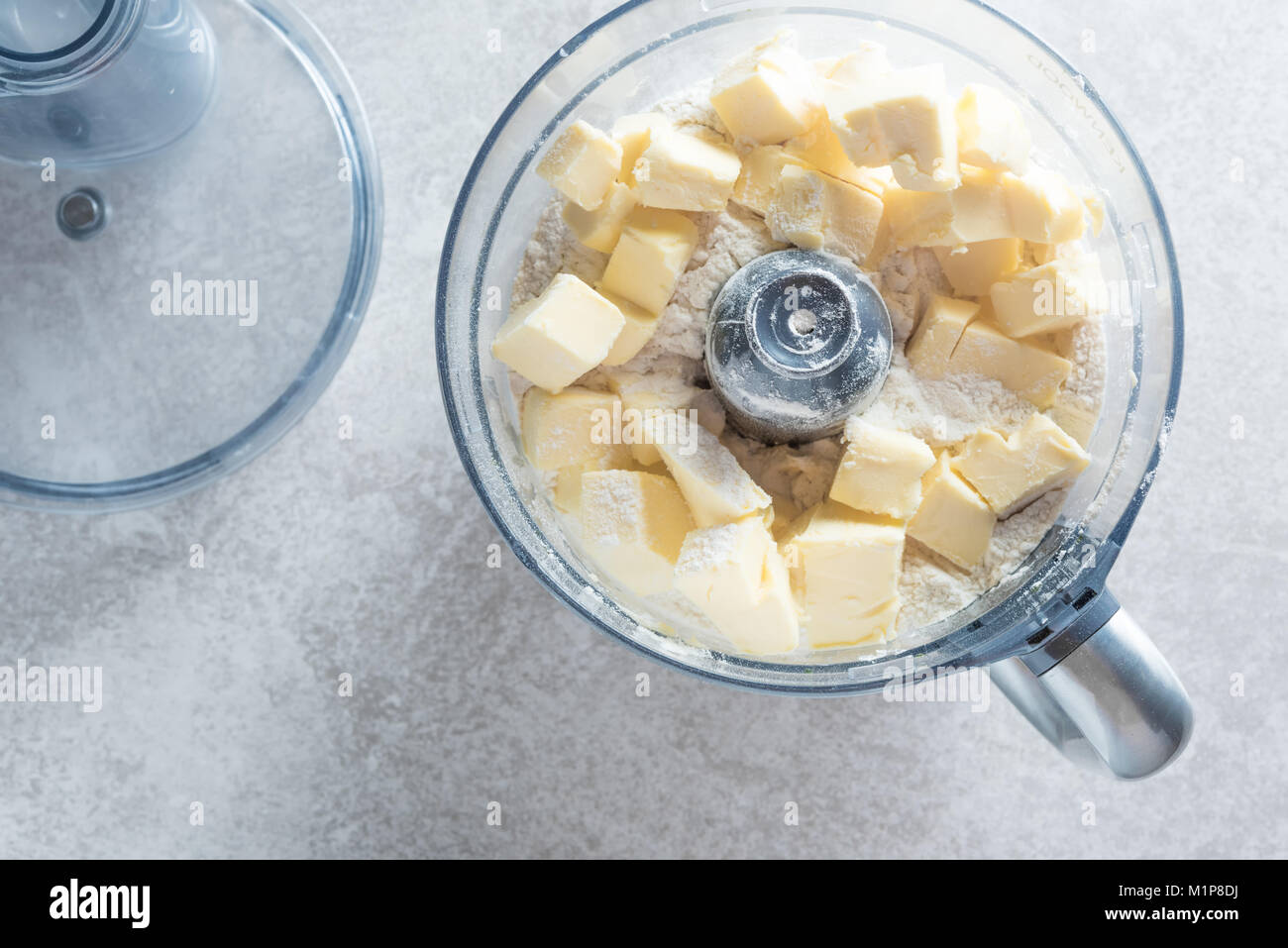
A simple process works for many types of Food Processor Dough & Baking Preparation. First, add the dry ingredients and pulse them to spread them evenly. If the recipe uses cold butter, add it in pieces and pulse until the mixture reaches the texture described in the recipe.
Next, add the liquid in a controlled way. For many pastry recipes, the dough should look crumbly at first and then begin to hold together when pressed. For yeast dough, the mixture may form a soft ball that moves around the bowl.
Stop the machine as soon as the dough reaches the desired stage. Transfer it to a lightly floured surface if needed, then shape, rest, chill, or proof it according to the recipe.
- ✦ Step 1: Measure ingredients
Measure flour and other ingredients carefully. A kitchen scale gives the most consistent flour measurement.
- ✦ Step 2: Add dry ingredients
Put flour, salt, sugar, and other dry ingredients into the bowl and pulse briefly.
- ✦ Step 3: Add fat
For pastry, add cold butter or another fat and pulse until the mixture reaches the needed crumb size.
- ✦ Step 4: Add liquid
Add water, milk, eggs, or another liquid as the recipe directs, using short pulses.
- ✦ Step 5: Stop early
Stop once the dough forms or reaches the correct texture. Avoid processing just because the machine is running.
- ✦ Step 6: Rest or proof
Chill pastry or let yeast dough rise as the recipe requires before shaping and baking.
The Right Way to Pulse
Short pulses give you more control than running the machine continuously. They let you check the texture between cycles. This matters most for pastry, where too much mixing can reduce tenderness.
For yeast dough, a few longer runs may be useful, but you should still watch the dough and the machine. If the motor strains or the dough becomes very warm, stop and follow the manufacturer’s limits.
- ✦ Use short pulses first
Start slowly and add more pulses only when the ingredients need more mixing.
- ✦ Check texture
Use the dough’s appearance and feel as your guide instead of relying only on the clock.
- ✦ Avoid excess heat
Fast blades can warm ingredients, which can be a problem for butter-based pastry.
Making Pie Crust and Pastry in a Food Processor
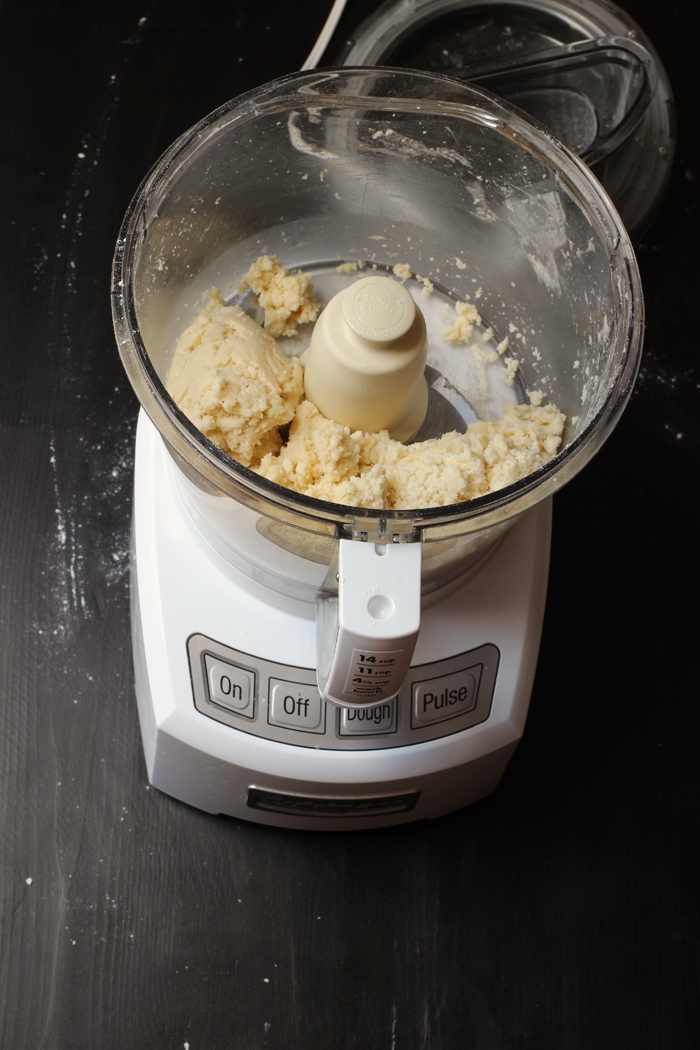
Pie crust is one of the most useful applications of Food Processor Dough & Baking Preparation. The blade can cut cold butter into flour with speed and evenness. The goal is not to make a smooth dough inside the machine. The goal is to create the correct fat-and-flour texture and then add just enough liquid to bring it together.
Cold ingredients are important for many flaky pie crusts. Warm butter can blend too fully into the flour and change the final texture. If your kitchen is hot, chilling the bowl, butter, or finished dough can help.
After the dough forms, shape it gently into a disk and chill it if the recipe calls for it. Chilling helps the dough firm up and makes rolling easier.
- ✦ Keep butter cold
Cold butter helps maintain pieces of fat in the dough for a flaky pastry texture.
- ✦ Use the pulse button
Short pulses help prevent the blade from overworking the flour.
- ✦ Add water slowly
Use only enough liquid to make the dough hold together.
- ✦ Chill before rolling
Resting the dough in the refrigerator can make it firmer and easier to handle.
How to Tell When Pie Dough Is Ready
Look for a rough, crumbly mixture with some visible pieces of butter. When you squeeze a small amount in your hand, it should hold together. If the dough looks completely smooth before you remove it from the processor, you may have processed it too much.
- ✦ Too dry
The mixture falls apart when pressed and does not hold together.
- ✦ Too wet
The dough feels sticky and soft rather than firm and workable.
- ✦ Well mixed
The dough holds together when pressed while still showing some texture.
Using a Food Processor for Pizza and Bread Dough
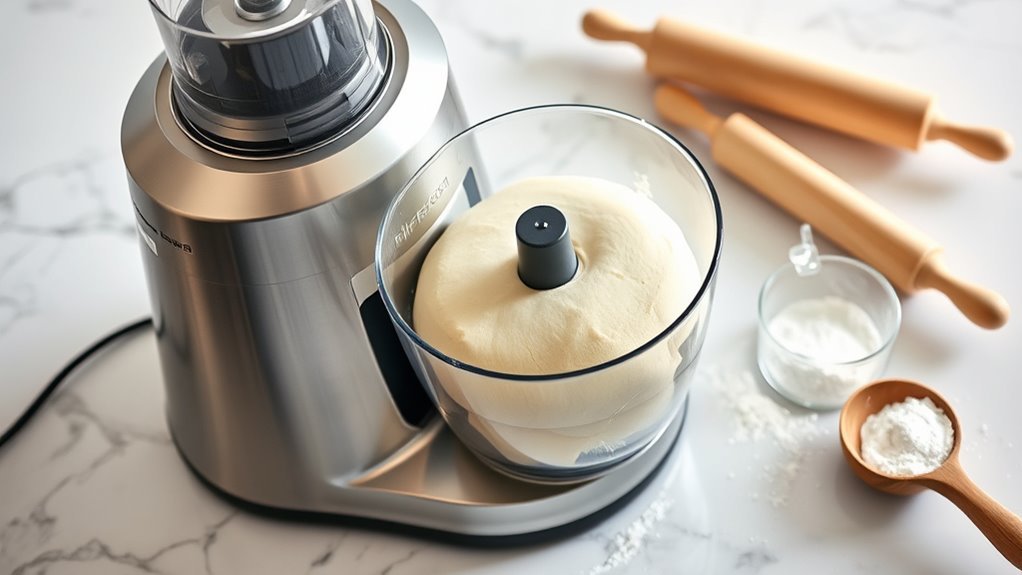
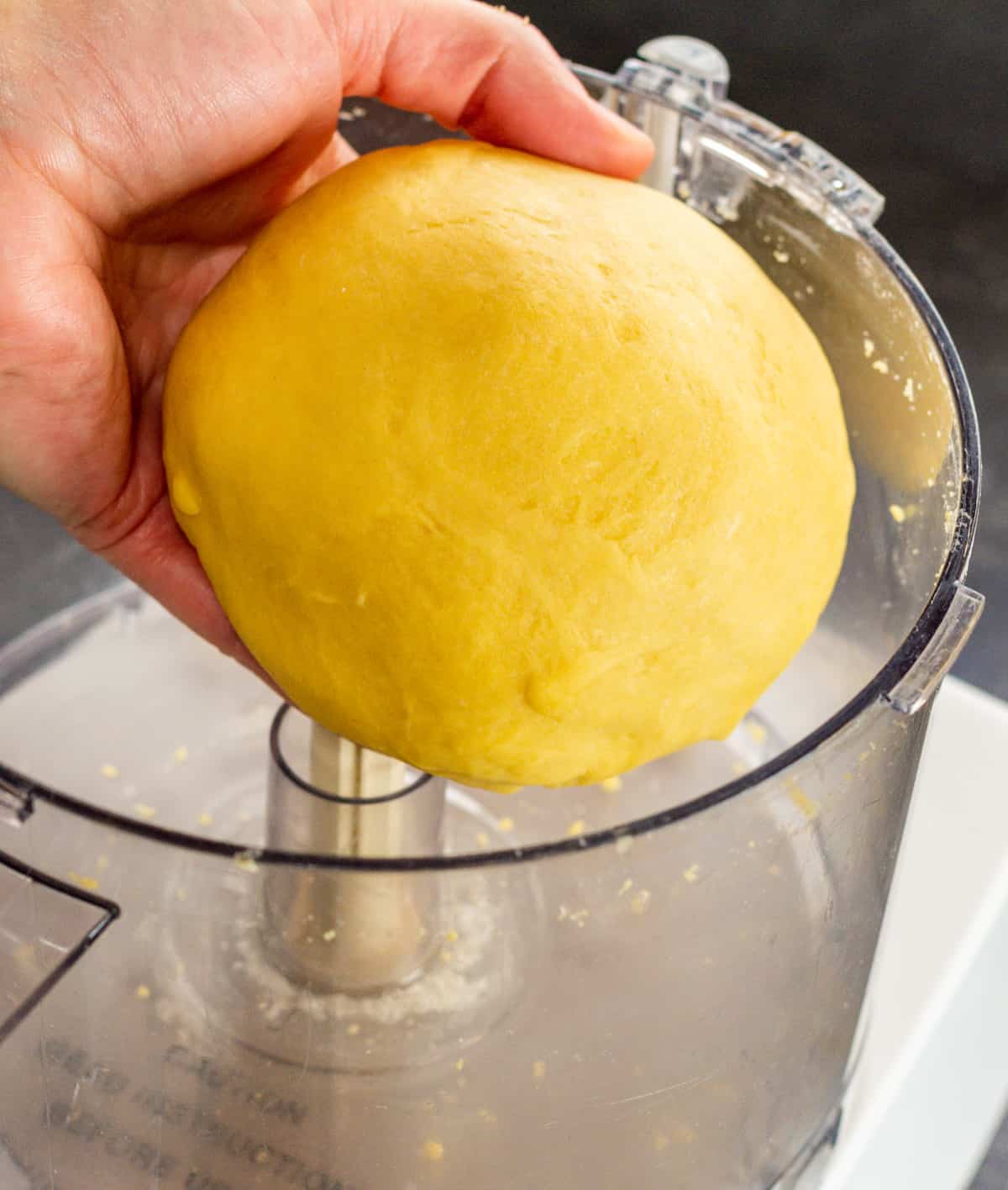
Food Processor Dough & Baking Preparation also works well for pizza and many bread recipes. The machine can combine flour, yeast, salt, water, and other ingredients very quickly. Some recipes use the processor to develop enough gluten for a strong, elastic dough.
Yeast dough needs a different approach from pie dough. You usually want the ingredients to become a cohesive, elastic mass rather than a crumbly mixture. Once the dough reaches that point, stop processing and move to the resting or proofing stage.
Temperature also matters. The blade and motor can warm the dough, and excess heat may affect yeast activity or dough handling. If the dough becomes unusually warm, pause and let it cool before continuing.
- ✦ Use the correct liquid amount
Small changes in flour or water can change how soft or firm the dough feels.
- ✦ Watch gluten development
The dough should become cohesive and elastic when the recipe calls for gluten development.
- ✦ Avoid overprocessing
Long processing can heat the dough and place extra stress on the machine.
- ✦ Allow proper proofing
A processor does not replace the time needed for yeast dough to rise.
Food Processor Pizza Dough Tips
Pizza dough is often forgiving, which makes it a good starting point for Food Processor Dough & Baking Preparation. Add the dry ingredients first, then add water as directed. Process until the dough becomes cohesive, then stop and let it rest or rise.
After proofing, give the dough enough time to relax before shaping. A relaxed dough stretches more easily and is less likely to spring back when you try to form a pizza.
- ✦ Rest the dough
Resting helps the dough become easier to stretch and shape.
- ✦ Do not add too much flour
Extra flour can make pizza dough dry and harder to stretch.
Fresh Pasta Dough in a Food Processor
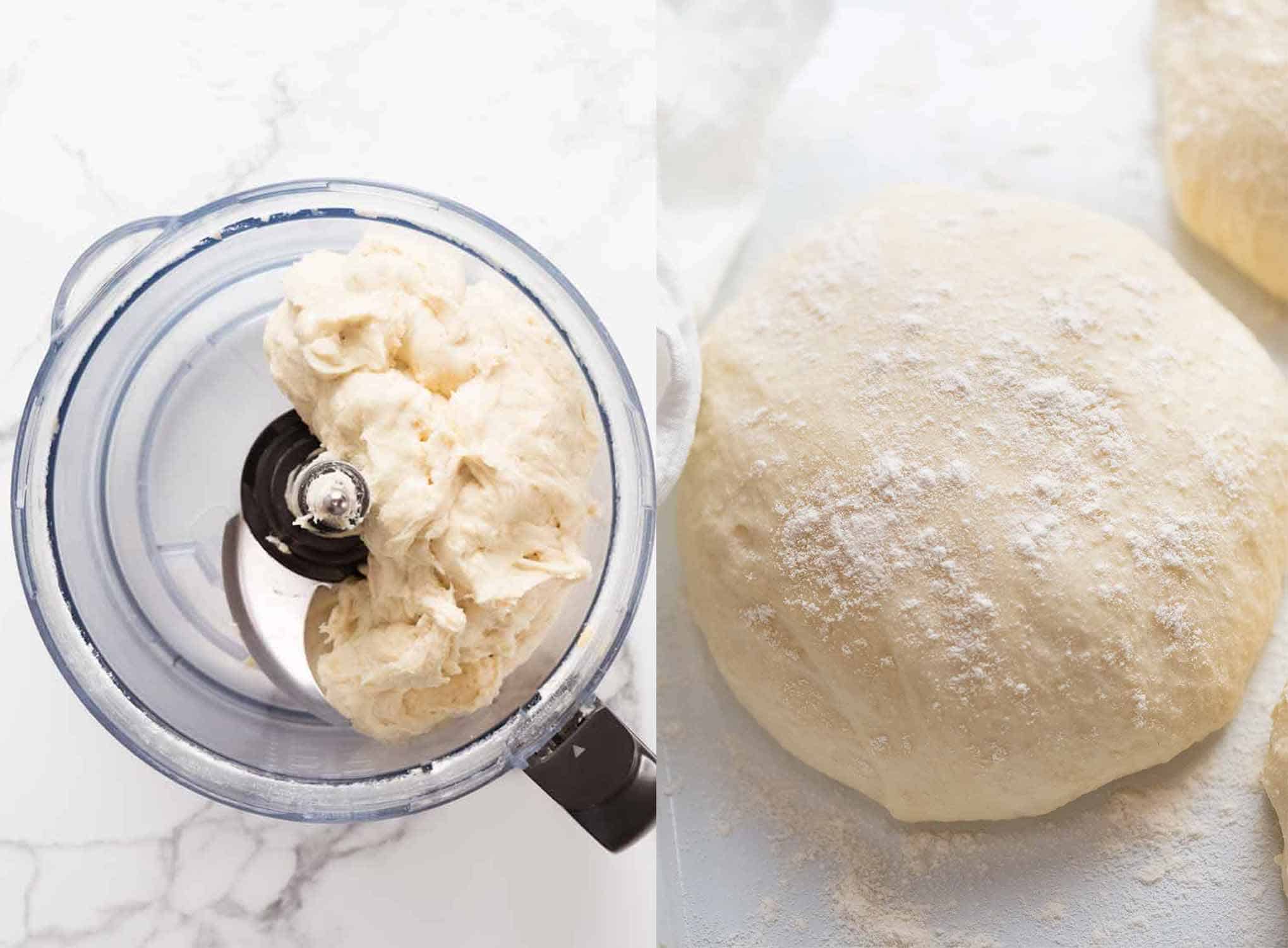
Fresh pasta is another strong use for Food Processor Dough & Baking Preparation. The processor can combine flour and eggs in a short time and reduce the amount of hand mixing needed. The finished dough should be firm enough to knead and roll but not so dry that it cracks.
Pasta dough often looks rough when it first comes together. That is normal. After you remove it from the bowl, knead it briefly by hand and let it rest before rolling.
Resting is important because it gives the flour time to absorb moisture and allows the dough to relax. This can make rolling and shaping much easier.

- ✦ Start with measured flour
Use the recipe’s flour amount and adjust only when the dough clearly needs more moisture or flour.
- ✦ Add eggs as directed
Eggs provide moisture and structure, so their size can affect dough texture.
- ✦ Knead briefly by hand
Hand kneading can finish the texture after the processor brings the ingredients together.
- ✦ Rest before rolling
A covered rest helps the dough become more workable.
Why Pasta Dough Can Look Too Dry
Pasta flour and eggs vary, so a recipe can produce slightly different textures from one kitchen to another. If the mixture stays loose and crumbly after proper processing, add moisture in very small amounts rather than pouring in a large quantity at once.
- ✦ Egg size
Smaller eggs provide less liquid than larger eggs.
- ✦ Flour type
Different flours absorb liquid at different rates.
Cookies, Biscuits, and Other Baking Preparation
Food Processor Dough & Baking Preparation is not limited to yeast dough and pastry. A processor can also help with some cookie doughs, biscuits, scones, shortcrust pastry, and crumb toppings. It can cut butter into flour and quickly combine ingredients.
The same rule applies: do not overwork the mixture. Biscuits and scones often depend on a tender texture, so excessive processing can make them dense. For cookies, the correct method depends on the recipe because some require creaming butter and sugar rather than cutting butter into flour.
A food processor can also prepare baking ingredients that are not technically dough. It can crush cookies for a crumb base, chop nuts, make fillings, blend dates, or process ingredients for some no-bake desserts.
- ✦ Biscuits
Use short pulses to cut cold fat into the dry ingredients and avoid excessive mixing.
- ✦ Scones
Process only until the ingredients begin to come together, then shape gently.
- ✦ Cookie dough
Follow the recipe method because some cookie doughs need creamed butter and sugar.
- ✦ Crumb bases
A processor can quickly turn cookies or crackers into fine crumbs for baked dessert bases.
When a Food Processor Is Not the Best Tool
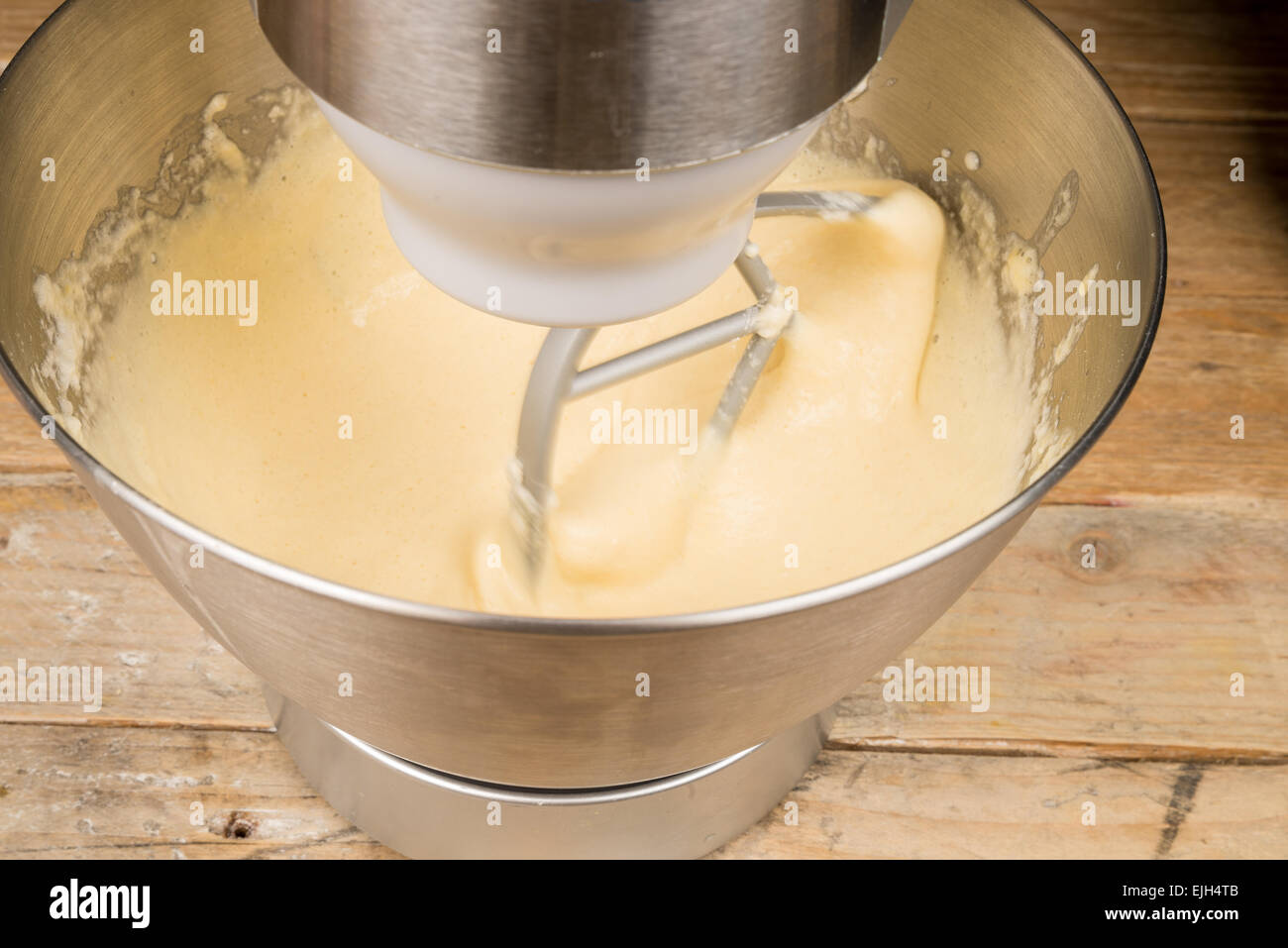
Some baking tasks need a gentler mixing method. A stand mixer can be better for large batches, long mixing times, and recipes that rely on creaming butter and sugar. A whisk or spatula may also be better when you need to fold air or delicate ingredients into a mixture.
- ✦ Large batches
The bowl may not have enough room, and the motor may not be designed for the load.
- ✦ Creamed cookie dough
A stand mixer often gives better control when a recipe requires butter and sugar to become light and fluffy.
- ✦ Delicate folding
Hand tools are better when a recipe needs gentle folding rather than fast blade action.
Common Food Processor Dough Problems and How to Fix Them
Many problems in Food Processor Dough & Baking Preparation come from ingredient balance or processing time. A dough that is too dry may need a small amount of liquid, while a sticky dough may need a short chill or a careful adjustment based on the recipe. Adding large amounts of flour or water at once can make the problem worse.
Another common issue is overprocessing. Because a food processor works so quickly, it is easy to continue running the machine after the dough has already reached the right stage. Learn to stop based on texture rather than habit.
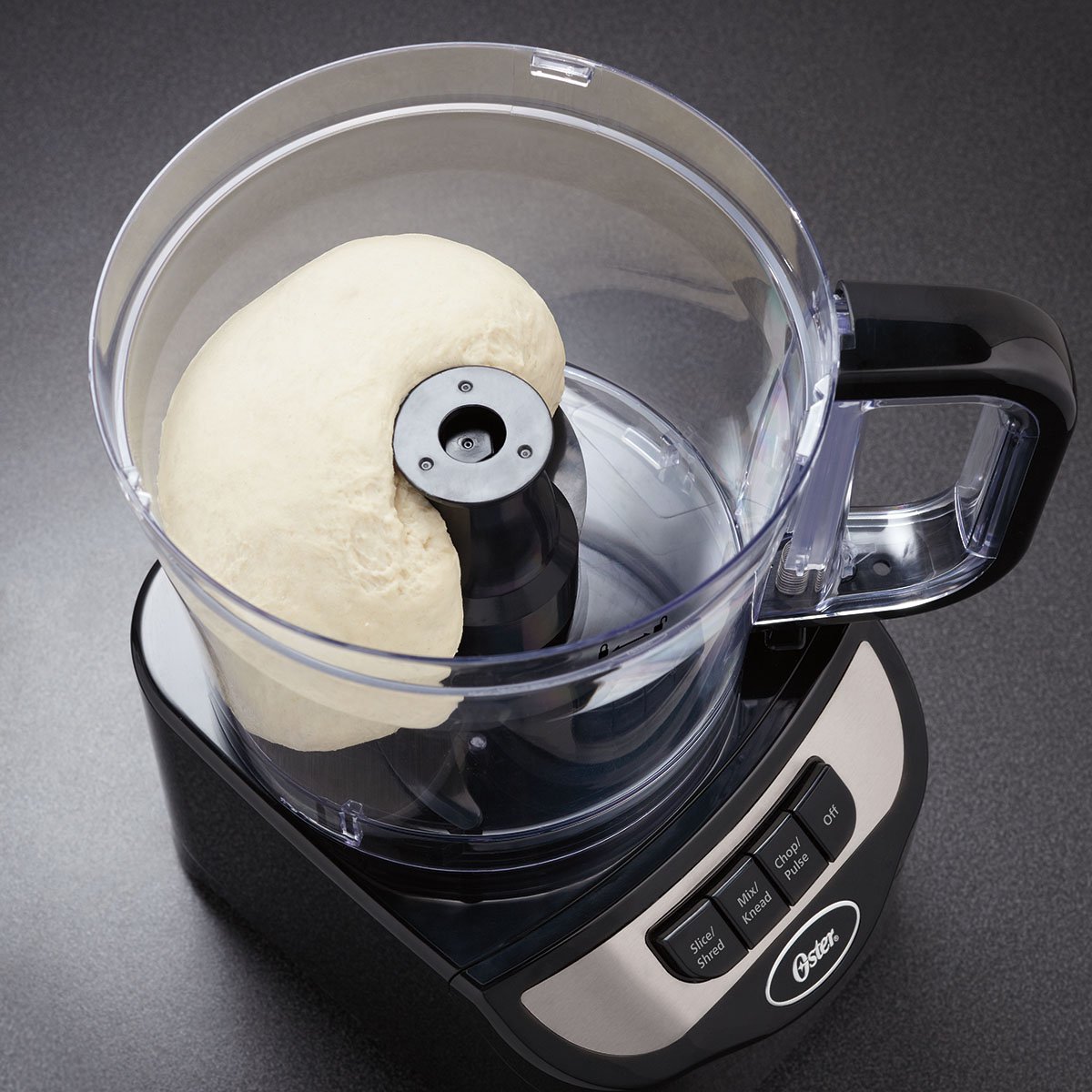
Machine size also matters. A small processor may struggle with a large batch of bread dough, while a powerful model may process a small pastry mixture very quickly. Adjust your method to your machine.
- ✦ Dough is too dry
Add liquid in very small amounts only when the recipe supports adjustment, then pulse briefly.
- ✦ Dough is too sticky
Check whether the recipe is meant to be soft, then use chilling or small flour adjustments if needed.
- ✦ Pastry is tough
The dough may have been overworked or handled too much after processing.
- ✦ Dough is warm
Stop processing and chill the dough when the recipe requires cold ingredients.
- ✦ Machine strains
Stop the processor and reduce the batch size or follow the manufacturer’s load limits.
- ✦ Dough will not form
Check the ingredient ratios, then add moisture or flour only in small amounts when appropriate.
How to Avoid Overworking Dough
The easiest way to avoid overworking dough is to use shorter processing cycles. Check the mixture often. For pastry, stop when it still looks slightly rough rather than waiting for a smooth ball.
For bread and pizza dough, look for a cohesive and elastic texture. Once the dough reaches that stage, move on to resting or proofing instead of continuing to run the machine.
- ✦ Use visual cues
Look at the dough after each short cycle.
- ✦ Follow the recipe
Recipe instructions should guide the processing method, especially for delicate doughs.
Tips for Better Food Processor Dough & Baking Preparation
Good Food Processor Dough & Baking Preparation starts before you turn on the machine. Read the full recipe first and prepare the ingredients in the order you will use them. This prevents rushed decisions once the blade starts moving.
Ingredient temperature is especially important for pastry. Keep butter cold when the recipe calls for it. For yeast dough, use liquid at the temperature recommended by the recipe and avoid making assumptions based only on how the liquid feels.
Finally, clean the bowl and blade soon after use. Dried dough can become difficult to remove, and food residue around the blade or shaft can make later cleaning harder.
- ✦ Use a kitchen scale
Weighing flour can improve consistency from one batch to the next.
- ✦ Prepare ingredients first
Have measured ingredients ready before processing begins.
- ✦ Keep cold ingredients cold
This is especially useful for flaky pastry and pie dough.
- ✦ Add liquid gradually
Small additions give you more control over the final dough.
- ✦ Use short cycles
Short processing periods reduce the chance of overmixing and overheating.
- ✦ Respect bowl capacity
Do not exceed the manufacturer’s recommended capacity for dough or other mixtures.
- ✦ Let dough rest
Resting, chilling, or proofing can be just as important as mixing.
- ✦ Clean promptly
Wash removable parts according to the manufacturer’s cleaning instructions.
Food Processor Safety During Baking Preparation
Food processors have sharp blades and powerful motors. Always use the lid and safety features as designed. Unplug the machine before removing a stuck mixture or reaching near the blade.
Do not force a heavy dough through a struggling motor. Stop the machine if it smells hot, sounds unusual, or shows signs of strain. Your owner’s manual should take priority over general baking advice.
- ✦ Protect your hands
Handle blades carefully and use the processor’s supplied tools when possible.
- ✦ Avoid overloading
Stay within the recommended capacity for dough and other thick mixtures.
- ✦ Unplug before clearing
Disconnect power before removing stuck dough or cleaning around the blade.
Food Processor vs. Stand Mixer for Dough
Both machines can be useful for baking, but they suit different jobs. A food processor is excellent when you want speed and quick ingredient mixing. A stand mixer can be more useful for large batches and recipes that need extended mixing or creaming.
For pie crust, shortcrust pastry, and some biscuit recipes, the food processor offers a major time advantage. For large bread batches or recipes that require long kneading, a stand mixer may provide more capacity and control.
There is no need to choose one tool for every recipe. Many home bakers keep both because each machine solves a different problem. The best option depends on the dough, batch size, recipe method, and equipment you already own.
- ✦ Food processor
Best suited to fast mixing, pastry, pie crust, some pasta dough, and many small or medium dough batches.
- ✦ Stand mixer
Useful for larger batches, extended kneading, creaming, and recipes that need controlled mixing.
- ✦ Hand mixing
Helpful when a recipe needs gentle handling or when you want maximum control over texture.
Choosing the Right Method
Start with the recipe rather than the appliance. If the recipe says to cut cold butter into flour, a food processor may be a natural fit. If it calls for long kneading or creaming, a stand mixer may be easier to control.
- ✦ Choose speed
Use the food processor when fast preparation is the main goal.
- ✦ Choose capacity
Use a stand mixer when the recipe makes a large batch that exceeds the processor’s practical capacity.