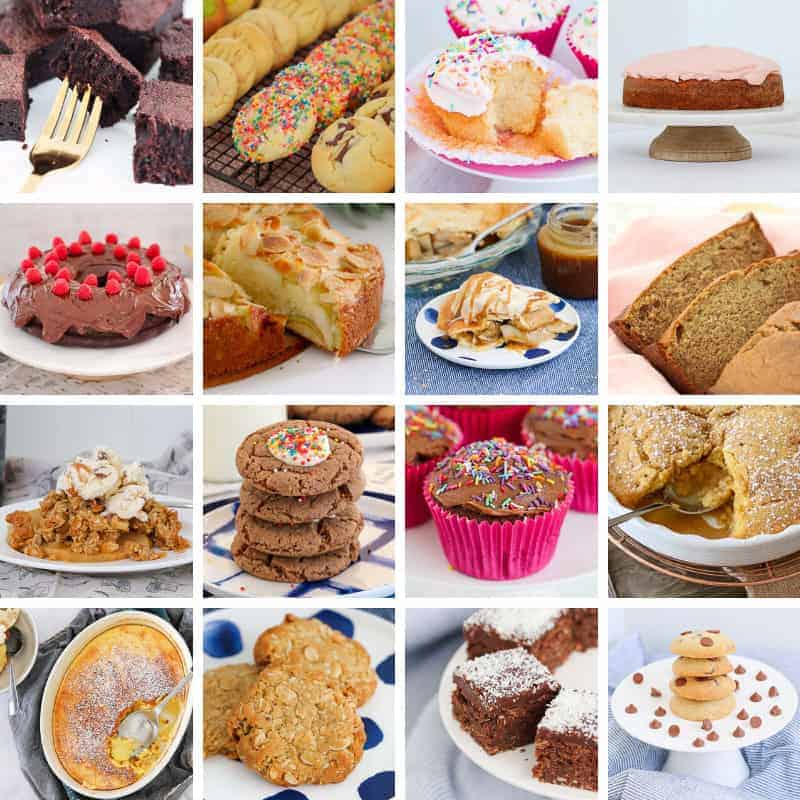
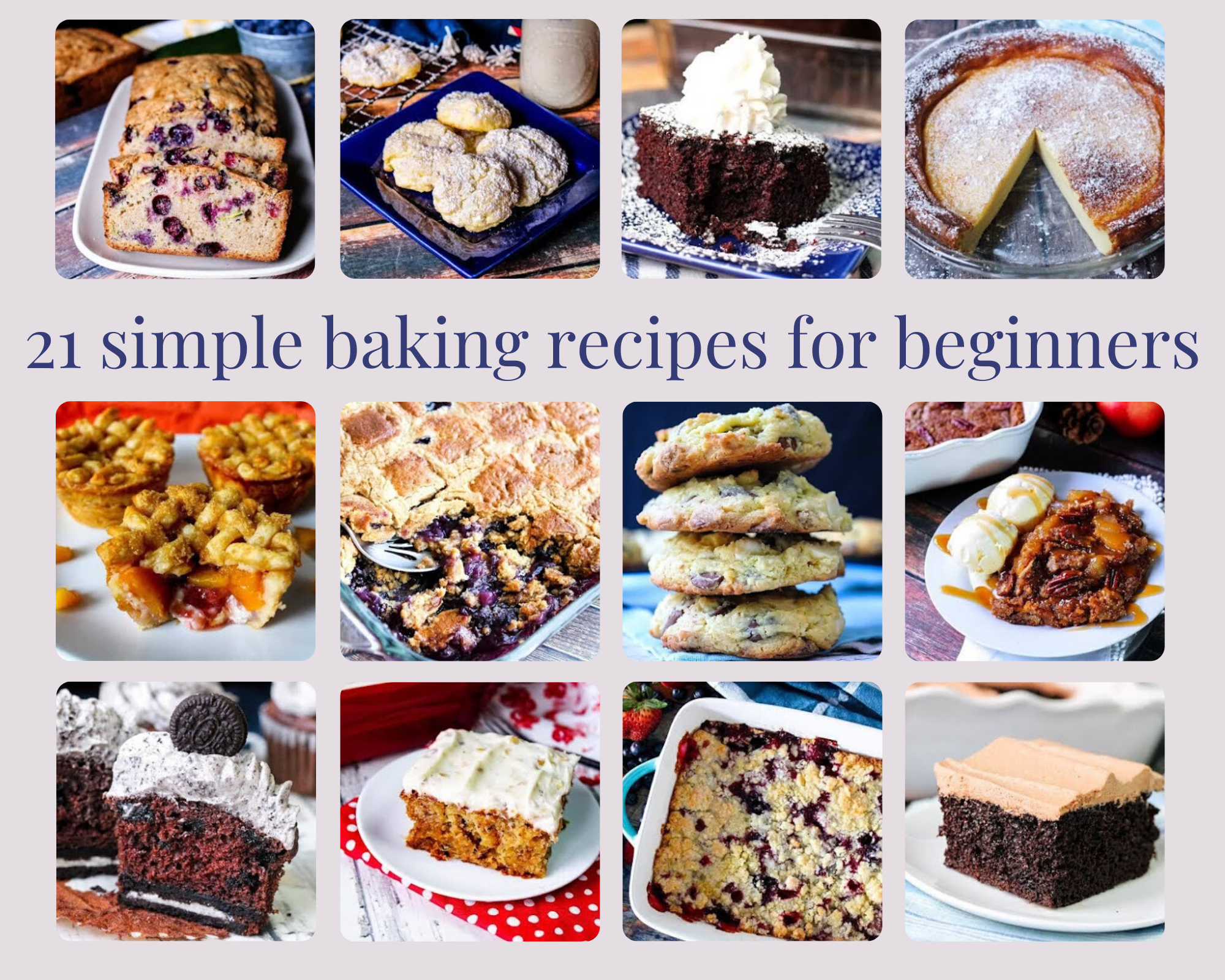
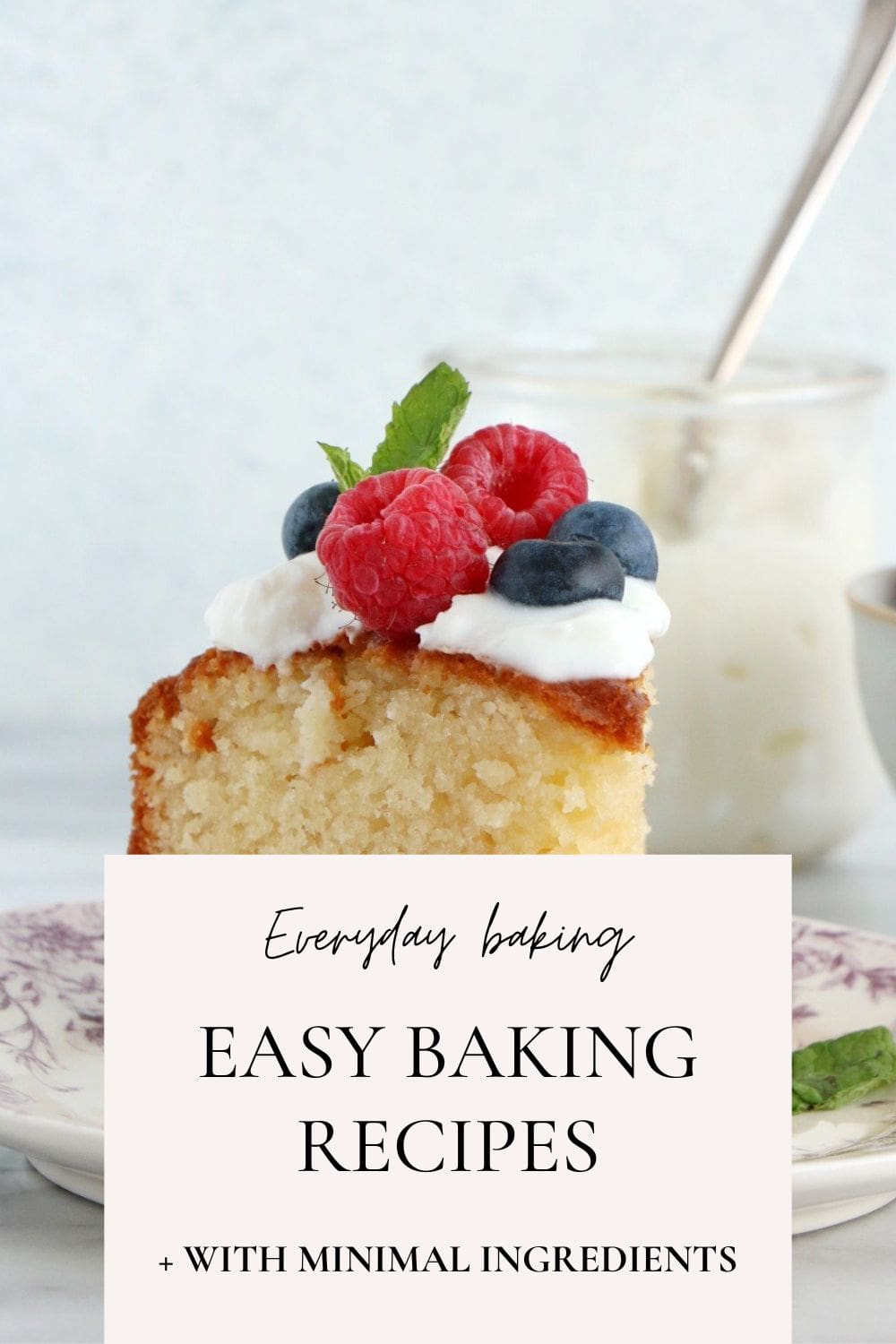
Simple baking recipes use basic ingredients, clear steps, and reliable methods to help beginners make cakes, cookies, breads, and other baked foods with less stress.
In the United States, home baking is a common way to make affordable treats, family desserts, and everyday foods without needing advanced skills. A small kitchen setup with an oven, mixing bowl, measuring tools, flour, sugar, eggs, and a few other staples can create many different baked goods.
Simple baking recipes work best when they focus on the basics: accurate measurements, proper mixing, correct oven temperature, and patience during baking. Understanding why each step matters helps beginners avoid common problems like dry cakes, flat cookies, or uneven baking.
Source: bakeplaysmile.com
What Makes A Baking Recipe Simple
A simple baking recipe has a short ingredient list, easy instructions, and a process that does not require advanced equipment. These recipes are designed so new bakers can understand the basic relationship between ingredients and techniques.
Most beginner-friendly baked foods rely on familiar ingredients such as flour, sugar, eggs, butter or oil, milk, baking powder, baking soda, salt, and flavor additions like vanilla or cocoa. These ingredients create structure, moisture, sweetness, and rise.
The goal of a simple recipe is not only convenience. It also teaches skills that transfer to more complex baking. Learning how to cream butter and sugar, fold batter, or check doneness builds confidence for future recipes.
Source: bakeplaysmile.com
Few ingredients
Recipes with common pantry items are easier to prepare and reduce the chance of missing important ingredients.
Clear instructions
Simple recipes explain the order of steps so beginners know when and how to combine ingredients.
Basic techniques
Mixing, measuring, shaping, and baking are the main skills needed for many beginner recipes.
Why Baking Requires More Precision Than Cooking
Baking depends on chemical reactions. Flour creates structure, eggs help bind ingredients, and leavening agents create air that helps baked goods rise. Small measurement changes can affect the final result.
Cooking often allows flexible adjustments during the process, but baking usually requires more accuracy before the food enters the oven.
Essential Ingredients For Simple Baking Recipes
The best beginner baking recipes use ingredients that perform clear jobs. Knowing these roles makes it easier to understand substitutions and fix problems.
Flour usually provides the main structure in baked goods. Sugar adds sweetness but also affects texture and moisture. Eggs help hold ingredients together and can add richness. Fats such as butter and oil influence softness and flavor.
Leavening ingredients such as baking powder and baking soda help baked foods become lighter. They work differently, so replacing one with another without understanding the recipe can change the result.
Source: justapinch.com
Flour
Provides structure and helps create the shape of cakes, cookies, breads, and pastries.
Sugar
Adds sweetness while affecting browning, moisture, and texture.
Eggs
Help bind ingredients and contribute to structure and richness.
Fat
Creates tenderness and adds flavor to many baked foods.
Common Pantry Items To Keep For Baking
A small baking pantry can include all-purpose flour, granulated sugar, brown sugar, baking powder, baking soda, salt, vanilla extract, cocoa powder, and chocolate chips. These ingredients can support many simple recipes.
Fresh items such as eggs, milk, butter, fruit, or yogurt can be added when needed. Keeping ingredients organized helps make baking easier because preparation takes less time.
Easy Types Of Baked Foods For Beginners
Beginners often succeed faster when they start with baked foods that have simple mixing methods. Cookies, muffins, quick breads, and basic cakes are good starting points because they usually require common tools and straightforward steps.
Each type teaches a different skill. Cookies teach portioning and texture control. Muffins teach gentle mixing. Cakes teach batter preparation and baking time management.
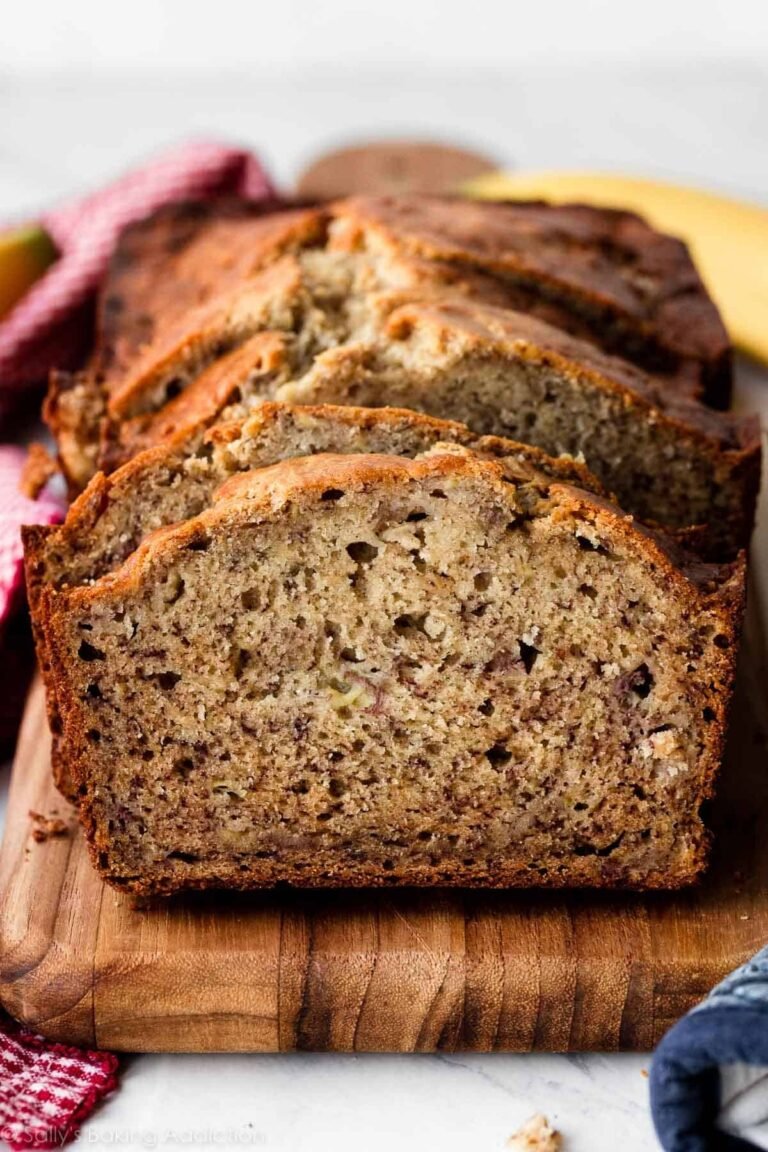
Choosing the right first recipe depends on your goal. Someone looking for a quick snack may prefer cookies, while someone learning basic baking skills may benefit from a simple loaf cake or banana bread.
Source: sallysbakingaddiction.com
Cookies
Good for beginners because dough can often be mixed, shaped, and baked in small batches.
Muffins
Useful for learning how to combine wet and dry ingredients without overmixing.
Quick breads
Teach basic batter preparation and work well for breakfast or snacks.
Simple Baking Recipe Examples
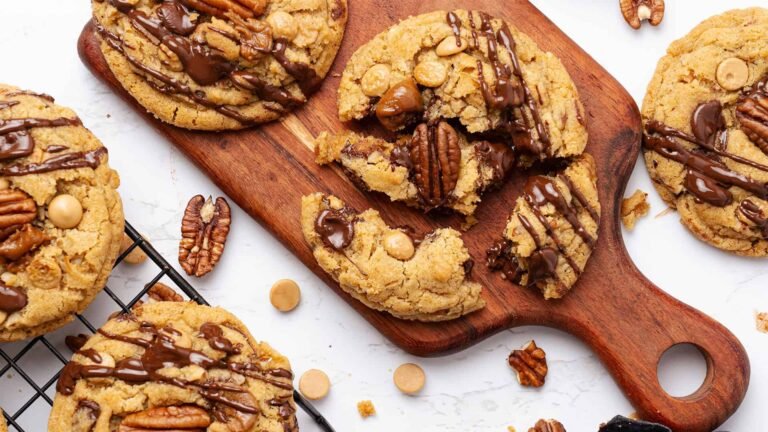
A beginner-friendly cookie recipe may include flour, butter, sugar, eggs, and chocolate chips. A simple muffin recipe may use flour, milk, eggs, oil, sugar, and fruit.
A basic cake can teach important skills like measuring flour correctly, preparing a pan, and checking when the center is fully baked.
Step By Step Method For Successful Home Baking
Successful baking starts before the oven turns on. Reading the recipe, preparing ingredients, and organizing tools can prevent many common mistakes.
The first step is preparation. Measure ingredients, preheat the oven, and prepare baking pans before mixing. Many recipes depend on placing the batter into the oven soon after mixing.
During mixing, follow the recipe method instead of rushing. Overmixing can make some baked goods tough, while undermixing can leave uneven ingredients.
Source: delscookingtwist.com
Read first
Understanding the full recipe helps avoid missing steps or unexpected preparation times.
Measure carefully
Accurate measurements help create consistent texture and flavor.
Check doneness
Use visual signs and recipe instructions to decide when baked foods are ready.
Signs A Baked Good Is Finished
A baked item is usually ready when it reaches the expected color, texture, and firmness described by the recipe. Cakes often spring back lightly when touched, while cookies may look set around the edges.
Because ovens vary, baking time is often a guide rather than an exact rule. Checking near the end of the recommended time can prevent overbaking.
Common Baking Problems And How To Fix Them
Most baking problems come from a small number of causes: incorrect measurements, unsuitable ingredient temperatures, mixing errors, or oven differences.
Understanding the symptom helps identify the likely cause. A dry cake may have been overbaked, while dense muffins may result from overmixing the batter.
Fixing problems becomes easier when changes are made one at a time. Changing several ingredients at once makes it harder to know what affected the result.
Source: theflavorbender.com
Dry baked goods
Possible causes include too much flour, too little fat, or baking for too long.
Flat cookies
Possible causes include warm dough, incorrect leavening, or ingredient balance issues.
Dense cakes
Possible causes include overmixing, incorrect measurements, or insufficient rising.
How To Improve After A Failed Recipe
A failed bake can still provide useful information. Compare the result with the recipe description and identify one possible cause before trying again.
Keeping notes about changes, oven settings, and ingredient swaps can help create better results over time.
Frequently Asked Questions
Q
What are the easiest simple baking recipes for beginners?
Cookies, muffins, quick breads, and simple cakes are often good beginner choices because they use common ingredients and basic techniques.
Q
Can I bake without special equipment?
Many simple baking recipes only need basic tools such as mixing bowls, measuring cups or spoons, a baking pan, and an oven. Advanced equipment is not required for many beginner recipes.
Q
Why do baking recipes require exact measurements?
Baking depends on balanced ingredient reactions. Too much or too little of an ingredient can change texture, rise, and moisture.
Q
How can I make baking easier at home?
Prepare ingredients before mixing, read the full recipe, keep basic supplies available, and avoid rushing steps.
Q
What should I bake first as a beginner?
A simple cookie, muffin, or quick bread is often a good first project because these recipes teach useful skills without requiring complex methods.
✦ Wrapping Up
Conclusion
Simple baking recipes make it easier to learn the foundation of home baking. With basic ingredients, careful measurements, and a clear process, beginners can create many enjoyable baked foods.
The best way to improve is to practice small skills, learn from mistakes, and understand how ingredients affect the final result. Baking becomes more predictable when each step has a purpose.
💡 Key Takeaway
Start with one simple recipe, prepare every ingredient before mixing, and focus on learning the basic baking process rather than chasing perfection.
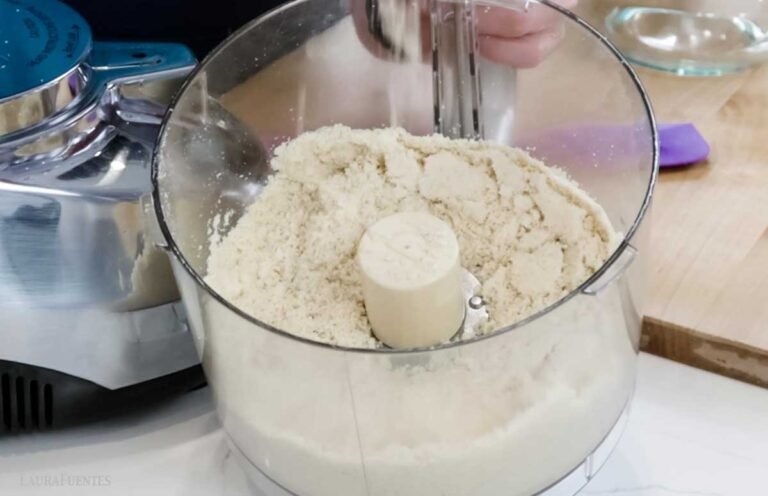
Learn how Food Processor Grains & Flour Preparation works, from grinding grains and nuts to making fresh homemade flour. Discover tips, benefits, tools, and techniques for better results.