Food Processor Grains & Flour Preparation: A Complete Guide to Making Fresh Flour at Home
Food Processor Grains & Flour Preparation has become popular among home cooks in the United States who want fresher ingredients and more control over their meals. A quality food processor can handle many small-batch flour tasks without needing a separate grain mill.
From my experience working with kitchen tools, the best results come from matching the grain type with the right processing method. A food processor works well for soft grains, oats, nuts, and small flour batches when users understand its limits.
This guide explains how Food Processor Grains & Flour Preparation works, which ingredients perform best, and how to improve texture, flavor, and efficiency in everyday cooking.
What Is Food Processor Grains & Flour Preparation?
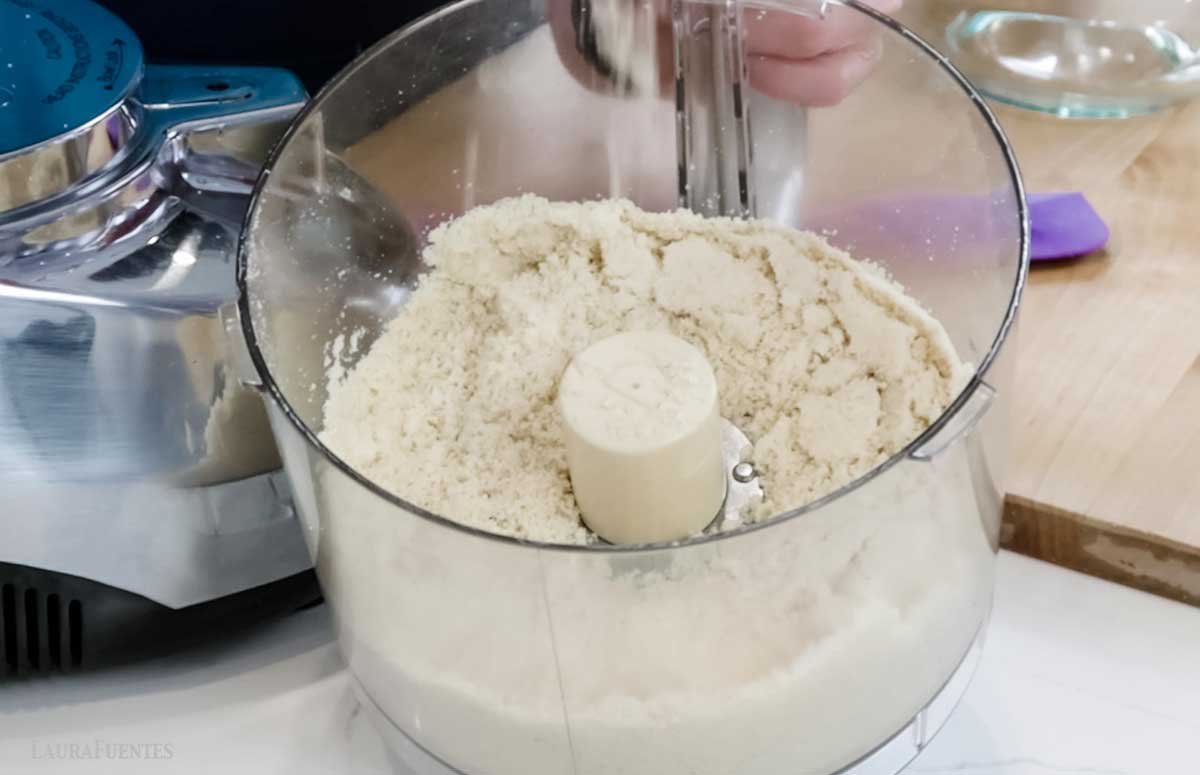
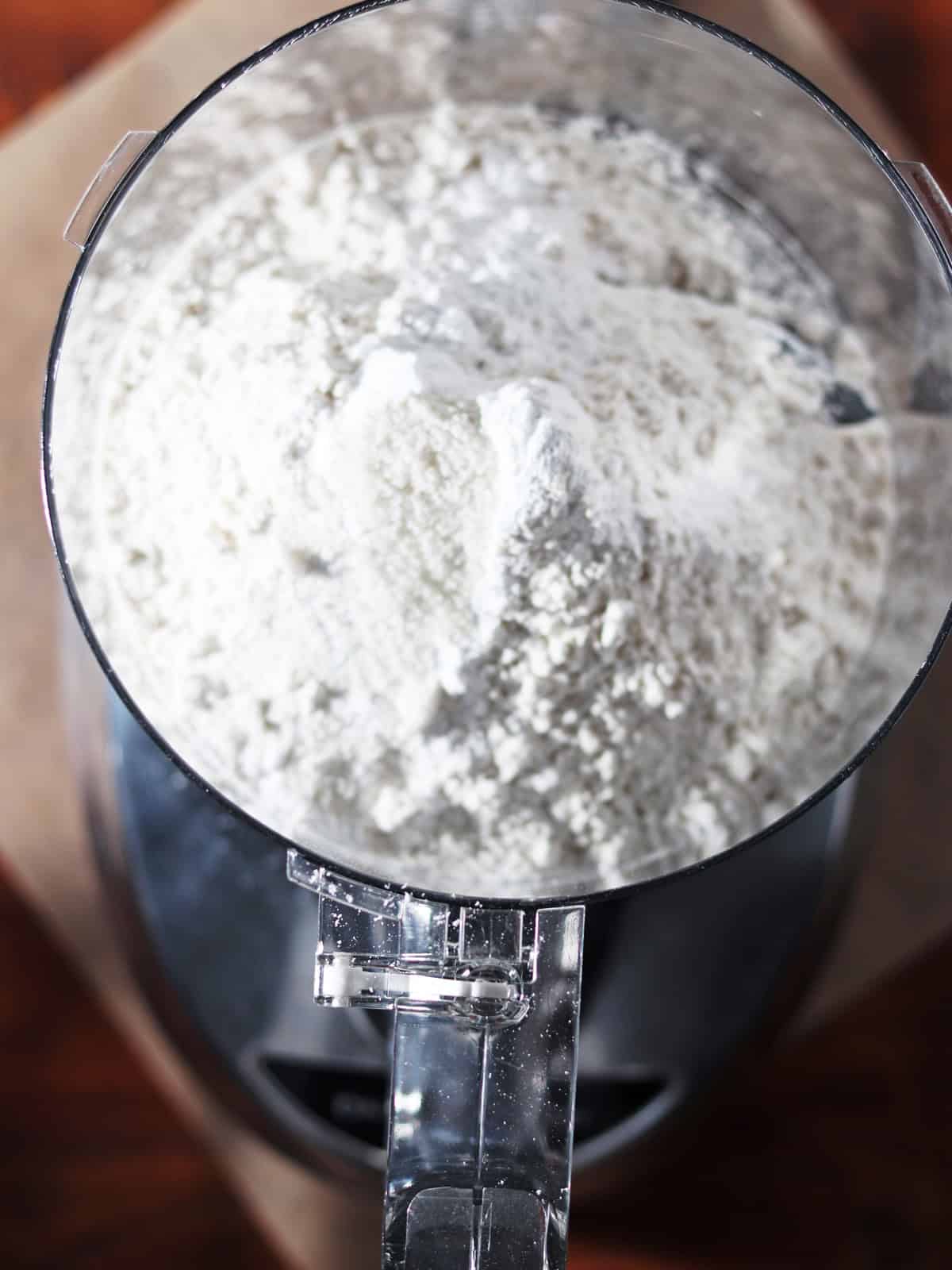
Food Processor Grains & Flour Preparation is the process of using a food processor to break down grains and other dry foods into smaller particles that can be used as flour. The machine uses a sharp blade to cut and crush ingredients into a powder-like texture.
Unlike large commercial mills, a home food processor is designed for smaller amounts. It is useful for quick recipes, baking projects, and people who want fresh flour without buying another appliance.
- ✦ Small batch convenience
Food processors are practical for making enough flour for one recipe instead of storing large quantities.
- ✦ Ingredient control
Users can choose whole grains, gluten-free options, and natural ingredients.
- ✦ Fresh flavor
Freshly processed grains often keep more natural aroma and taste compared with older packaged flour.
How a Food Processor Breaks Down Grains
The motor spins a blade at high speed, creating repeated cutting actions. Hard grains become smaller pieces until they reach a flour-like texture.
The final result depends on the ingredient, processing time, and machine power. Some grains need more time or several short pulses for better consistency.
Best Grains and Ingredients for Food Processor Flour Making
Many ingredients work well with Food Processor Grains & Flour Preparation. Soft grains and dry ingredients usually give the best results because they break apart more easily.
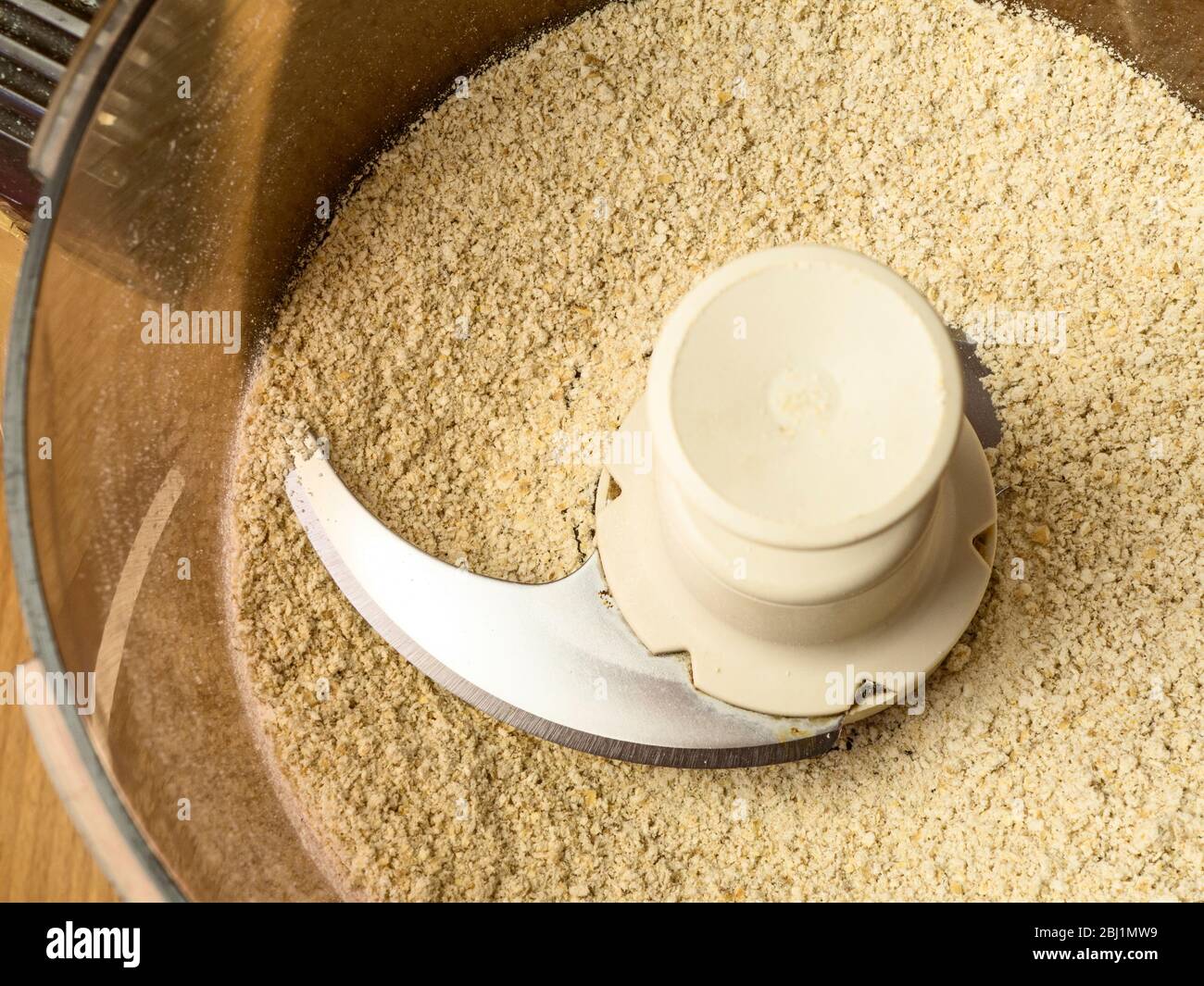
Oats are one of the most common choices because they turn into flour quickly. Nuts and seeds can also create flavorful alternatives for baking and cooking.
- ✦ Oats
Oat flour is simple to make and works well in pancakes, muffins, cookies, and gluten-free recipes.
- ✦ Almonds
Almond flour adds moisture and a rich flavor to many baked goods.
- ✦ Rice and soft grains
These ingredients can work in some processors but may require longer processing times.
Choosing Ingredients for Better Texture
Dry ingredients create better results than damp ingredients because moisture can cause clumping. Cooling ingredients before grinding may also help reduce oil release from nuts.
For consistent Food Processor Grains & Flour Preparation, measure ingredients carefully and avoid filling the bowl too much.
Step-by-Step Food Processor Grains & Flour Preparation Method
Making homemade flour with a food processor is simple when the process is done in stages. Start with clean, dry ingredients and use short pulses instead of running the machine nonstop.
A careful approach protects the motor and helps create a more even flour texture. This method works well for everyday home baking in American kitchens.

- ✦ Step 1: Prepare ingredients
Remove dirt, moisture, or unwanted pieces before placing grains into the processor.
- ✦ Step 2: Process in short bursts
Pulse several times to break ingredients evenly and prevent overheating.
- ✦ Step 3: Check texture
Stop and inspect the flour. Process again if a finer texture is needed.
Tips for Smoother Homemade Flour
Sifting the finished flour can remove larger pieces and improve baking results. This step is useful when making cakes, breads, or delicate pastries.
A small amount of patience often creates better flour than simply running the processor for a long time.
Benefits of Making Flour With a Food Processor
Food Processor Grains & Flour Preparation offers several benefits for people who enjoy fresh cooking. It allows home chefs to experiment with different ingredients and create custom flour blends.
Fresh processing also supports better ingredient awareness because users know exactly what goes into their flour.

- ✦ More recipe flexibility
Home cooks can create special flour mixes for breads, snacks, and desserts.
- ✦ Less food waste
Extra grains, oats, and nuts can be used instead of sitting unused in storage.
- ✦ Kitchen savings
Making small amounts at home can reduce the need for specialty flour purchases.
Fresh Flour and Home Baking Quality
Fresh flour can bring stronger flavors and unique textures to baked foods. Many home bakers enjoy the difference in aroma when using freshly processed ingredients.
However, food processors do not always create the same ultra-fine texture as dedicated grain mills.
Limitations and Common Mistakes in Food Processor Flour Preparation
While Food Processor Grains & Flour Preparation is convenient, it has some limits. Very hard grains may require specialized equipment, and some processors may struggle with large amounts.
Knowing these challenges helps users avoid poor results and protects their kitchen equipment.

- ✦ Overloading the bowl
Too many ingredients can prevent even grinding and increase processing time.
- ✦ Using wet ingredients
Moist ingredients may create sticky mixtures instead of flour.
- ✦ Expecting mill-level results
A food processor is excellent for home use but may not match professional milling equipment.
How to Protect Your Food Processor
Allow the machine to rest between long processing sessions. Clean the blade and bowl after each use to maintain performance.
Following the manufacturer’s instructions is the safest way to extend appliance life.
Creative Uses for Homemade Flour From a Food Processor
Homemade flour opens many cooking options beyond traditional bread. Food Processor Grains & Flour Preparation can support recipes for breakfast foods, snacks, desserts, and family meals.
Many U.S. home cooks use homemade flour for pancakes, crackers, cookies, and healthier recipe experiments.

- ✦ Breakfast recipes
Use oat or nut flour in pancakes, muffins, and quick breads.
- ✦ Gluten-free cooking
Alternative flours can support recipes that avoid traditional wheat flour.
- ✦ Custom blends
Mix different flours to create unique flavors and textures.