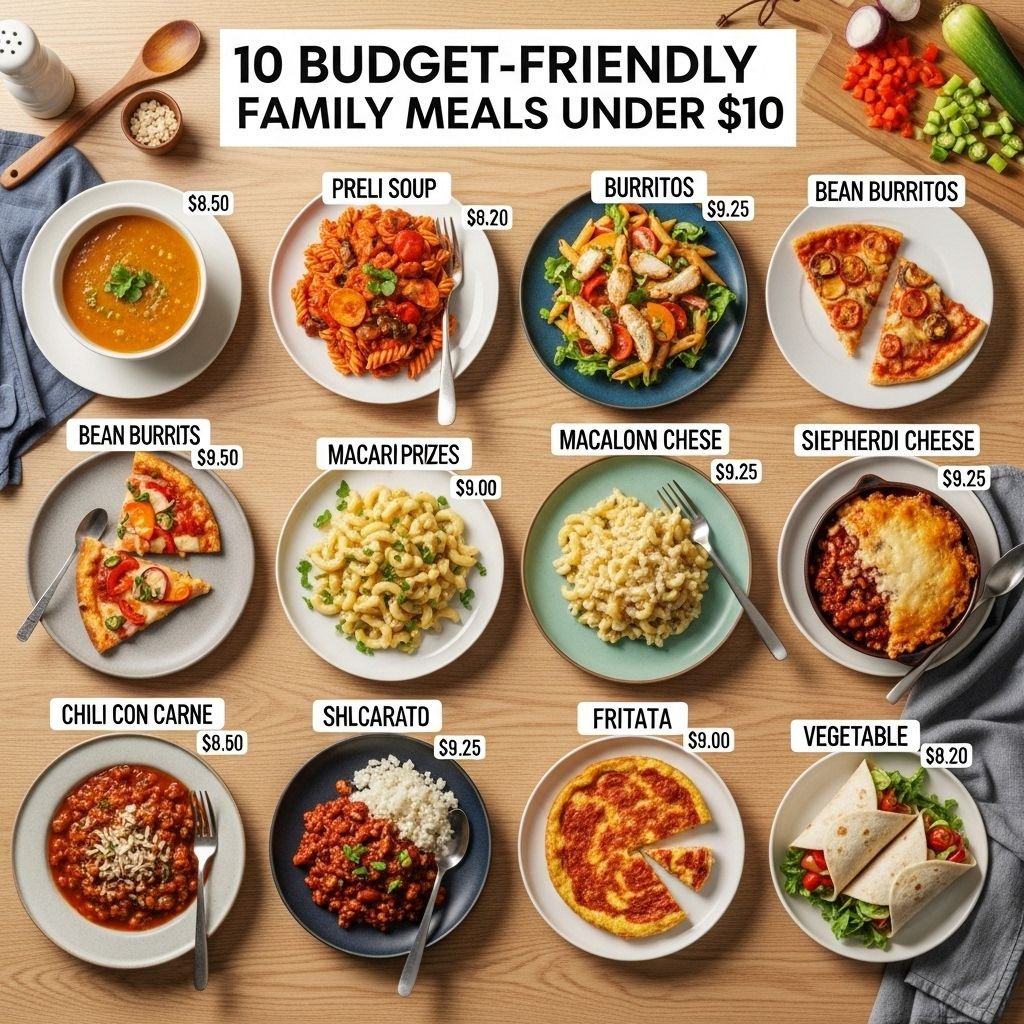
Budget family meals are affordable dishes that use simple ingredients, smart planning, and flexible recipes to help American families save money while still enjoying satisfying food.
Across the United States, many families are looking for ways to reduce grocery costs without making every meal feel limited or repetitive. A practical budget meal plan focuses on affordable staples, seasonal foods, smart portions, and recipes that can feed several people without requiring expensive ingredients.
Creating budget family meals is less about buying the cheapest food available and more about using money wisely. A well-planned dinner can combine proteins, vegetables, grains, and pantry items in ways that reduce waste and make cooking easier during busy weeks.
Source: budgetbytes.com
What Are Budget Family Meals?
Budget family meals are home-prepared dishes designed to provide enough servings for a household while keeping grocery spending under control. They often rely on affordable ingredients that can be combined in many different ways.
For families in the United States, these meals may include dishes such as baked pasta, vegetable soups, chili, casseroles, rice bowls, tacos, sandwiches, and slow cooker recipes. The goal is not simply a low price but a balanced meal that works for real family schedules.
Source: freebiefindingmom.com
Affordable ingredients
Budget meals often use lower-cost foods such as grains, legumes, eggs, chicken, canned goods, and seasonal vegetables.
Large batch cooking
Preparing several portions at once can reduce cooking time and help families avoid expensive takeout decisions.
Flexible recipes
The best budget recipes allow ingredient swaps based on sales, pantry supplies, and family preferences.
Why Planning Matters For Affordable Family Meals
Meal planning helps families decide what they need before shopping. This can lower impulse purchases and make it easier to use ingredients before they expire.
Check what you already have
Using pantry and freezer items first can prevent duplicate purchases and reduce waste.
How To Build A Weekly Budget Family Meal Plan
A successful meal plan starts with understanding your household size, available cooking time, and grocery budget. Families with children may need flexible meals that can be adjusted for different tastes.
Instead of choosing seven completely different dinners, many families save money by repeating ingredients in new ways. For example, cooked chicken can become tacos one night, a rice bowl another night, and soup later in the week.
Source: i.pinimg.com
Choose affordable meal categories
Pick a mix of soups, pasta dishes, sheet pan meals, casseroles, and quick skillet recipes.
Create a shopping list
A detailed list helps prevent unnecessary purchases and keeps grocery trips focused.
Plan leftovers
Leftovers can become lunches or ingredients for another dinner instead of being wasted.
Affordable Ingredients That Stretch Across Multiple Meals
Some ingredients are useful because they can appear in many recipes. Rice, pasta, potatoes, oats, beans, lentils, eggs, and frozen vegetables are common examples of versatile foods.
Beans and lentils
These provide affordable protein and work well in soups, chili, tacos, and bowls.
Frozen vegetables
Frozen produce can reduce waste because families can use only what they need.
Examples Of Affordable Family Meals For Busy Weeknights
The most useful budget family meals are simple enough for regular cooking but satisfying enough that families do not feel they are sacrificing variety. Many affordable meals can be prepared with basic kitchen tools and common grocery items.
These examples are not fixed recipes. They are meal ideas that can be adapted depending on prices, available ingredients, and dietary needs.
Combine cooked chicken, rice, vegetables, and simple seasonings for a filling meal.
Vegetable pasta bake
Pasta, tomato sauce, vegetables, and cheese can create a large family dinner.
Bean tacos
Beans, tortillas, toppings, and vegetables provide an affordable taco night option.
Slow cooker soups
Soups allow families to combine affordable ingredients into several servings.
How To Keep Meals Nutritious On A Budget
A low-cost meal does not need to rely only on processed foods. Families can improve nutrition by adding vegetables, choosing different protein sources, and balancing meals with whole foods when possible.
Mix protein sources
Use eggs, beans, poultry, fish, dairy, and other affordable proteins throughout the week.
Common Mistakes That Increase Family Food Costs
Many households spend more than planned because of small habits rather than the cost of individual ingredients. Fixing these habits can make a noticeable difference over time.
The cheapest meal is not always the best choice if nobody eats it or if ingredients are wasted. A useful budget plan considers taste, nutrition, and practicality together.
Source: thesoccermomblog.com
Buying without a plan
Unplanned shopping often leads to extra purchases and unused ingredients.
Ignoring food waste
Throwing away unused food increases the real cost of every meal.
Making every meal from scratch
Some convenience foods may save time and can fit into a budget when used carefully.
How To Adjust When A Meal Plan Fails
If a planned meal does not work, avoid wasting ingredients. Leftover vegetables can become soup, cooked grains can become bowls, and extra proteins can become sandwiches or wraps.
Review what happened
Identify whether the problem was cost, preparation time, taste, or portion size.
Smart Ways To Save More Money On Family Meals
Saving money on food usually comes from several small improvements rather than one major change. Families can combine shopping strategies, cooking habits, and storage methods to lower costs.
Buying in larger quantities may help when the food will actually be used. However, bulk purchases are not always cheaper if items expire before they are consumed.
Source: i.pinimg.com
Shop seasonal produce
Seasonal fruits and vegetables are often more affordable because supply is higher.
Use store brands
Generic products may offer similar basic ingredients at a lower price.
Cook versatile staples
Foods that work in many meals provide more value from each purchase.
Balancing Cost And Family Preferences
A meal plan works best when family members will actually eat the food. Including familiar favorites alongside new budget recipes can make the transition easier.
Ask for input
Simple family feedback can reduce wasted meals and improve satisfaction.
Frequently Asked Questions
Q
What are the cheapest meals to make for a family?
Some of the most affordable family meals include bean dishes, pasta meals, soups, casseroles, rice bowls, and egg-based recipes. The final cost depends on local prices, portion sizes, and ingredients used.
Q
How can I feed a family of four on a budget?
Start with a weekly plan, buy only what you need, use flexible ingredients, and prepare meals that create leftovers. Tracking grocery spending for a few weeks can help identify where money is going.
Q
Are budget family meals healthy?
Budget meals can be healthy when they include a balance of protein, vegetables, grains, and other nutrient-rich foods. Cost alone does not determine nutritional quality.
Q
How often should families plan meals?
Many families plan weekly because it matches common grocery routines. However, the best schedule depends on household needs and cooking habits.
Q
How do I avoid getting bored with cheap meals?
Use the same affordable ingredients in different ways. Changing seasonings, cooking methods, and meal formats can create variety without increasing costs.
✦ Wrapping Up
Conclusion
Budget family meals are built around smart choices rather than strict limitations. With planning, flexible ingredients, and simple cooking methods, families can create satisfying meals while managing grocery costs.
The most effective approach is one that fits your household. A practical meal plan considers your budget, available time, food preferences, and the ingredients your family will actually use.
💡 Key Takeaway
Start with three or four affordable meals your family enjoys, build a shopping list around shared ingredients, and improve your plan as you learn what works.