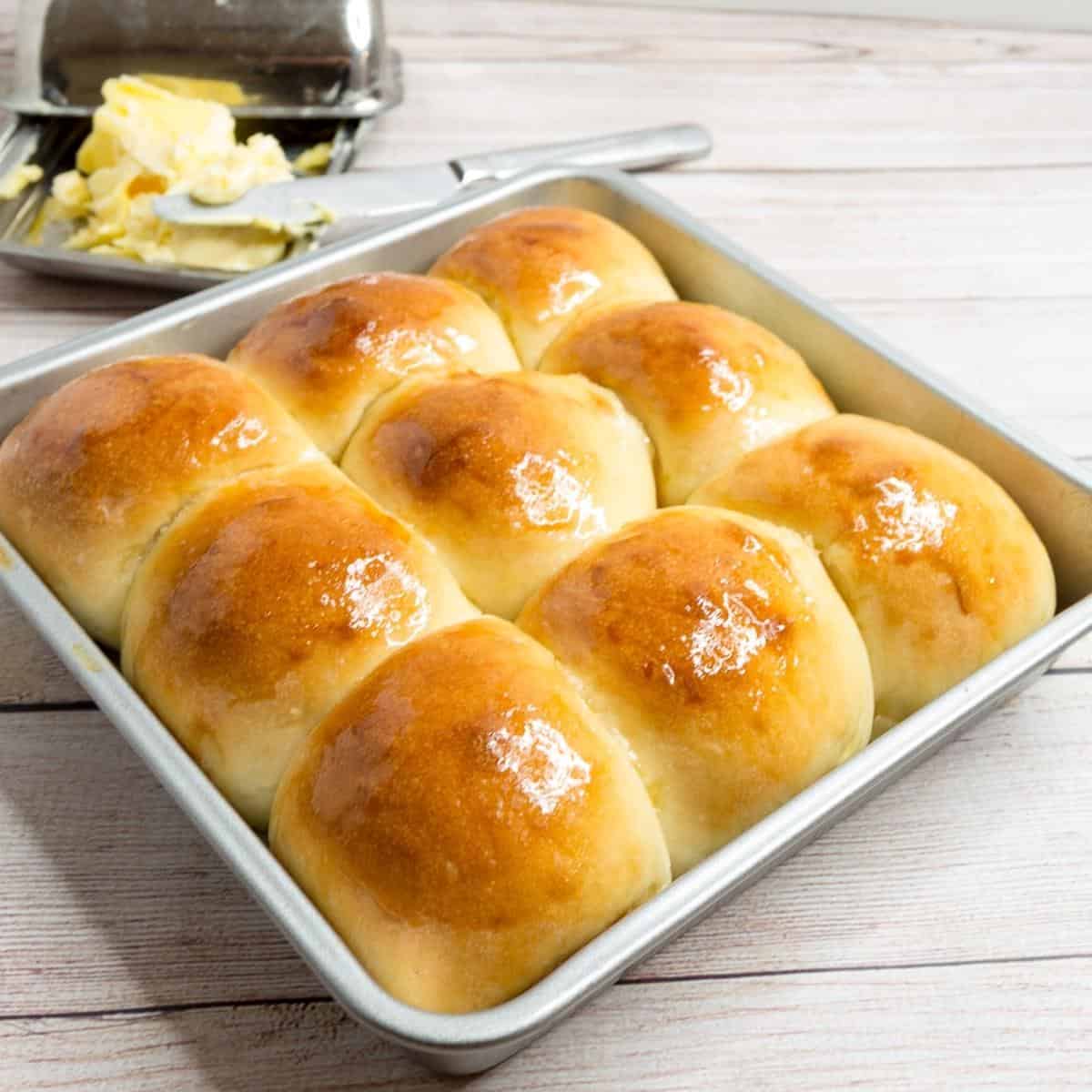
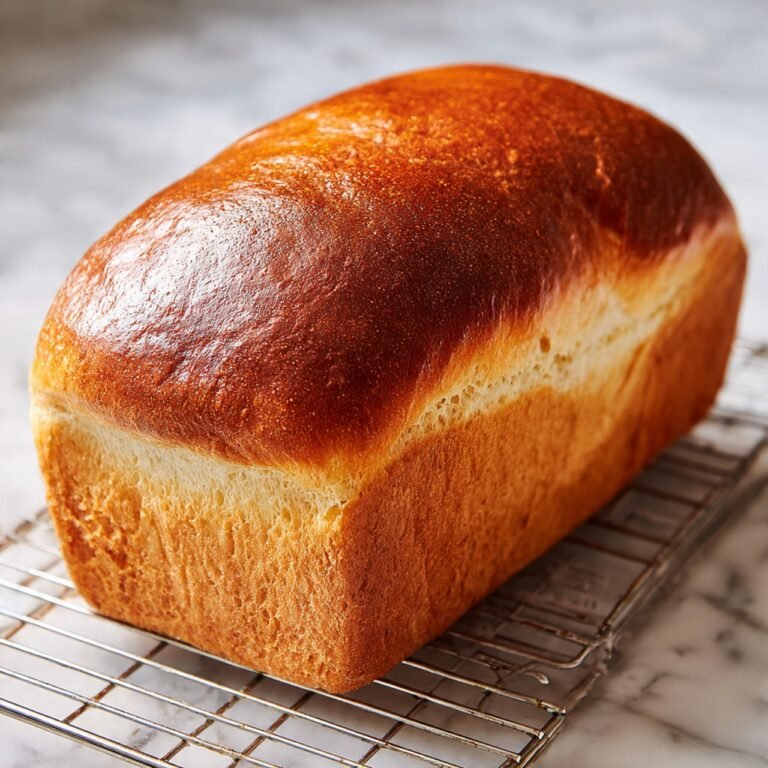
Homemade dinner rolls are made by mixing a soft yeast dough, letting it rise, shaping the rolls, and baking until they become golden, tender, and fluffy.
Across the United States, homemade dinner rolls are a familiar part of many family meals, from Thanksgiving tables in the Midwest to Sunday dinners across the country. The basic method is simple: combine flour, yeast, liquid, fat, and a small amount of sugar or salt, then allow time for the dough to develop flavor and structure.
The main challenge is not the ingredient list but understanding how dough behaves. Yeast activity, kneading, rising time, oven temperature, and ingredient balance all affect the final texture. A good roll should feel light and soft while still holding enough structure for butter, gravy, or sandwich fillings.
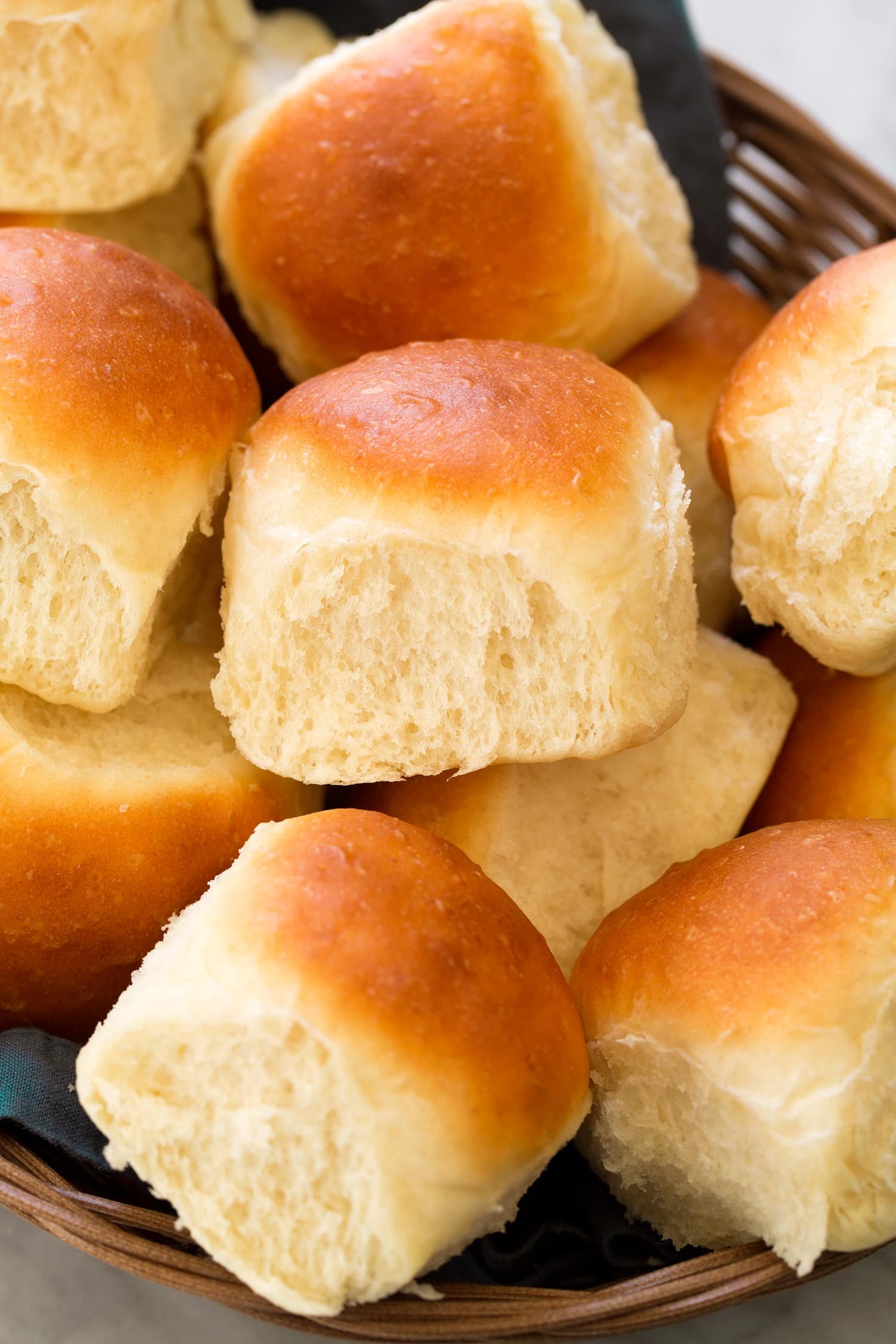
Source: theschmidtywife.com
What Makes Homemade Dinner Rolls Soft And Fluffy
Soft dinner rolls come from a combination of gluten development, yeast fermentation, and moisture retention. Yeast produces gas during fermentation, which creates small air pockets inside the dough. These pockets expand during baking and give the rolls their light texture.
The amount of flour matters because too much flour creates a heavy roll. Many home bakers add extra flour because sticky dough feels difficult to handle, but slightly tacky dough often produces a softer result after baking.
Fat sources such as butter, milk, or eggs can improve tenderness by adding richness and slowing moisture loss. Sugar can help with flavor and browning, while salt controls taste and supports dough strength.
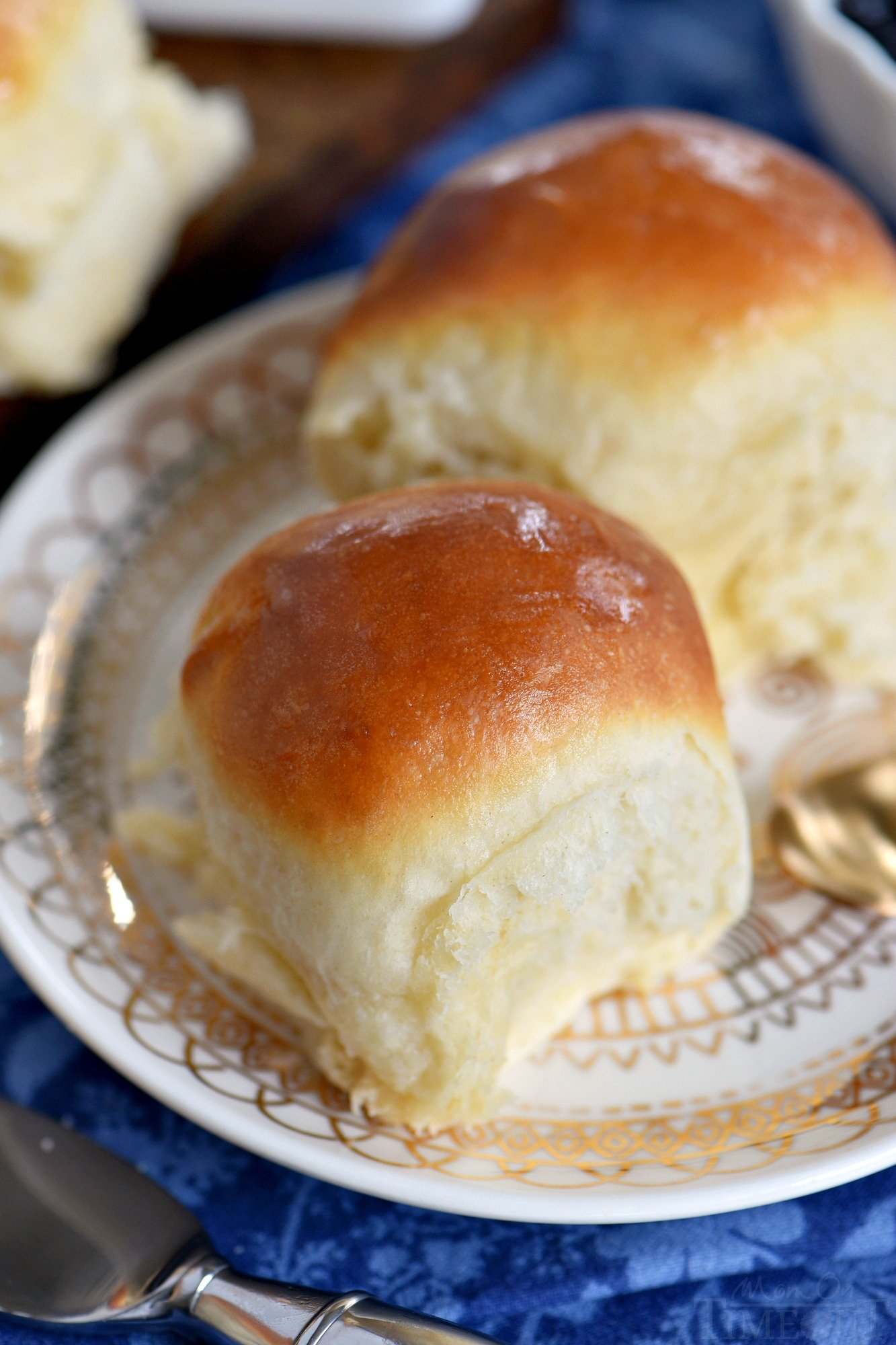
Source: Mom On Timeout
Yeast
Active yeast helps dough rise by producing carbon dioxide during fermentation.
Flour
Flour provides the structure needed to hold the air created by yeast.
Moisture
Milk, water, eggs, and butter help create a tender crumb.
The Role Of Dough Texture
The ideal dinner roll dough feels soft and smooth after kneading. It may cling slightly to your hands but should not be wet or impossible to shape. This balance allows the dough to expand while keeping a tender texture.
A dough that feels hard usually contains too much flour. A dough that spreads and cannot hold shape may need more structure through additional kneading or a small amount of flour.
Ingredients Needed For Homemade Dinner Rolls
Most homemade dinner rolls use basic pantry ingredients. The exact recipe can vary, but the purpose of each ingredient remains similar. Understanding each part helps you adjust recipes without losing the desired texture.
For a classic American-style dinner roll, bakers often use all-purpose flour, yeast, warm milk or water, butter, eggs, sugar, and salt. These ingredients create a soft roll that works well with everyday meals and special occasions.
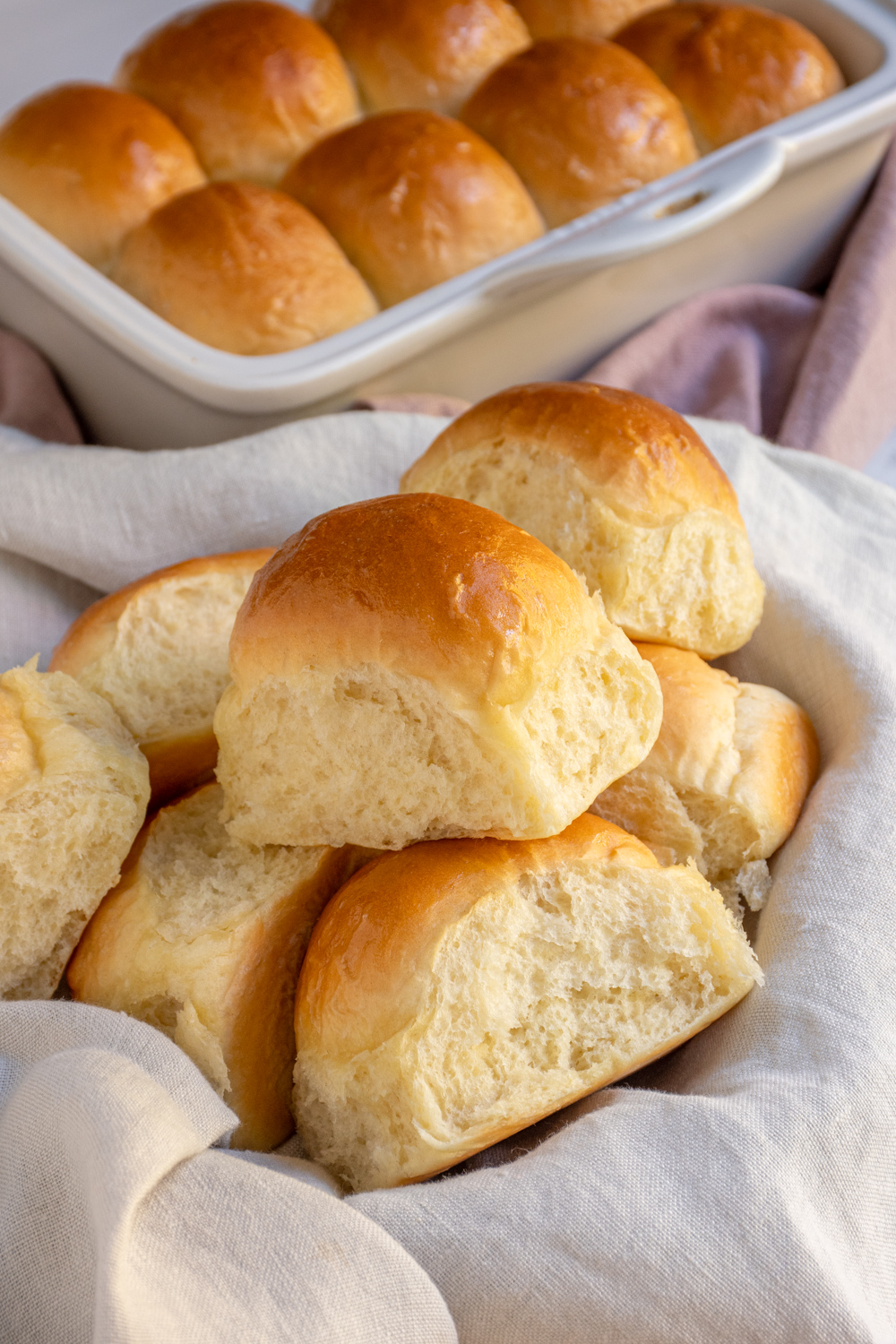
Source: joyfoodsunshine.com
All-purpose flour
Provides enough gluten for structure while keeping the rolls tender.
Yeast
Creates the rise that makes rolls airy instead of dense.
Butter or oil
Adds flavor and helps maintain softness.
Milk or water
Controls dough hydration and affects texture.
Fresh Yeast Versus Dry Yeast
Most home recipes use active dry yeast or instant yeast because both are widely available. Active dry yeast is commonly mixed with warm liquid before adding other ingredients, while instant yeast can usually be mixed directly into flour.
Yeast should be stored properly and used before its expiration date. Weak yeast may create slow rising or dense rolls even when the rest of the recipe is correct.
How To Make Homemade Dinner Rolls Step By Step
Making dinner rolls follows a predictable process. The key steps are mixing, kneading, rising, shaping, proofing, and baking. Each stage changes the dough in a different way.
Before starting, gather ingredients, measure flour carefully, and prepare a warm place for the dough to rise. A calm process usually produces better results than rushing the fermentation stage.
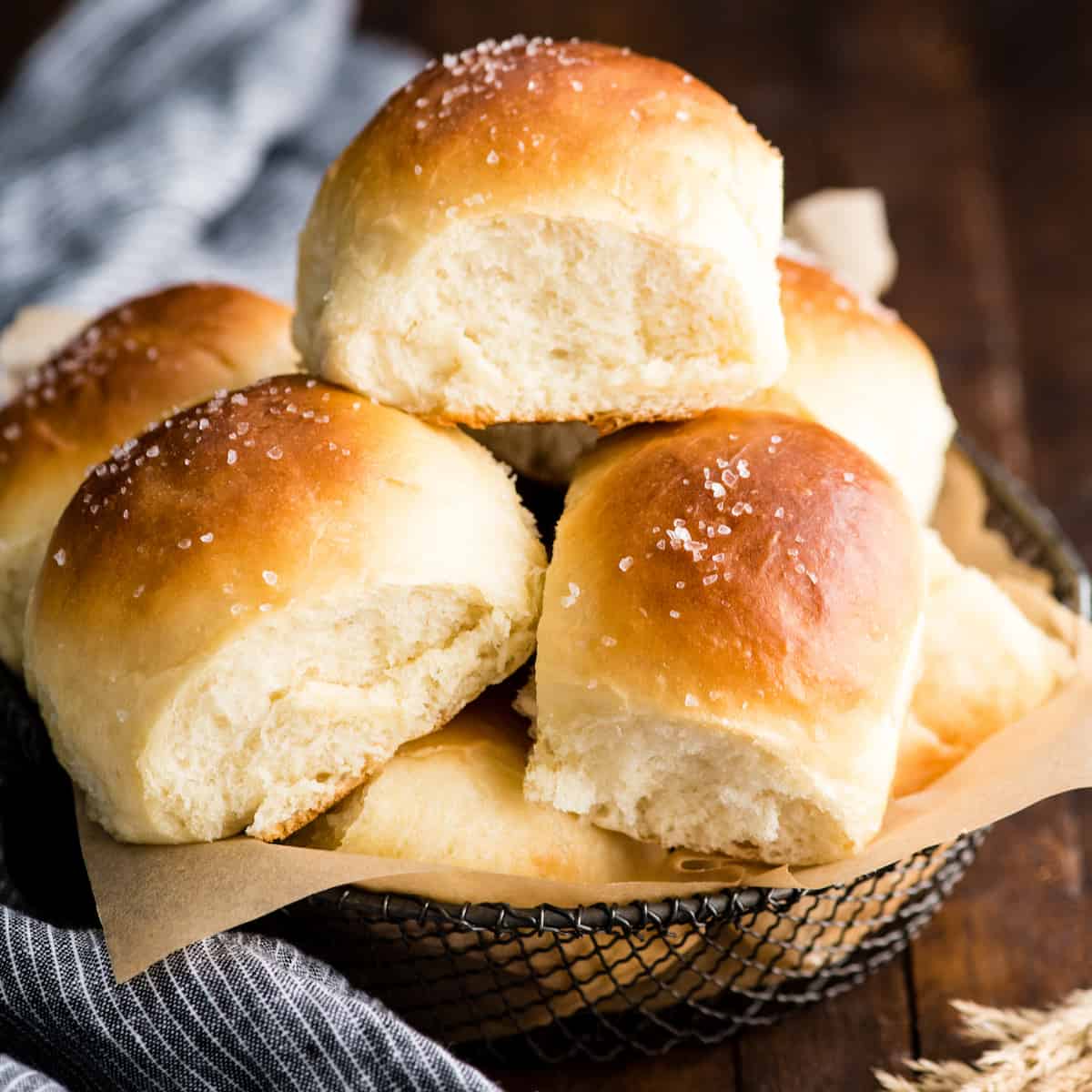
Source: veenaazmanov.com
Step 1: Activate yeast
Combine yeast with warm liquid when the recipe requires activation. The liquid should feel warm, not hot.
Step 2: Mix dough
Combine ingredients until a soft dough forms.
Step 3: Knead
Work the dough until it becomes smoother and more elastic.
Step 4: Let dough rise
Allow yeast to create air pockets and increase dough volume.
Step 5: Shape and bake
Divide dough into equal pieces, proof again, and bake until golden.
How To Know When Dough Has Risen Enough
A properly risen dough usually becomes noticeably larger and softer. A simple test is pressing a finger lightly into the dough. If the mark slowly springs back, the dough is often ready for the next step.
If the dough immediately collapses, it may have risen too long. If it quickly fills back in, it may need more time.
Common Homemade Dinner Roll Problems And Fixes
Most failed dinner rolls are caused by a small process mistake rather than a bad recipe. Checking the dough at each stage makes it easier to identify what went wrong.
The table below shows common symptoms and possible causes.
Source: www.pinterest.com
Dense rolls
Possible causes include inactive yeast, too much flour, or insufficient rising time.
Dry rolls
Possible causes include overbaking or adding more flour than needed.
Flat rolls
Possible causes include weak yeast or overproofing.
Pale rolls
Possible causes include low oven temperature or limited surface browning.
Why Are My Dinner Rolls Dense
Dense rolls usually mean the dough did not create or keep enough air. Start by checking yeast freshness, liquid temperature, and rising time.
Adding too much flour is another common issue. Flour measurements should be consistent because even a small excess can make dough heavy.
Frequently Asked Questions
Q
Can homemade dinner rolls be made ahead of time?
Yes. Many dinner roll recipes can be prepared ahead by refrigerating shaped dough before baking. The dough may need extra time to warm and complete its final rise before going into the oven.
Q
Why did my homemade dinner rolls not rise?
Common causes include expired yeast, liquid that was too hot or too cold, a cool rising environment, or insufficient fermentation time.
Q
Can I freeze homemade dinner rolls?
Yes. Baked rolls can usually be frozen after cooling. Store them in airtight packaging and warm them gently before serving for the best texture.
Q
How do I make dinner rolls softer?
Use the correct flour amount, avoid overbaking, and include ingredients such as milk, butter, or eggs when the recipe calls for them.
Q
Can I use whole wheat flour for dinner rolls?
Yes, but whole wheat flour absorbs more liquid and can create a denser texture. Many recipes use a blend of whole wheat and all-purpose flour for balance.
✦ Wrapping Up
Conclusion
Homemade dinner rolls become easier when you understand what the dough needs at each stage. The ingredients are simple, but small details such as yeast activity, flour amount, and rising time shape the final result.
Soft, warm rolls are built through patience and careful handling. Once you learn how the dough should look and feel, you can adjust recipes with more confidence for everyday meals and celebrations.
💡 Key Takeaway
Start with a simple yeast roll recipe, measure carefully, watch the dough instead of the clock, and make small adjustments based on texture and rise.
Discover easy vegetarian recipes for busy weeknights, including quick pasta, tacos, stir-fries, bowls, soups, and sheet-pan meals made with everyday ingredients.
Discover easy soup recipes for busy American weeknights, including chicken noodle, potato, vegetable, tomato, bean, and creamy soups with practical cooking tips.