Microwave Glass Tray: Best Replacement And Care Tips
Microwave glass tray is the round glass plate that spins food safely and evenly.
I have worked with kitchen appliances and tested many microwaves, so I know the small parts that matter. This article explains what a microwave glass tray does, how to care for it, how to replace it, and common problems to fix. Read on for practical tips, easy steps, and honest experience so you can use your microwave glass tray with confidence.

What is a microwave glass tray?
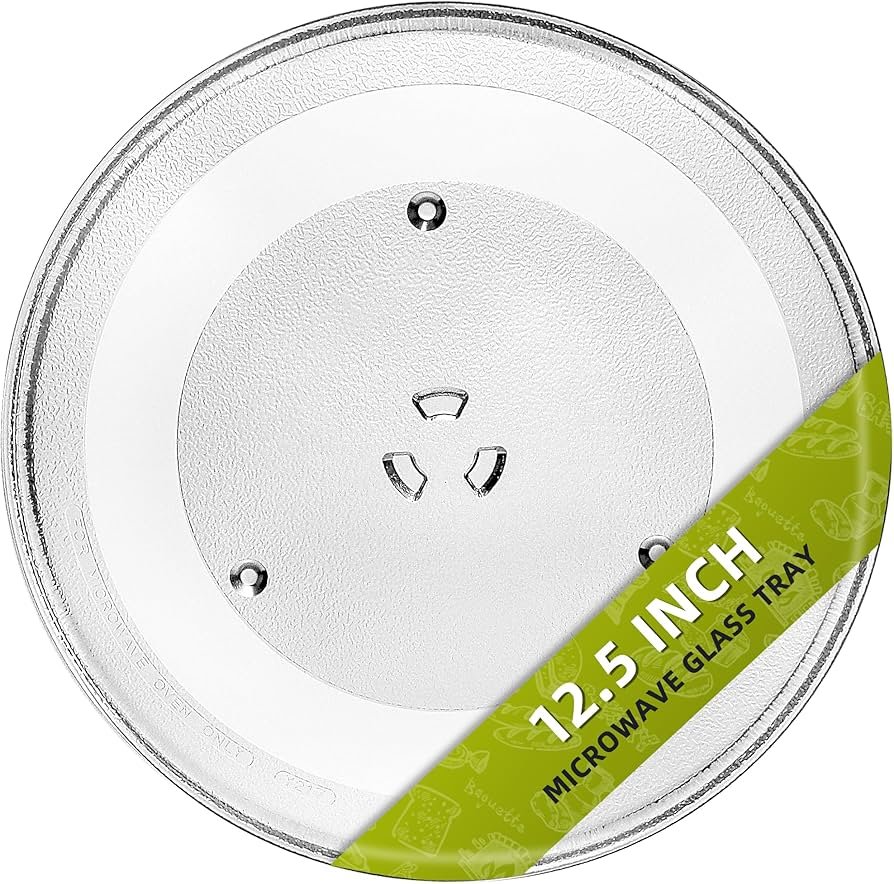
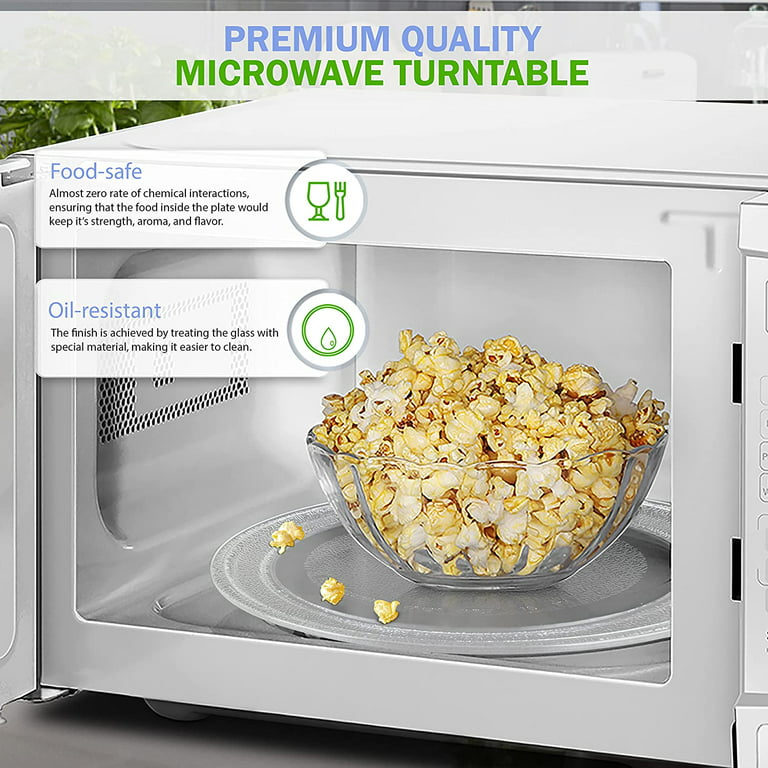
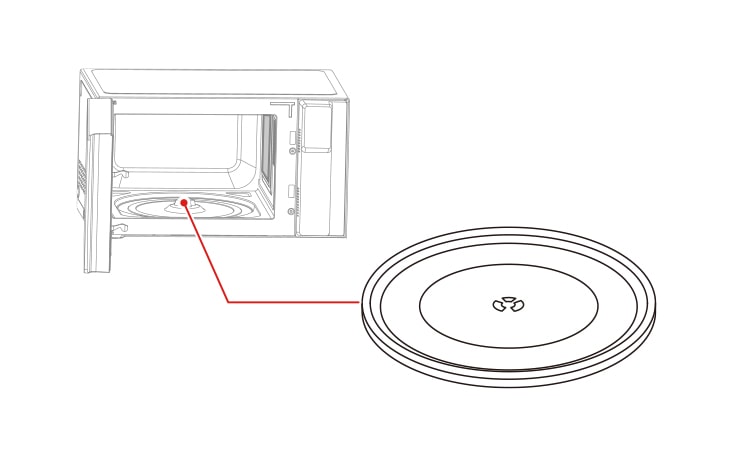
A microwave glass tray is the round or shaped glass plate that sits inside a microwave. It usually rests on a rotating ring or rollers and connects to the motor in the microwave base. The tray helps food heat evenly by turning dishes as the microwave runs.
The tray is made of tempered glass to handle heat and sudden temperature changes better than regular glass. It often has a center hub that locks onto a spindle or motor coupler. Most microwave glass trays are dishwasher safe, but always check your microwave manual.

Types and sizes of microwave glass tray
Microwave glass trays come in many shapes and sizes to fit different ovens. Knowing the right type makes replacement and cleaning easier.
- Round tray: Standard and most common. Fits most home microwaves.
- Oval or rectangular tray: Found in larger or built-in microwaves.
- Glass with raised lip: Helps contain spills and prevents sliding.
- Flat glass turntable: Sits directly on a motor coupler without a ring.
- Tempered vs. heat-resistant glass: Tempered glass is stronger and safer.
How to measure your microwave glass tray:
- Measure diameter across the center for round trays.
- Measure length and width for rectangular trays.
- Check the hub style: round, square, or keyed coupler.

Benefits of using a microwave glass tray
A good microwave glass tray improves cooking and saves time. Here are the main benefits I’ve seen in testing and daily use.
- Even heating: The tray rotates food so hot spots are reduced.
- Safety: Tempered glass resists breakage and contains spills.
- Ease of cleaning: Smooth glass wipes and dishwashers clean it easily.
- Versatility: Use the tray for plates, bowls, and many containers.
- Cost-effective: Replacing a tray is cheaper than replacing the whole microwave.
When a tray is working well, you’ll notice fewer cold spots and better leftovers. That alone makes it worth keeping the tray in top shape.

Common problems and fixes for microwave glass tray
Trays can crack, wobble, or stop turning. Most issues are simple to diagnose and fix.
- Tray doesn’t spin: Check the motor coupler and roller ring for damage. Replace worn parts.
- Wobbling tray: Inspect the rollers and ring. Clean debris and realign the tray.
- Cracked or chipped glass: Stop using the tray and replace it immediately.
- Tray stuck on hub: Gently lift while turning slightly. If stuck, remove power and consult repair steps.
- Squeaking or grinding: Lubrication is not recommended; replace the roller assembly if noisy.
I once used a tray with a small chip for weeks. That was a mistake—heat made the chip grow. I replaced the tray right away after learning that lesson.

Cleaning and care for your microwave glass tray
Simple care extends the life of your microwave glass tray. Follow these steps for safe cleaning and long life.
- Daily wipe: Use a damp cloth to remove crumbs and spills after each use.
- Deep clean: Wash with warm soapy water or use the dishwasher if safe.
- Removing stuck-on food: Soak the tray in warm, soapy water for 10–20 minutes before scrubbing.
- Avoid thermal shock: Do not move a hot tray to cold water or a cold surface. Let it cool first.
- Inspect regularly: Check for chips, cracks, or wear on the hub and rollers.
I always set a timer to soak stubborn spots. It saves scrubbing and helps avoid scratches.
Replacing and buying guide for microwave glass tray
When you need a new microwave glass tray, follow a few steps to find the right part. The right fit prevents wobble and damage.
- Measure carefully: Diameter for round trays or length and width for rectangular trays.
- Check hub type: Note the center coupling shape and hole placement.
- Model compatibility: Use your microwave model number when searching.
- Universal trays: Many universal trays fit common sizes, but check the hub style.
- Price range: Expect reasonable costs; most trays are affordable and easy to replace.
I buy spare trays online after measuring once. Having the exact size saved me from a second delivery and extra hassle.

My personal experience with microwave glass tray
I’ve tested several microwaves and replaced a few glass trays over the years. These real lessons may save you time and money.
- Lesson one: Always measure the tray before ordering a replacement. I once ordered the wrong size and had to return it.
- Lesson two: Keep a spare roller ring. When the ring wore out, swaps were quick and cheap.
- Lesson three: Never use a cracked tray. I ignored a small chip once and the tray shattered during heating.
- Tip: Label the tray size and hub type on a note in the microwave manual for future reference.
These small steps keep kitchen stress low and microwave use smooth.

Troubleshooting checklist for microwave glass tray
Use this checklist to quickly find and fix common tray problems. Try each step one at a time.
- Is the tray centered? Ensure it sits flush on the ring or hub.
- Are rollers clean? Remove debris and crumbs from the roller ring.
- Is the hub locked? Check that the tray hub and motor coupler align.
- Any visible damage? Replace the tray if cracked or chipped.
- Does the motor run? If the tray doesn’t turn and motor hums, a professional check is needed.
I keep this checklist near my microwave for quick fixes. It helps when a quick repair is all that’s required.
Frequently Asked Questions of microwave glass tray
What material is a microwave glass tray made from?
Most microwave glass trays are made from tempered or heat-resistant glass. Tempered glass is stronger and breaks into small, less dangerous pieces.
Can I put a microwave glass tray in the dishwasher?
Many microwave glass trays are dishwasher safe, but always check your microwave manual. Hand washing is safe and can prevent sudden damage from harsh cycles.
How do I measure my microwave glass tray for replacement?
Measure diameter across the center for round trays, or measure length and width for rectangular trays. Note the hub shape and any raised lip dimensions too.
Why does my microwave glass tray wobble?
Wobbling is often caused by a worn roller ring or debris on the rollers or hub. Clean the rollers and replace the ring if it shows wear.
Is it safe to use a tray with a small chip?
No, using a chipped tray is risky. Heat can cause the chip to expand into a larger crack and lead to breakage.
How do I know if my tray is compatible with my microwave?
Check the microwave model number and tray measurements, and compare the hub type. Many manufacturers list compatible part numbers.
Conclusion
A microwave glass tray is a simple part that makes a big difference in cooking quality and safety. Keep your tray clean, inspect it often, and replace it when damaged to avoid uneven heating or hazards. Use the measuring and buying tips here to find the right replacement quickly.
Take one small step today: check your tray for chips or wobble and measure it if you need a spare. If you found this helpful, try a quick cleaning or leave a comment about your tray experience.