Microwave Keep Warm: 9 Tips To Keep Food Hot Longer
Microwave keep warm holds cooked food at a low heat to preserve warmth without overcooking.
I’ve tested dozens of microwaves, repaired a few, and taught appliance safety classes. This article explains how the microwave keep warm feature works, when to use it, its limits, and practical tips to keep food safe and tasty. Read on for clear, expert guidance you can use at home or in the office.

How the microwave keep warm feature works
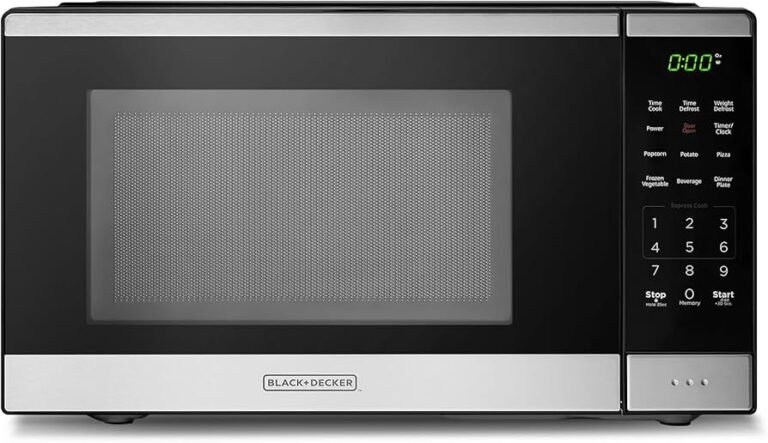
Microwave keep warm uses low power or intermittent cycles to maintain food temperature. The oven runs at reduced wattage or pauses between short bursts of heating. This slows heat loss while avoiding further cooking.
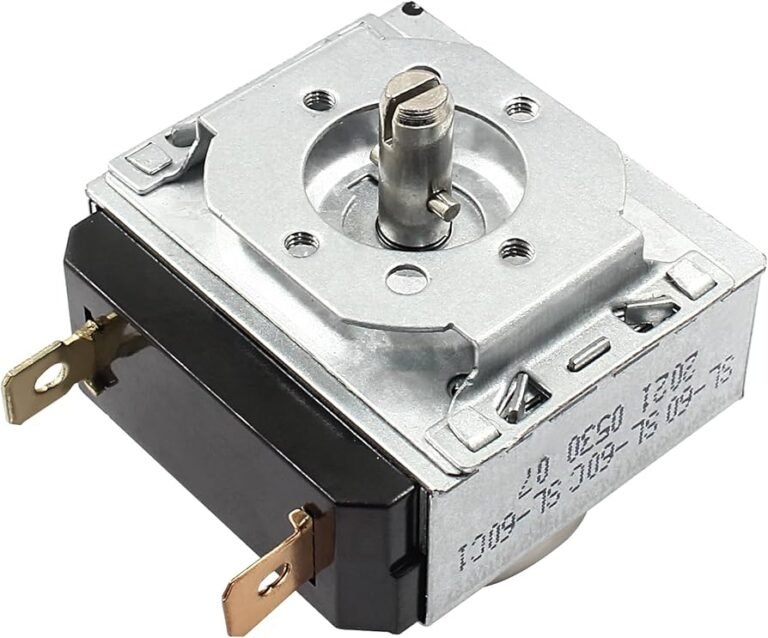
Most modern microwaves use a sensor or timer to control keep warm. Sensors measure steam or temperature and adjust cycles to stay near the target. Older models use fixed low-power settings and timers.
Key components that enable the keep warm mode:
- Power control circuitry that lowers wattage
- Timers that alternate heating and resting
- Sensors on some models that detect moisture or temperature
Understanding the mechanism helps you choose safer hold times and avoid soggy or dried-out food when using microwave keep warm.
Benefits of using microwave keep warm
Using the microwave keep warm feature saves time and reduces food waste. It keeps meals ready to serve without repeated reheating. Here are common benefits:
- Keeps food at safe serving temperatures for short periods
- Preserves texture better than constant high heat
- Reduces energy use compared to frequent full reheat cycles
- Convenient for buffet-style serving and staggered family meals
When used correctly, microwave keep warm extends meal flexibility and cuts down on extra cooking.

Limitations and risks of microwave keep warm
Keep warm is not a substitute for refrigeration. Holding food too long at warm temperatures can allow bacterial growth. The safe zone for hot holding is 140°F (60°C) or above; many keep warm settings hover near this boundary.
Common limitations:
- Inconsistent temperatures across dense foods
- Drying or over-softening of textures over time
- Risk of food staying too cool for safety if the microwave set point is low
Limit holding time. Use keep warm for short periods only. If you must hold food longer than one to two hours, cool and refrigerate, then reheat before serving.

How to use microwave keep warm effectively
Use clear, simple steps to get the best from microwave keep warm. Follow these tips.
- Cover food with a vented lid or microwave-safe wrap to reduce moisture loss.
- Stir or rotate dishes every 10 to 15 minutes to even temperature.
- Use shallow, wide containers for even heat distribution.
- Check the internal temperature with a food thermometer to ensure 140°F (60°C) or higher.
- Avoid holding dairy, eggs, or seafood for long periods on keep warm.
Practical routine for a family dinner:
- Fully cook food to safe temperatures.
- Set microwave to keep warm and place covered dishes inside.
- Monitor every 15 minutes and serve within 1–2 hours.
These easy steps improve safety and food quality when you rely on microwave keep warm.

Common quick questions about timing and safety
How long can I safely use microwave keep warm?
- Use keep warm for up to 1–2 hours. Beyond that, cool and refrigerate food and reheat when needed.
Does microwave keep warm kill bacteria?
- No. Keep warm maintains temperature; it does not reliably kill bacteria. Cooking to safe temperatures kills pathogens; holding prevents rapid cooling if above 140°F (60°C).

Source: amazon.com
Troubleshooting and tips for better results
If your microwave keep warm fails or makes food soggy, try these fixes.
- If food gets cold, check the microwave’s power settings and sensor function.
- If food dries out, add a tablespoon of water under or over food and cover loosely.
- If texture is uneven, transfer to a shallower dish and stir periodically.
- Clean the microwave regularly to ensure sensors and vents work well.
When repairs are needed:
- Replace faulty doors, seals, or sensors promptly.
- If your microwave frequently underperforms on keep warm, have a technician check power regulation.
These tips can save meals and extend appliance life while using microwave keep warm often.

Personal experience and practical lessons
I once relied on microwave keep warm during a catered family event. The feature kept side dishes hot for an hour while guests arrived. I learned that shallow trays and frequent stirring made the biggest difference.
Lessons I share from real use:
- Never trust keep warm for long-term holding of high-risk foods.
- A simple thermometer is one of the best investments for safe hot holding.
- Small adjustments, like using a vented cover, change outcomes dramatically.
If you adopt these habits, microwave keep warm becomes a reliable part of your kitchen routine.

Frequently Asked Questions of microwave keep warm
How long can I safely keep food on microwave keep warm?
Use microwave keep warm for short holds, ideally up to 1–2 hours. For longer storage, cool food quickly and refrigerate.
Is it safe to keep soup on microwave keep warm?
Yes if the soup stays at or above 140°F (60°C) and you stir it periodically. If temperature dips below that, cool and refrigerate, then reheat.
Will microwave keep warm overcook my food?
It can if the setting uses intermittent high pulses or if the food is delicate. Use low settings and check texture regularly to avoid overcooking.
Can I leave microwave keep warm on overnight?
No. Leaving keep warm on overnight risks bacterial growth and appliance strain. Always avoid unattended long holds.
Does covering food help with keep warm?
Yes. Covering with vented microwave-safe lids reduces moisture loss and keeps temperature more stable. Remove cover briefly to check and stir.
Conclusion
Microwave keep warm is a handy feature when used with care. It keeps food ready to serve, saves time, and reduces reheating. Use shallow dishes, cover food, check temperatures, and limit hold time to avoid safety issues.
Try a short test at home: cook a familiar dish, use keep warm for 30–60 minutes, and note texture and temperature changes. Share your experience or questions below and subscribe for more practical kitchen tips.