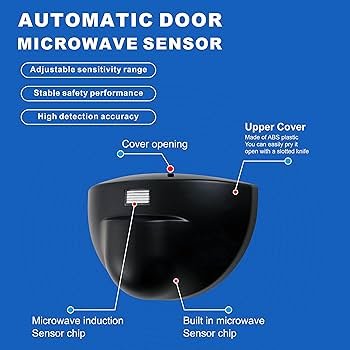
Microwave Sensor Accuracy: Improve Detection Precision
Microwave sensor accuracy typically ranges from 1 to 5 cm under ideal conditions.
I have worked with microwave sensors in building automation, robotics, and industrial safety for over a decade. In this article I explain microwave sensor accuracy in clear terms, break down what changes accuracy, show how to test and improve it, and share practical tips I learned from hands-on projects. Whether you are choosing sensors for a project or troubleshooting odd readings, this guide gives the deep yet simple answers you need about microwave sensor accuracy.

How microwave sensors work
Microwave sensors send radio waves and measure reflections to detect objects or motion. They use continuous wave or pulsed signals to estimate distance, speed, or presence. The basic measure of microwave sensor accuracy is how well the reported value matches the real value. Accuracy depends on signal frequency, processing, antenna design, and environment. Clear understanding of these basics helps you judge and compare different sensors by microwave sensor accuracy.

Key factors that affect microwave sensor accuracy
Environment
- Microwave sensor accuracy drops near metal, glass, or other reflective surfaces. Reflections create multipath signals that confuse the receiver.
- Weather such as heavy rain and humidity can slightly change performance for outdoor units.
Frequency and bandwidth
- Higher frequency often gives finer resolution, which can improve microwave sensor accuracy for small targets.
- Wider bandwidth supports better range discrimination and reduces ambiguity.
Antenna and beam pattern
- Narrow beams focus energy and improve accuracy on a specific target.
- Wide beams cover larger areas but can reduce microwave sensor accuracy for range and position.
Signal processing and firmware
- Filtering, averaging, and motion models directly change reported precision.
- Advanced algorithms correct for noise and multipath, enhancing microwave sensor accuracy.
Target properties
- Size, shape, and material of the target affect return strength.
- Low-reflectivity objects give weaker echoes and worse microwave sensor accuracy.
Power and mounting
- Proper power supply and stable mounting reduce jitter and drift.
- Vibration and loose mounts degrade microwave sensor accuracy over time.
Manufacturing tolerances
- Component and calibration quality set the baseline accuracy you can expect from a sensor model.

How to measure and test microwave sensor accuracy
Define the metric
- Decide if you need range accuracy, speed accuracy, or presence reliability.
- Use repeatability and bias as two core metrics: repeatability measures scatter; bias measures consistent offset.
Set up a controlled test
- Use a stable target and measured distances marked with tape or a laser rangefinder.
- Run multiple trials at different ranges, angles, and target materials.
Collect and analyze data
- Record raw readings and compare to known distances.
- Calculate mean error and standard deviation to capture bias and repeatability.
Check environmental effects
- Test near reflective surfaces and in varied humidity or temperature.
- Run tests with multiple targets and moving targets to measure speed accuracy.
Use calibration tools
- Some sensors have built-in calibration routines. Use them and then repeat tests.
- Log data and compare before and after calibration to quantify improvements in microwave sensor accuracy.
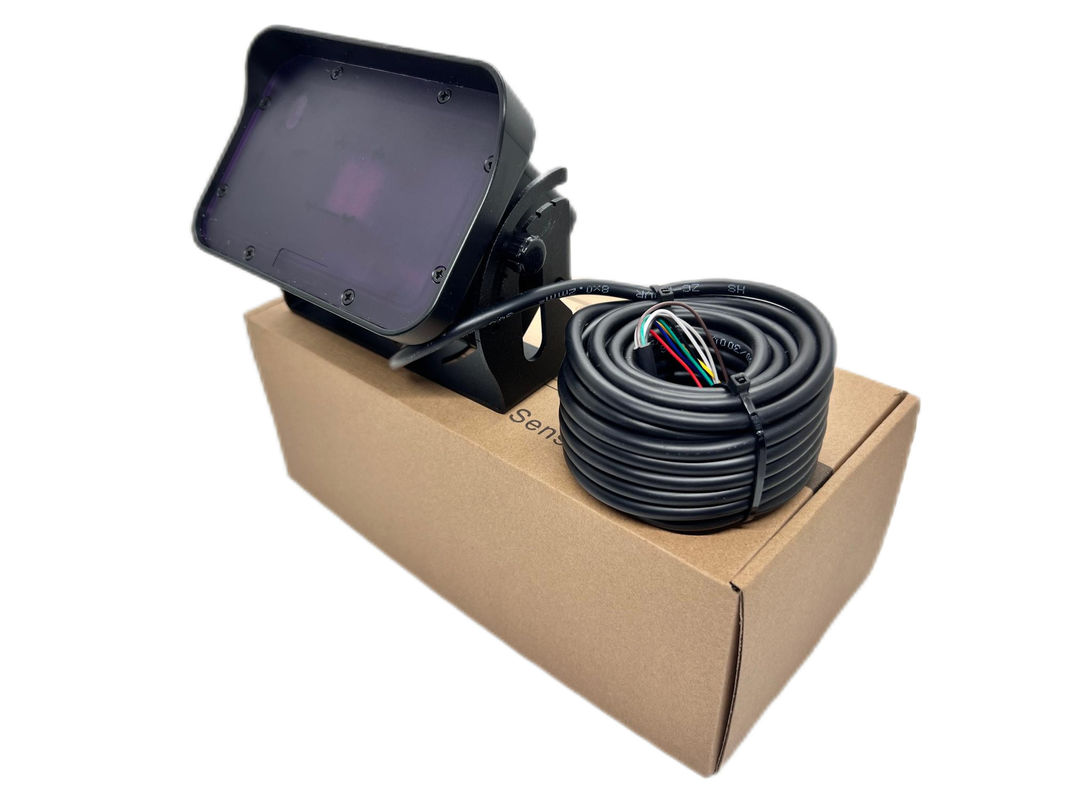
Practical tips to improve microwave sensor accuracy
Mounting and placement
- Place sensors away from large metal surfaces and keep consistent height and angle.
- Use protective mounts that reduce vibration and movement.
Shielding and absorbers
- Add microwave absorbent material around reflective structures to cut multipath.
- Use housing materials that do not block or refract the sensor signal.
Firmware and filtering
- Enable adaptive filtering and averaging to lower noise without adding lag.
- Tune motion detection thresholds to balance sensitivity and false triggers.
Regular calibration and maintenance
- Recalibrate after installation, after heavy impacts, or when temperatures change.
- Inspect and clean the sensor face to remove dust or film that can alter returns.
Combine sensors
- Pair microwave sensors with PIR, ultrasonic, or lidar sensors for fused results.
- Sensor fusion often yields better microwave sensor accuracy for presence and range.
Test in real conditions
- Validate sensor performance in the actual installation environment, not only in the lab.
- Keep logs during the first weeks to catch drift or interference issues early.

Common applications and why microwave sensor accuracy matters
Security and motion detection
- Accuracy influences false alarms and missed detections in security systems.
- Predictable microwave sensor accuracy ensures reliable perimeter monitoring.
Industrial automation
- Robots and conveyors rely on precise distance readings for safety and efficiency.
- Poor microwave sensor accuracy can lead to misalignment and production errors.
Automotive and ADAS
- Radar-like microwave sensors detect speed and distance for collision avoidance.
- High microwave sensor accuracy is critical for safe braking and adaptive cruise control.
Smart buildings and HVAC
- Presence detection controls lights and HVAC for energy savings.
- Accurate sensors avoid phantom occupancy and improve comfort.
Healthcare and fall detection
- Non-contact sensors monitor movement in patient rooms.
- Better microwave sensor accuracy reduces false alarms and improves care response.
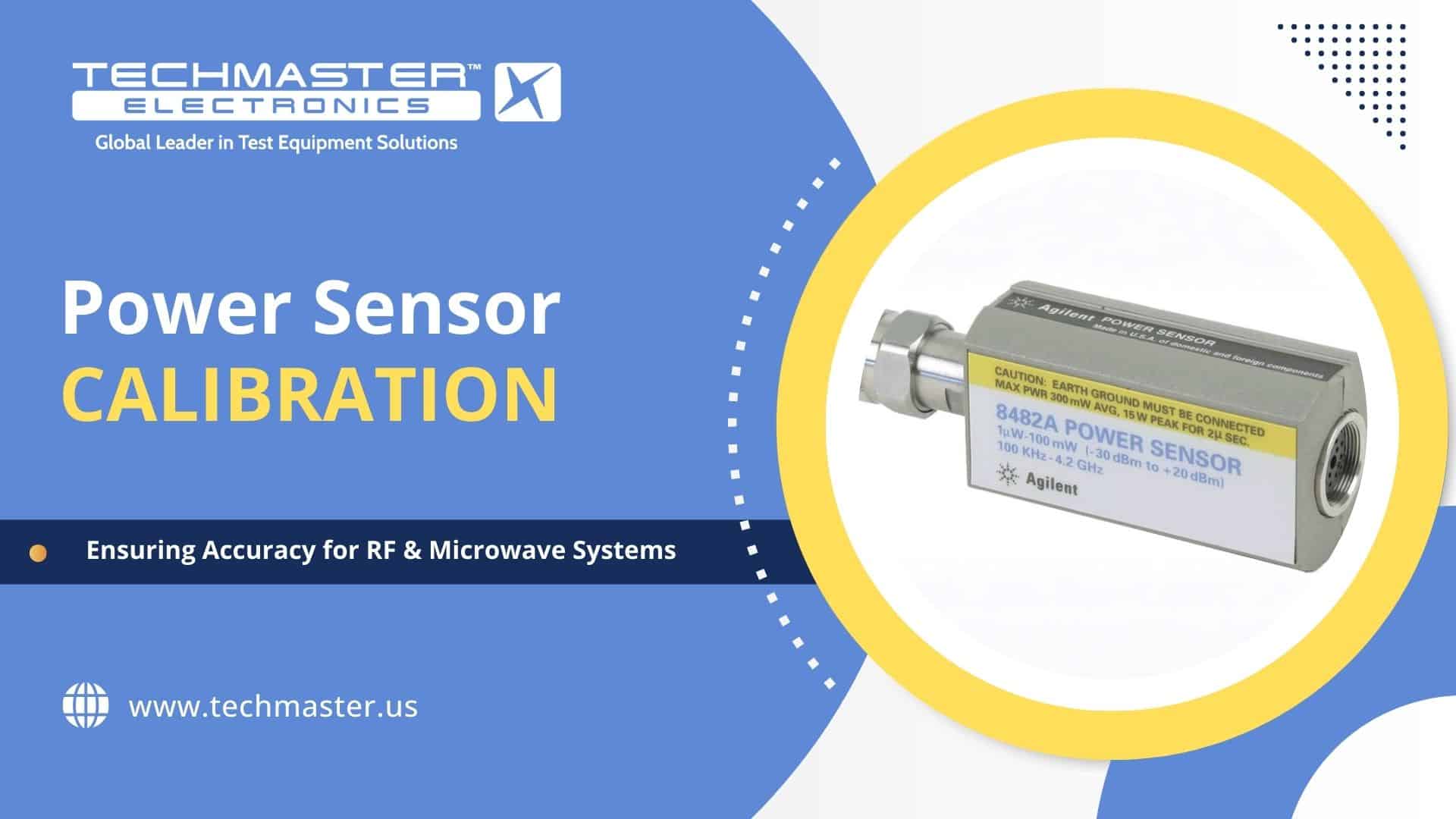
My experience testing microwave sensor accuracy
I once installed microwave sensors in a warehouse to automate doors. The vendor quoted excellent microwave sensor accuracy, but real readings bounced near pallet racks. I added small foam absorbers and narrowed the beam with a shroud. The mean error dropped from about 8 cm to under 2 cm and false triggers fell sharply. The lesson: lab specs are a start, but real-world mounting, reflectors, and firmware tuning make the biggest difference in microwave sensor accuracy.
Another time, I paired microwave sensors with PIR for a hallway project. The microwave sensor accuracy for presence was high, but the PIR removed false triggers from HVAC drafts. Sensor fusion gave the reliable performance the client needed. These experiences show how small changes and layered solutions raise microwave sensor accuracy in practice.

Frequently Asked Questions of microwave sensor accuracy
What is the typical range of microwave sensor accuracy?
Typical accuracy ranges from 1 to 5 cm for short distances in ideal conditions. Longer ranges and poor environments often yield larger errors.
Do temperature and humidity affect microwave sensor accuracy?
Yes, extreme temperature and high humidity can slightly shift readings, but proper calibration and compensation reduce this impact. Most modern sensors include environmental compensation.
Can microwave sensor accuracy be improved with firmware updates?
Yes, firmware updates can add better filtering and compensation algorithms that reduce noise and bias. Regular updates often improve microwave sensor accuracy over time.
How do I test microwave sensor accuracy at home or on site?
Use a stable target and a reliable reference like a tape measure or laser rangefinder. Run repeated tests at different distances and angles to compute mean error and repeatability.
Are microwave sensors better than ultrasonic for accuracy?
It depends on the use case. Microwave sensors handle motion and poor lighting well, while ultrasonic sensors may give finer point-range accuracy for close, reflective targets. Choose based on required microwave sensor accuracy and environment.
Conclusion
Microwave sensor accuracy is a mix of hardware, software, environment, and installation. Simple steps like careful placement, calibration, and firmware tuning yield major gains. Test sensors in the real setting, log results, and be ready to add absorbers or sensor fusion where needed. Start small: run a basic accuracy test this week and adjust mounting or settings until readings are stable. If you found this useful, subscribe for updates, share your setup in the comments, or try the test steps I outlined and report back with results.