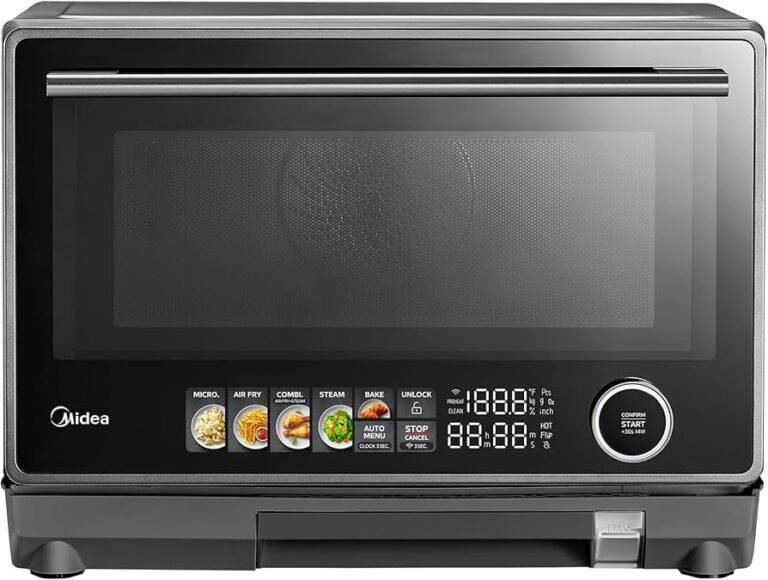
Microwave Smells After Cooking: Easy Fixes That Work
Microwave smells after cooking usually come from spilled food, steam, and trapped odors.
I’ve cleaned dozens of kitchens and tested simple fixes that work. This guide explains why microwave smells after cooking appear, when they are harmless, and when they signal a safety issue. Read on for step-by-step cleaning methods, prevention habits, and real-life tips you can use right away.
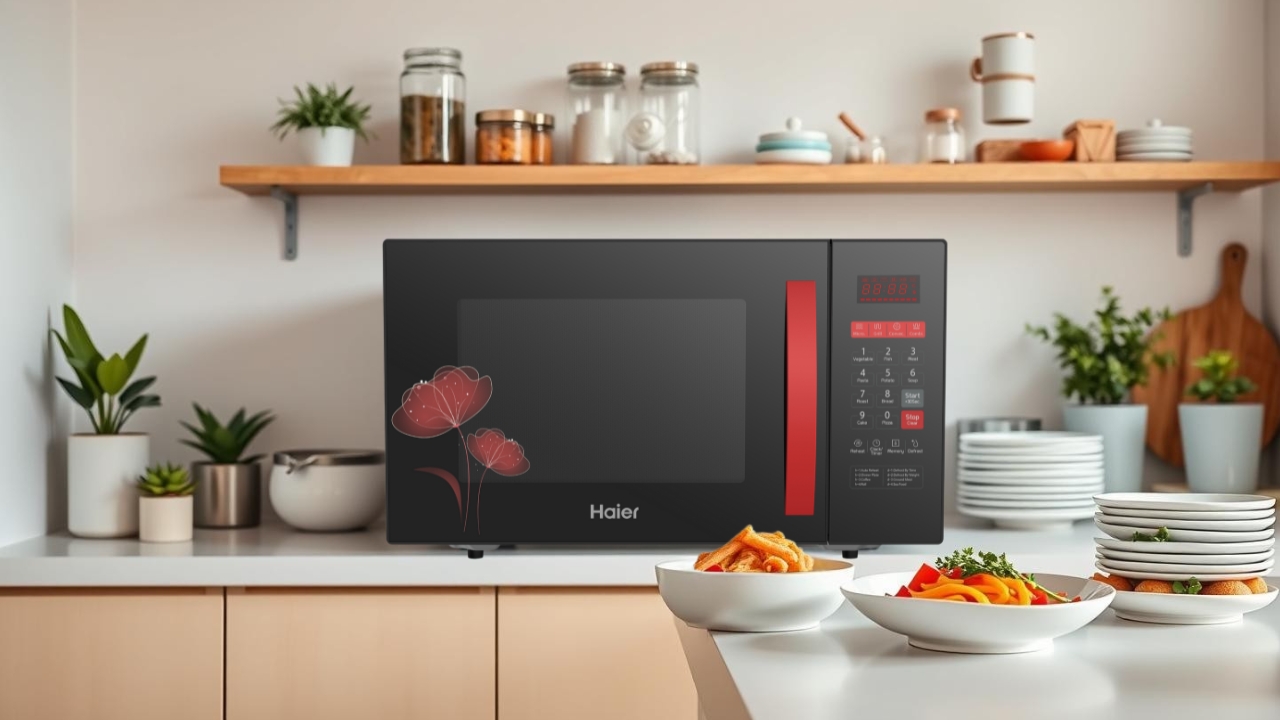
Why your microwave smells after cooking
Food and steam leave behind tiny particles. These particles stick to walls and the turntable. Over time the trapped bits make the microwave smell.
Common causes:
- Food splatters and spills that carbonize when reheated.
- Grease from fried foods that coats surfaces.
- Strong spices and onions that cling to plastic and seals.
- Steam carrying odor molecules into vents and crevices.
- Old containers or reheated leftovers that release odors.
- Plastic or disposable containers that leach smells when hot.
- Burnt food or overheated liquids that create a persistent odor.
- Built-up residue around the door seal and vent areas.
Why this matters:
- Smells reduce food enjoyment.
- Some odors mean burned food or melted plastic — a safety risk.
- Regular cleaning prevents stubborn, lingering smells.
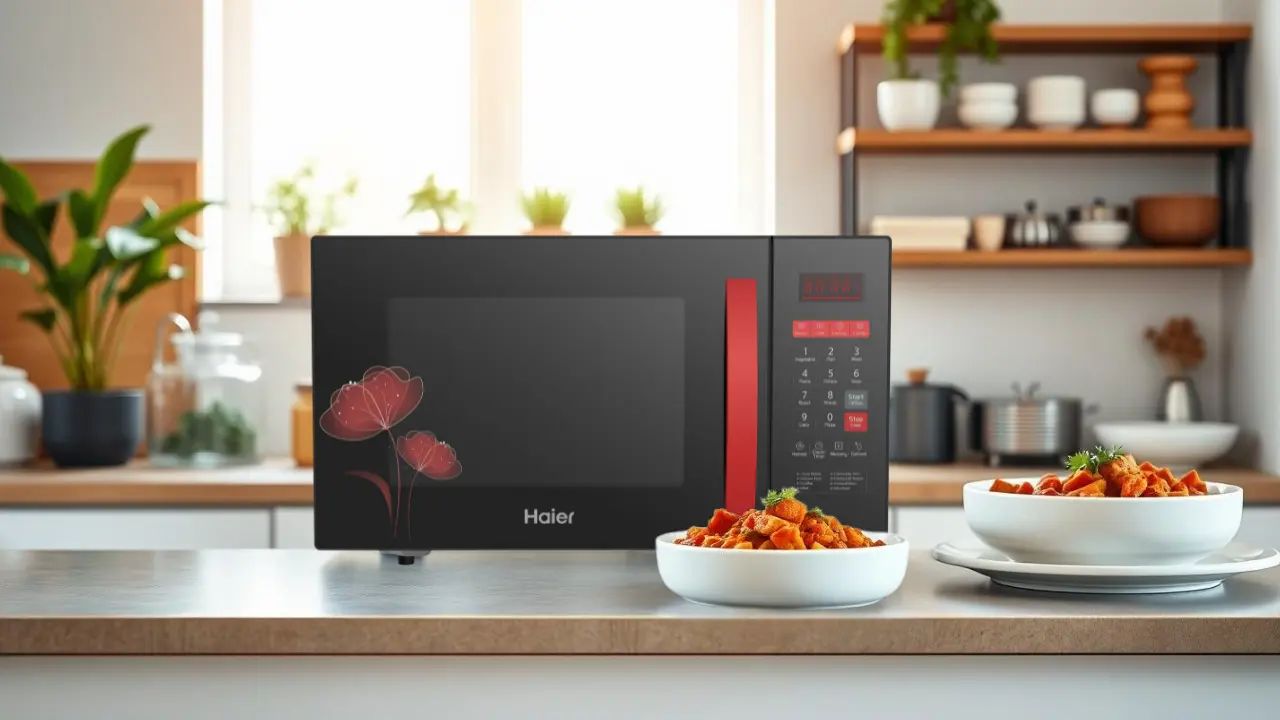
Quick fixes to remove microwave smells after cooking
Try these fast methods when smells appear after cooking. They are safe and use common household items.
Steam-clean with vinegar:
- Fill a microwave-safe bowl with 1 cup water and 1 cup white vinegar.
- Microwave on high for 5 minutes so the steam loosens grime.
- Let it sit 2 minutes, then wipe the interior with a damp cloth.
Lemon steam method:
- Slice a lemon and put slices in a bowl with water.
- Microwave 3–4 minutes, let steam sit for a minute, then wipe.
- Lemon leaves a fresh scent and removes light grease.
Baking soda deodorizer:
- Mix 2 tablespoons baking soda with water to form a paste.
- Apply to stubborn spots, let sit 10 minutes, then scrub gently.
- Leave an open box of baking soda inside overnight to absorb odors.
Other fast options:
- Coffee grounds or activated charcoal in a bowl overnight to trap odors.
- Wipe turntable, walls, and door with a mix of mild dish soap and warm water.
- Clean the door seal carefully; trapped food there causes many smells.

Deep clean routine to prevent microwave smells after cooking
A regular deep clean stops smells from returning. Do this monthly or sooner if you cook strong-smelling foods often.
Step-by-step deep clean:
- Unplug the microwave before deep cleaning.
- Remove turntable and roller ring. Wash in warm soapy water.
- Clean interior walls with a vinegar-water mix or mild cleaner.
- Use a soft brush or cotton swab for vents and crevices.
- Clean the door and gasket thoroughly to remove trapped food.
- Dry all parts and leave the door open for 10–15 minutes to air out.
Maintenance schedule:
- Wipe spills immediately after cooling to prevent burning.
- Do a steam clean weekly if you reheat strong-smelling foods.
- Replace charcoal filters if your model has a recirculating vent.
- Check seals for damage and replace if necessary.

When microwave smells after cooking mean a problem
Some smells need quick action. Learn these warning signs.
Burnt or electrical odor:
- A sharp, acrid smell often means something burned or an electrical issue.
- Turn off and unplug the microwave. Inspect for burn marks or damaged wiring.
- If you see smoke or sparks, do not use the microwave again. Call a professional.
Plastic-melting smell:
- Strong chemical odors can mean plastic is overheating or melting.
- Remove the offending container and dispose of it if warped.
- Avoid using thin plastic or non-microwave-safe boxes.
Persistent odors despite cleaning:
- If professional cleaning does not help, filters or internal components may be saturated.
- Consider service or replacement when smells persist for months.
:max_bytes(150000):strip_icc()/gettyimages-98471689-2000-59405d1875aa4414ac887a10dfb4c0d1.jpg)
Troubleshooting persistent microwave smells after cooking
If odors stay after cleaning, try these targeted fixes.
Replace or clean filters:
- Some microwaves have charcoal filters that absorb odors. Replace every 6–12 months.
- Clean external vents and range hood filters to stop recirculating smells.
Deep deodorizing:
- Place activated charcoal or baking soda in the microwave overnight repeatedly.
- Run a lemon or vinegar steam cycle before leaving the deodorizer inside.
Professional service:
- If the smell is electrical or you see smoke marks, get a certified repair technician.
- Consider replacing the microwave if repairs are costly or the unit is old.
Personal experience and practical tips
I once reheated a casserole that splattered on the ceiling of my microwave. I left it a week too long. The smell stayed. A vinegar steam clean and a night with baking soda cleared it in two days. Lesson learned: wipe spills immediately. Also, I now use a small covered dish to reduce splatter when reheating.
Practical tips you can use:
- Use microwave-safe lids or paper towels to reduce splatters.
- Reheat on lower power for longer to avoid boil-overs.
- Keep a small box of baking soda in the kitchen for quick odor control.

Best practices to prevent microwave smells after cooking
Simple habits stop smells before they start.
Everyday habits:
- Cover food when heating.
- Clean spills right away.
- Air the microwave by leaving the door open for a few minutes after use.
- Use glass or ceramic instead of plastic when possible.
Long-term habits:
- Deep clean monthly.
- Check and replace filters as needed.
- Avoid reheating foods that are prone to strong odors without a lid.
Frequently Asked Questions of microwave smells after cooking
Why does my microwave smell like burnt food after cooking?
A burnt smell usually comes from food particles that burned on the interior. Steam cleaning with vinegar and scrubbing the turntable and walls can remove the residue and the smell.
Can I use lemon or vinegar to remove microwave smells after cooking?
Yes. Both create steam that loosens grime and neutralizes odors. Vinegar is stronger for grease; lemon leaves a fresh scent.
How long will smells last in a microwave after cooking?
Light odors fade after a few cleanings or overnight with an odor absorber. Strong or burned smells may take several cleanings or replacement of filters to disappear.
Is it safe to use bleach or strong chemicals in the microwave?
No. Strong chemicals can leave dangerous residues. Use mild dish soap, vinegar, lemon, or baking soda for safe cleaning.
When should I stop using my microwave because of smells?
Stop using it if you smell burning plastic, see smoke, or find damaged wiring. Unplug the microwave and get professional help.
Will leaving the microwave door open help remove smells?
Yes. Airing the microwave for a few minutes after cleaning helps odors dissipate. It’s a simple habit that works well.
Conclusion
Microwave smells after cooking are common and usually easy to fix. Clean spills quickly, use steam cleaning with vinegar or lemon, and keep an odor absorber on hand. If you ever smell burning plastic or electrical scents, stop using the appliance and seek help. Try one of the quick methods today and make a small cleaning habit to keep your microwave fresh. If this guide helped, try a steam clean now, subscribe for more kitchen tips, or leave a comment with your microwave odor story.