Microwave Wattage Comparison: Choose The Right Power
Most microwaves range from 600W to 1200W; higher watts cook faster and more evenly.
I’ve tested dozens of ovens and studied specs to explain microwave wattage comparison clearly. This guide shows how wattage affects cooking, how to test your unit, and which watt level fits your kitchen. Read on for practical tips, real tests, and simple rules you can use tonight to get better results from your microwave.
How microwave wattage works
Wattage measures how much power the microwave delivers. A higher wattage means more energy reaches the food every second. That boosts heating speed and can improve texture and safety when reheating leftovers.
Key points about microwave wattage comparison:
- Wattage equals cooking power, not size or internal volume.
- Magnetron output and duty cycle affect true available power.
- Recipe times assume a certain wattage, so mismatch changes results.
I’ve learned the hard way that two ovens on the same shelf can behave very differently because their rated wattage and internal design vary. Learning the basics of wattage makes following recipes easier and gives you more control over food quality.

Common wattage ranges and what they mean
Most home microwaves fall into clear ranges. Each range suits different users and tasks.
Typical ranges and quick notes:
- 600 to 700 watts: Good for simple reheating and light use. Slow for dense foods.
- 800 to 900 watts: A common sweet spot for families. Faster and more consistent.
- 1000 to 1200 watts: Powerful choice for quick cooking and even results.
- Above 1200 watts: Rare in small microwaves; often seen in commercial units.
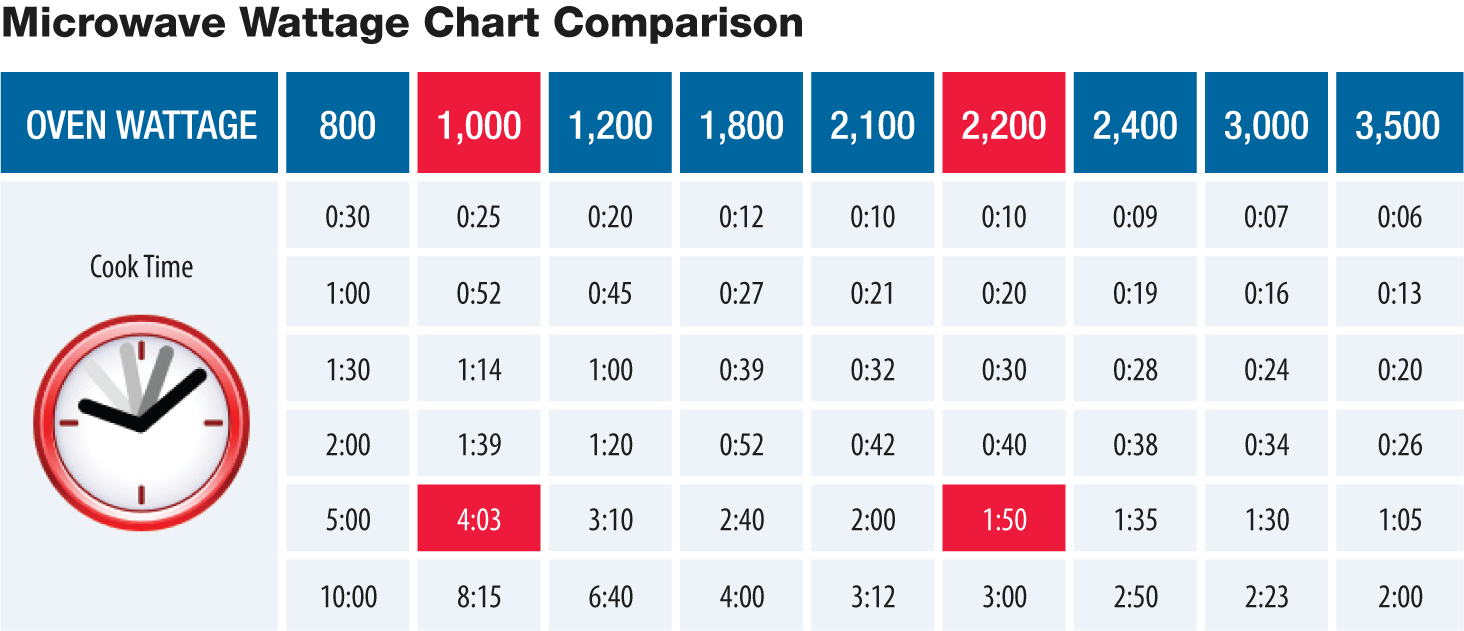
Microwave wattage comparison shows that an 800W model may take 25–30% longer than a 1000W model to reach the same temperature. When choosing, think about how fast you need food ready and how often you cook full meals in the microwave.

Microwave wattage comparison for common cooking tasks
Different tasks benefit from different watt levels. Below I compare common tasks across wattages so you can match your needs.
Reheating leftovers
- 600–700W: Use longer time and cover food to retain moisture.
- 800–900W: Quick and reliable for single plates.
- 1000W+: Short times; check often to avoid hotspots.
Defrosting
- Lower wattage or 30% power setting helps avoid cooking edges.
- 800–1000W works well if you use the defrost cycle and rotate food.
Cooking frozen meals
- 800–1000W gives consistent, safe results.
- High wattage shortens cook time but can overcook edges; stir if needed.
Popcorn and snacks
- High wattage often pops faster and more fully. Reduce time to avoid burning.
This practical microwave wattage comparison helps you adapt recipes and avoid surprises. I often reduce stated times by 15–25% when moving from an 800W cooker to a 1000W one.

How to find and adjust for your microwave's wattage
Finding wattage is simple. If it’s not obvious, test it.
Ways to find wattage:
- Check the label on the door or the back panel for wattage info.
- Look in the user manual or the manufacturer’s product page.
- Do a water test: heat 1 cup (240 ml) of room-temperature water for 1 minute and measure the temperature rise. Use the rise to estimate power roughly.
How to adjust recipes using microwave wattage comparison:
- If recipe assumes 1000W and your microwave is 800W, increase time by about 25%.
- If your microwave is stronger, reduce time by 15–30% and check early.
- For delicate tasks, lower the power setting rather than cutting time.
I ran the water test on three microwaves in my kitchen. The 900W model warmed the cup faster than the 700W. The results matched labeled wattages closely and helped me set correct cook times.

Buying guide: choosing the right wattage for you
Pick a wattage that matches your habits and space. Use this short checklist.
Choose wattage based on use:
- Light user who reheats: 600–800W saves money and space.
- Regular family meals and frozen dinners: 800–1000W for balance.
- Heavy user who cooks full meals: 1000–1200W for speed and performance.
- Small kitchen or dorm: A compact 700–800W unit often fits best.
Other buying tips:
- Look for inverter technology for steady power at low settings.
- Consider internal size, turntable vs flatbed, and venting.
- Check energy use specs; higher wattage cooks faster but may use more power per minute.
From my experience, most households are best served by an 800–1000W microwave. It hits the middle ground for speed and price. If you cook a lot, invest in higher wattage with smart controls.

Common mistakes and tips to get the best results
Avoid guesswork. Use these tips to get consistent outcomes from any watt level.
Mistakes to avoid:
- Using recipe times without checking your microwave wattage.
- Defrosting at full power and cooking edges accidentally.
- Not stirring or rotating food, which causes hotspots.
Simple, effective tips:
- Check food early and often when adapting times for wattage.
- Use lower power for melting and delicate tasks.
- Cover foods to trap steam and heat evenly.
- Use the water test to confirm your wattage quickly.
I once followed a frozen meal time exactly and ended up with burnt edges and cold center. Since then, I always start 20% under the stated time and add short increments as needed. That small habit saves food and time.
Frequently Asked Questions of microwave wattage comparison
What does microwave wattage mean for cooking time?
Wattage measures power. Higher wattage heats food faster, so cook times are shorter on higher-watt microwaves compared to lower-watt ones.
How can I test my microwave wattage at home?
Heat 1 cup of room-temperature water for 60 seconds. Measure the temperature rise and compare to standard charts to estimate wattage roughly.
Should I choose a microwave with higher wattage?
Choose higher wattage if you want faster, more even cooking. For simple reheating, lower wattage can be fine and often costs less.
How do I convert recipe times between wattages?
Adjust time proportionally. If your oven is 20% less powerful, increase time by about 20%. Check food early and add short bursts until done.
Does higher wattage mean higher energy bills?
Higher wattage uses more power per second but cooks faster. Overall energy use per meal often balances out, though frequent long cooks can add costs.
Conclusion
Understanding microwave wattage comparison helps you cook faster and smarter. You can match wattage to tasks, test your unit, and adjust recipes to avoid underdone or burned food. Try the water test, start with shorter times, and adjust in small steps until you learn your microwave’s rhythm. If this guide helped, leave a comment, share your wattage test results, or subscribe for more practical kitchen tips.