Simple snack recipes use easy ingredients and basic steps to create quick foods for hunger between meals, school breaks, work days, or casual gatherings.
In the United States, snacks are part of many daily routines. A parent may need a fast option after school, a worker may want something between meetings, or a family may need a simple bite before dinner. Simple snack recipes help solve these moments by using common foods, short preparation times, and flexible ingredients.
A good snack does not need a long ingredient list or complex cooking skills. The best options balance taste, convenience, and enough nutrition to match the person’s needs. This guide explains how to choose ingredients, prepare easy snacks, avoid common mistakes, and create homemade options that work for different lifestyles.
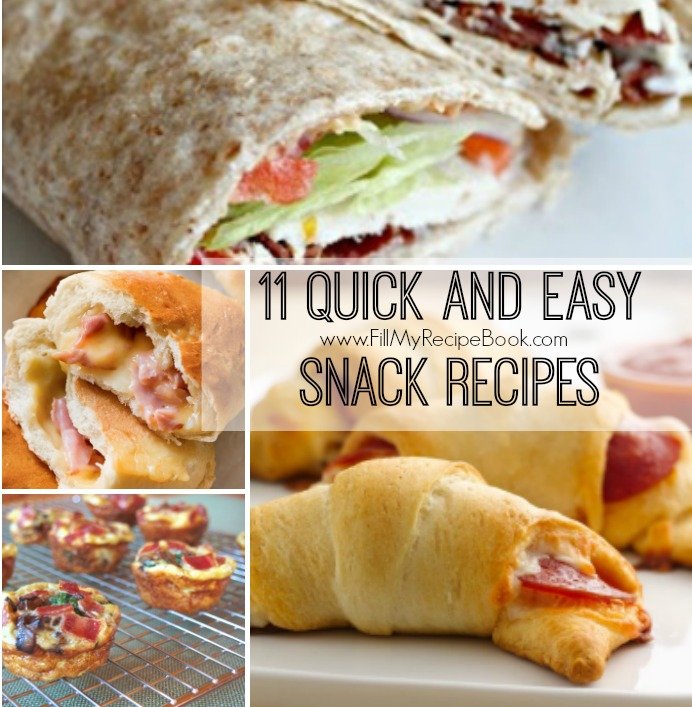
Source: fillmyrecipebook.com
What Makes A Snack Recipe Simple
A simple snack recipe has three main qualities: easy ingredients, clear steps, and a realistic preparation time. The goal is not only speed. A useful snack should also fit the person eating it. A quick snack for a child may need mild flavors and safe textures, while an adult snack may focus on energy, convenience, or meal timing.
Many simple snacks begin with a base ingredient and one or two additions. Examples include apples with peanut butter, yogurt with fruit, toast with avocado, or vegetables with hummus. These combinations work because they add flavor without requiring complicated cooking methods.
The easiest recipes also use ingredients that appear often in American kitchens. Pantry items, fresh produce, dairy products, nuts, seeds, and whole grain foods can create many snack choices without frequent shopping trips.
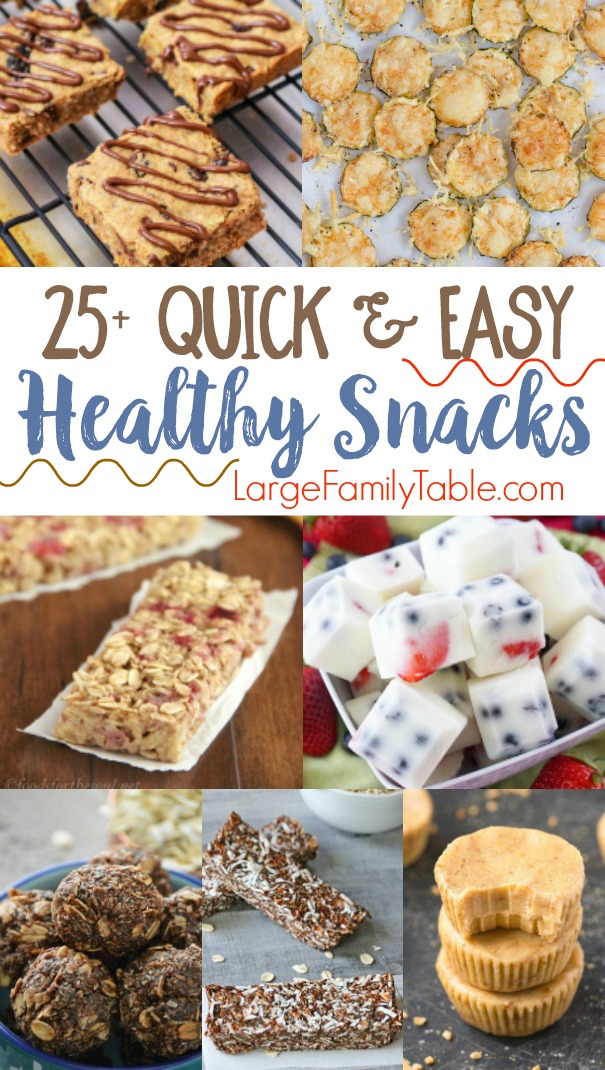
Source: largefamilytable.com
Few ingredients
Recipes with a short ingredient list are easier to prepare and adjust when supplies change.
Simple preparation
Mixing, slicing, spreading, blending, or light cooking can create many satisfying snacks.
Flexible options
A recipe becomes more useful when ingredients can be swapped based on taste or dietary needs.
The Basic Snack Formula
A practical way to build a snack is to combine a source of carbohydrates with protein or healthy fats. Carbohydrates can provide quick energy, while protein and fats may help a snack feel more satisfying.
For example, crackers alone may feel like a small bite, but adding cheese or nut butter changes the balance. A banana becomes a more complete snack when paired with yogurt or nuts.
Energy base
Use foods such as fruit, oats, bread, or whole grain crackers.
Filling addition
Add options such as yogurt, eggs, beans, nuts, or cheese when suitable.
Easy Simple Snack Recipes To Try
The best snack recipes are the ones people will actually make. These ideas focus on basic methods and ingredients that can be changed based on personal preferences.
Preparation time can vary depending on cooking tools and ingredient availability. A no-cook snack may take only a few minutes, while baked snacks may require extra time but can often be made in larger batches.
Source: learnincolor.com
Fruit and yogurt bowl
Combine plain or flavored yogurt with berries, banana slices, or other fruit. Add oats or seeds for texture if desired.
Peanut butter banana toast
Spread peanut butter on toast and add banana slices. Use another nut or seed spread if peanut products are not suitable.
Vegetable snack plate
Pair sliced carrots, cucumbers, or peppers with hummus, ranch dip, or another preferred dip.
Homemade trail mix
Mix nuts, seeds, dried fruit, and whole grain cereal. Adjust ingredients for allergies and taste.
No Cook Snacks For Busy Days
No cook snacks are helpful when time is limited or kitchen access is unavailable. They rely on foods that can be assembled rather than prepared from scratch.
Good examples include cheese and fruit combinations, overnight oats prepared ahead, or small snack boxes with several ingredients. Portioning these foods in advance can make busy mornings easier.
Prepare ahead
Wash fruit, portion ingredients, and store snacks where they are easy to reach.
How To Make Snacks More Balanced
A balanced snack depends on the person’s needs, activity level, and meal schedule. There is no single snack that works for everyone. The right choice depends on hunger, available ingredients, and personal health goals.
Adding variety often improves a snack. A colorful plate with different textures can make a simple recipe feel more enjoyable. For example, crunchy vegetables with a creamy dip create contrast, while fruit with yogurt combines sweetness with a smooth texture.
People with food allergies or special dietary needs should adjust ingredients carefully. Common allergens include nuts, dairy, eggs, wheat, soy, and other foods depending on the individual.
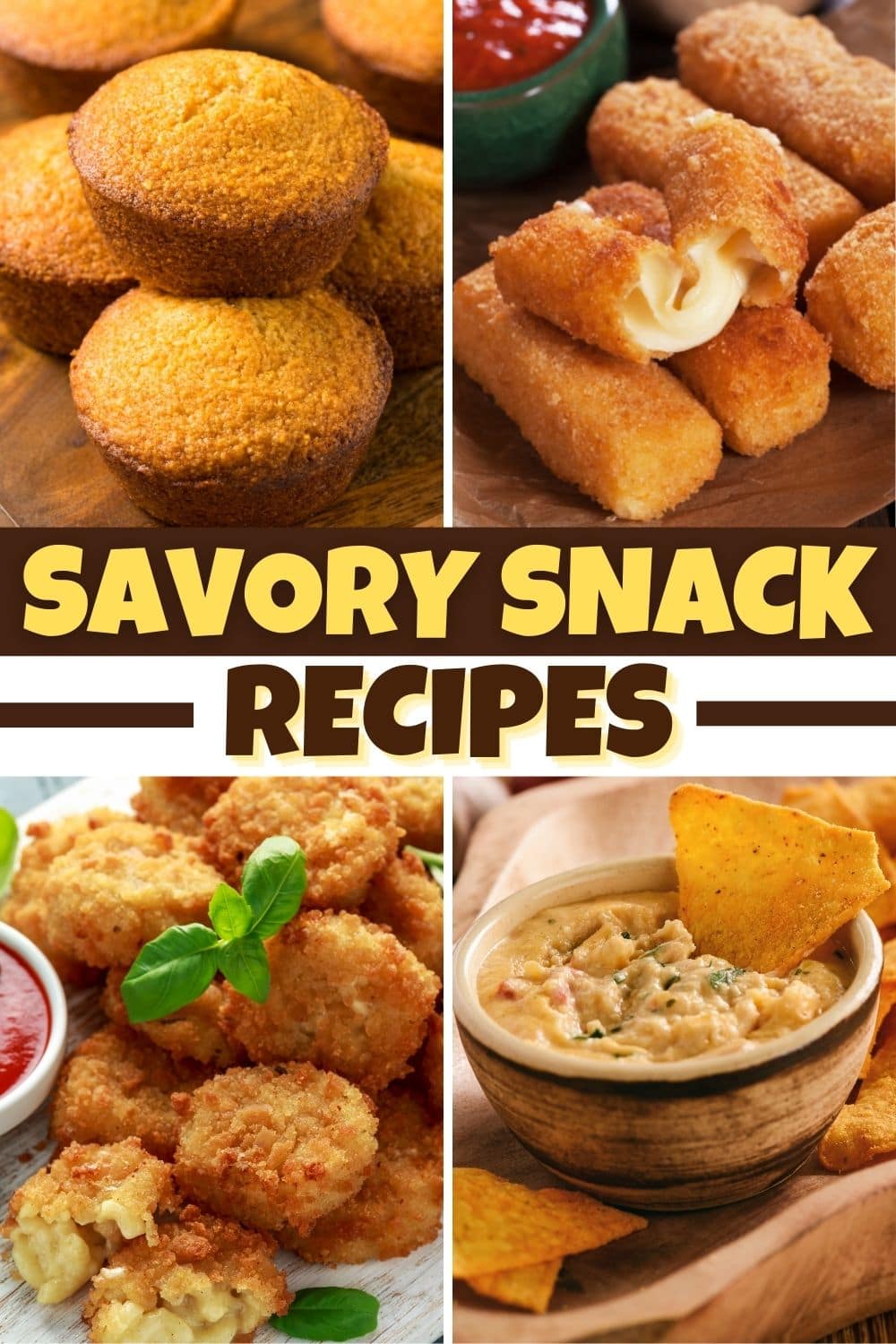
Source: insanelygoodrecipes.com
For more staying power
Add protein or fat sources when a snack needs to last longer before the next meal.
For quick energy
Fruit and grain-based foods can provide fast sources of carbohydrates.
For convenience
Choose recipes that match storage space, cooking tools, and available time.
Snack Planning For Families
Families often need snacks that work for different ages and preferences. Keeping a few basic choices available can make snack time simpler.
A useful approach is to prepare ingredients rather than only finished recipes. Washed fruit, cooked eggs, chopped vegetables, and portioned dry snacks can reduce daily effort.
Keep choices visible
Accessible healthy options are easier to choose when hunger appears.
Common Mistakes When Making Simple Snacks
Simple recipes can still fail when planning is ignored. Many snack problems come from choosing ingredients that do not match the situation or preparing more food than can be stored safely.
Understanding common mistakes helps people create snacks that are practical instead of frustrating.
Source: kindlyunspoken.com
Making portions too large
A snack is usually meant to support hunger between meals, so very large portions may replace a planned meal.
Ignoring storage needs
Some homemade snacks need refrigeration or careful storage to maintain quality and safety.
Choosing only one food type
A snack made from only one ingredient may not provide the variety some people need.
How To Fix A Snack That Does Not Work
If a snack leaves someone hungry soon after eating, consider adding a more filling ingredient. If a snack feels too heavy, reduce the portion or choose lighter ingredients.
Taste problems can often be solved with simple changes. Adding herbs, spices, fruit, or a different texture can improve a basic recipe without making it complicated.
Too boring
Add flavor through seasonings, fresh ingredients, or different textures.
Too time consuming
Switch to recipes that require fewer steps or prepare ingredients earlier.
Choosing The Right Snack For Different Situations
The best snack changes depending on when and where it will be eaten. A snack for a road trip needs different qualities than one eaten at home. Portability, mess, storage, and preparation time all affect the choice.
Thinking about the situation first makes snack planning easier. A recipe that works well in one setting may not be practical in another.
Source: divascancook.com
School or work snacks
Choose easy-to-pack foods that do not require complex preparation.
After exercise snacks
Many people choose combinations that include carbohydrates and protein after physical activity.
Party snacks
Small portions and shared foods can make serving easier for groups.
Building A Weekly Snack Routine
A weekly snack routine does not require cooking every day. Choose a few recipes, buy flexible ingredients, and prepare small portions when convenient.
Rotating flavors prevents boredom. A person might prepare fruit-based snacks one week and savory options the next.
Plan variety
Mix sweet and savory choices to keep options interesting.
Frequently Asked Questions
Q
What are the easiest simple snack recipes for beginners?
Beginners can start with recipes that need little cooking, such as fruit and yogurt bowls, toast combinations, vegetable plates, and simple homemade mixes.
Q
How can I make snacks ahead of time?
Prepare ingredients in advance by washing produce, dividing portions, and storing ready-to-use foods safely. Some snacks can be made in batches and stored according to ingredient needs.
Q
Are homemade snacks healthier than packaged snacks?
Homemade snacks allow more control over ingredients and portions, but the best choice depends on the recipe, ingredients, and individual needs.
Q
What snacks are good for kids?
Kid-friendly snacks often include familiar flavors, simple textures, and easy portions. Parents should consider age, allergies, and choking risks when choosing foods.
Q
How many ingredients should a simple snack recipe have?
There is no fixed number. Many simple snacks use two to five main ingredients, but the best amount depends on the recipe and purpose.
✦ Wrapping Up
Conclusion
Simple snack recipes work because they focus on practical choices rather than complicated cooking. With basic ingredients and a clear plan, anyone can create snacks for busy mornings, family time, or everyday hunger.
The most useful snack is the one that fits the person, the moment, and the available resources. Start with easy combinations, adjust flavors, and build a routine that makes healthy and enjoyable choices easier.
💡 Key Takeaway
Choose three simple snack recipes you enjoy, prepare the ingredients ahead, and adjust them to match your schedule and needs.
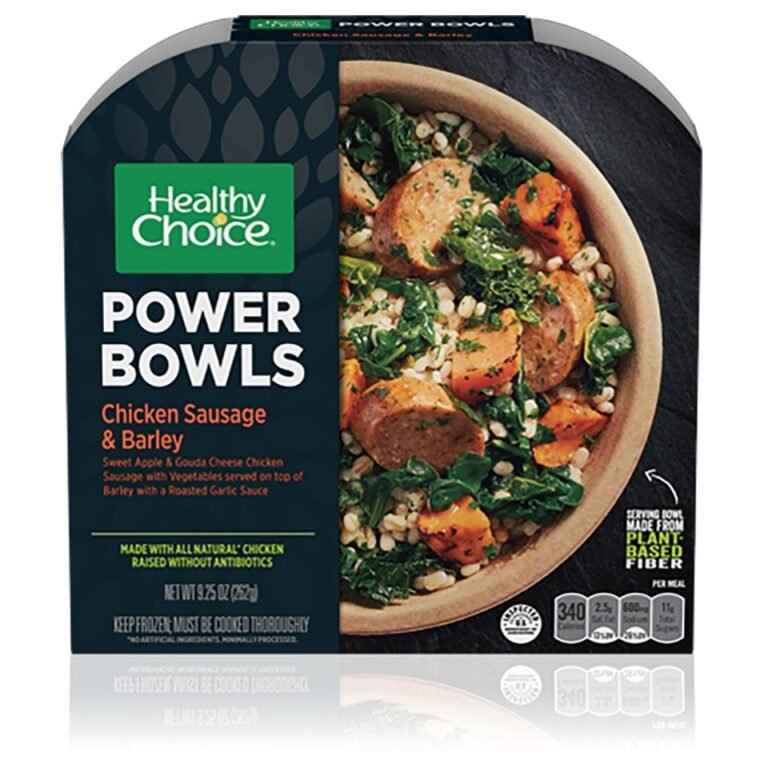
Quick, tasty microwave low calorie meals for busy days – simple recipes, smart swaps, and portion tips to help you lose weight without sacrificing flavor.
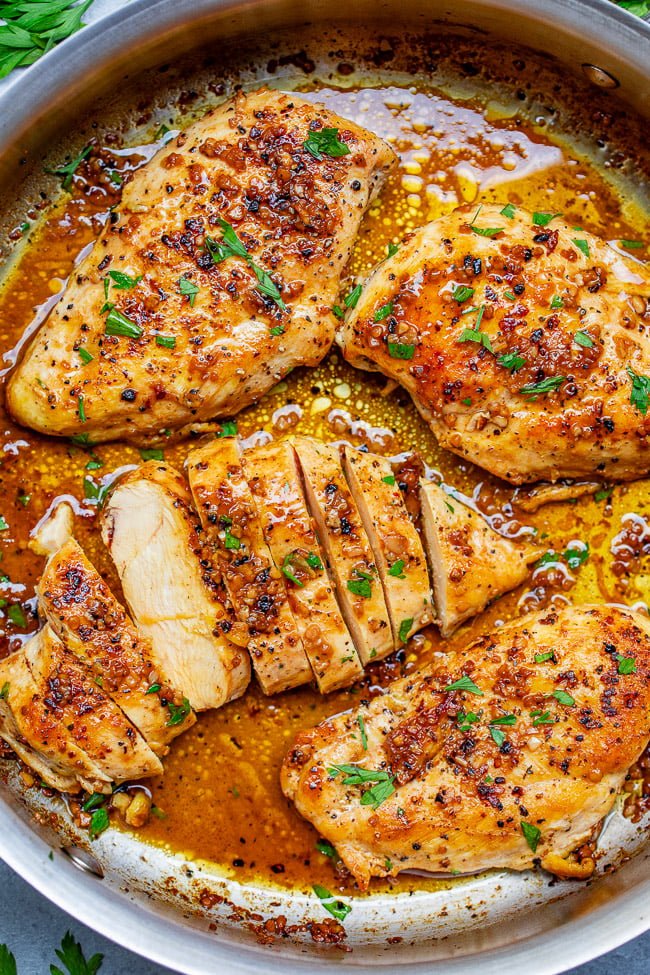
Discover easy chicken recipes for busy U.S. weeknights, including skillet, baked, grilled, stir-fry, one-pan, and rotisserie chicken ideas with practical cooking tips.