Simple appetizer recipes use easy ingredients, basic cooking methods, and short preparation steps to create small dishes that are ready for parties, family dinners, game days, and casual gatherings.
Across the United States, appetizers are used for many occasions, from backyard cookouts in Texas and holiday gatherings in New York to game nights in California homes. The best simple appetizer recipes do not need complicated techniques. They focus on clear flavors, reliable ingredients, and practical preparation.
A useful appetizer should match the event, available time, and number of guests. Some recipes can be prepared ahead, while others are best served warm right away. Understanding these differences helps home cooks choose dishes that are easier to manage and more enjoyable to share.
Source: eatwell101.com
What Makes An Appetizer Recipe Simple
A simple appetizer recipe is one that removes unnecessary steps without removing flavor. These recipes often use common ingredients, limited equipment, and cooking methods that are easy to repeat. The goal is not to make the smallest dish possible, but to create something manageable.
Many beginner-friendly appetizers follow a basic pattern: choose a main ingredient, add a flavor element, create a texture contrast, and serve in an easy-to-eat format. A creamy dip with crunchy vegetables, a baked bite with a crisp topping, or a small skewer with fresh ingredients are examples of this approach.
The amount of time available often determines the best recipe choice. A person preparing food before guests arrive may prefer make-ahead options, while someone needing a last-minute dish may choose recipes requiring only mixing, slicing, or quick baking.
Source: cdn.loveandlemons.com
Few ingredients
Recipes with a short ingredient list are often easier to prepare and adjust when substitutions are needed.
Simple techniques
Mixing, baking, assembling, and basic cooking methods help reduce mistakes for new cooks.
Easy serving
Finger foods and small portions make appetizers convenient for guests to enjoy while talking.
Common Types Of Simple Appetizers
Simple appetizers can include dips, spreads, baked snacks, vegetable bites, small sandwiches, skewers, and seafood or meat-based options. The right category depends on the event and the preferences of the people eating.
For example, a family movie night may call for warm cheese bites or popcorn-style snacks, while a holiday gathering may benefit from colorful platters with several small choices.
Dips
Dips pair well with chips, crackers, bread, or vegetables and are often easy to prepare ahead.
Small bites
Mini portions such as stuffed vegetables or skewers are simple for guests to pick up and eat.
How To Choose The Right Simple Appetizer Recipes
The best appetizer depends on more than taste. Before choosing a recipe, consider the number of guests, serving time, kitchen space, and whether the food needs to travel. These factors can change which recipes are practical.
A dish for a large gathering should usually be easy to portion and refill. A smaller gathering allows for more detailed preparation because there is less pressure to produce many servings.
It also helps to think about balance. If the main meal is rich, lighter appetizers with vegetables or fresh flavors may work better. If the meal is simple, a more filling appetizer may add variety.
Source: lilluna.com
For quick preparation
Choose recipes with minimal chopping, short cooking times, or ingredients that are ready to combine.
For large groups
Pick appetizers that can be made in batches and served without complicated plating.
For travel
Select foods that hold their texture and flavor after being moved from one location to another.
A Simple Planning Guide
A basic plan can make appetizer preparation easier. Start by deciding when the food will be served, then choose recipes that fit the available time. Next, list ingredients and identify which steps can be completed before guests arrive.
For many gatherings, a mix of hot and cold options creates a better experience. Guests can enjoy different textures and flavors instead of eating several similar dishes.
Before cooking
Check ingredients, serving dishes, and available tools to avoid last-minute problems.
Before serving
Arrange food in a way that makes portions easy to reach and keeps temperature-sensitive foods safe.
Easy Simple Appetizer Recipes To Try
Many simple appetizer recipes can be built around ingredients already found in a typical kitchen. These ideas are starting points rather than strict rules. Home cooks can adjust seasonings, textures, and portions based on their needs.
A good recipe should be easy to understand before cooking begins. Reading all steps first can help prevent missing ingredients or unexpected preparation times.
Source: adventuresofmel.com
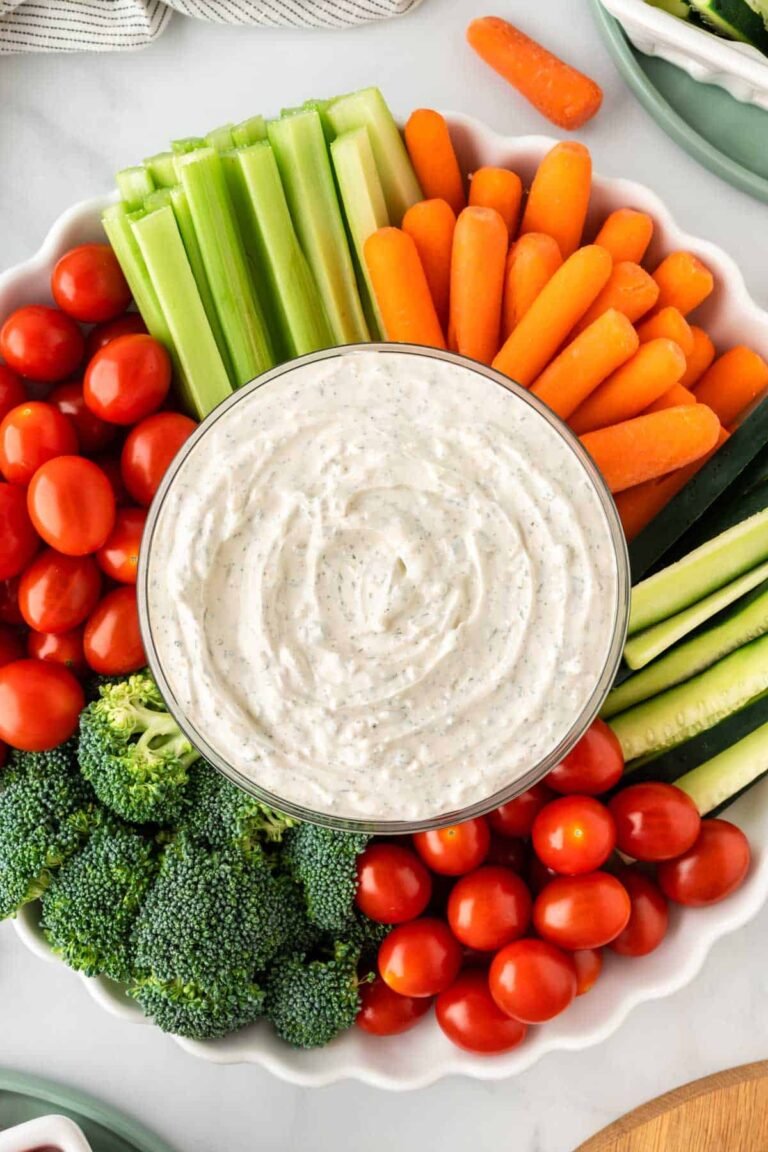
Vegetable and dip platter
Combine sliced vegetables with one or more dips for a fresh option that requires little cooking.
Baked cheese bites
Use cheese with bread, pastry, or crackers for a warm appetizer with simple preparation.
Small sandwiches
Mini sandwiches are flexible and can include many fillings for different tastes.
Fruit and cheese board
A mix of fruit, cheese, and crackers creates variety with minimal cooking.
Making Recipes More Flexible
Flexibility is one reason simple appetizers are popular. A recipe can often be changed based on what is available. For example, different vegetables, herbs, cheeses, or sauces may replace the original ingredients while keeping the same basic structure.
However, changes should consider cooking behavior. Ingredients with high water content may affect texture, and substitutions may change cooking time.
Flavor adjustments
Small changes in herbs, spices, or sauces can create different flavor profiles without changing the recipe method.
Texture adjustments
Combining creamy, crisp, soft, and crunchy elements can make appetizers more satisfying.
Preparation Tips That Prevent Common Problems
Many appetizer problems happen because of timing rather than cooking skill. Food may become soggy, lose warmth, or become difficult to serve when preparation is not planned.
Preparing ingredients separately can help. For example, chopping vegetables early, mixing sauces ahead, or organizing serving plates before cooking can reduce pressure during the event.
Food safety should also guide preparation choices. Foods containing ingredients such as meat, seafood, eggs, or dairy may require careful temperature control and proper storage.
Source: diyjoy.com
Avoid making everything at the last minute
Complete tasks that can be done early so the final cooking steps are easier.
Protect texture
Keep crispy foods separate from wet ingredients until serving when possible.
Serve safely
Follow safe food handling practices for ingredients that spoil quickly.
Signs An Appetizer Needs Adjustment
A recipe may need changes if guests avoid it, if portions are difficult to eat, or if the preparation process creates unnecessary stress. These signs often point to a mismatch between the recipe and the event.
The solution may be simple. Smaller portions, easier serving tools, or a different balance of flavors can improve the experience.
Too complicated
Reduce steps or choose a simpler method for future gatherings.
Not enough variety
Add another flavor or texture instead of making more of the same item.
How To Build A Balanced Appetizer Spread
A balanced appetizer spread gives guests choices without requiring dozens of recipes. A small selection of different categories is often more useful than many similar dishes.
Consider including different colors, temperatures, and textures. A warm baked item, a fresh option, and a simple dip can create a more complete table.
Source: cookwithkushi.com
Include variety
Mix rich foods with lighter choices so guests can select what fits their preference.
Consider dietary needs
Adding at least one option with different dietary requirements can make gatherings more welcoming.
Match the occasion
Casual events and formal gatherings may need different serving styles.
Simple Serving Ideas
Serving style affects how easy appetizers are to enjoy. Individual portions, small plates, and clear labels can help guests choose food comfortably.
For larger groups, placing similar foods together and keeping extra portions ready can make serving easier.
Use practical portions
Small servings allow guests to try multiple foods without creating waste.
Frequently Asked Questions
Q
What are the easiest appetizers for beginners?
Beginners often find dips, vegetable platters, simple skewers, and small baked snacks easier because they require fewer cooking steps and are easy to adjust.
Q
How many appetizers should I prepare for a party?
The amount depends on guest count, meal timing, and whether appetizers are the main food or only a starter. Larger events usually need more variety and quantity.
Q
Can simple appetizers be prepared ahead?
Yes. Many dips, chopped ingredients, and assembled cold appetizers can be prepared before guests arrive. Check each recipe because some foods are best finished close to serving.
Q
What makes an appetizer good for a crowd?
Crowd-friendly appetizers are easy to portion, simple to serve, and reliable when made in larger amounts. Recipes that do not require complicated plating often work well.
Q
How can I make appetizers more interesting?
Use a mix of flavors and textures. Adding fresh ingredients, different sauces, or contrasting crunchy and creamy elements can make simple recipes feel more varied.
✦ Wrapping Up
Conclusion
Simple appetizer recipes are useful because they focus on practical cooking rather than complicated preparation. With the right ingredients and a little planning, home cooks can create dishes that fit many occasions.
The best choice depends on the gathering, available time, and people being served. Start with recipes that match your comfort level, then adjust flavors and portions as you learn what works.
💡 Key Takeaway
Choose one easy appetizer style, prepare the ingredients in advance, and focus on serving food that is simple, balanced, and enjoyable to share.