Most often, worn fan motors, loose parts, or a failing magnetron cause loud microwave noise.
I have worked with kitchen gear and tested many microwaves, so I know why microwave makes loud noise and how to fix it. This article breaks down the common causes, simple checks you can do, safe DIY fixes, and when to call a pro. Read on to get clear, practical steps you can use right now to stop that noisy microwave and keep your kitchen calm.
Common causes: why microwave makes loud noise
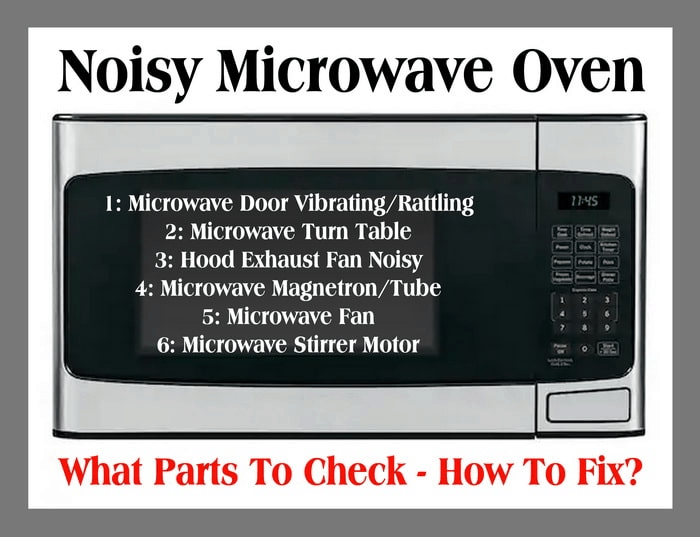
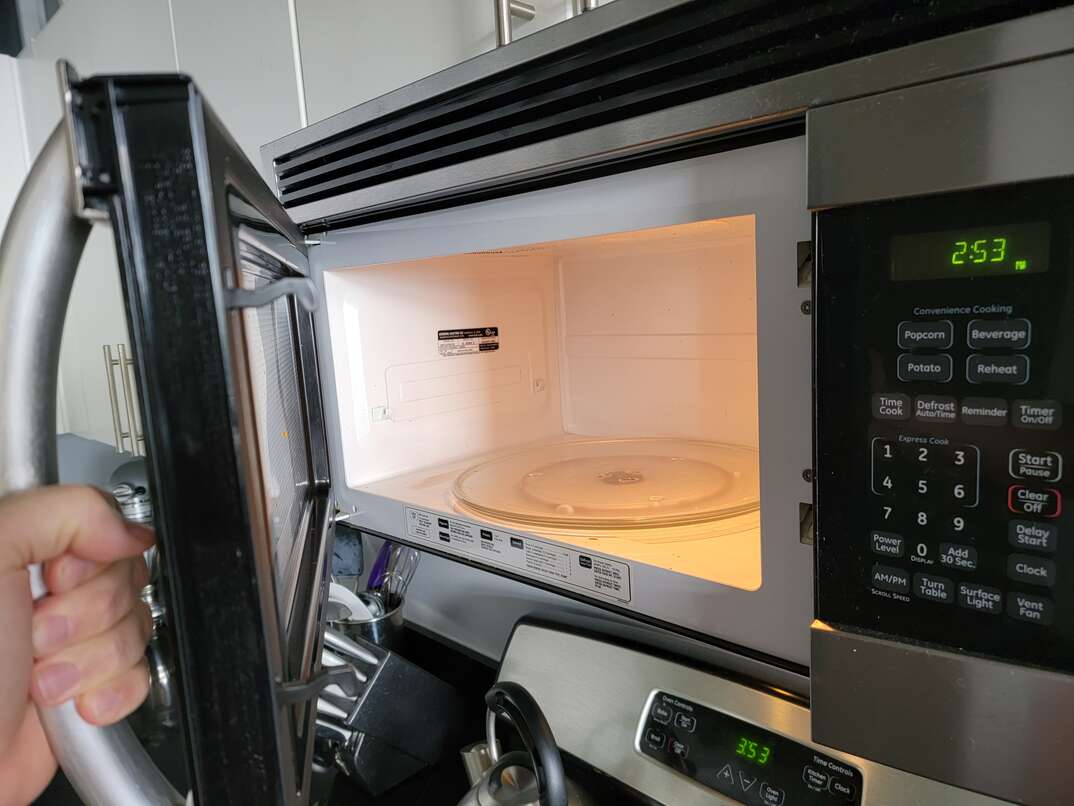
Microwaves are small machines. They have a fan, a turntable motor, a magnetron, and electronics. Any of these parts can make loud sound when they fail or get loose.
Common causes include:
- Worn fan motor that hums or rattles as it spins.
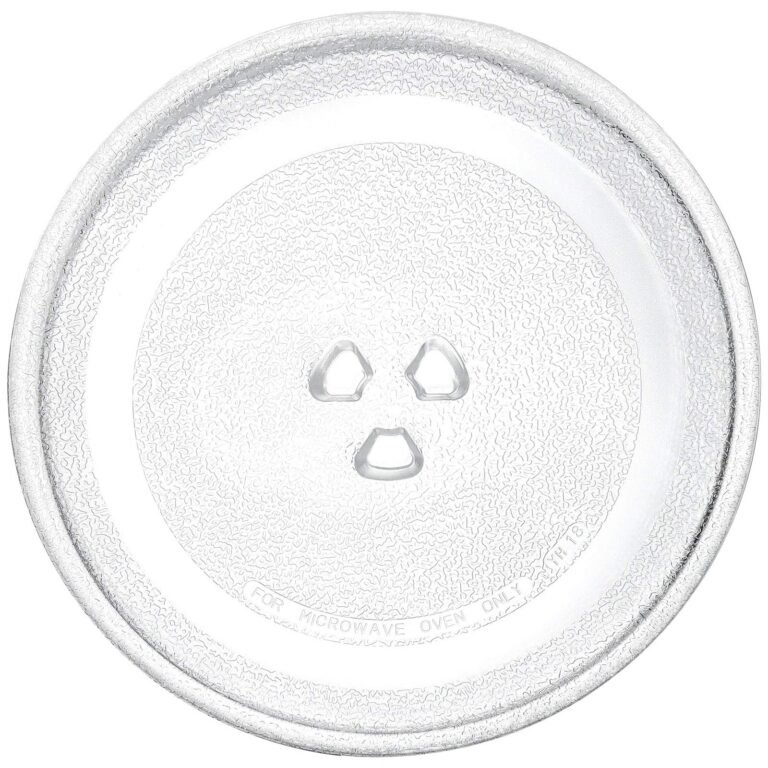
- Loose or broken turntable parts that clatter during rotation.
- Failing magnetron that makes high-pitched or grinding noise.
- Loose screws or panels that vibrate under operation.
- Items inside the oven that vibrate, like a metal plate or container.
If you ask why microwave makes loud noise, start by checking the fan and the turntable. Fans are often the loudest culprit. Many service tests and manuals show fans fail from dust, grease, or age.
How to diagnose the noise step by step
Start safe. Unplug the microwave before any check. This keeps you from harm and from shorting parts.
Follow these checks:
- Listen closely when the microwave runs. Note if noise is steady, intermittent, or changes with power level.
- Place your ear near the vent to see if the fan is loud. A loud vent points to the fan.
- Run the microwave empty for a few seconds with a mug of water to see if the sound comes from the cavity or the back.
- Check the turntable by spinning it by hand. If it wobbles, the turntable motor or coupler may be bad.
- Look under and behind the unit for loose screws or panels that might vibrate.
These steps answer why microwave makes loud noise in many cases. Take notes so you can describe the issue clearly if you call support.

DIY fixes and safety tips
Always unplug and discharge the capacitor if you open a microwave. Microwaves hold charge in parts that can harm you. If you are not sure, do not open the unit.
Simple fixes you can try:
- Tighten screws on the outer case and control panel to stop rattles.
- Clean the fan area from dust and grease with a brush or canned air.
- Replace the turntable roller or the coupler if they are cracked or worn.
- Swap out the microwave-safe plate for a different one to rule out plate vibration.
- Replace the fan motor if it hums loudly even after cleaning.
From experience, I once fixed a noisy microwave by tightening a loose screw hidden behind the vent. A small fix like that saved me a service call. If a DIY fix works, run the unit a few times to confirm the noise is gone.

When to call a professional
Do not try to fix the magnetron, high-voltage capacitor, or complex electronics yourself. These parts carry dangerous voltage and can cause harm.
Call a pro if:
- The noise is a loud grinding or high-pitch from the magnetron area.
- The unit sparks, smells burnt, or trips breakers.
- You find damaged wiring or burned components.
- The unit is under warranty and a repair may be covered.
A trained tech can test high-voltage parts safely and source correct replacements. This avoids harm and keeps your warranty valid.

Preventive maintenance and tips to avoid noise
Small care steps help stop noisy parts and extend life. Regular checks keep your microwave calm.
Do these every 3 months:
- Clean vents and fan areas to avoid dust buildup.
- Inspect the turntable, roller ring, and coupler for wear.
- Tighten visible screws and mounts around the door and case.
- Avoid running the microwave empty for long stretches.
- Use only microwave-safe dishes and avoid metal.
These habits answer why microwave makes loud noise before it starts. They cost little time and save big headaches.
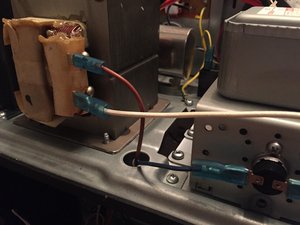
Frequently Asked Questions of why microwave makes loud noise
Why does my microwave make loud noise when running?
Most often the fan or turntable parts are worn or loose. Clean vents and check the roller and coupler for cracks.
Is a buzzing microwave dangerous?
A weak buzz alone is not always dangerous, but buzzing with burning smells or sparks means stop using it and call a pro. Safety first with electrical gear.
Can I replace the fan motor myself?
If you have basic tools and follow safety steps, you can replace an external fan motor. Do not touch internal high-voltage parts if you are not trained.
Why is the noise worse on high power?
Higher power runs the magnetron and fan harder, which can reveal weak bearings or loose parts. That extra load often makes noise louder.
Will cleaning fix why microwave makes loud noise?
Cleaning often helps because dust and grease strain the fan and motor. Try cleaning first before doing major repairs.
How long should a microwave last before it gets noisy?
Most microwaves last 7 to 10 years with normal use. Heavy use or poor care can make parts wear sooner and cause noise.
Conclusion
You now know the common reasons why microwave makes loud noise and how to find them. Start with simple checks: clean vents, test the turntable, and tighten loose parts. For complex faults or high-voltage parts, choose a trained technician to avoid risk. Take action today by doing a quick check and cleaning; small care can stop noise and save money. If this helped, leave a comment or subscribe for more handy appliance tips.