Why Microwave Sparks Inside: Causes And Simple Fixes
Sparks occur when metal, foil, or damaged parts create electrical arcing inside the microwave.
I’ve repaired and tested household microwaves and written about appliance safety for years, so I know the common causes and fixes for why microwave sparks inside. This guide explains the science, real-life examples, safety steps, and simple repairs you can try. Read on to learn how to stop sparks fast and keep your microwave safe.

Common causes of sparks inside a microwave
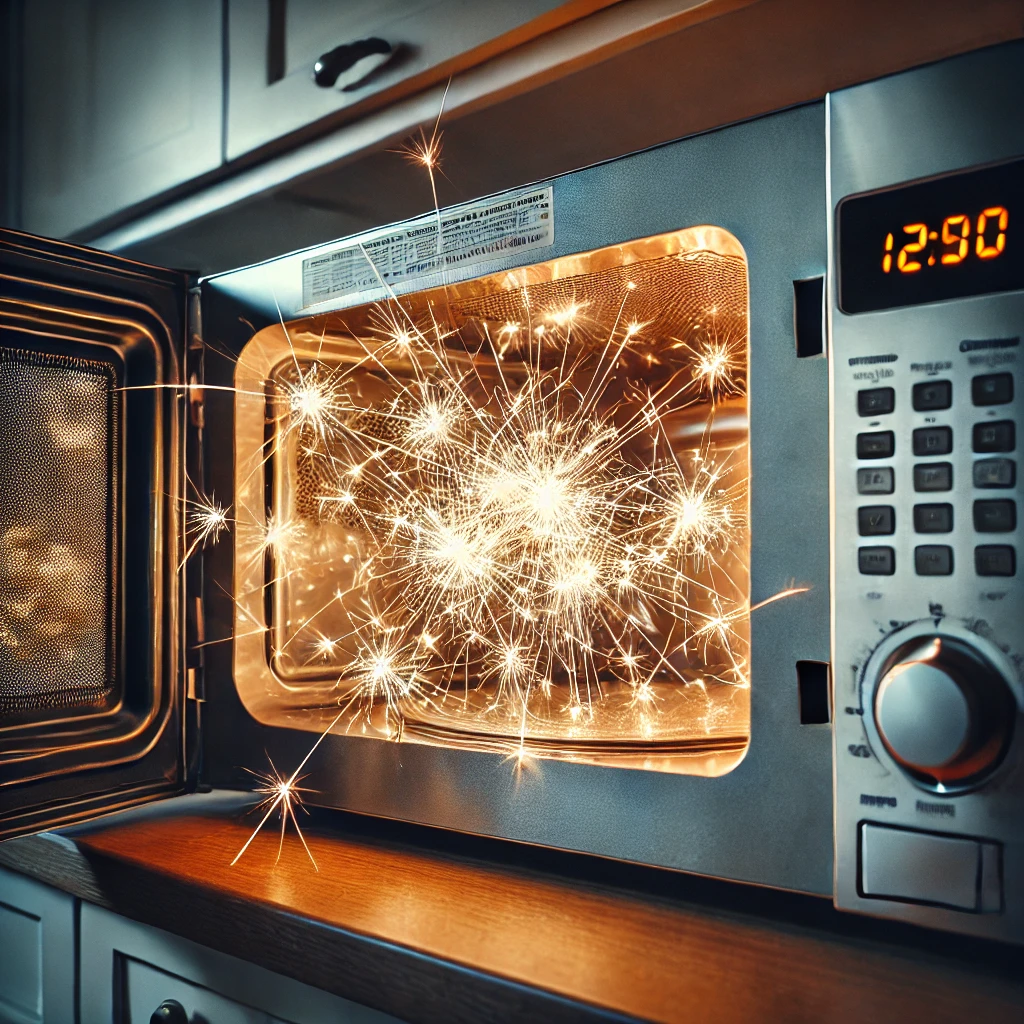
Sparks come from electrical arcing. Arcing happens when electricity jumps a small gap. That jump creates light, sound, heat, and sometimes damage.
- Metal objects in the oven cavity cause sparks easily.
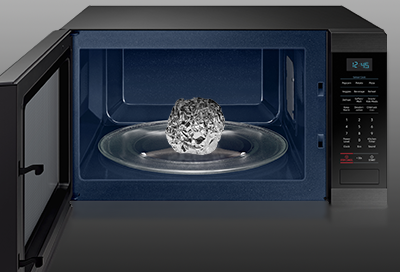
- Aluminum foil or twist ties concentrate the microwave energy.
- Paint chips, crayon wax, or food grease on the waveguide cover can arc.
- A damaged door seal or broken waveguide cover exposes metal parts.
- Faulty components like the magnetron, diode, or capacitor create internal sparks.
I often saw foil and small metal clips as the top culprits in routine repairs. The fix is usually simple: remove the metal item and inspect the cavity. If sparks persist, the oven needs servicing.
How sparks form (simple science)
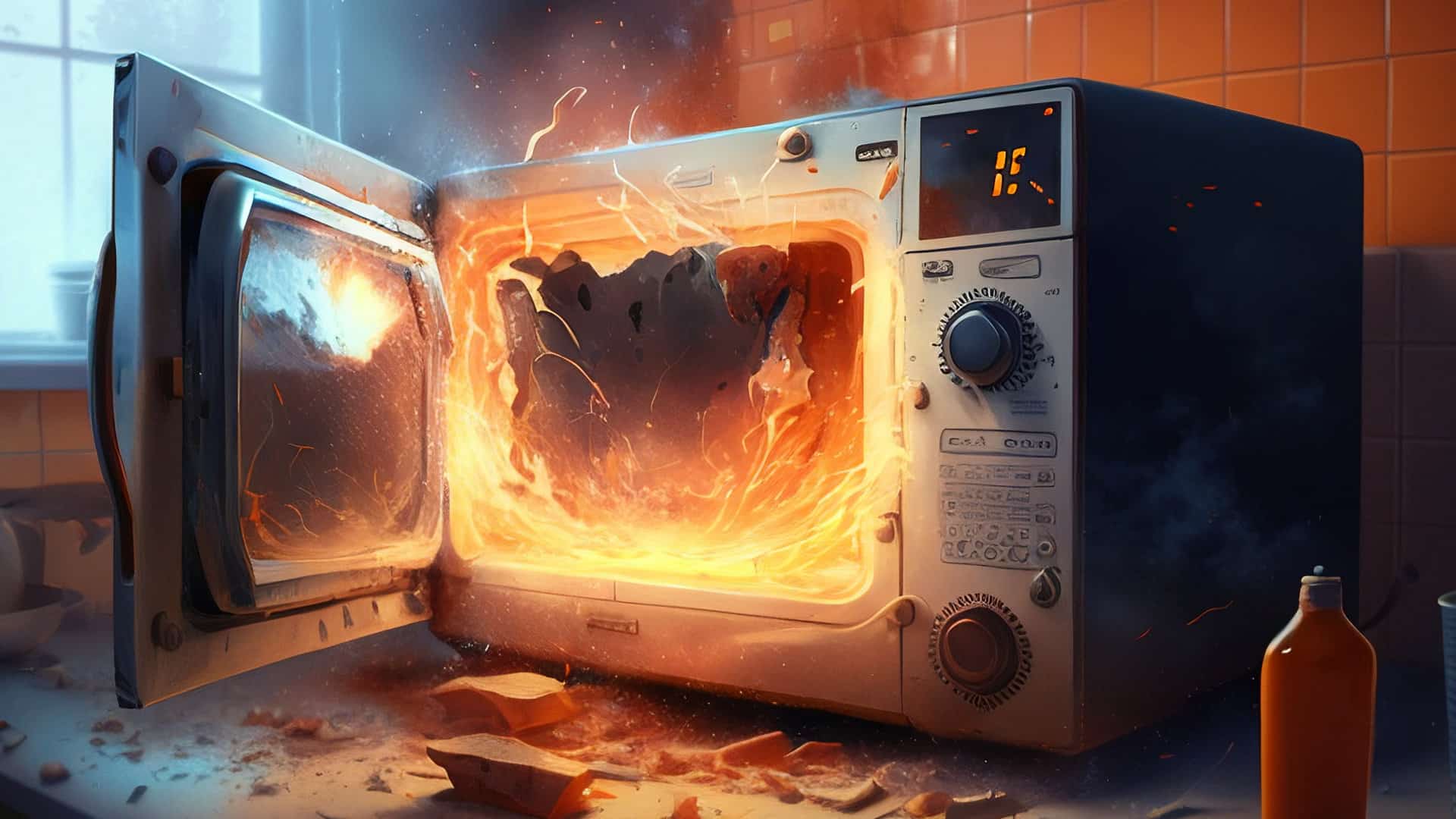
Microwaves generate high-frequency electromagnetic waves. These waves make water molecules vibrate and heat food. When metal is present, the field concentrates at edges. That concentration pushes electrons into a gap and creates an arc.
- Sharp edges on metal cause stronger arcing.
- Thin foil wrinkles act like tiny antennas.
- Exposed wiring inside the unit can short and make sparks.
Think of arcing like a tiny lightning bolt inside the oven. It looks dramatic but is usually a surface issue. If the arc happens near the magnetron or wiring, it can be dangerous and damage the unit.
Typical items that cause sparks (real examples)
Knowing what causes sparks helps you avoid them. Here are common objects that trigger arcing and real cases I’ve seen.
- Aluminum foil used to crisp a pie edge caused repeated sparks. The foil wrinkled and made small arcs.
- Metal utensils left inside food created bright flashes and a burned plate.
- Containers with metal trim or gold paint sparked on the rim.
- Food with crayon or adhesive labels produced small arcs when the label burned away.
- A torn waveguide cover with food residue led to continuous sparking until the cover was replaced.
If you’ve ever asked why microwave sparks inside after putting in leftovers with a fork, this list explains that direct contact or small metal bits are the likely reasons.
Immediate safety steps if you see sparks
If you see sparks, act quickly to reduce risk. Follow these steps exactly.
- Turn the microwave off or stop the cycle immediately.
- Keep the door closed for a minute to let smoke clear and avoid oxygen feeding a potential fire.
- Unplug the microwave if it is safe to reach the plug.
- Inspect the cavity for metal bits, foil, or burned residue. Remove any foreign items with dry hands.
- If the spark came from internal components or you smell burning, stop using the microwave and call a repair technician.
Do not run the oven repeatedly while it sparks. Repeated arcing can damage the magnetron and create costly repairs.

Troubleshooting and simple fixes
You can handle minor issues safely. Try these checks and fixes before calling a pro.
- Check for metal in the food and remove it.
- Clean the cavity, especially the waveguide cover and corners. Use a soft cloth and mild cleaner.
- Replace a damaged turntable roller or broken glass plate that may expose sharp edges.
- Inspect the door seal for gaps or deformities that could let microwaves escape.
- If sparks start when the oven is empty, do not run it. That indicates a deeper problem.
From my experience, cleaning and removing foil solves most home cases of why microwave sparks inside. If cleaning does not help, schedule a professional check.
When to call a professional and repair options
Some problems are not safe for DIY repair. Call a technician when you see these signs.
- Sparks that come from internal parts rather than food or metal.
- Burning smells or visible smoke after the sparks.
- The oven fails to heat after sparking.
- Damaged door seals or ripped waveguide covers.
Common repairs include replacing the waveguide cover, repairing the door latch, and swapping the magnetron or high-voltage diode. A trained technician can test high-voltage parts safely and confirm why microwave sparks inside your unit.

Preventive tips to avoid sparks and extend microwave life
Small habits prevent most problems and keep your microwave working longer.
- Use microwave-safe glass or ceramic cookware only.
- Avoid foil, metal-trimmed dishes, and utensils in the oven.
- Cover food with microwave-safe lids or paper towels.
- Keep the cavity, vents, and waveguide cover clean and dry.
- Inspect the door seal and hinges regularly for damage.
I learned early that simple cleaning after meals prevents many future calls. A quick wipe every week keeps food bits from becoming a spark risk.

Frequently Asked Questions of why microwave sparks inside
Why did my microwave suddenly start sparking?
Sparks usually start from metal in the oven, food residue on the waveguide, or damaged internal parts. Stop the oven and inspect for obvious metal or burned spots.
Can running a microwave while it sparks cause a fire?
Yes, repeated arcing can heat and ignite food or insulation. Turn the microwave off immediately and unplug it if safe.
Is it safe to use foil in the microwave for short times?
Small, smooth foil pieces can be risky because wrinkles cause arcing. Avoid foil unless manufacturer instructions say it is safe.
Why does my microwave spark when empty?
Sparking in an empty oven often signals damaged components like the magnetron or a broken waveguide cover. Do not operate it further and get it checked.
Will sparks damage my microwave permanently?
Single incidents may not harm the oven, but repeated arcing can damage the magnetron and electronics. Stop use and inspect to avoid long-term damage.
Should I repair or replace a microwave that sparks?
Repair if the cost is reasonable and the unit is newer. Replace older units if major high-voltage parts fail or repair costs approach replacement value.
Conclusion
Sparks inside a microwave usually stem from metal, foil, food residue, or damaged parts. You can avoid many incidents by using microwave-safe cookware, cleaning the cavity, and removing any metal before heating. If sparks persist or you smell burning, stop use and get professional help. Take action now: check your microwave for metal or damage, clean it, and share this guide if you found it helpful. Leave a comment with your experience or questions so I can help troubleshoot.