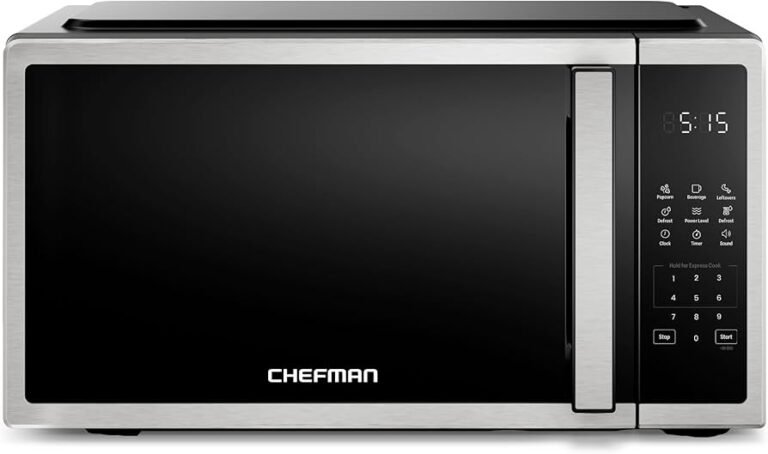
Microwave Cooling Fan: Quick Fixes And Buying Guide
A microwave cooling fan removes heat and prevents damage to the oven’s electronics and magnetron.
I have worked on dozens of kitchen appliances and studied microwave service guides closely. This article explains what a microwave cooling fan does, why it matters, how to troubleshoot and replace one safely, and how to choose the right replacement. Read on for clear, practical advice drawn from hands-on experience and industry know-how.

What is a microwave cooling fan?
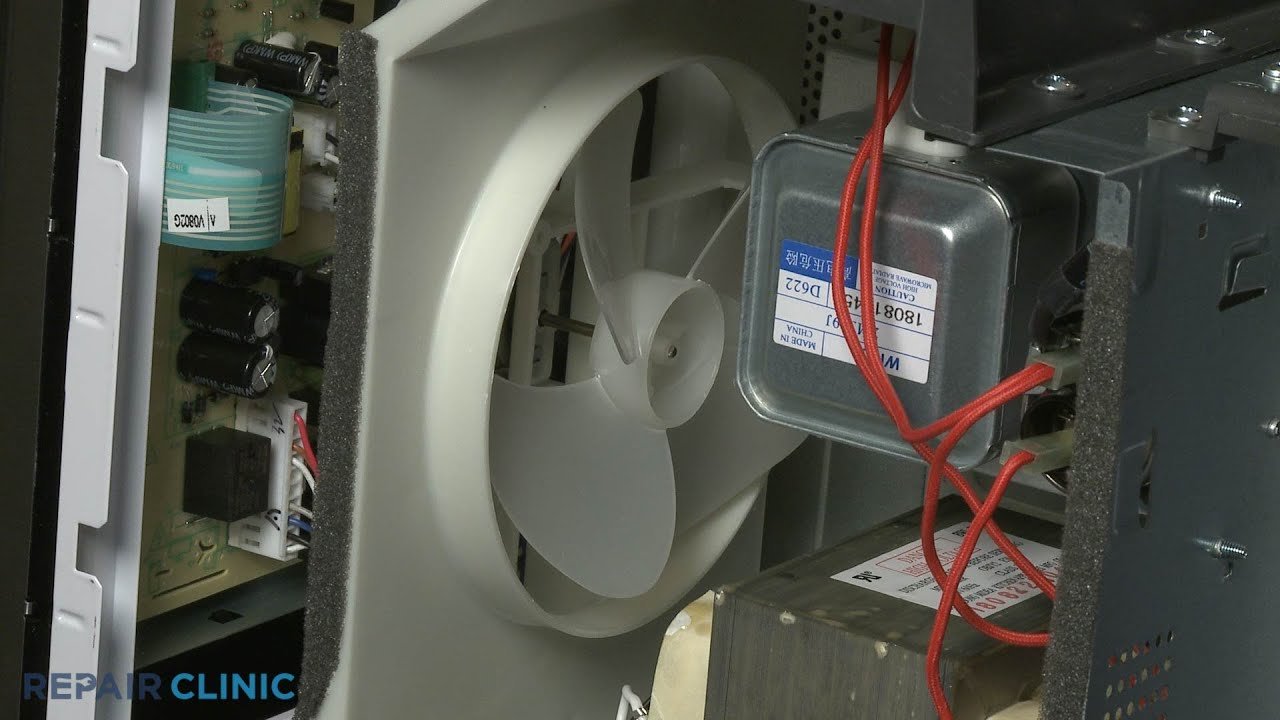
A microwave cooling fan is a small fan inside the microwave. It moves air to cool the magnetron, transformer, and control board. This keeps parts at safe temperatures during and after cooking.
The fan sits near the back or top of the oven cavity. It often runs while the microwave operates. Some models keep the fan on for a short time after cooking to remove leftover heat.
A properly working microwave cooling fan prevents overheating. It also reduces odors and steam buildup. Replacing a failing fan is a common repair that restores safe performance.

Why the microwave cooling fan matters
The cooling fan protects key parts like the magnetron. Without cooling, the magnetron can overheat and fail. That failure is costly and can be unsafe.
A working fan also keeps the microwave quieter in the long run. Heat can warp plastic and damage connectors. The fan reduces that wear and extends the microwave’s life.
Overheating can trip internal safety switches. A bad fan can lead to sudden shutdowns or bad smells. Proper ventilation avoids those issues and keeps food heating evenly.

Common problems with a microwave cooling fan
Here are the most common issues you will see with a microwave cooling fan.
-
Fan not running
The motor has failed or the power path is broken. Check fuse, door switches, and wiring first. -
Fan is noisy
Bearings or motor mounts are worn. Dust and grease can add noise too. -
Fan runs but airflow is weak
Blades are clogged or the fan is damaged. Clean or replace the fan blade. -
Fan runs continuously
A control board or thermostat may be faulty. Continuous running can mean the control thinks the unit is overheating. -
Smell of burning
Motor is overheating or rubbing on housing. Stop using the microwave and inspect immediately.

Troubleshooting steps (safe and simple)
Always unplug the microwave before any inspection. Microwaves store high voltage even when unplugged. If unsure, call a technician.
-
Visual check
Look for dust, grease, or blocked vents. Clean vents and exterior grills. -
Listen test
Run the microwave for a short time with nothing inside. Listen for fan spin. Stop immediately if you detect sparks or burning. -
Power checks
Test for voltage only if you have proper tools and training. Otherwise, inspect fuses and switches for visible damage. -
Blade and housing
Remove the outer cover to inspect the fan blade. Look for cracks, debris, or misalignment. -
Motor test
If the motor does not spin, the motor may be dead. A replacement motor is commonly available.

How to replace or repair a microwave cooling fan
If you have basic tools and patience, you can replace a microwave cooling fan. If you doubt your skills, hire a pro. Safety first.
Tools you will need
- Screwdrivers
- Nut driver set
- Multimeter (for experienced users)
- Replacement fan matched to model
Step-by-step
- Unplug the microwave and wait several minutes.
- Remove the outer cabinet screws. Keep small parts organized.
- Locate the fan near the magnetron or transformer.
- Disconnect the fan wiring harness. Note wire positions or take a photo.
- Remove mounting screws and pull the fan out.
- Install the replacement fan. Reconnect the wires and secure the cover.
- Test the microwave briefly. Watch for unusual sounds or smells.
Safety notes
- Never operate a microwave with the cover off for long.
- If you see burned insulation or smell burnt parts, stop and consult a pro.
- Do not touch the magnetron or capacitor; they can store charge.

Choosing the right replacement fan
Match these specs when selecting a replacement for your microwave cooling fan.
-
Fan size and shape
Measure blade diameter and mounting pattern to match fit. -
Voltage rating
Most fans use 120V AC in the U.S., but confirm your model. -
Airflow and RPM
Look for comparable CFM or RPM ratings. Too little airflow gives poor cooling. -
Connector type
Match the wiring plug or be prepared to splice and insulate connections safely. -
OEM vs aftermarket
OEM parts fit well but can cost more. Quality aftermarket fans often work fine.
When in doubt, use your microwave model number to find compatible parts. A match in size and electrical specs is critical.

Maintenance tips to extend fan life
Small habits cut down repairs and keep the microwave cooling fan running well.
-
Keep vents clear
Do not block the rear or top vents with objects. -
Clean regularly
Wipe vents and the fan grill every few months. Use a soft brush for dust. -
Avoid steam and grease
Use lids and reduce uncovered boiling to lower residue reaching the fan. -
Inspect annually
Check for loose screws, worn mounts, and odd noises. -
Use correct cookware
Metal foil and damaged containers can cause arcing and stress the system.

Personal experience and lessons learned
I have serviced many microwaves for friends and family. Once I replaced a fan that had a cracked blade. The microwave had loud vibration and poor heating. Replacing the fan fixed both problems and the unit ran cooler.
A big mistake I made early on was testing a microwave too long with the cover off. That caused a broken thermal fuse. Now I test only for a few seconds, and never leave the unit running uncovered.
My top tips
- Always unplug before starting work.
- Take photos before you disconnect anything.
- Order a fan with matching voltage and size.
- If you smell burning, stop immediately.
These small steps save time and avoid costly mistakes.

Frequently Asked Questions of microwave cooling fan
What causes a microwave cooling fan to fail?
Fans fail from wear, dust, grease, or overheating. Bearings and motor coils degrade over time.
Can I run a microwave without the cooling fan?
Running without the fan risks overheating and permanent magnetron damage. It is not safe for regular use.
How do I know if the cooling fan is the problem?
Signs include loud noise, weak airflow, or the unit shutting off during use. A visual check can show damaged blades.
Is replacing a microwave cooling fan expensive?
Replacement parts are usually affordable. Labor costs vary; DIY replacement saves money if you are comfortable with repairs.
Are all microwave cooling fans the same?
No. Fans differ in size, voltage, airflow, and connector type. Always match specifications when replacing.
How long does a microwave cooling fan last?
Lifespan varies but typically lasts several years. Heavy use and poor ventilation shorten life.
Conclusion
The microwave cooling fan is a small part that prevents big problems. It protects the magnetron and electronics, reduces odors, and extends life. Regular cleaning and matched replacements keep your microwave running reliably.
Take action: check your vents, listen for unusual noise, and replace a failing fan promptly. If you are unsure, seek professional help. Leave a comment with your microwave model and symptoms, and I will offer guidance.