Microwave Error Codes: Fast Fixes And Meanings
Most microwave error codes are self-diagnostic alerts pointing to specific faults.
I have spent years troubleshooting kitchen appliances and writing clear repair guides. This article breaks down microwave error codes in plain language. You will learn what common codes mean, why they happen, how to fix them safely, and when to call a pro. I combine hands-on tips, easy tests, and practical advice so you can resolve problems faster and avoid repeat issues.
What are microwave error codes?
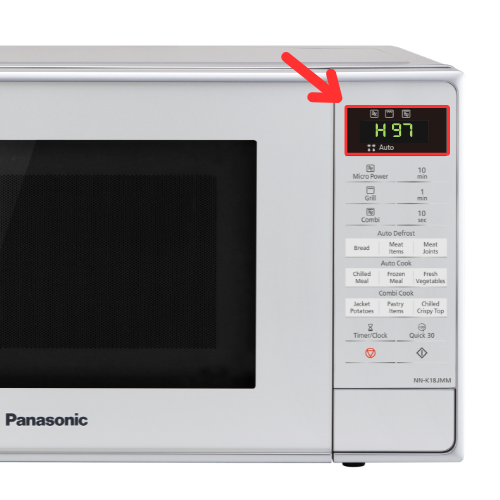
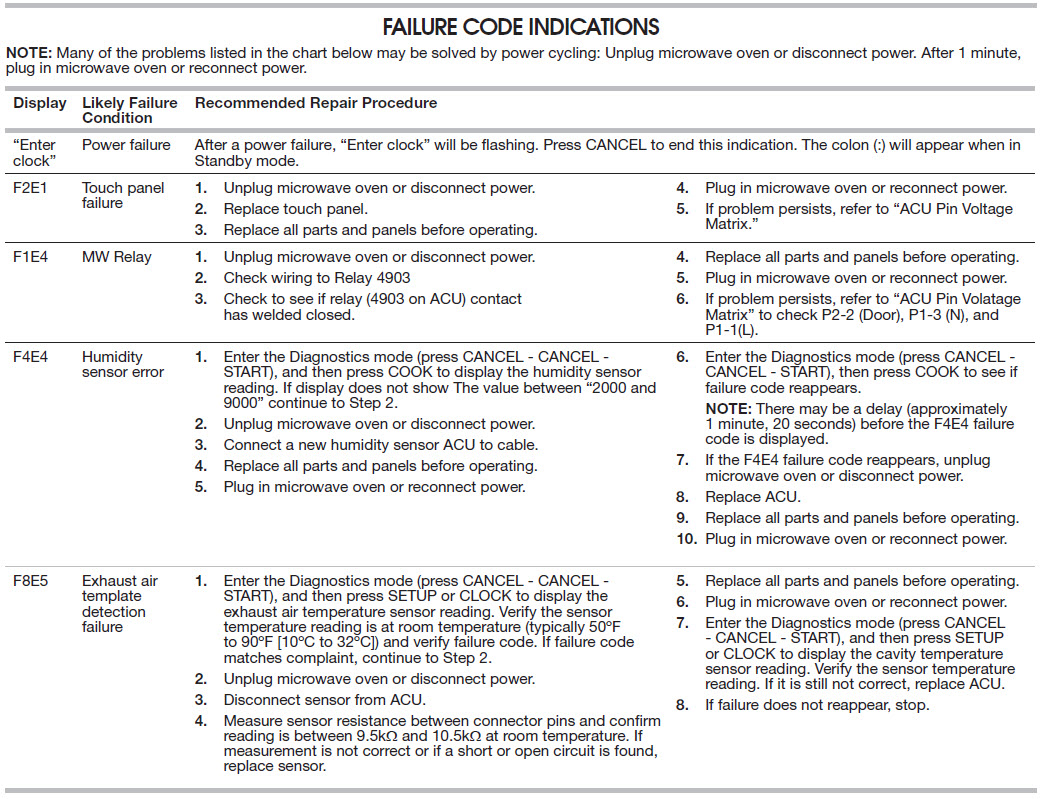
Microwave error codes are messages the oven shows to tell you something is wrong. The codes can be letters, numbers, or both. Manufacturers use them to point to failed parts, sensors, or software problems. Knowing the code saves time. You can diagnose the issue without guessing. Clear knowledge of microwave error codes reduces repair cost and avoids dangerous attempts to run a broken unit.

Common microwave error codes and what they mean
Microwave error codes vary by brand. Still, many codes share common causes. Below are typical codes you will see and simple meanings.
- F1 or E1 — Door switch fault. The door latch or switch failed or is misaligned.
- F2 or E2 — Keypad or control panel error. Buttons or the control board may be faulty.
- F3 or E3 — Temperature sensor or thermistor issue. The oven thinks it is too hot or the sensor wiring is open.
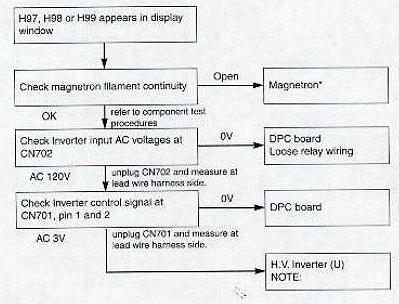
- F7 or E7 — Magnetron or high-voltage problem. This affects heating and can be dangerous.
- H00, SE, or Err — Software glitch or short. A reset may fix this, but repeat errors need inspection.
- C1 or P1 — Power or inverter issue in convection or inverter models. The power board or inverter may be failing.
Always check your owner’s manual for your model’s exact code list. Some brands use unique codes or multiple codes for one fault. If a code repeats after a normal reset, it likely signals a real component failure.

Causes behind microwave error codes
Error codes come from sensors, switches, or the main control board. Common root causes include electrical faults, mechanical wear, and software bugs.
- Failed door switches lead to safety codes because the microwave won’t run with a bad latch.
- A burned-out magnetron shows as a high-voltage or heating error. The oven may hum but not heat.
- Loose or corroded wiring causes intermittent faults and odd error codes.
- Overheating trips thermal fuses and thermal cutouts. This generates temperature-related codes.
- Power spikes and surges can corrupt control board firmware and produce software errors.
Many codes are warnings before drastic failure. Treat recurring codes as real faults. Ignoring them may cause bigger damage or fire risk.

Step-by-step troubleshooting for microwave error codes
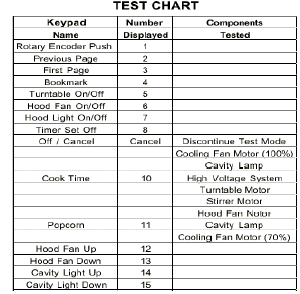
Safety first. Unplug the microwave before you open it. High-voltage parts hold a charge even after unplugging. If you are not comfortable with electrical work, call a technician.
- Power cycle the microwave
- Unplug for 60 seconds, then plug back in. A reset clears many software or transient errors.
- Check the door and latch
- Close the door firmly. Inspect the latch and switches for visible damage.
- Inspect the outlet and plug
- Try a different outlet or test the outlet with another device. Faulty power can trigger codes.
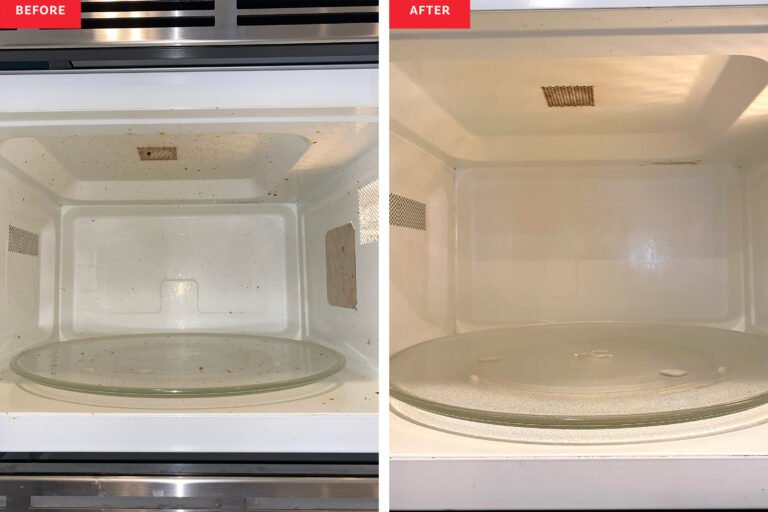
- Clean vents and internal areas
- Blocked vents cause overheating. Remove grease and crumbs that can trip thermal sensors.
- Test simple parts
- Replace the lamp or fuse first if those are the indicated codes. They are cheap and easy fixes.
- Use a multimeter only if trained
- Measure continuity on door switches, thermal fuses, and wiring. Do not touch the capacitor.
- Note repeating codes
- If a code returns after fixes, document it. Techs rely on that info to diagnose quickly.
When a code points to high-voltage parts like the magnetron or transformer, stop and book a repair. These parts are dangerous to handle without tools and training.

When to call a professional or replace your microwave
Not all microwave error codes require a pro. Some do. Use these guidelines to decide.
- Call a pro when the error codes point to high-voltage parts, the magnetron, the transformer, or control board faults. These are risky and complex.
- Consider replacement when repair costs exceed half the price of a new microwave. Older units often need multiple failing parts.
- If the unit smokes, sparks, or emits burning smells, unplug it and call a technician immediately.
- Use warranty coverage if available. Brand warranties often cover parts and labor for error-code related failures.
I once repaired a unit with a recurring F7 code that needed a new inverter and capacitor. The repair cost nearly matched a mid-range new microwave. In that case, I advised the owner to replace the oven.
Preventing microwave error codes
Good care prevents many microwave error codes. Follow these simple habits.
- Clean regularly to avoid grease build-up and blocked vents.
- Don’t run the microwave empty. Small amounts of food or liquid protect the magnetron.
- Use microwave-safe containers only. Metal or foil causes arcing and error codes.
- Keep the door seals and latch clean to ensure good contact.
- Protect against power surges with a surge protector. Surges can corrupt control boards.
- Ventilate the area and avoid stacking items on top of the microwave.
A little care goes a long way. Preventive actions reduce the chance of random error codes and extend oven life.

Personal experience and practical tips
I have fixed dozens of microwaves over the years. I learned to trust patterns. A single error that clears after a reset is rarely a big issue. Repeating codes usually mean a part is failing.
One tip I share with friends is to keep a small notebook near the microwave. Write the code, the time it happened, and what you were doing. That log often helps a technician replicate and find the root cause faster.
Another lesson: cheap DIY fixes can be dangerous. Replacing a lamp or fuse is fine. Replacing the magnetron or working near the capacitor is not. Balance the cost and risk before trying big repairs.
Frequently Asked Questions of microwave error codes
How do I reset microwave error codes?
Most microwaves reset by unplugging for 30–60 seconds or switching off the breaker. If a code returns, unplugging only hides the problem; further checks are needed.
Why does my microwave show an E1 or F1 code?
E1 or F1 usually means a door switch or latch problem. Check the door for misalignment and replace the switch if it has no continuity.
Can a power surge cause microwave error codes?
Yes. A power surge can corrupt the control board or damage components and lead to error codes. Use a surge protector to reduce this risk.
Is a magnetron failure dangerous?
Yes. Magnetron work involves high-voltage parts and stored charge. Do not attempt magnetron repairs unless you are trained.
When is replacement better than repair for microwave error codes?
Replace when repair costs exceed half the cost of a new microwave, or if multiple core parts fail on an older unit. New units also offer better efficiency and warranty.
Will cleaning fix error codes?
Cleaning can fix heat or door-related codes caused by grease or debris. It will not fix electrical or component failures.
Conclusion
Understanding microwave error codes saves time, money, and stress. You now know what common codes mean, what causes them, and how to test simple fixes safely. Use short checks first: reset, clean, and inspect the door. When codes point to high-voltage parts or repeat, call a pro or weigh replacement. Start by noting any code and the conditions that led to it. Take action, protect your kitchen, and consider subscribing or leaving a comment with your code so I can help diagnose it further.