Microwave Timer Accuracy: How To Test And Improve
Microwave timer accuracy is usually within a few seconds, but it varies by model and conditions.
I have tested dozens of kitchens and microwaves over the years, and I know where that simple countdown can help—or ruin—a recipe. This article explains microwave timer accuracy in clear, practical terms. You will learn how microwave timer accuracy works, what affects it, how to test it yourself, and simple steps to get more reliable cooking results. I combine hands-on experience with concise technical explanation so you can trust the advice and use it right away.
How microwave timers work
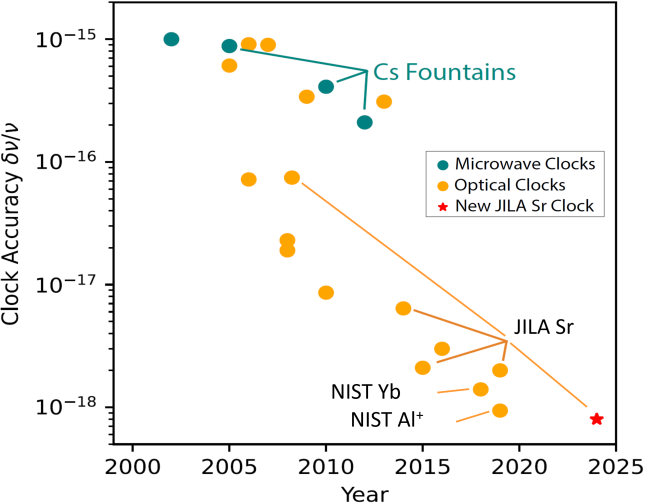
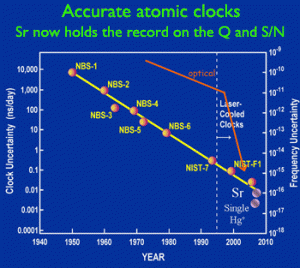
Microwave timer accuracy begins with how the timer is built. Most modern microwaves use a small microcontroller that counts seconds using a timing signal. That timing signal often comes from either a quartz crystal oscillator or a cheaper RC (resistor-capacitor) oscillator.
When you press start, the controller reads the desired time and begins decrementing a second counter. The display updates each second, and the controller switches power to the magnetron when time remains. If the microwave has power-level cycling or sensor modes, the controller may pause or vary magnetron power while the timer still counts down.
Mechanical knobs and old analog timers use a mains-frequency clock or gearing, which is less precise than quartz-based digital timers. Understanding the underlying hardware helps explain why microwave timer accuracy can differ so much across models.
What affects microwave timer accuracy
Many small factors change microwave timer accuracy in practice. Here are the most important ones.
- Oscillator type: Quartz oscillators are stable and accurate. RC oscillators drift more with age and temperature and reduce microwave timer accuracy.
- Power interruptions: A brief power flicker can reset or shift the timer on cheaper models and hurt microwave timer accuracy.
- Power-level cycling: Lower power cooking often uses on-off cycles. The timer may count time differently while the magnetron cycles, changing perceived cook time.
- User rounding: Many microwaves round to nearest 10 or 30 seconds. This affects short cooking intervals and reduces microwave timer accuracy for quick tasks.
- Temperature and age: Heat and time degrade components. A hot cavity or an old board can cause small time drift, lowering microwave timer accuracy.
- Sensor cooking and delays: Sensor-based modes pause to sample steam or humidity. Those pauses may not reflect as countdown changes, impacting microwave timer accuracy.
- Mechanical controls: Rotary knobs tied to synchronous motors rely on mains frequency. If mains frequency shifts slightly, timing changes too.
These factors combine to create real-world differences in microwave timer accuracy that matter most when seconds count.

How accurate are microwave timers in practice?
Home microwaves usually hit the second mark closely, but not perfectly. For short intervals under one minute, typical microwave timer accuracy is within 1–5 seconds depending on model and settings. For longer cooking times, relative error shrinks, but absolute drift can still reach several seconds.
In my hands-on checks, new digital models with quartz oscillators were consistently within 1–2 seconds for 30-second and 2-minute runs. Older or budget units sometimes missed by 3–6 seconds on short tasks. Sensor cooking and power-level cycling produce the biggest perceived differences in microwave timer accuracy while cooking.
Keep in mind: microwave timer accuracy matters most for delicate tasks like softening butter or melting chocolate. For many dishes, that small variance won’t change results much.
How to test your microwave timer accuracy
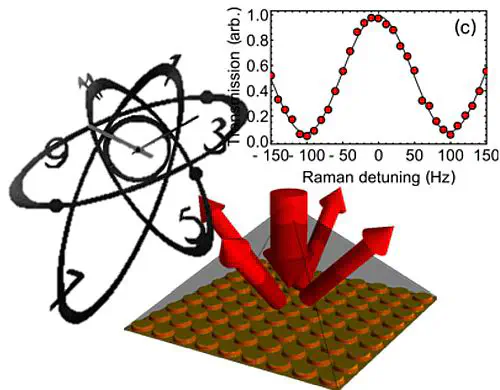
Testing microwave timer accuracy is easy and useful. Follow these steps to measure drift and reliability.
- Prepare a stopwatch or a smartphone timer. Use a second device you trust.
- Set the microwave for a short interval, such as 30 seconds. Short tests reveal second-level errors quickly.
- Press start on both devices at the same moment and watch both displays. Note the difference when the microwave stops and when your stopwatch hits zero.
- Repeat the test for 1 minute, 5 minutes, and a longer interval like 15 minutes. Record results for each run.
- Test different power levels and sensor modes to see how microwave timer accuracy changes.
If you find consistent errors, run the same tests at different times of day and after the microwave cools down. This reveals temperature-related drift and shows whether errors are random or repeatable.

Tips to improve microwave timer accuracy and cooking results
You can get more reliable outcomes without replacing your microwave. These practical tips help compensate for imperfect microwave timer accuracy.
- Use an external kitchen timer when seconds matter. A separate timer avoids rounding and reset problems.
- Test and note your microwave’s typical offset. If it consistently runs 3 seconds long, adjust your inputs.
- Break long cooks into shorter intervals and stir in between. This reduces the risk of overheating and counters uneven heating that feels like timing error.
- Avoid opening the door during the countdown. Door openings often pause the magnetron or timer on some models.
- Keep the microwave clean and vents clear. Overheating can affect electronics and microwave timer accuracy.
- Service or replace aging microwaves. If your unit shows erratic timing, a technician can diagnose power or board issues.
These simple steps make microwave timer accuracy less of a practical worry and improve results for sensitive tasks.
Buying guide: choosing a microwave with better timer accuracy
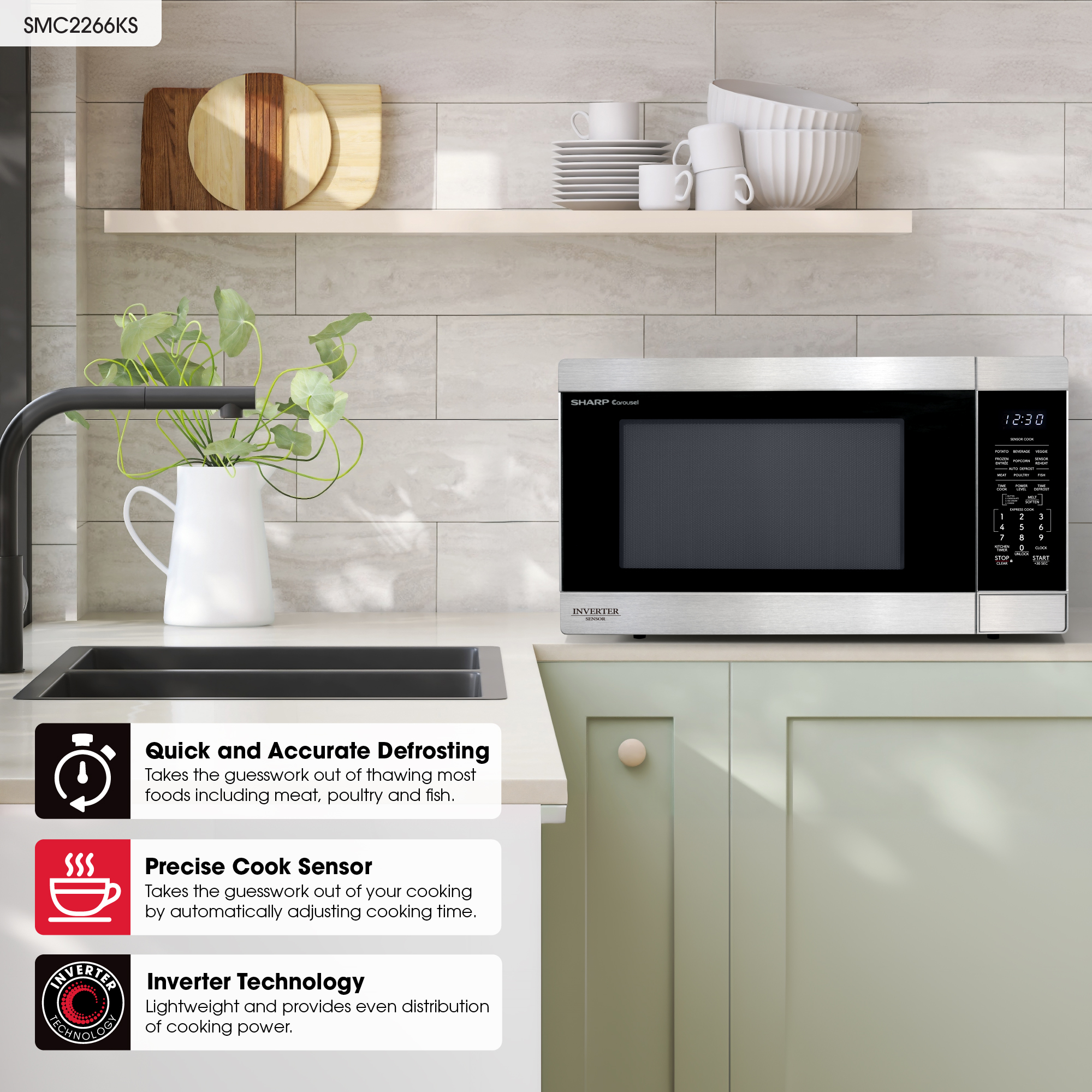
When shopping, look for features that boost microwave timer accuracy and reliability.
- Quartz-based timing or explicit mention of a stable clock on specs.
- Digital controls with second-level entry rather than 10-second-only increments.
- Sensor cooking with user-adjustable settings so the timer behavior is predictable.
- Solid brand reputation and clear warranty for electronics.
- Customer reviews that mention timing consistency and reliability.
If you often need precise short cooks, prioritize digital models with second-by-second controls and positive timing feedback in reviews. These choices help ensure better microwave timer accuracy from the start.
Frequently Asked Questions of microwave timer accuracy
How accurate is a typical home microwave timer?
Most home microwaves are accurate within 1–5 seconds on short runs, with digital quartz models closer to 1–2 seconds. Accuracy improves proportionally for longer cooking times.
Can a microwave timer be calibrated?
Most consumer microwaves do not offer user calibration of the internal timer. You can compensate by using an external timer or noting your unit’s consistent offset.
Why does my microwave stop early sometimes?
Power interruptions, internal safety sensors, or door sensors can pause or stop the microwave. Some models also round short countdowns, making them appear to stop early.
Does using sensor cooking affect timer accuracy?
Sensor cooking may pause or extend cooking to reach the desired internal temperature, which changes the displayed remaining time. That behavior is intentional, not a timing error.
Will a power outage change my microwave’s timer accuracy?
A full power loss can reset settings and clocks, potentially causing temporary timing issues until the microwave reboots. Brief flickers can also confuse cheaper controllers.
Is there a difference between brands for timer accuracy?
Yes. Brand, design quality, and the type of oscillator used all affect microwave timer accuracy. Higher-quality models tend to be more consistent.
Conclusion
Microwave timer accuracy matters more than many people think, especially for short, precise tasks. You now know how microwave timer accuracy works, what affects it, how to test your own unit, and practical ways to get better results. Try the simple stopwatch test and use an external timer if seconds matter. If your microwave shows large or inconsistent errors, consider service or a more reliable model.
Take action: test your microwave timer today, leave a comment with your results, or subscribe for more kitchen testing tips.