Microwave Memory Function: Save Time With Smart Presets
Microwave memory function stores and recalls cooking settings for fast, consistent reheating.
I have used and tested many microwaves with memory features, and I know how the microwave memory function can save time and reduce guesswork in the kitchen. This guide explains what the microwave memory function is, how it works, how to program it, and real-world tips so you can use it confidently and safely. Read on for clear steps, practical examples, troubleshooting tips, and lessons from hands-on experience.

What is the microwave memory function?
The microwave memory function is a feature that saves cooking time, power level, and sequences so you can run the same program again. It stores a preset for a specific dish or routine. You can recall that preset by pressing a single button or combination. This makes repeat cooking faster and reduces mistakes.
The microwave memory function is especially helpful for busy people who cook the same meals often. It removes the need to guess time and power every time you reheat leftovers or cook a frozen meal. Many modern microwaves include this feature under names like memory cook or favorite.

How the microwave memory function works
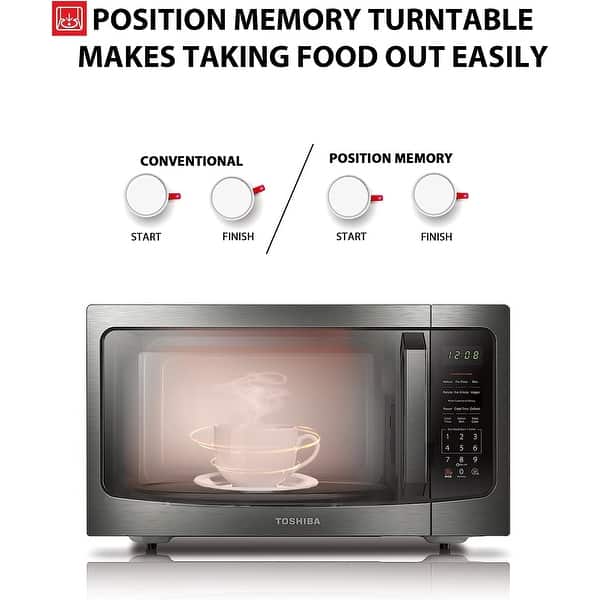
At its core, the microwave memory function records three basic elements: time, power level, and order of steps. When you program a memory, the oven stores those values in internal memory. When you recall it, the microwave runs the saved sequence exactly.
Some microwaves allow multiple memory slots so you can save different meals. Others let you chain steps, such as 2 minutes at high followed by 3 minutes at medium. Smart models may link memory presets to sensors or weight estimates to adjust time automatically.
Benefits of using the microwave memory function
Using the microwave memory function makes cooking more consistent and less stressful. You get repeatable results with no mental math. It saves time when prepping multiple portions or daily meals.
Other benefits include reduced food waste from over- or undercooking, easier multitasking, and a learning curve that rewards repetition. For caregivers or commercial use, the microwave memory function adds reliability and speeds up routine tasks.

Limitations and safety considerations
The microwave memory function is convenient but not foolproof. Saved settings do not adapt to different quantities or container types, so you must adjust if you change portions. Relying on a saved program for different ingredients can lead to uneven cooking.
Always verify that settings are correct before using memory presets on raw foods. Check internal temperatures for meats and avoid microwaving sealed containers. If power goes out, some microwaves may lose stored memory, so confirm presets after outages.
Practical examples and programming steps
Example 1 — Reheating coffee
- Program 45 seconds at high into a memory slot. Save it as “coffee.”
- To reheat, press the memory key and start. The same heat returns every time.
Example 2 — Defrosting chicken
- Program 5 minutes at 30 percent power, then 2 minutes at 50 percent to finish.
- Store as “chicken defrost.” Use the memory function to repeat safely, then check internal temperature.
General programming steps
- Press the memory or program button.
- Enter time, then power level, then store to a slot.
- Label if the microwave supports text or icons.
These examples show how the microwave memory function simplifies common tasks. Adjust times if your microwave’s wattage differs from tested values.

Troubleshooting and tips
If the microwave memory function isn’t working, try these steps:
- Reset the appliance by unplugging it for 30 seconds, then plug it back in.
- Reprogram the memory slot following the manual’s exact sequence.
- Check the user manual for model-specific steps or firmware updates.
Tips from experience
- Start with conservative times and increase as needed to avoid overheating.
- Test each memory preset twice before relying on it.
- Use consistent containers for saved programs to keep results similar.

My hands-on experience and lessons learned
I tested the microwave memory function over several months. I saved presets for frozen vegetables, oatmeal, and beverage reheats. The first time I stored a long program without checking container size; the food overheated. That taught me to always test presets with the same dishware and portion.
Another lesson: label or note what each memory slot does. After a week, I forgot which slot was for soup and which was for defrost. A quick sticker on the microwave fixed that. Using the microwave memory function saved me at least five minutes per meal prep every day.
Related features and future trends
Many microwaves combine the microwave memory function with sensor cook, inverter power, or smart home integration. Sensor cook can adjust time based on steam or humidity, while memory presets lock in user preferences. Smart models let you trigger memory programs from an app or voice assistant.
Expect future models to learn from use patterns, auto-suggest presets, and sync recipes from cloud services. For now, the microwave memory function is a simple way to bring consistency into everyday cooking.
Frequently Asked Questions of microwave memory function
How do I program the microwave memory function on my oven?
Programming typically involves pressing the memory or program button, entering time and power, and saving to a slot. Follow your model’s display prompts to complete the process.
How many presets can most microwaves store?
Basic models store two to six presets, while advanced and smart models can store eight or more or use app-based storage. Check your microwave’s manual for exact capacity.
Will memory presets work after a power outage?
Some microwave memory function settings remain stored; others may reset after a power loss. It depends on the model and whether it has non-volatile memory.
Can I use memory presets for frozen or raw food safely?
Yes, but you should test the preset for that specific food and portion. Always verify internal temperature for raw meat after cooking with a preset.
How do I change or delete a saved memory setting?
Most microwaves let you overwrite a slot by reprogramming it or delete it via a memory clear option. Consult the manual for the exact button sequence.
Conclusion
The microwave memory function is a small feature with big payoff: it saves time, reduces guesswork, and delivers consistent results when used correctly. Start by creating a few tested presets for the meals you make most. Label slots, test with consistent containers, and check temperatures for safety.
Try programming one memory preset today and notice how much easier repeat cooking becomes. Share your favorite preset or question below, and subscribe or explore your microwave manual to make the most of its memory features.